
Impact Window Performance Ratings Explained: DP, U-Factor, SHGC, and What They Mean in Florida
Design pressure, U-factor, SHGC, and Performance Grade decoded for Florida homeowners, including why a window's water rating is not the same as its DP.

Design pressure, U-factor, SHGC, and Performance Grade decoded for Florida homeowners, including why a window's water rating is not the same as its DP.
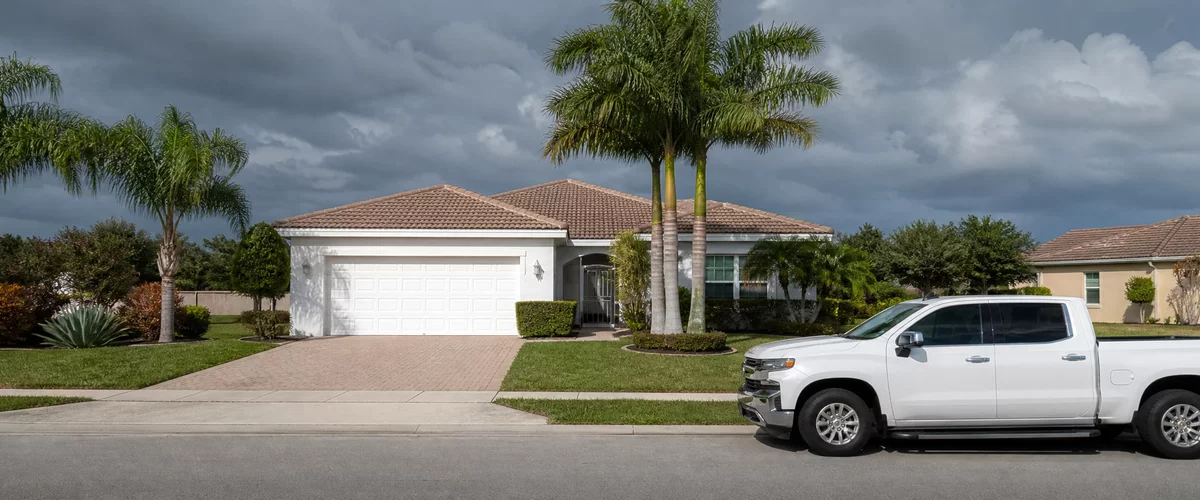
What the Florida garage door wind code actually requires: design pressure ratings by region, DASMA 108 and 115 testing, HVHZ impact rules, label reading, permits, and how the door affects your insurance credit.
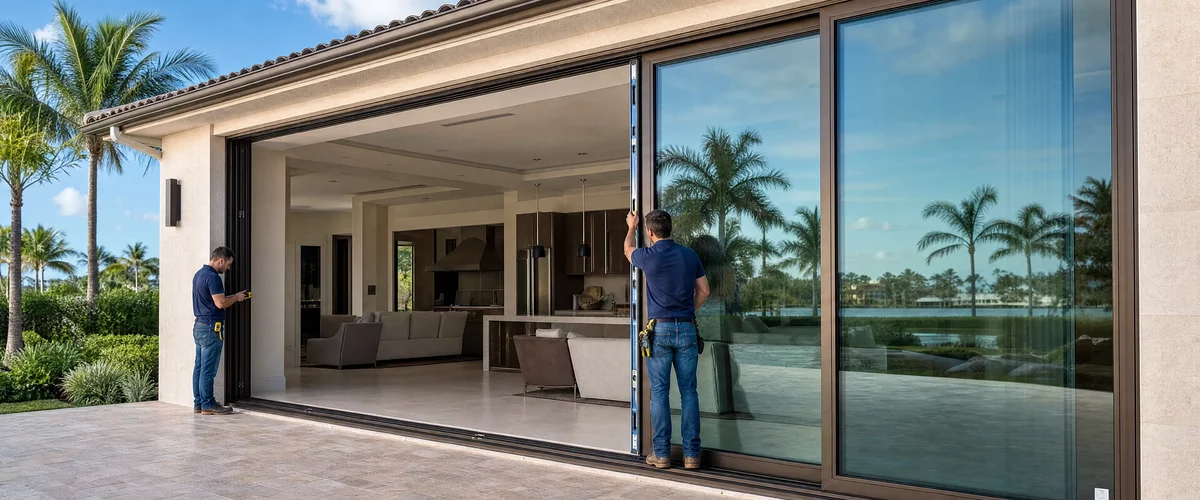
A door's DP rating is a structural wind number, tested at 1.5x the label, cycled 9,000 times after a missile strike. Here is what the numbers mean on doors specifically, the recommended minimums by Florida zone, and the real size limits by door type.
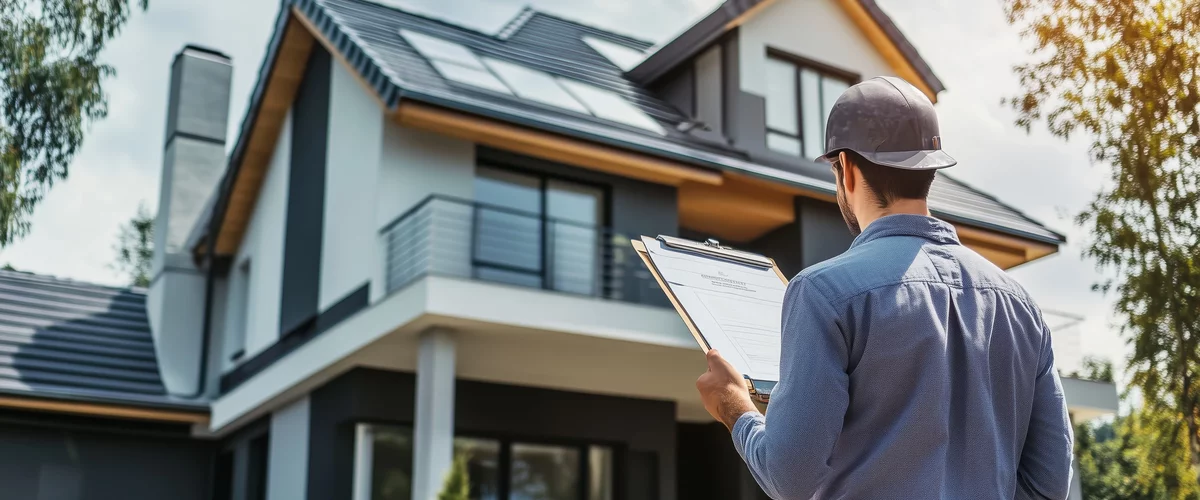
The OIR-B1-1802 wind mitigation form decides your Florida hurricane insurance discount, often $300 to $3,500 a year. Here is what it checks and what changed in the new April 2026 version.
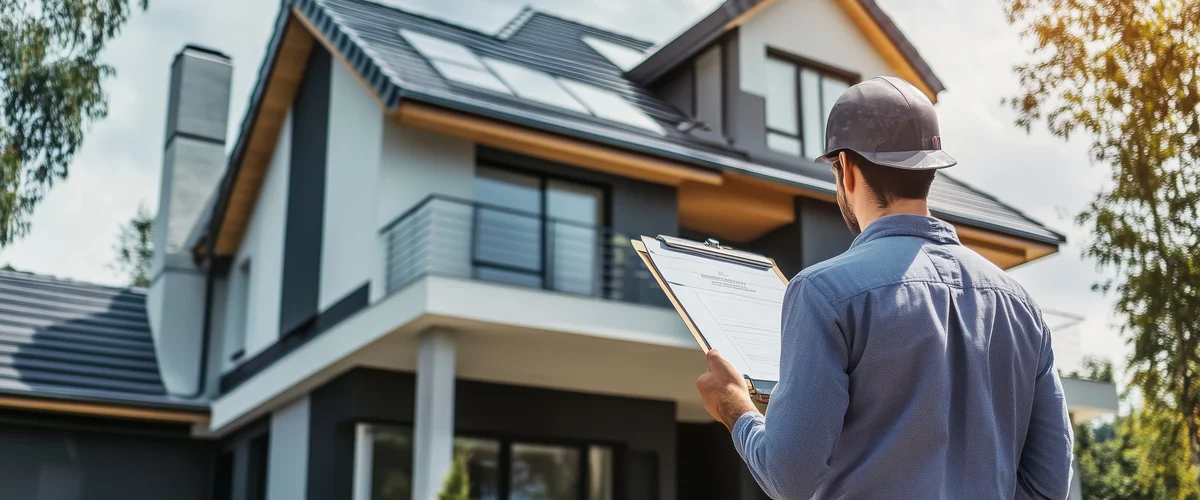
Roof overhangs are where hurricane damage often starts. Two consecutive Florida Building Commission research cycles studied why. Here's what the data shows and what homeowners and builders can do.
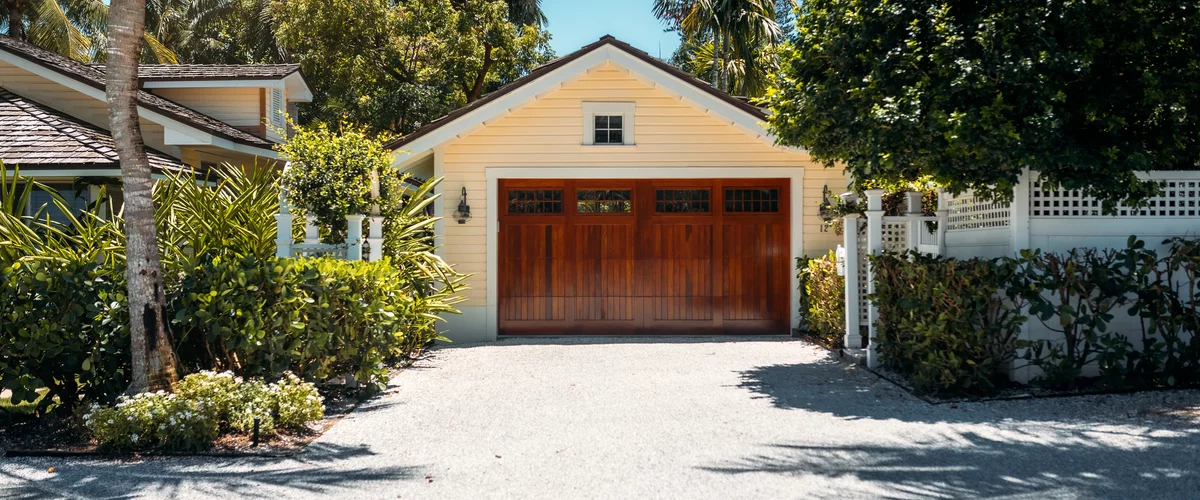
The Florida Building Code allows garage doors to be designed for only 60% of ASCE 7 wind pressures. During Hurricane Milton, this led to failures in otherwise code-compliant homes. Here's what to do about it.
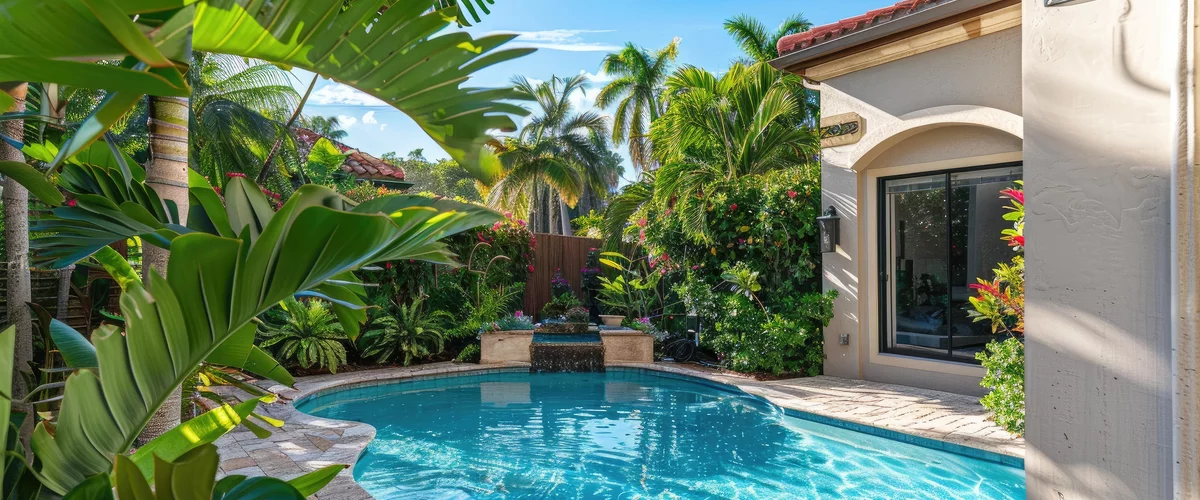
Current sliding glass door water testing uses only 15% of design wind pressure. FIU Wall of Wind research and two FEMA reports confirm this is inadequate. Here's what's changing and what to look for when buying.
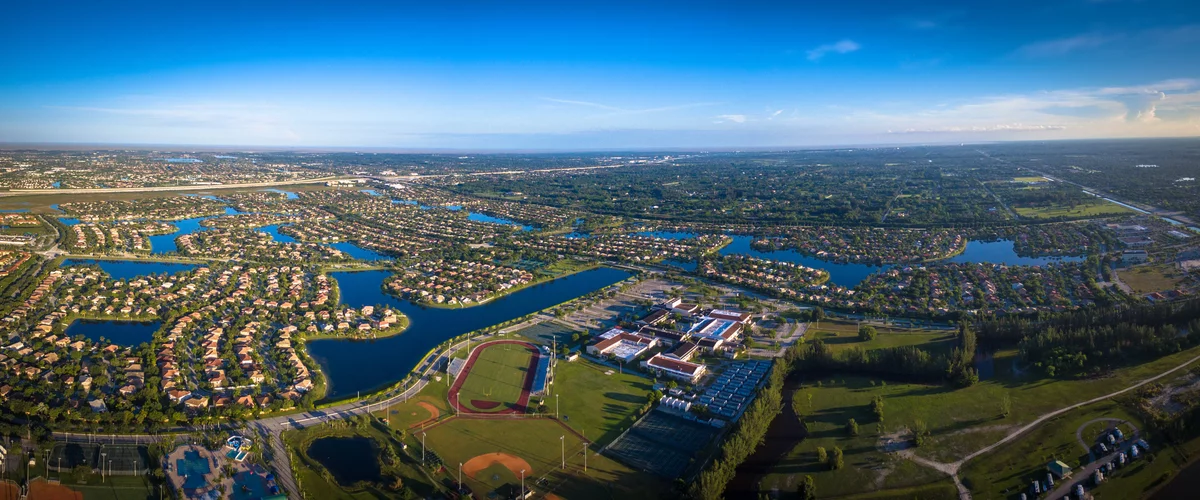
Florida's Wind-Borne Debris Region has followed the coast for decades (apart from a brief 2024 detour inland), but a growing body of research argues it should extend to homes near large inland lakes. Here are the proposals, the science, and where they stand.

Impact windows are not code-required in most of Orlando, but insurance savings, energy efficiency, hurricane risk, and property value gains make them one of the smartest upgrades a Central Florida homeowner can make.
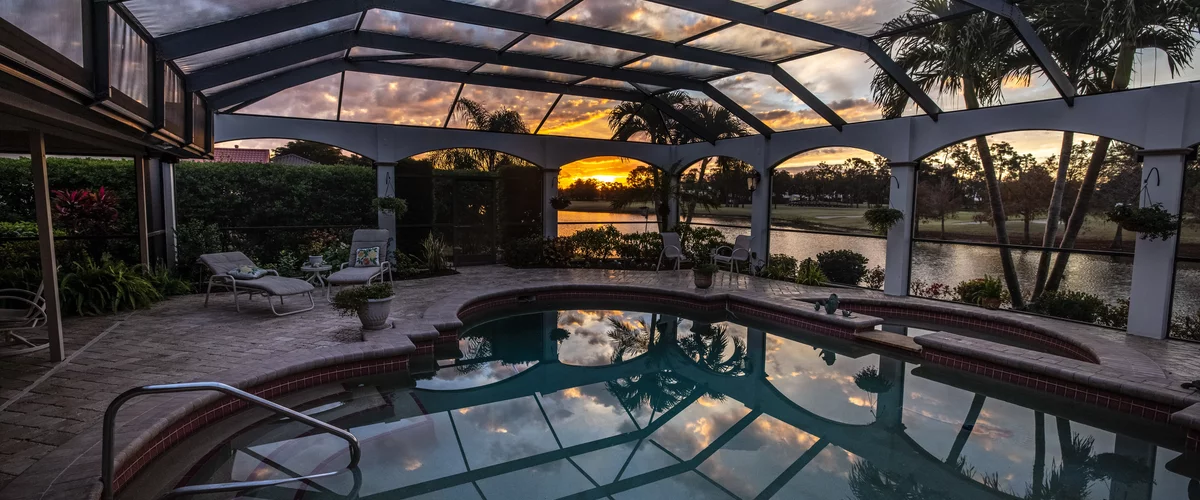
Hurricane screens are lighter, cheaper, and easier to deploy than metal shutters. But how do they compare to impact windows on protection, code compliance, and long-term value? Here's the data.
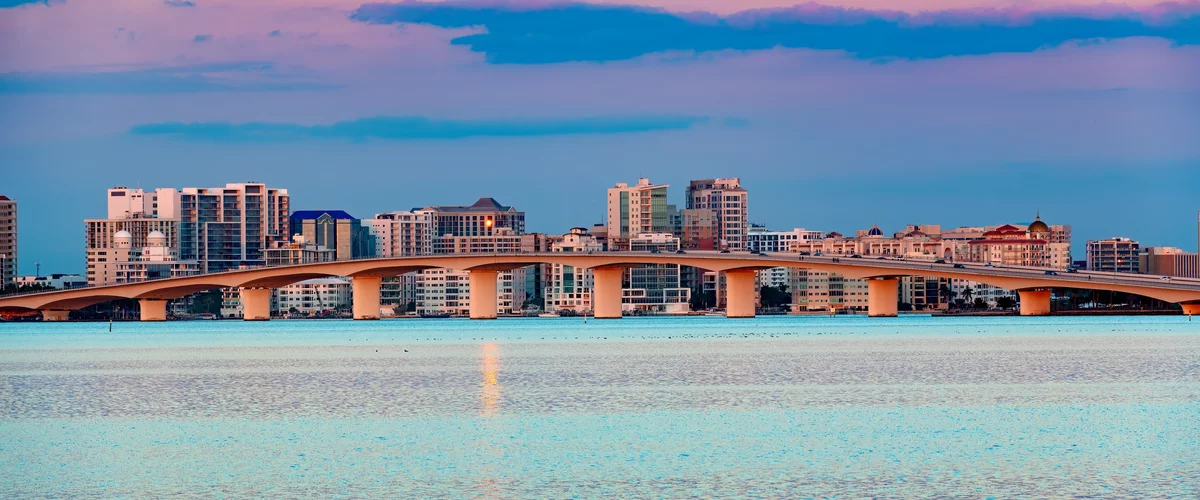
Hurricane Milton changed the equation for Sarasota. Design wind speeds of 140-155 mph, direct Gulf exposure, and a post-storm demand surge make impact window selection and timing critical. Here's what Sarasota homeowners need to know.
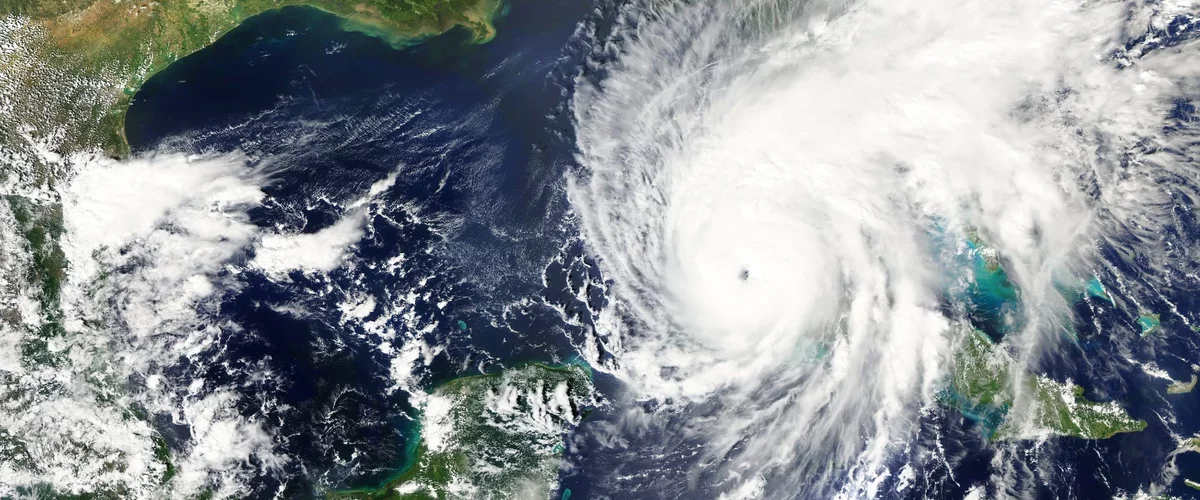
Hurricane Ian hit Cape Coral as a Category 4 with 150+ mph gusts and 10-15 feet of surge. Lee County issued 61,000 building permits in 8 months. Here's what Cape Coral homeowners need to know about impact windows in the post-Ian landscape.
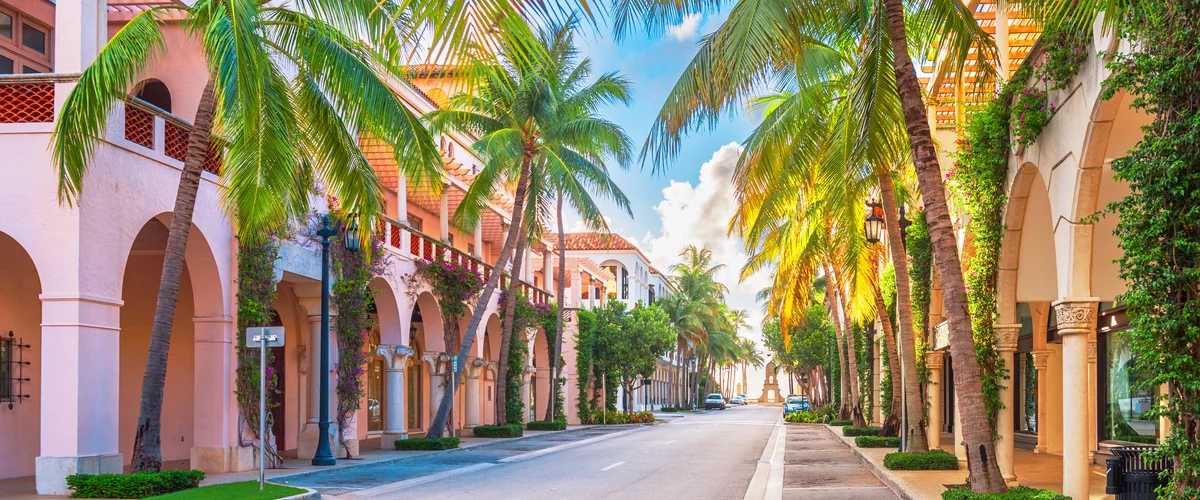
Palm Beach County is NOT in the HVHZ but sits entirely within the Wind-Borne Debris Region with 160-170 mph design wind speeds. More product options, a luxury market, and strict HOAs make it a unique installation environment.
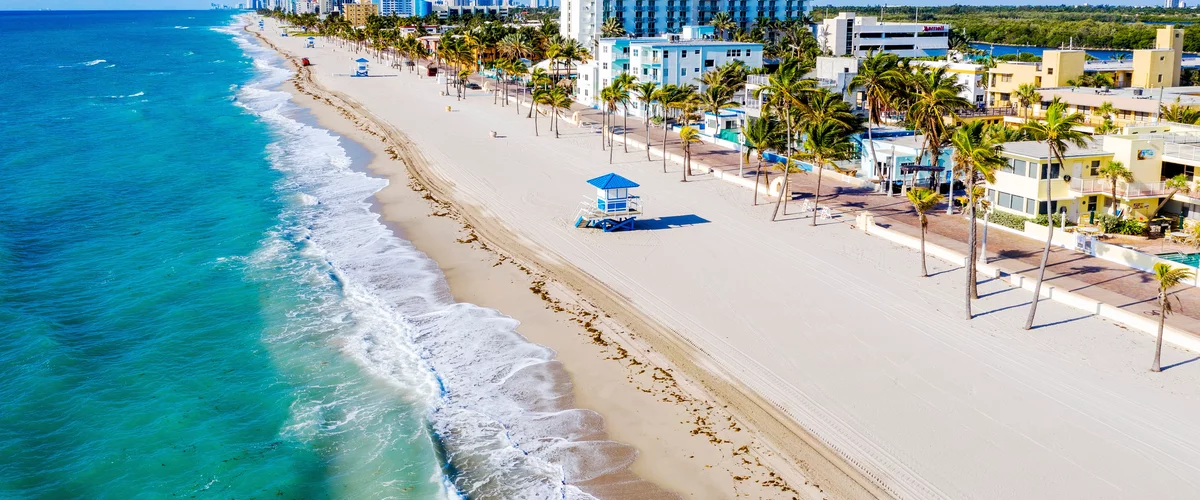
Broward County is HVHZ with 170 mph design wind speeds. Every window replacement must carry a Miami-Dade NOA or equivalent Broward approval. Here's the complete guide for Broward homeowners.

Hurricane window film is marketed as affordable storm protection, but it does NOT meet Florida Building Code requirements. It won't stop a 2x4 projectile, won't pass building inspection, and won't qualify for insurance discounts. Here's the honest breakdown.
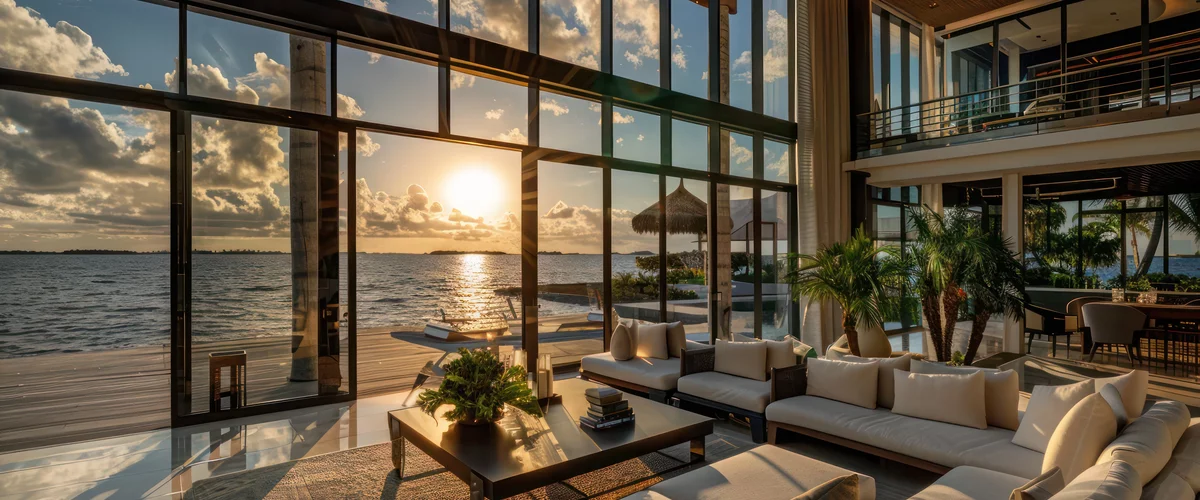
Aluminum is stronger and has the broadest HVHZ selection. Vinyl costs 15-30% less and insulates better. Here's how to choose the right frame material for your Florida home, with specific product recommendations by region.
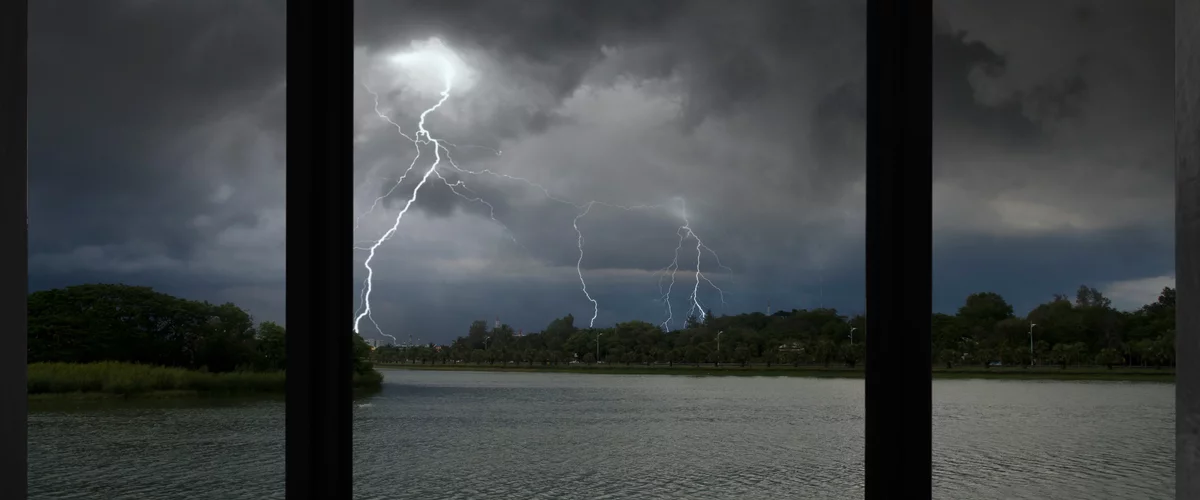
Hurricane windows and impact windows are the same product. What actually differs are storm windows, window film, and unrated lookalikes. Here's the full breakdown.
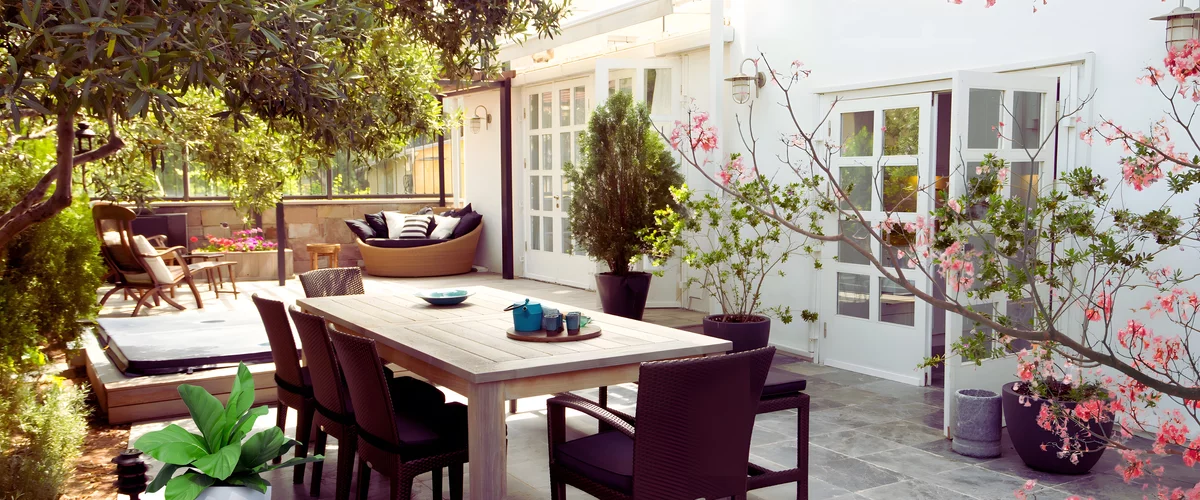
French doors need hurricane protection too, and the double-door configuration creates specific shutter challenges. Here's every option, what each costs, and when to consider impact French doors instead.
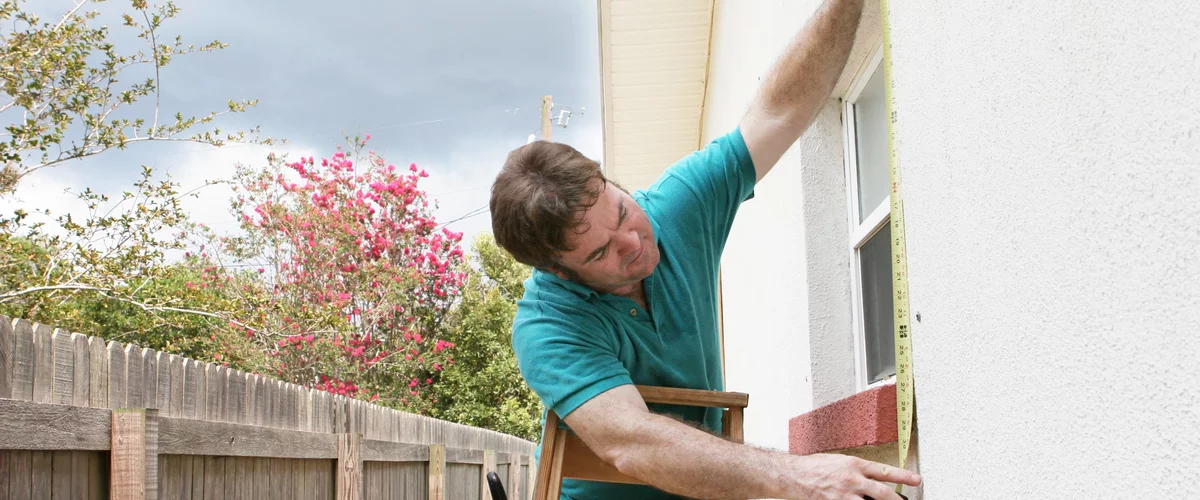
There are nine ways to protect your windows during a hurricane, from impact windows (permanent, always-on) to plywood (emergency-only last resort). Here's every option ranked by protection level, cost, and convenience.
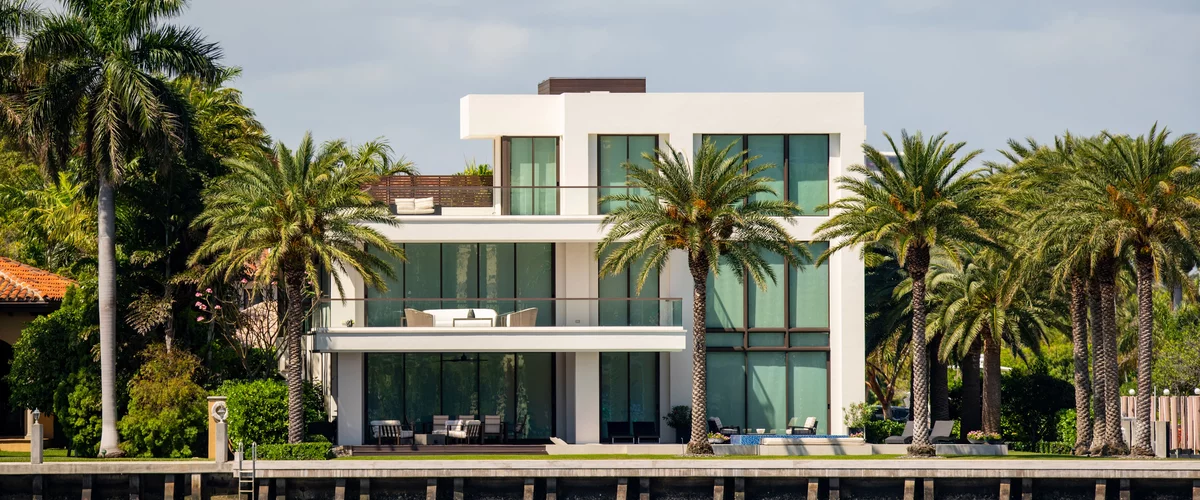
If your home already has impact windows, you typically do not need hurricane shutters. Impact windows are standalone opening protection under the Florida Building Code, but there are specific scenarios where adding shutters makes sense.
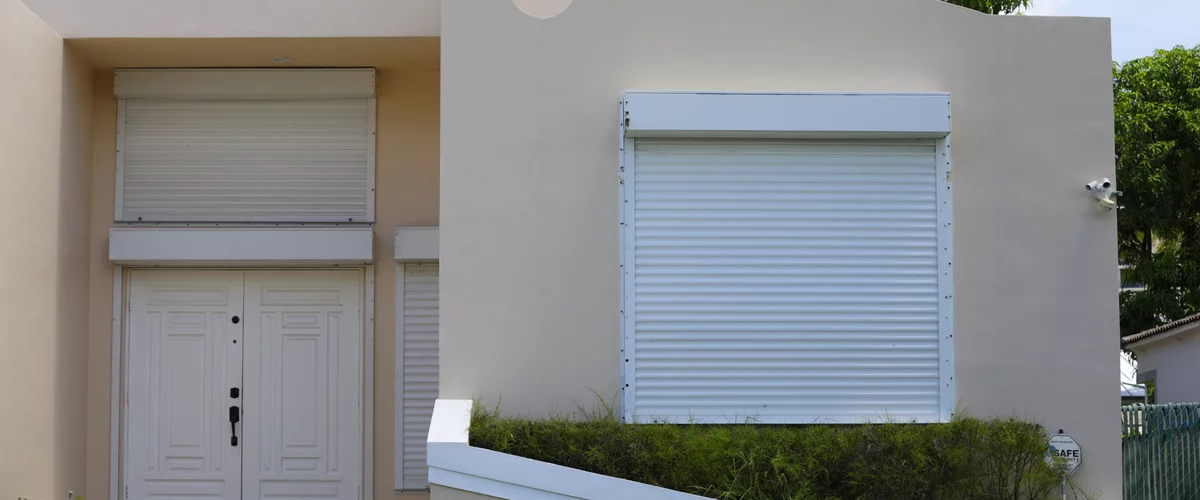
Roll-down shutters deploy in under 5 minutes with a button press. Accordion shutters cost 40-60% less and close in 15-30 minutes by hand. Both provide code-compliant hurricane protection. Here's how to decide.
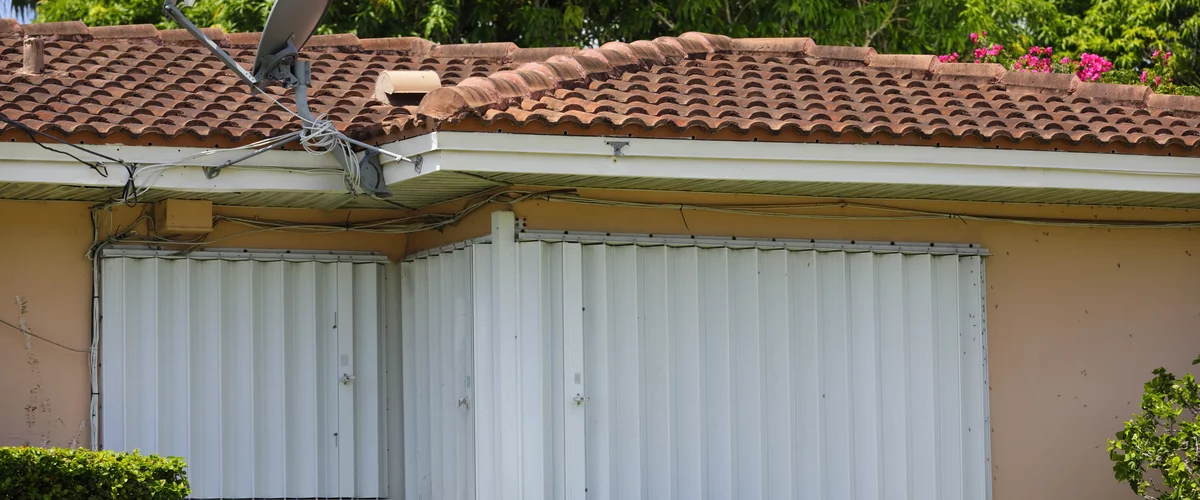
Accordion shutters cost $300-$700 per window. Impact windows cost $1,000-$3,000. Both meet code. The difference is what you get the other 360 days of the year.
University of Florida researchers assessed 358 structures after Hurricanes Helene and Milton (2024). Zero post-FBC homes were destroyed. 46% of pre-code coastal homes were. Here's the data and what it means for your home.
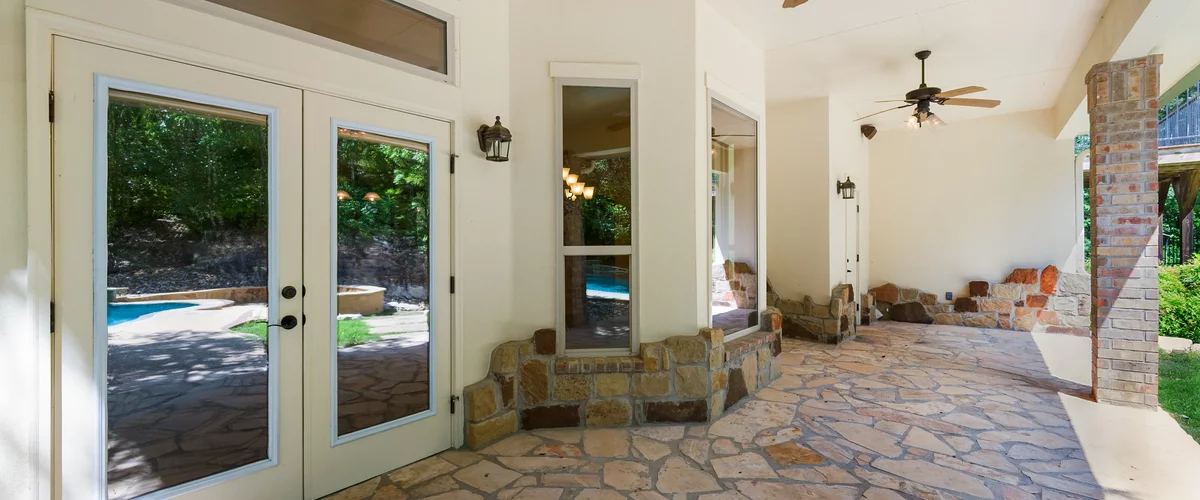
Hurricane impact French doors combine double-door elegance with Category 5 protection. In-swing and out-swing options range from $4,000 to $8,000 per pair installed. Here's what to look for.
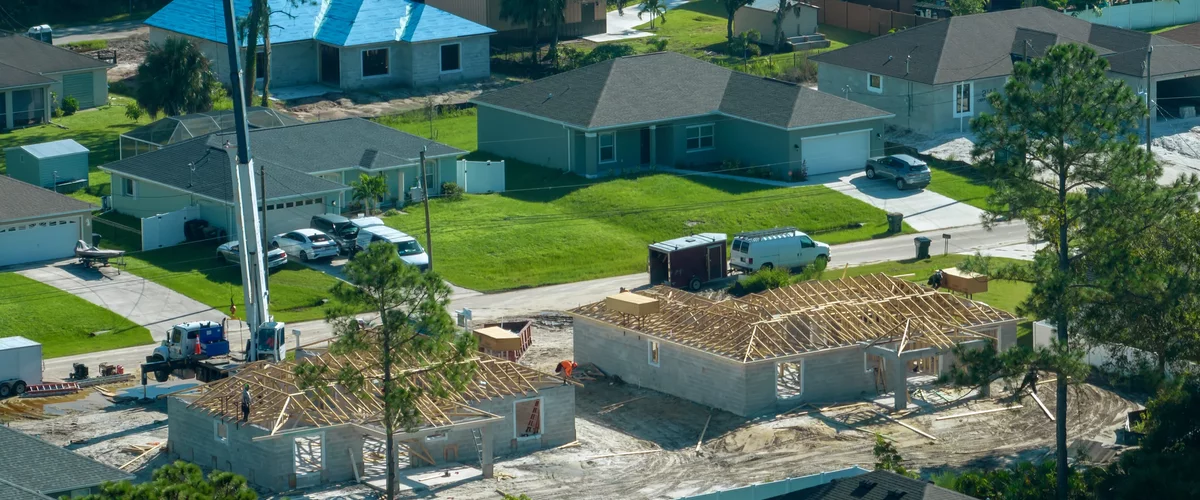
Before Hurricane Andrew in 1992, Florida had 400+ local building codes with no unified wind standards. The destruction created an entirely new product category and the strictest building code in the nation. Here's how each major hurricane shaped the code.
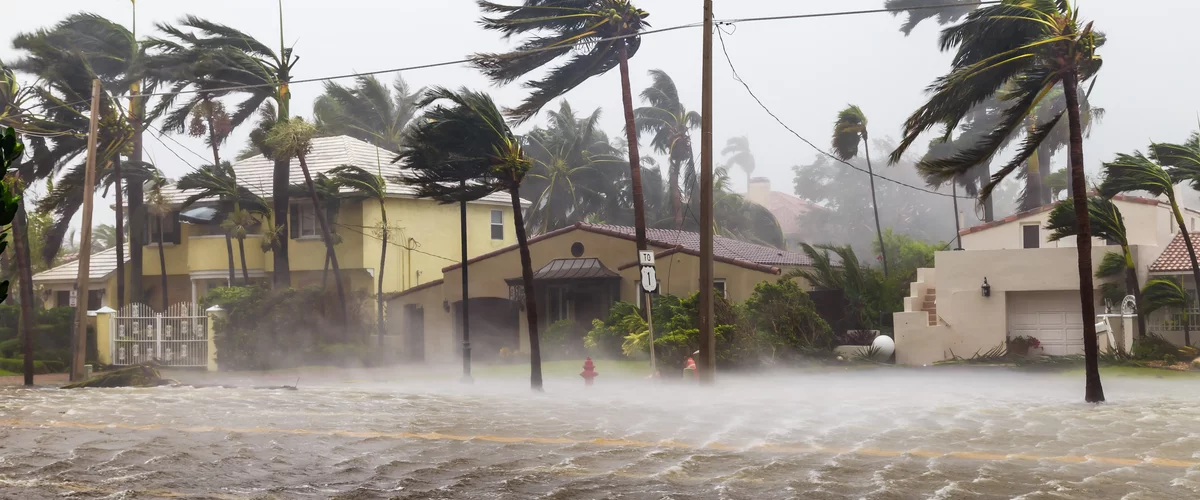
Miami-Dade County has the strictest impact window requirements in the United States. Every replacement must carry a Miami-Dade NOA. Here's what that means for your project, your products, your permits, and your insurance.
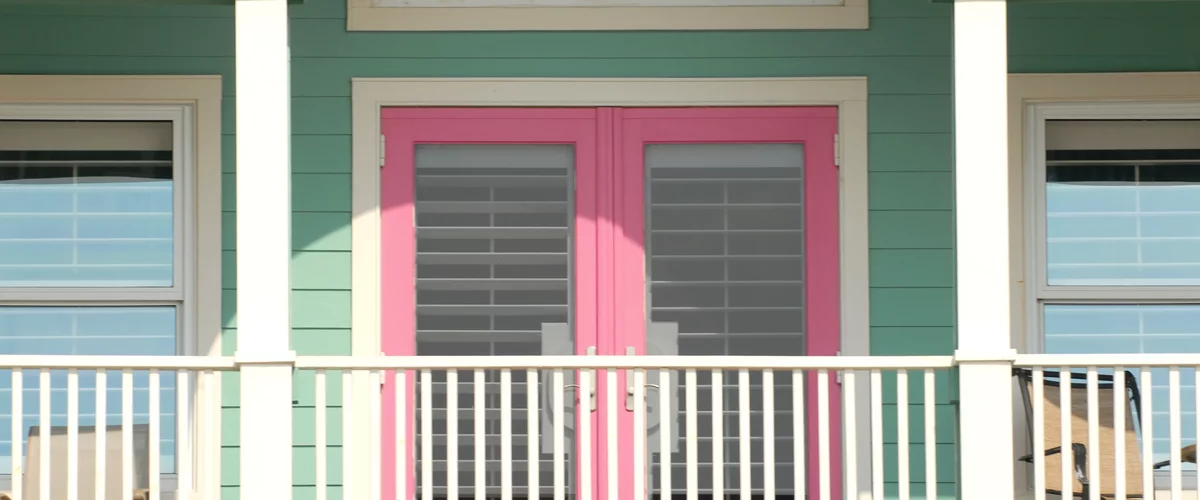
The best hurricane impact front doors combine Category 5 protection with curb appeal. Fiberglass, aluminum, and steel options range from $2,000 to $6,000 installed. Here's how to choose.
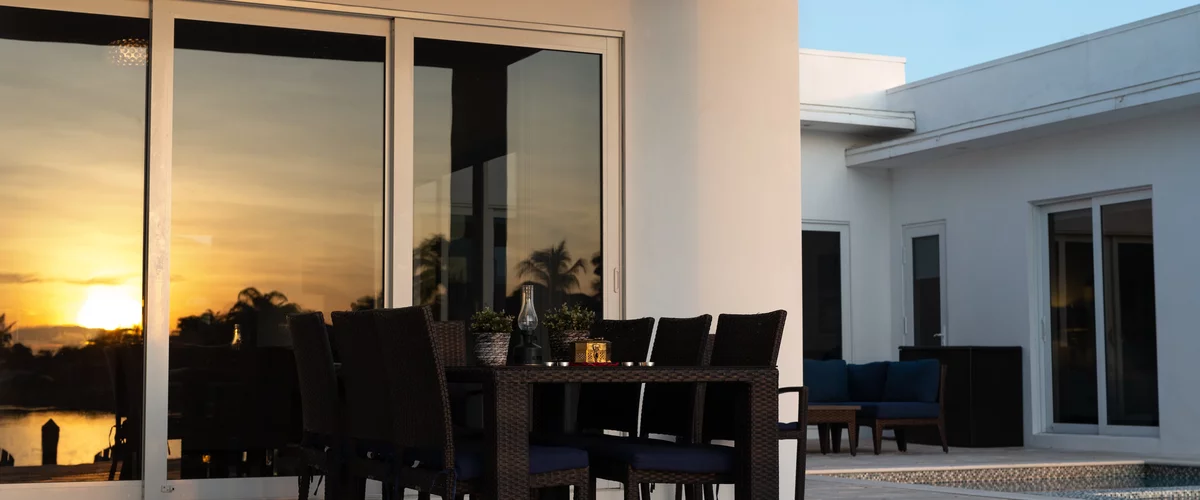
Impact sliding glass doors are the largest, most complex, and most expensive opening in most Florida homes. Here's everything you need to know about sizes, track systems, design pressures, pricing, and manufacturers.
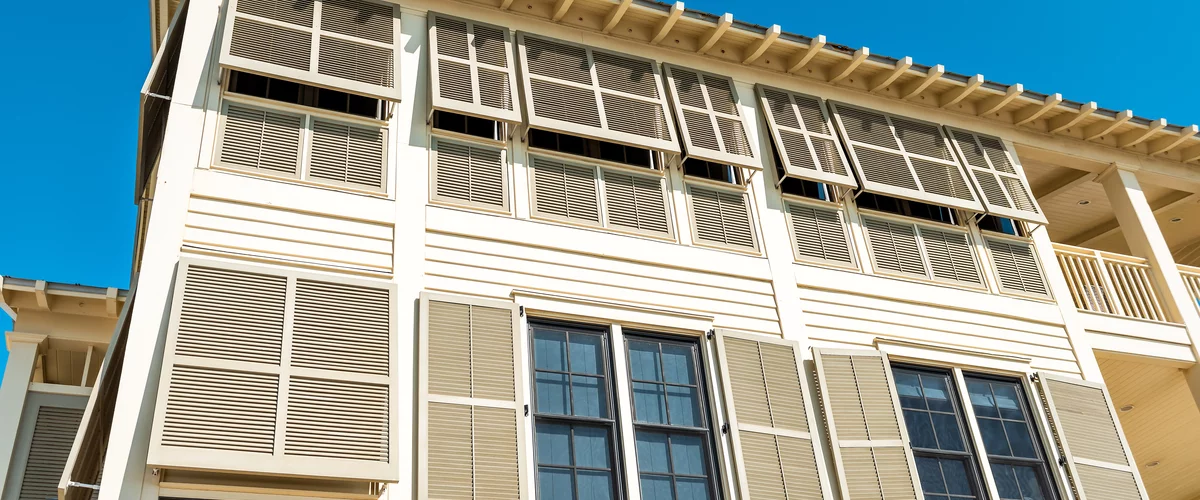
Hurricane shutters cost $7-$40 per square foot installed, depending on the type. Storm panels start at $150 per window, accordion shutters run $300-$700, and motorized roll-downs reach $700-$1,500. Here's the complete pricing breakdown.
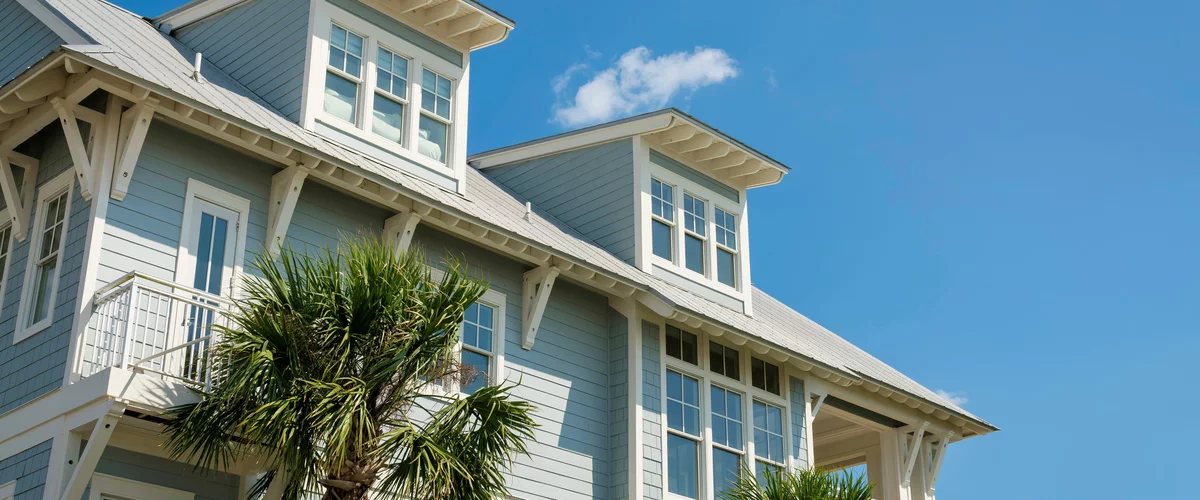
Whether impact windows are required in your Florida home depends on your county, your proximity to the coast, and whether you're replacing more than 25% of your windows. Here's exactly what the code says, county by county.
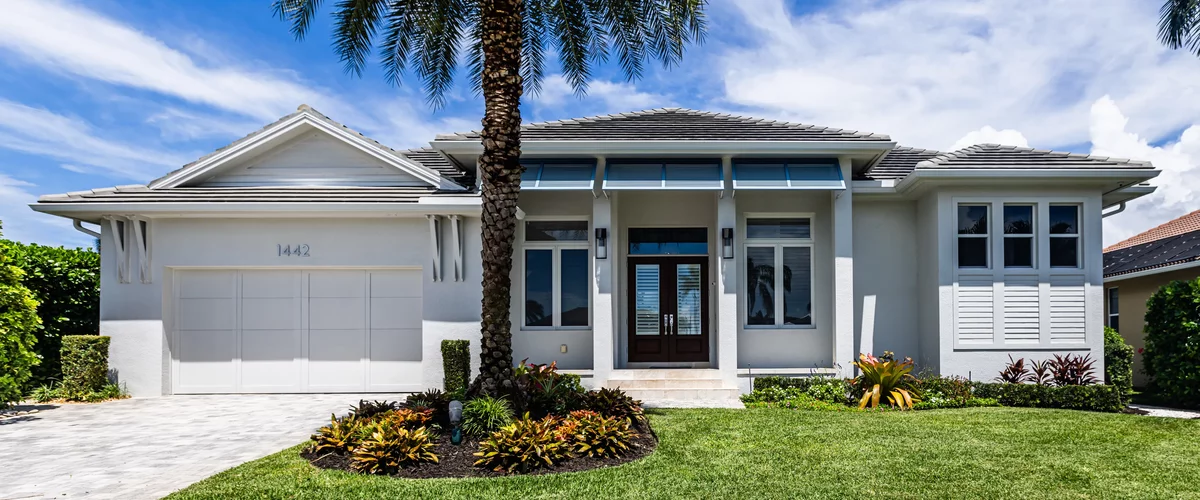
There is no such thing as a hurricane-proof house, but there is a proven hierarchy of upgrades that makes a Florida home hurricane-resistant. This guide covers every component, from roof-to-wall connections to impact windows to flood barriers, in the order that matters most.
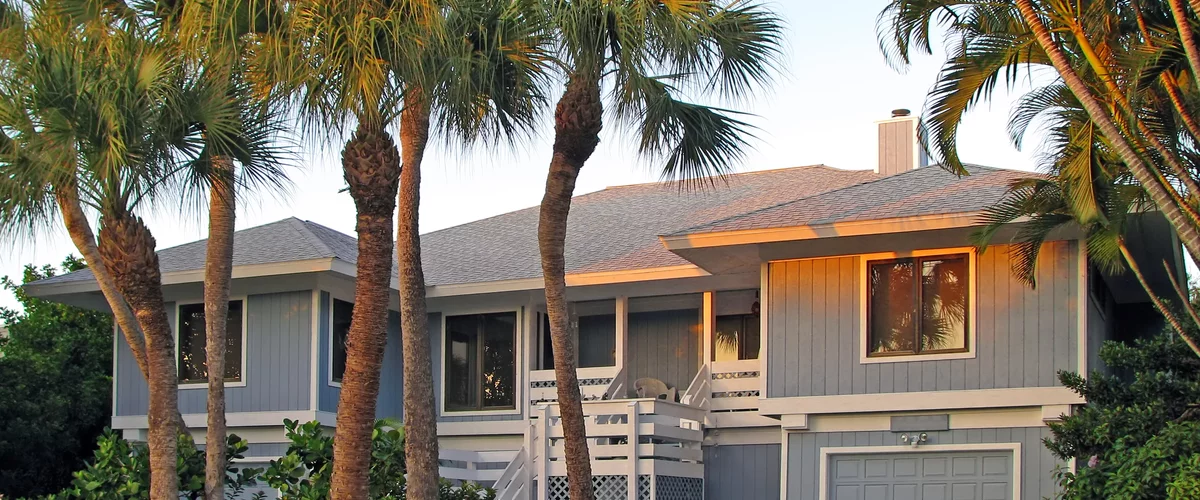
Impact windows use laminated glass bonded to a polymer interlayer inside reinforced frames. When debris strikes, the glass may crack but the interlayer holds, keeping your home sealed. Here's how they work, what they cost, and whether you need them.
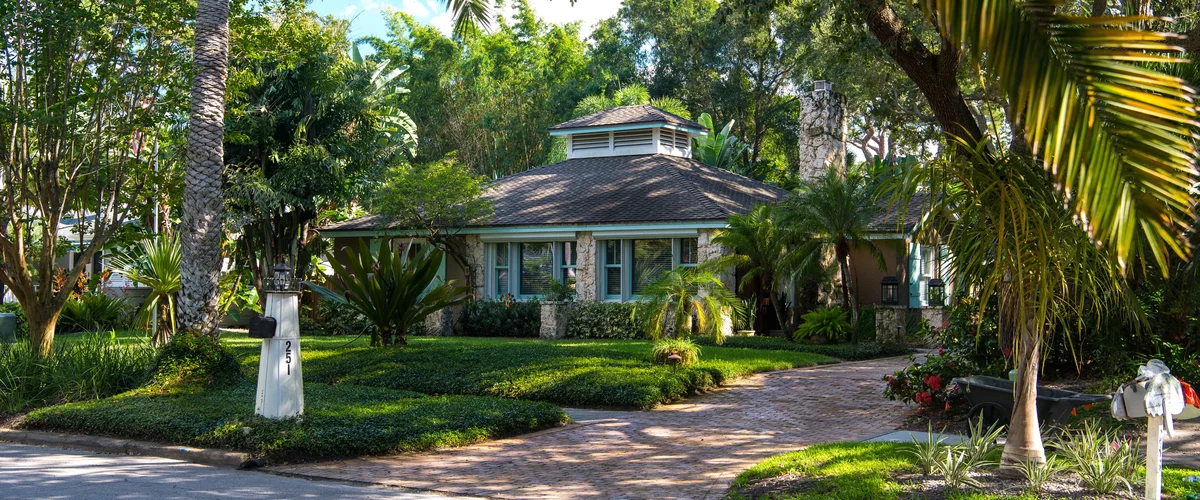
My Safe Florida Home is a grant, not a loan. Free wind mitigation inspections plus up to $10,000 for impact windows, doors, shutters, and roof upgrades. Who qualifies, how to apply, what changed for 2026-2027.

Impact windows are a smart upgrade in Palm Beach, but the install isn’t plug-and-play. Avoid the five mistakes that waste money and weaken protection: wrong ratings, the wrong installer, skipped permits, poor energy choices, and rushed timelines that collide with hurricane season.

Florida’s High Velocity Hurricane Zone (HVHZ) designation enforces stringent building requirements—175+ mph wind ratings, impact‐resistant windows and doors, reinforced roofs and framing—in Miami-Dade and Broward Counties. Compliance lowers insurance costs and boosts home value.
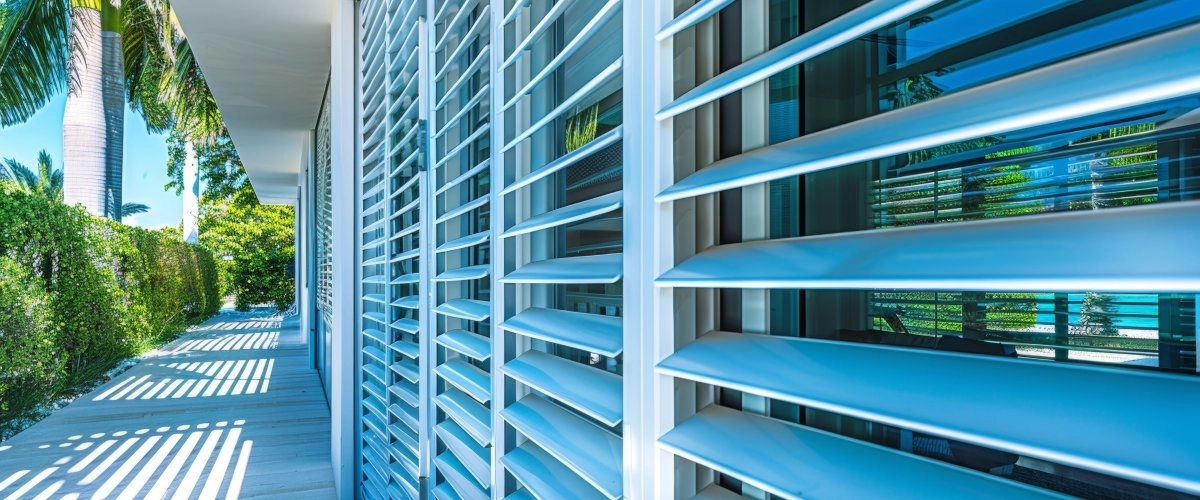
Impact windows and hurricane shutters both protect Florida homes from wind-borne debris, but they differ sharply in protection level, convenience, long-term cost, and daily livability. Here's the data-driven breakdown.