
The Strictest Standard in the Country
If you own a home in Miami-Dade County, every window and door replacement you make must meet the highest building product standards in the United States. No other jurisdiction in the country requires what Miami-Dade requires.
This isn't optional. It isn't a recommendation. It's the law, and it's enforced through the permit and inspection process. Installing a product without the proper certification can result in permit denial, fines up to $250/day, forced removal, property liens, and voided insurance coverage.
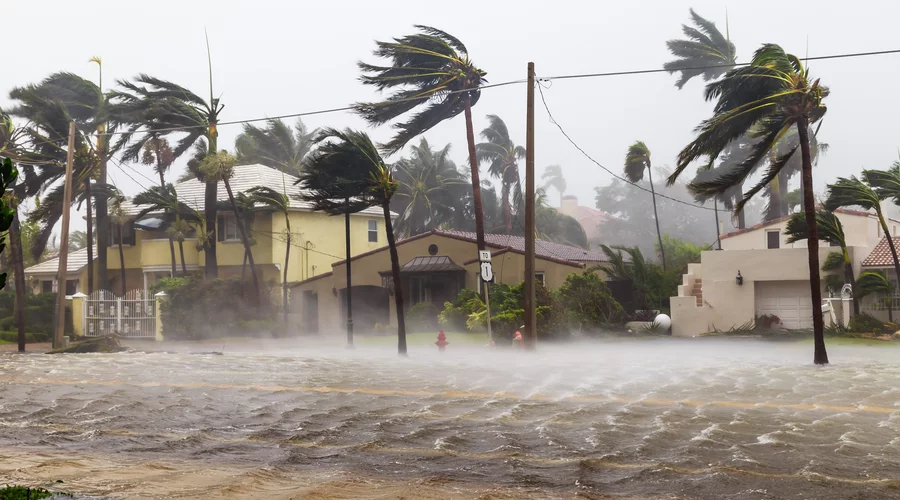
But the standard exists for a reason. Hurricane Andrew destroyed 63,500 homes in Miami-Dade in 1992 because standard windows couldn't stop wind-borne debris. The building code that followed created the HVHZ and the impact window product category. And after Hurricanes Helene and Milton (2024), zero post-FBC homes were destroyed across 358 assessed structures.
The code works. This guide explains exactly what it requires for Miami-Dade homeowners.
The NOA Requirement
What Is a Miami-Dade NOA?
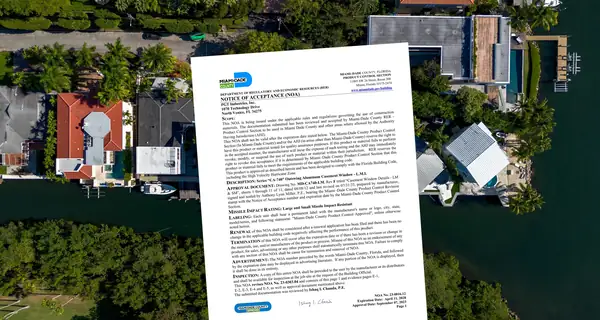
The Notice of Acceptance (NOA) is Miami-Dade County's product certification for building components used in the HVHZ (High Velocity Hurricane Zone). It is the strictest product approval in the United States.
To earn a Miami-Dade NOA, a manufacturer must:
- Submit the product to a Miami-Dade-approved testing laboratory
- Pass TAS 201 (missile impact): a 9-lb 2x4 lumber section fired at 50 fps from a pneumatic cannon at the glass, with structural shots near corners and frame junctions
- Pass TAS 203 (cyclic pressure): the impacted specimen must survive 9,000 cycles of alternating positive and negative pressure at 1.5x rated design pressure
- Meet the tear tolerance standard: after all testing, the interlayer tear cannot exceed 5 inches long and 1/16 inch wide
- Submit engineering documentation, quality assurance protocols, and factory inspection records
- Receive the NOA number from the Miami-Dade Product Control Division
- Renew annually with factory inspections and market surveillance testing
The entire process spans 6-12 months and costs manufacturers $15,000-$50,000 per product for testing alone. These costs are passed through in the product pricing, which is why HVHZ products cost 10-20% more than equivalent Florida Product Approval products.
Why the NOA Matters More Than Florida Product Approval
The critical distinction is the tear tolerance:
| Standard | Allowable Tear After Testing | Where Accepted |
|---|---|---|
| Miami-Dade NOA (TAS) | 5" x 1/16" | All of Florida + most U.S. hurricane jurisdictions |
| Florida Product Approval (ASTM) | 5" x 3" | Non-HVHZ Florida only |
That's a 48x difference in allowable tear width. A product that passes the Florida standard with a 2-inch tear would catastrophically fail the HVHZ standard. This is not a minor technicality. It's a fundamental difference in how much damage the product can sustain while still preventing wind entry.
A product with only a Florida Product Approval cannot be installed in Miami-Dade County. Full stop. The permit will be denied. If installed without a permit, it will fail inspection, and you'll be required to remove and replace it with an NOA-certified product at your own expense.
How to Verify an NOA
Before signing any contract, verify that every product being specified carries a current Miami-Dade NOA:
- Ask your installer for the NOA number for each product
- Check it at the Miami-Dade Product Control search
- Verify the NOA is current (not expired) and covers the specific product configuration being installed (size, frame material, glass type)
- NOAs are product-specific. A manufacturer may have an NOA for their aluminum single-hung but not for their vinyl casement. Each configuration must be individually certified.
Products That Qualify
Not every manufacturer offers HVHZ-certified products. Here are the major manufacturers with Miami-Dade NOA-approved product lines:
| Manufacturer | HVHZ Product Lines | Max DP | Notable Features |
|---|---|---|---|
| PGT | WinGuard Aluminum, WinGuard Vinyl, Sparta | +90/-130 (alum), +65/-70 (vinyl) | Most NOA certifications in the industry; 3M+ units installed |
| ES Windows (Tecnoglass) | Elite, Prestige, Commercial | +80/-80 (Elite), +80/-90 (Prestige) | Low-E and Kynar standard; 5-6 week delivery; ~20% below PGT |
| ECO Window Systems | Full catalog (Series 50-1500) | +105/-115 (Series 760 SGD) | Most affordable; Miami-based manufacturing |
| WinDoor | 8100 SGD, 9000 Series, Estate | +125/-150 (8100 SGD), +110/-195 (Estate casement) | Luxury/premium; highest DP ratings in residential market |
| CWS (Pella) | Hurricane Guard (aluminum) | +67.5/-100 | Aluminum only for HVHZ; StormStrong vinyl is NOT HVHZ-approved |
| EAS | Bertha (vinyl), 2000/3000 (aluminum) | +60/-60 (Bertha) | Bertha: only vinyl with Good Housekeeping Seal; HVHZ-approved |
Important: CWS StormStrong Vinyl (DP +/-50) is explicitly not HVHZ-approved. If your installer quotes CWS vinyl for a Miami-Dade project, that's a red flag.
For a detailed comparison of aluminum vs. vinyl frame materials and pricing by manufacturer tier, see our dedicated guides.
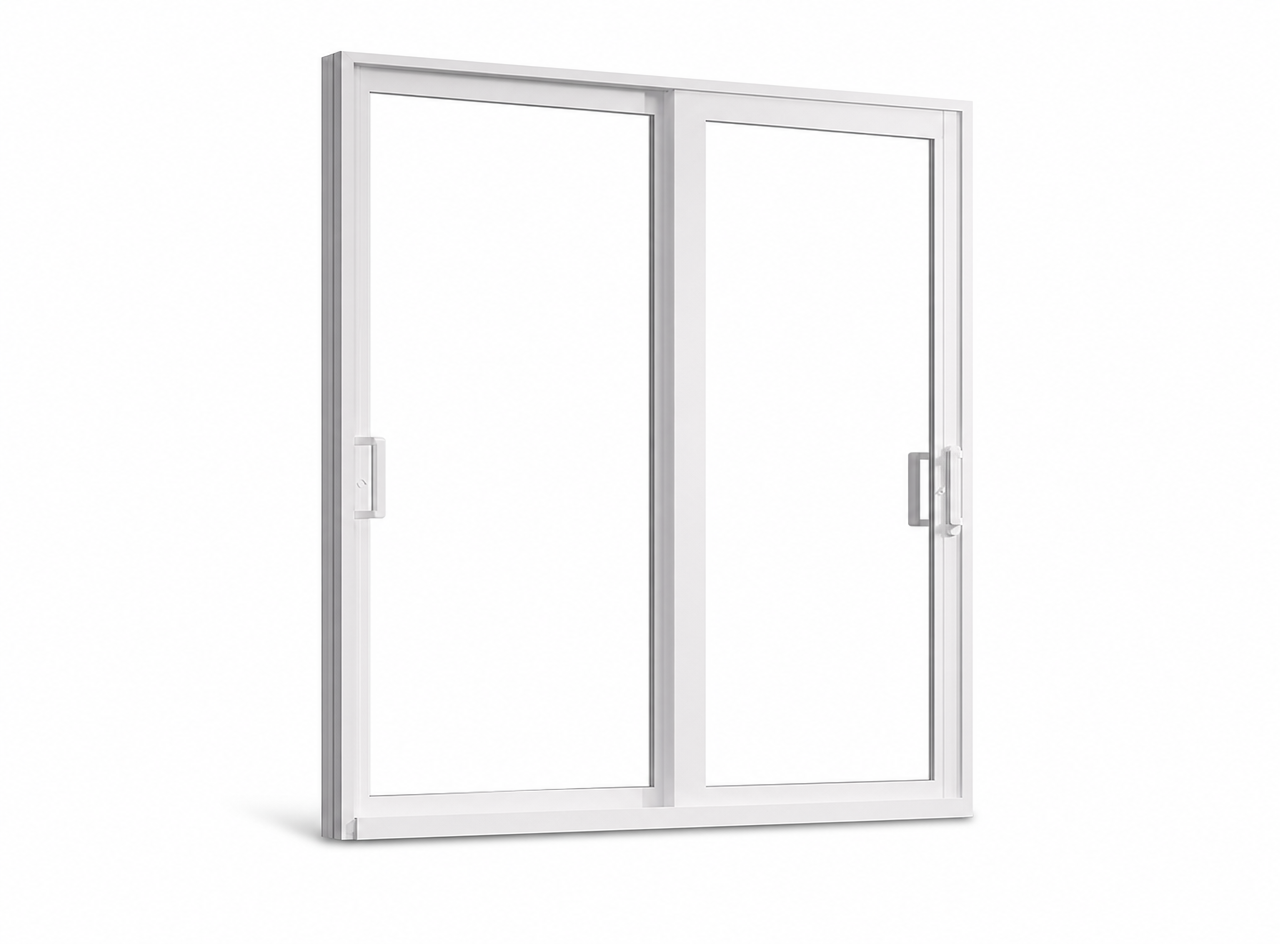
 Manufacturer · Venice, FL
PGT Custom Windows & Doors
57 models across 7 lines
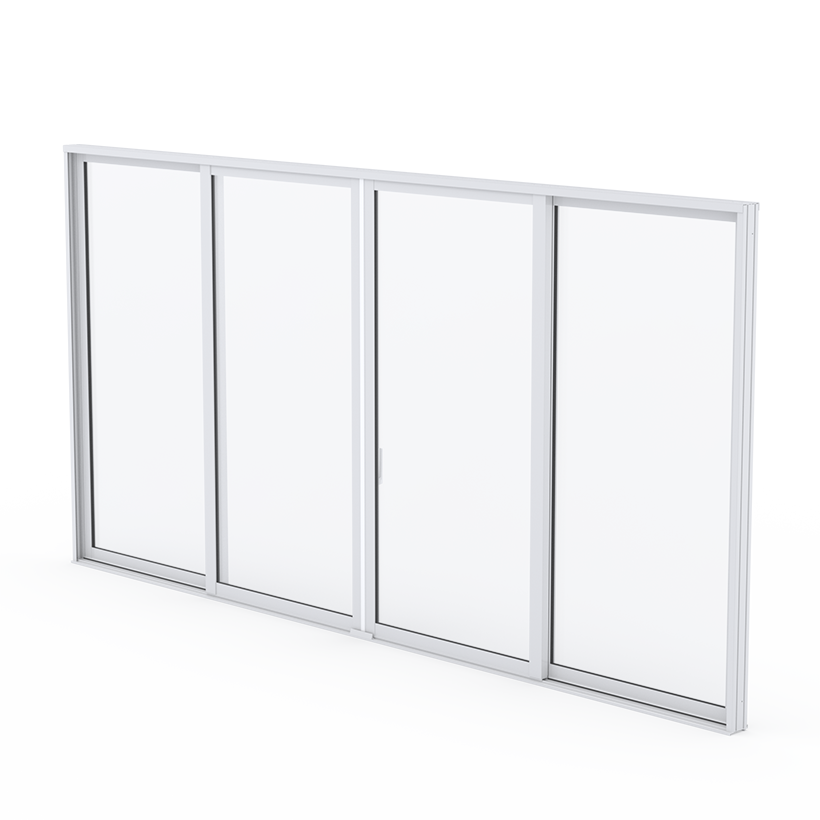
 Manufacturer · Barranquilla
ES Windows
145 models across 9 lines
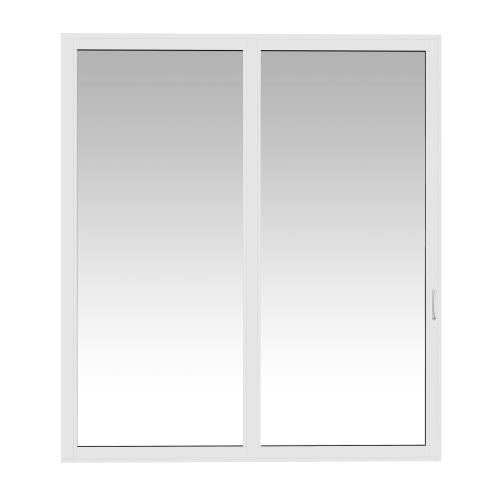
 Manufacturer · Medley, FL
ECO Window Systems
41 models across 10 lines
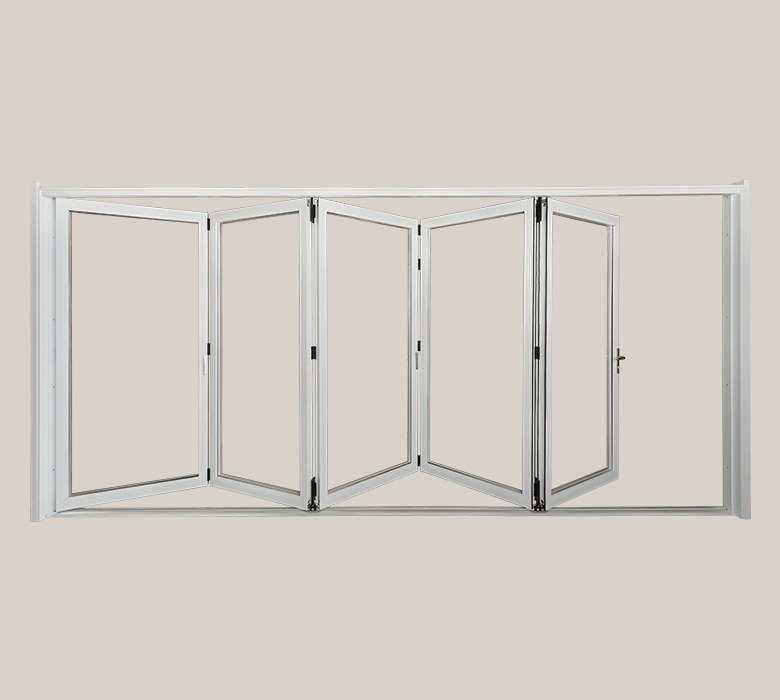
 Manufacturer · Orlando, FL
WinDoor
9 models
 Manufacturer · Ocala, FL
Custom Window Systems
52 models across 6 lines
 Manufacturer · Fort Myers, FL
Eastern Architectural Systems
18 models across 6 lines
The HVHZ Exposure Rule
Miami-Dade prohibits Exposure Category B entirely. All structures must use Exposure C as the minimum, regardless of how developed the surrounding terrain is.
In the rest of Florida, a home surrounded by mature trees and neighboring buildings might qualify for Exposure B (lowest pressure multiplier). In Miami-Dade, the same home must be designed to Exposure C, which increases the required design pressure for every window by approximately 25-40% compared to Exposure B.
Why? Because hurricanes strip vegetation. The trees and buildings that justified Exposure B before the storm may not exist during the storm. Miami-Dade's conservative approach assumes worst-case terrain conditions, and the performance data from every major hurricane validates this conservatism.
The practical impact: higher design pressure requirements mean you need products with higher DP ratings, which tend to be sturdier (heavier frames, thicker glass) and more expensive. A window that's adequate at DP-40 in Exposure B might need DP-55 or DP-65 in Exposure C for the same opening, pushing you into a higher product tier.
The Permit Process in Miami-Dade
What You Need
| Document | Purpose |
|---|---|
| Current NOA for each product | Proves product is HVHZ-certified |
| Product specifications and engineering calculations | Shows the product meets DP requirements for each specific opening |
| Installation details matching NOA specifications | Fastener type, spacing, edge distance, and embedment depth must match the NOA |
| Licensed contractor information | Must hold a valid Florida CGC, CBC, CRC, or SG license |
| Permit application and fee | Filed with the Miami-Dade Building Department |
Permit Fees
Fees depend on which building department issues your permit; there is no single Miami-Dade rate.
- Unincorporated Miami-Dade: a like-for-like window and door changeout falls under the county's residential hardening provision (Implementing Order IO-04-63): a flat $130 permit fee effective June 30, 2025, the first increase in more than 17 years. With the application fee and surcharges, a $30,000 job totals about $187. Resized or new openings price under a different section with a $147 residential minimum.
- Cities run their own schedules. Under the adopted schedules in our permit fee dataset, the same $30,000 job runs from about $150 in the City of Miami (0.5% of value) to $900 in Homestead (3.0%), with Hialeah pricing per opening ($12 each, $180 minimum), Miami Beach at 1.7%, Coral Gables at 2.0%, and Doral at 2.5%.
Formulas, surcharges, and every verified jurisdiction are in our Florida window permit cost guide.
Timeline
- Permit review: 2-6 weeks (FBC Section 105.3.1 targets 30 working days for complete applications)
- At least one inspection must pass within 180 days of permit issuance to keep the permit active
- Final inspection verifies: product model numbers match the permitted products, labels/stickers are present and readable (do NOT remove manufacturer labels before inspection), fastener patterns match NOA specs, and proper sealant application
Common Permit Issues
Expired NOA. If the manufacturer's NOA lapsed between when you ordered and when the inspector arrives, the product is technically non-compliant. Your installer should verify NOA currency at the time of installation, not just at the time of ordering.
Wrong fastener type or spacing. The NOA specifies exact fastener requirements. Using the wrong screw type, spacing, or embedment depth is a fail. Inspectors may back out sample screws to verify type and embedment.
Missing labels. Manufacturer product labels on the window frame are how the inspector verifies the product matches the permit. If labels have been removed (sometimes by painters or cleaners), the inspection will fail. Do not remove labels until after the final inspection passes.
Neighborhoods and Their Specific Challenges
Coral Gables (Board of Architects)
Coral Gables has one of the strictest architectural review processes in South Florida. The city's Board of Architects reviews exterior modifications for compliance with the Mediterranean Revival architectural character that defines the City Beautiful.
Impact window implications:
- Window profile changes (frame depth, sightline width, muntin patterns) may require Board approval
- Color must match or complement existing architecture
- Replacement windows that alter the exterior appearance from the street require a formal application
- The Board process adds 2-4 weeks to the project timeline on top of the standard building permit
Practical advice: Choose impact windows with frame profiles and finishes that closely match your existing windows. PGT WinGuard
 PGT
WinGuard Aluminum Series
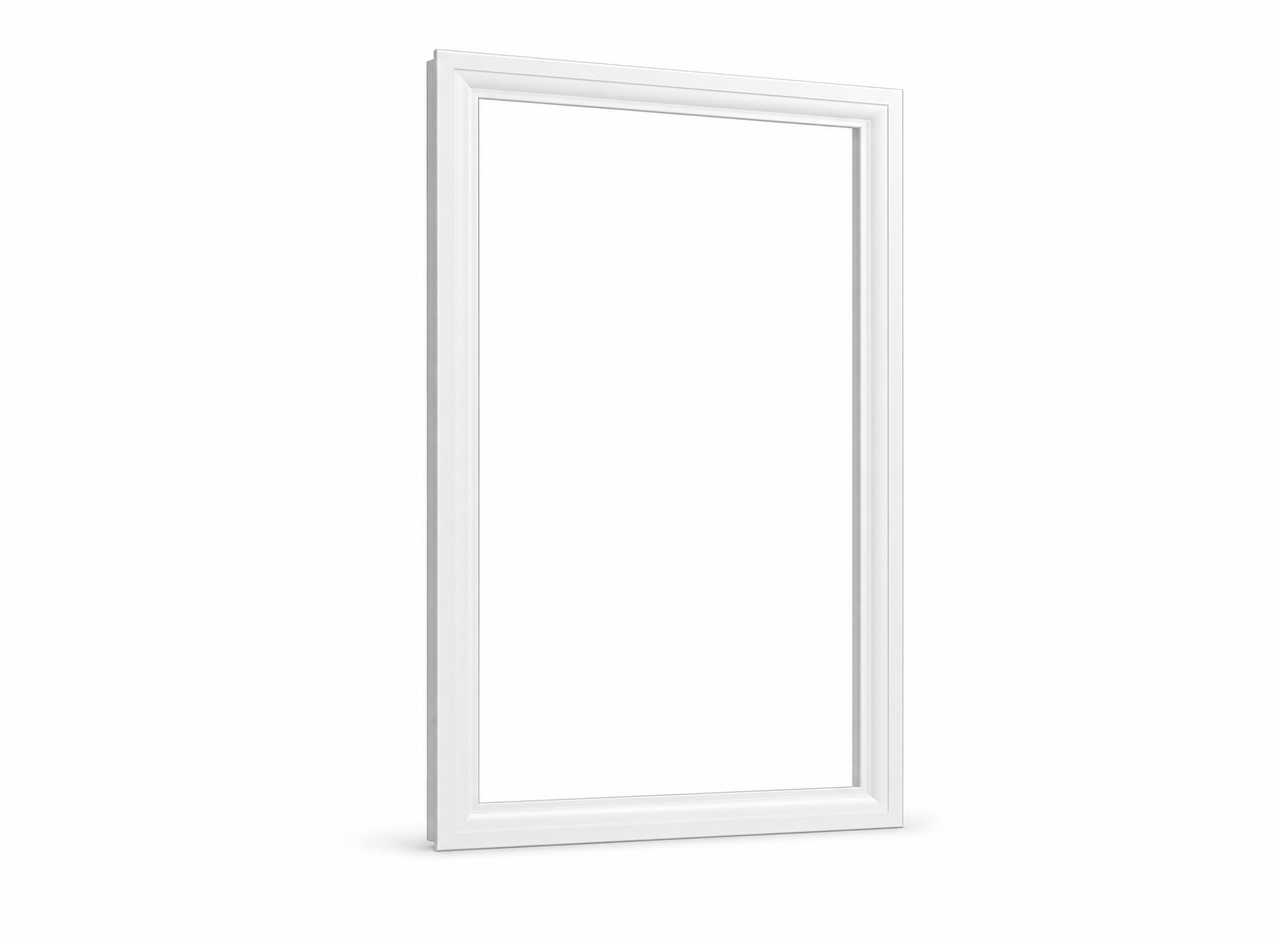
PGT's flagship aluminum impact platform since 1998, with one of the deepest Miami-Dade NOA libraries in the industry. Single hung through sliding doors on one HVHZ-certified frame system.
HVHZ-approved across the series 11 models in the series
Explore the WinGuard Aluminum Series
and ES Windows Elite
PGT
WinGuard Aluminum Series
PGT's flagship aluminum impact platform since 1998, with one of the deepest Miami-Dade NOA libraries in the industry. Single hung through sliding doors on one HVHZ-certified frame system.
HVHZ-approved across the series 11 models in the series
Explore the WinGuard Aluminum Series
and ES Windows Elite
 ES Windows
Elite Series
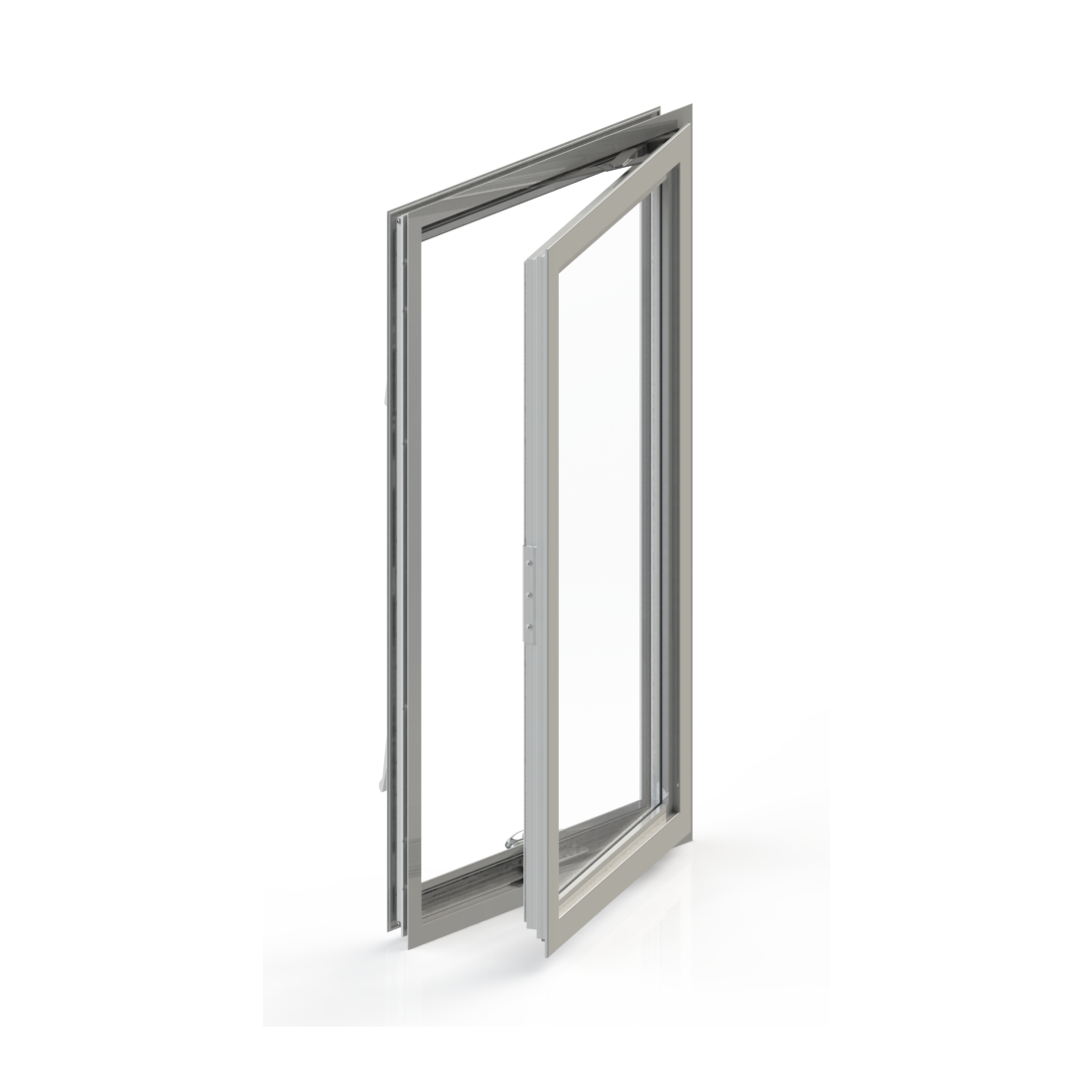
Mid-tier aluminum impact line for residential builders, with current 2023 FBC Miami-Dade NOAs across casement, single hung, fixed, sliding window, French door, and SGD.
HVHZ-approved across the series 8 models in the series
Explore the Elite Series
both offer multiple frame colors and profile options that typically satisfy Board requirements. Your installer should be experienced with the Coral Gables Board process.
ES Windows
Elite Series
Mid-tier aluminum impact line for residential builders, with current 2023 FBC Miami-Dade NOAs across casement, single hung, fixed, sliding window, French door, and SGD.
HVHZ-approved across the series 8 models in the series
Explore the Elite Series
both offer multiple frame colors and profile options that typically satisfy Board requirements. Your installer should be experienced with the Coral Gables Board process.
Miami Beach (Art Deco Historic District)
Miami Beach's Art Deco Historic Preservation Board oversees modifications in the Art Deco, Mediterranean, and MiMo (Miami Modern) historic districts. These districts include much of South Beach, parts of Mid-Beach, and areas of North Beach.
Impact window implications:
- Original window proportions, muntins, and sightlines may need to be maintained
- Clear anodized or white aluminum frames are typical for Art Deco buildings
- Architectural windows (custom shapes, radius tops, porthole windows) require specialized impact-rated products
- Historic overlay review adds 4-8 weeks to the process
Practical advice: Engage the Historic Preservation Board early. Their requirements are specific and non-negotiable. ECO Window Systems has experience with historic district projects in Miami Beach, and their aluminum catalog includes the profile options needed for most Art Deco applications.
Brickell and Downtown Miami (High-Rise)
Brickell's skyline of high-rise condominiums presents unique challenges:
- Threshold building inspections required for window replacement above the third floor (Florida Statute 553.79)
- A licensed Professional Engineer (P.E.) must serve as Special Inspector
- Higher DP requirements due to building height (upper floors experience higher wind pressure per the velocity pressure coefficient Kz)
- Condo association approval required before individual unit modifications
- Access logistics (elevator booking, staging, exterior scaffolding) add cost
Products for high-rise: WinDoor specializes in the luxury high-rise market, with the 8100 SGD rated to +125/-150 PSF and the Estate casement to +110/-195 PSF. ES Windows' Commercial line (Models 500Y, PH-4400
ES Windows · Commercial & Architectural Series
ES Windows PH-4400 Single Hung Window
ES Windows ES Windows PH-4400 Single Hung Window — Single-Hung Window
Corrosion-resistant aluminum frame
See single-hung window details
) rates to +100/-140 PSF. These extreme DP ratings are often necessary for upper-floor corner units.
Aventura (High-Rise Condos)
Similar to Brickell, Aventura's high-rise condo inventory requires threshold inspections, high-DP products, and condo association coordination. Aventura's building department is known for thorough enforcement.
Hialeah (Strict Enforcement)
Hialeah has a reputation for rigorous permit review and inspection enforcement. Projects here benefit from experienced installers who know the local building department's expectations and can ensure first-pass inspection success.
Homestead and South Dade (Andrew's Ground Zero)
Southern Miami-Dade was Andrew's impact zone. Many homes rebuilt after 1994 already have impact protection, but homes that survived Andrew with minimal damage may still have original non-impact windows. These older homes are prime candidates for HVHZ-compliant upgrades, and the My Safe Florida Home program provides grants up to $10,000.
Doral and West Miami-Dade (Newer Construction)
Much of Doral and western Miami-Dade was built after 2002 under the modern FBC. These homes typically already have impact windows, but first-generation impact products (2002-2008 era) are now 18-24 years old and approaching the end of their lifespan. Replacement projects on these homes are a growing segment of the Miami-Dade market.
Cost: The HVHZ Premium
HVHZ-certified products cost approximately 10-20% more than equivalent products with only a Florida Product Approval. For a typical whole-home project:
| Home Size | Non-HVHZ Market | Miami-Dade HVHZ | HVHZ Premium |
|---|---|---|---|
| Small (8-10 openings) | $12,000-$20,000 | $14,000-$24,000 | +$2,000-$4,000 |
| Average (12-15 openings) | $20,000-$35,000 | $24,000-$42,000 | +$4,000-$7,000 |
| Large (18-25 openings) | $35,000-$55,000 | $42,000-$66,000 | +$7,000-$11,000 |
The premium comes from three sources: stricter testing requirements (manufacturers pass through NOA certification costs), mandatory Exposure C (higher DP products needed), and higher labor and permit costs in Miami-Dade.
For detailed pricing by window type, frame material, and manufacturer, see our impact windows cost guide.
Insurance Savings in Miami-Dade
Miami-Dade homeowners pay among the highest insurance premiums in the state, which means the savings from impact windows are also the highest.
| Property | Annual Premium | Savings with Full HVHZ Compliance |
|---|---|---|
| Coastal Miami-Dade, $500K home | $8,000-$12,000 | $1,500-$3,500/year |
| Inland Miami-Dade, $400K home | $5,000-$8,000 | $1,000-$2,200/year |
| Miami Beach condo, $700K | $6,000-$10,000 | $1,200-$2,800/year |
| Homestead, $350K home | $4,000-$6,000 | $800-$1,500/year |
At $1,500-$3,500/year in savings for a coastal home, the HVHZ premium ($4,000-$7,000 for a typical project) pays for itself in 2-4 years of insurance savings alone, before energy savings ($500-$800/year) and property value increase (7-10%) are factored in.
When all wind mitigation categories are maximized (impact windows/doors, hip roof, roof-to-wall connections, secondary water resistance, roof deck attachment, impact garage door), total windstorm premium discounts can reach up to 88%.
Next Steps
- Verify your products. If you've already received quotes, check that every product carries a current Miami-Dade NOA. Ask for the NOA number in writing.
- Get a free estimate with HVHZ-compliant product recommendations matched to your neighborhood's specific requirements (Coral Gables Board, Miami Beach Historic, high-rise threshold inspections).
- Factor in the full ROI. The 10-20% HVHZ premium pays for itself in 2-4 years through insurance savings alone. Over 20 years, HVHZ compliance is net-positive by $30,000-$70,000+.
- Check MSFH eligibility for grants up to $10,000. Financing options including PACE ($0 down, income-verified approval) are available for the balance.
- If replacing first-generation impact windows (2002-2008 era), the replacements must meet current NOA standards, which may be different from the standards the original windows were certified under. Product specifications have tightened over 20+ years of code updates.