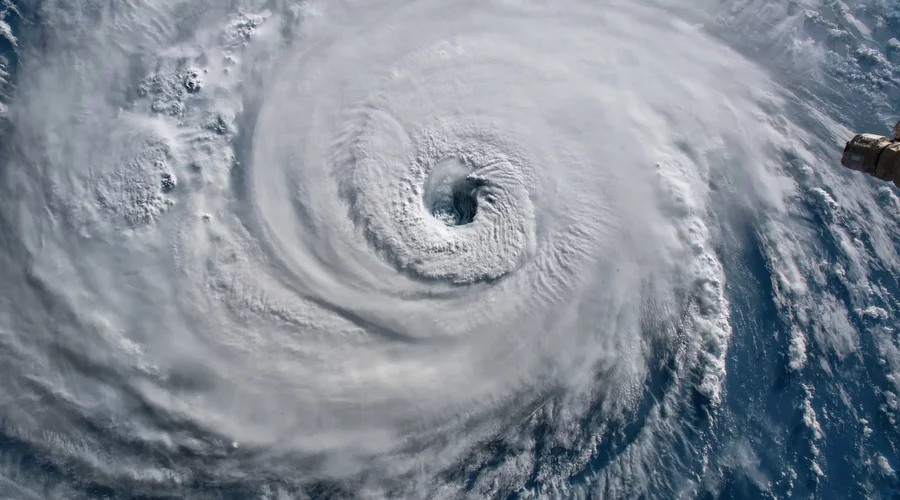

Hurricane season in Florida runs from June 1 through November 30. That is six months of exposure, and in any given year, it only takes one storm to change everything.
Hurricane Andrew destroyed 63,500 homes in 1992 and caused $27.3 billion in damage. The 2004 season (Charley, Frances, Ivan, and Jeanne) produced more than $60 billion in combined losses. Hurricane Ian in 2022 became the costliest storm in Florida history at $113 billion. And Hurricane Milton in 2024 demonstrated the terrifying reality of rapid intensification, gaining 95 mph of wind speed in just 24 hours.
The pattern is clear: storms are getting more expensive, and they are giving homeowners less time to react.
But here is the other side of that data. The Insurance Institute for Business & Home Safety (IBHS) studied 455 homes built to modern Florida Building Code standards after Hurricane Ian. Among those homes, zero had structural wind damage. FEMA has found that every $1 spent on hazard mitigation saves $6 in avoided losses, and some analyses put that figure as high as $13.
Preparation works. But it has to be done before the storm forms. This guide covers every step, from hardening your home to filing your insurance claim after the storm passes.
Why This Year Matters
Colorado State University's April 2026 forecast projects 13 named storms, 6 hurricanes, and 2 major hurricanes for the 2026 Atlantic season. Those numbers sit above the 30-year average. Sea surface temperatures in the Atlantic Main Development Region remain elevated, and La Nina conditions continue to suppress wind shear, the same pattern that fueled the hyperactive 2024 and 2025 seasons.
The time to prepare is now, while the forecast cones are empty and contractors are available.
Home Protection Checklist
Your home's building envelope (the roof, walls, windows, doors, and every other opening) is a pressure system during a hurricane. When that system stays sealed, the structure can handle extraordinary wind loads. When it fails at even a single point, the consequences cascade.
The Envelope Breach Cascade
This is the physics that drives everything else on this checklist. When a window breaks during a hurricane, wind rushes into the home and pressurizes the interior with 30-60 PSF (pounds per square foot) of force. At the same time, the wind moving over the roof creates 40-80 PSF of suction pulling upward. Those forces combine to produce 70-140 PSF of total uplift on the roof structure from the inside.
That is how roofs get torn off homes that otherwise survived intact. One broken window starts the chain. For a full breakdown of every component in priority order, see our guide on how to hurricane proof your house in Florida.
Windows
Impact windows are the single most effective upgrade you can make to your home's hurricane resistance. Unlike shutters, they require zero deployment. They are always ready, whether you are home or not, whether the storm arrives at 2 AM or while you are stuck in evacuation traffic 200 miles away.
Impact glass is designed to crack but stay in the frame, keeping the building envelope sealed. That eliminates the pressure cascade described above. If you already have hurricane shutters, they protect the opening as well, but only when deployed. For a detailed comparison, see our guide to impact windows vs. hurricane shutters.
Every window in your home must be protected. A single unprotected opening voids the full opening-protection insurance credit.
Doors
Your doors are part of the same pressure envelope as your windows. Impact entry doors resist both wind pressure and large missile impact. Impact sliding glass doors are especially critical because of their size; a standard 6-foot slider presents a massive opening if breached. French doors need the same level of protection.
Garage Doors
The garage door is the largest unprotected opening in most Florida homes, and it is frequently the weakest link. A standard residential garage door can fail at wind speeds well below hurricane force, and when it does, the garage acts as a wind scoop that pressurizes the entire structure.
A hurricane-rated garage door is not optional in Florida. For a full breakdown of ratings, costs, and what to look for, see our hurricane garage door guide.
Roof
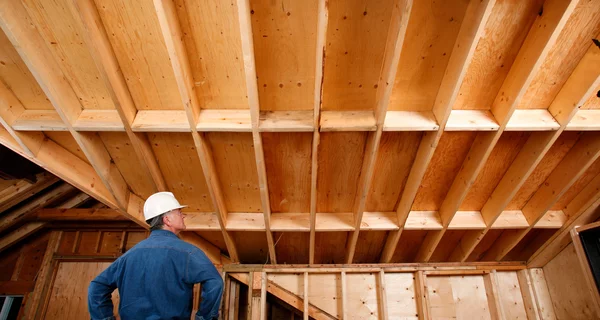
Your roof-to-wall connections determine whether your roof stays attached during a hurricane. There are two basic types: clips and straps. Straps wrap over the truss and are significantly stronger. If your home was built before the 2002 Florida Building Code updates, you may have toe-nailed connections (nails only, no metal hardware), which offer the least resistance to uplift.
A secondary water barrier (also called a sealed roof deck) prevents water intrusion even if shingles or tiles are torn off. This is a separate line item on the wind mitigation inspection form, and it earns its own insurance discount.
If you are unsure about your roof connections or secondary water barrier, a wind mitigation inspection will document exactly what you have and what you need.
Trees and Landscaping
Dead branches become projectiles in hurricane-force winds. Trim all dead or overhanging branches well before hurricane season. Any tree within fall distance of your home, garage, or power lines should be evaluated by a certified arborist. Removing a tree is far cheaper than repairing the structural damage it causes when it falls.
Outdoor Items
Patio furniture, grills, planters, pool equipment, trampolines, basketball hoops: anything not anchored to the ground becomes a missile in sustained winds above 75 mph. Your plan should include bringing all loose items inside or securing them with rated anchors. Do not assume they are "heavy enough" to stay put.
Emergency Supply Kit
Grocery stores, gas stations, and pharmacies will be closed after a major hurricane. ATMs and credit card readers will be down. Water treatment plants may lose power. You need to be self-sufficient for a minimum of three days, and you should plan for seven.
Build this kit before June 1 and check it once a month during hurricane season.
Water
One gallon per person per day, minimum three days, recommended seven days. A family of four needs 28 gallons for a full week. Do not forget water for pets. Store water in a cool, dark place and replace it every six months.
Food
Seven days of non-perishable food per person. Canned goods, dried fruit, nuts, peanut butter, crackers, energy bars. Include a manual can opener; an electric one is useless without power. Avoid foods that require significant water to prepare.
Medications
A 14-day supply of all prescription medications. If your insurance only covers 30-day fills, request the refill two weeks early. Some pharmacies will honor early fills during declared hurricane watches. Keep medications in their original labeled containers.
First Aid Kit
Bandages, antiseptic, gauze, medical tape, pain relievers, anti-diarrheal medication, tweezers, scissors, and any specific medical supplies your family needs. Include a first aid manual.
Lighting
Flashlights with extra batteries for each family member. A battery-powered or hand-crank lantern. Do not use candles; they are a fire hazard in a storm-damaged home with potential gas leaks. LED headlamps are ideal because they keep your hands free.
Communication
A battery-powered or hand-crank NOAA Weather Radio is essential. Cell towers may be down, internet will be out, and social media will be full of unverified information. NOAA Weather Radio broadcasts directly from the National Weather Service with real-time storm updates for your specific area.
Cash
ATMs and credit card terminals require power and internet. Keep cash in small bills; vendors after a storm often cannot make change. $200-$500 is a reasonable amount to have on hand.
Important Documents
Place the following in a waterproof bag or container that can be grabbed in 10 minutes:
- Insurance policies (homeowners, flood, auto)
- Photo IDs and passports
- Property deeds and mortgage documents
- Medical records and prescription lists
- Social Security cards
- Vehicle titles and registration
- A recent home inventory (see the Insurance Checklist below)
Electronics
Fully charged portable battery packs for phones. A car charger as a backup. If you own a generator, ensure it is tested, fueled, and stored properly, and never run it indoors or in an enclosed garage.
Additional Supplies
- Garbage bags (heavy duty) and plastic sheeting
- Duct tape
- Basic tools: wrench, pliers, screwdriver set
- Whistle (to signal for help if trapped)
- Dust masks
- Work gloves
- Pet supplies: food, water, medications, carrier, vaccination records (required for shelters)
- Infant supplies if applicable: formula, diapers, wipes, bottles
Insurance Checklist
Florida's insurance market is the most expensive in the nation. The average homeowners premium hit $14,140 in 2024 and is projected to reach $15,460 in 2025, roughly triple the national average. That makes every available discount worth pursuing, and it makes understanding your policy a financial necessity.
Do this work before hurricane season. During an active storm warning, your agent is overwhelmed and you cannot make changes.
Review Your Policy
Read your declarations page. Know your dwelling coverage amount, your personal property coverage, and, critically, your hurricane deductible.
A standard hurricane deductible in Florida is 2-5% of your dwelling coverage. On a $500,000 home, that means $10,000 to $25,000 comes out of your pocket before insurance pays anything. This is separate from your standard deductible and applies only to named hurricanes.
Wind Mitigation Inspection
The wind mitigation inspection (form OIR-B1-1802, updated April 2026) documents your home's hurricane resistance features. The inspection is valid for five years and typically costs $75-$150. The discounts it generates can save you $500-$3,500 per year.
The opening-protection credit is the single largest item on the form. When ALL openings (every window, door, skylight, and garage door) are protected with impact-rated products or approved shutters, you qualify for a 30-45% discount on the windstorm portion of your premium. One unprotected opening and you lose the full credit. See our full breakdown of how impact windows reduce insurance costs.
Document Your Home
Walk through every room of your home with your phone recording video. Open cabinets, closets, and drawers. Record serial numbers on electronics and appliances. This takes 20-30 minutes and will save you weeks of frustration if you need to file a claim. Store the video in cloud storage so it survives even if your phone does not.
Flood Insurance
Standard homeowners insurance does not cover flood damage. This catches homeowners off guard every single hurricane season. Flood damage includes storm surge, rising water, and rain-driven water that enters from ground level.
Flood insurance is available through the National Flood Insurance Program (NFIP) and some private carriers. The critical detail: NFIP policies have a 30-day waiting period from purchase to coverage start. If you wait until a storm is in the forecast, it is too late.
Recent Legislative Changes
Florida's SB 2A reforms have reshaped the insurance market. Assignment of Benefits (AOB) abuse has been banned, one-way attorney fee provisions have been eliminated, and the market is stabilizing. Citizens Property Insurance has depopulated over 546,000 policies back to the private market. These changes are reducing fraud-driven premium increases, but premiums remain high and proper mitigation is still the most reliable path to lower costs.
Evacuation Plan
Not every hurricane requires evacuation, but when one does, the decision must be made early. Highway congestion during mandatory evacuations turns a 4-hour drive into 12-16 hours. Gas stations run dry. Hotels fill up. Waiting for the mandatory order means you are already behind.
Know Your Zone
Florida divides coastal and flood-prone areas into evacuation zones (A through E, with A being the highest risk). Find your zone at floridadisaster.org/knowyourzone. Your zone determines whether you will receive a mandatory evacuation order for a given storm category. Know it before the first storm of the season.
Map Multiple Routes
Your primary evacuation route, typically the nearest interstate, will be congested. Identify at least two alternatives using state highways and secondary roads. Program them into your phone's GPS but also print paper maps. Cell service may be unavailable during peak evacuation.
Identify Shelters and Hotels
Locate pet-friendly shelters and hotels along each route. Most public shelters do not accept pets outside of designated pet-friendly facilities. If you have large animals (horses, livestock), plan their evacuation separately and early; trailer availability drops fast.
Vehicle Preparedness
During hurricane season, never let your fuel tank drop below half. Fill up completely when a storm enters the Gulf or western Atlantic. Keep your vehicle registration and insurance documents in the car.
Special Needs
If anyone in your household requires medical equipment, mobility assistance, or other special accommodations, register with your county's Special Needs Registry through your local emergency management office. This ensures you receive priority evacuation assistance and placement in a medically equipped shelter.
Go Bag
Pack a single bag that can be grabbed in 10 minutes. It should contain your waterproof documents bag, three days of medications, phone chargers, a change of clothes for each person, cash, and a printed copy of your evacuation routes and contact numbers. Keep it near the front door during hurricane season.
Communication Plan
Designate an out-of-area contact person, someone outside the storm's potential path who can serve as a central point of communication for your family. After a storm, local calls often fail while long-distance calls get through.
Before the Storm: The 72-48-24 Hour Countdown
When a hurricane enters the forecast cone for your area, preparation shifts from planning to execution. This timeline assumes you have already completed the checklists above.
72 Hours Out
- Review your hurricane plan with all household members
- Check your supply kit and replace anything expired or missing
- Fill all prescriptions; pharmacies will be overwhelmed at 48 hours
- Fuel all vehicles completely
- Withdraw cash from ATM
- Confirm your evacuation route and destination
48 Hours Out
- Deploy hurricane shutters if you do not have impact windows
- Bring in all outdoor furniture, decorations, and loose items
- Fill bathtubs with water for non-drinking use (flushing toilets, cleaning)
- Fill freezer space with water bottles; they keep food cold longer if power goes out and provide drinking water as they melt
- Secure boats, trailers, and any large outdoor items
- Do final load of laundry (you want clean clothes ready)
- Charge all rechargeable batteries and devices
24 Hours Out
- Charge all phones, tablets, and battery packs to 100%
- Final check: all outdoor items secured or inside
- Confirm evacuation route one more time; roads may already be closing
- Lower your refrigerator and freezer to their coldest settings
- Turn off propane tanks
- Make a final video walkthrough of your home (pre-storm documentation)
If Evacuating
Leave early. If an evacuation order is issued for your zone, leave immediately. Do not wait for the mandatory order to be upgraded or for conditions to deteriorate. Take your go bag, your documents, your pet supplies, and your medications. Lock all doors and windows. Turn off the main water valve.
During the Storm
Once the storm arrives, your preparation phase is over. Your only job now is to keep your family safe.
- Stay indoors. Stay away from windows and glass doors, even if they are impact-rated. Move to an interior room (closet, bathroom, hallway) on the lowest floor during peak winds.
- Do not open windows to "equalize pressure." This is a persistent myth. Opening windows during a hurricane allows wind and rain inside, increases internal pressure, and makes roof failure more likely, exactly the opposite of what people believe it does.
- Do not go outside during the eye. The eye of a hurricane brings a sudden, eerie calm. Winds can drop to near zero. But the back side of the eyewall returns with full force from the opposite direction, often within minutes. People who go outside during the eye are caught in the open when the strongest winds resume.
- Monitor the storm with NOAA Weather Radio. Official National Hurricane Center advisories are updated every six hours (every three hours when a storm is near land). Do not rely on social media for storm information; unverified posts cause unnecessary panic and dangerous decisions.
- If you hear a freight-train sound or see water rising inside, move to the highest available floor immediately. Storm surge is the leading cause of hurricane fatalities.
After the Storm
The 24-48 hours after a hurricane passes are dangerous. More injuries and deaths occur in the aftermath than during the storm itself, from electrocution, contaminated water, heat exposure, chainsaw accidents, and carbon monoxide poisoning from generators.
Document Everything First
Before you clean up anything, before you move any debris, walk through your property and document every piece of damage with photos and video. Include wide shots of each room and close-ups of specific damage. Photograph the exterior from all four sides. This documentation is your evidence for your insurance claim. Once you start cleanup, the evidence disappears.
Contact Your Insurance Company
File your claim within 24-48 hours. Under Florida law, you have three years to file a hurricane insurance claim, but early filing gets you in the queue ahead of thousands of other claims. Adjusters are overwhelmed after a major storm; the sooner you file, the sooner yours gets assigned.
Keep a written log of every call, email, and interaction with your insurer. Note the date, time, person you spoke with, and what was discussed.
Safety Hazards
- Do not enter flood-damaged structures until they have been cleared by emergency personnel. Structural damage may not be visible.
- Watch for downed power lines. Assume any downed wire is live. Report downed lines to your utility company.
- Avoid standing water. It may be contaminated with sewage, chemicals, or hiding submerged debris and downed power lines.
- Watch for gas leaks. If you smell gas, leave immediately and call 911.
- Run generators outdoors only, at least 20 feet from any window, door, or vent. Carbon monoxide is odorless and kills.
Contractor Fraud
After every major hurricane, unlicensed contractors flood the affected area offering "emergency" repairs. Protect yourself:
- Demand a Florida contractor's license and verify it at myfloridalicense.com
- Never pay more than 10% down on any repair work
- Get everything in writing: scope, timeline, materials, total cost
- Do not sign an Assignment of Benefits (AOB); this transfers your insurance claim rights to the contractor
- Be wary of door-to-door solicitation, especially anyone who says they can "handle the insurance for you"
FEMA Assistance
If the storm results in a federal disaster declaration, you may be eligible for FEMA individual assistance. Apply at disasterassistance.gov or call 1-800-621-3362. FEMA assistance is not a substitute for insurance but can cover gaps, especially for uninsured losses and temporary housing.
The My Safe Florida Home Program
The My Safe Florida Home program provides free wind mitigation inspections and grants of up to $10,000 for hurricane hardening upgrades. The program is open to owners of single-family homes that are homesteaded, built before 2008, and insured at $700,000 or less.
Low-income homeowners receive the full grant with no match required. Moderate-income homeowners receive a 2:1 match (the state contributes $2 for every $1 you spend). Eligible upgrades include impact windows, impact doors, hurricane shutters, roof reinforcement, and garage door replacements.
The FY 2026-2027 proposed budget includes over $600 million in funding for the program. Apply at mysafeflhome.com.
This program is one of the most cost-effective paths to hurricane hardening. A free inspection identifies your vulnerabilities, the grant offsets the cost of fixing them, and the resulting wind mitigation discounts reduce your insurance premiums for years to come.
Frequently Asked Questions
When should I start preparing for hurricane season?
Start no later than May. Supply kits should be built by June 1. Home hardening projects (impact windows, impact doors, roof upgrades, garage door replacements) should be completed well before the season starts. Contractors are booked solid once storm forecasts ramp up, and lead times for impact products can run 4-8 weeks.
How much does it cost to fully prepare a home for hurricanes?
The range is wide depending on what your home already has. A basic supply kit and document preparation costs under $300. A wind mitigation inspection runs $75-$150. Impact window and door upgrades for a typical home range from $15,000-$40,000, but the My Safe Florida Home program can offset up to $10,000, and insurance savings of $1,000-$3,500 per year recover much of the investment over time.
Do I need flood insurance if I am not in a flood zone?
Over 25% of flood insurance claims come from properties outside of high-risk flood zones. Storm surge, heavy rainfall, and overwhelmed drainage systems can cause flooding in areas that have never flooded before. An NFIP policy costs significantly less for properties outside high-risk zones, but the 30-day waiting period means you must buy it well before a storm threatens.
Are impact windows better than hurricane shutters?
Both protect the building envelope effectively. The key differences are deployment and lifestyle. Impact windows are always on; no action required when a storm approaches. Hurricane shutters must be deployed, which takes time and requires someone to be present. Impact windows also provide year-round benefits: noise reduction, UV protection, and security. For a detailed comparison, see our guide on impact windows vs. hurricane shutters.
What is the opening-protection insurance credit worth?
The opening-protection credit on the wind mitigation inspection form is worth 30-45% of the windstorm portion of your premium. For a South Florida homeowner with a $10,000 annual premium where 60-70% is attributable to wind, that translates to $1,800-$3,150 per year. The requirement: every single opening must be protected. Learn more in our insurance savings guide.
Should I board up my windows with plywood?
Plywood is a last resort, not a plan. Half-inch plywood provides minimal protection against large windborne debris, and it requires significant effort to cut, fit, and install for every window. It also requires someone to be home to deploy it. Impact windows or permanent hurricane shutters are far more effective and eliminate the deployment scramble. For more options, see our guide on how to protect windows for a hurricane.
Next Steps
Hurricane preparedness is not a one-time event. It is a system that you build, maintain, and refine every season. Here is how to start:
-
Assess your home's current protection. Walk your property and note every opening: windows, doors, garage, skylights. Are they all protected with impact-rated products or approved shutters? If not, that is your highest-priority upgrade.
-
Get a wind mitigation inspection. This single step tells you exactly where your home stands and what discounts you are currently missing. The wind mitigation inspection pays for itself many times over.
-
Check your eligibility for the My Safe Florida Home program. If your home qualifies, you can receive a free inspection and up to $10,000 in grant funding for hardening upgrades.
-
Build your supply kit and document your home. These are low-cost, high-impact steps you can complete this weekend.
-
Review your insurance policy. Know your deductible, verify your wind mitigation credits, and confirm you have flood coverage if needed.
-
Request a free estimate. If your home needs impact windows, impact doors, or other opening protection, contact us for a free estimate. We will walk through your home's specific needs and help you understand the full scope of protection and savings available to you.
The data is clear: homes built to modern standards survive. Homes that are prepared recover faster. The best time to start is before the first storm of the season—and that means now.