
Notice of Commencement in Florida: A Homeowner's Guide for Window and Door Projects
The homeowner's guide to Florida's notice of commencement: the $5,000 rule, where to record in Miami-Dade, Broward, and Palm Beach, and why inspectors ask.
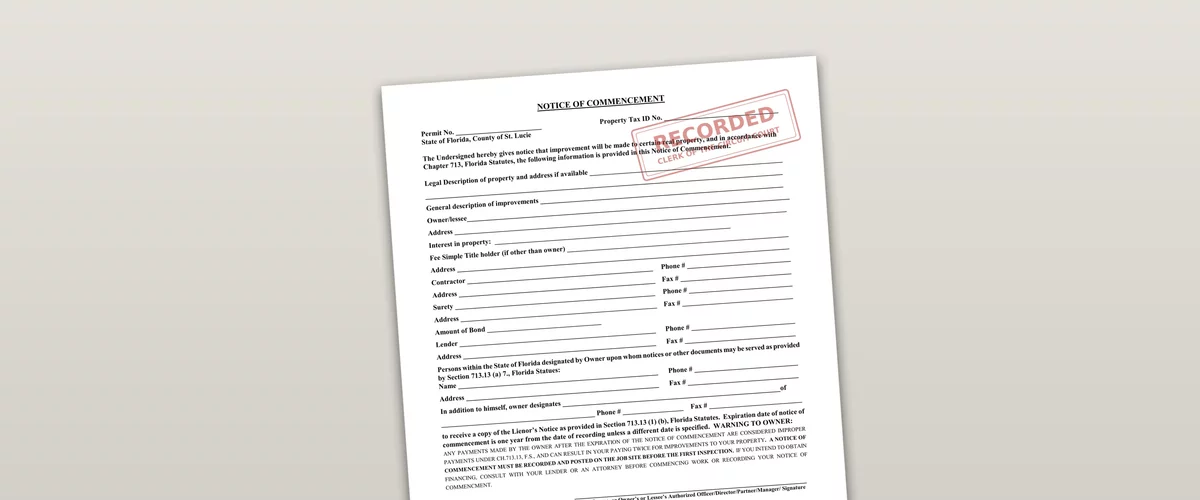
The homeowner's guide to Florida's notice of commencement: the $5,000 rule, where to record in Miami-Dade, Broward, and Palm Beach, and why inspectors ask.
Florida insurers ask for two different inspections. The 4-point decides insurability; the wind mitigation earns credits. Who needs which, and what each costs.
Four public records vet a Florida impact window contractor in ten minutes: the DBPR license and its qualifier, permit history, insurance, and product approvals.
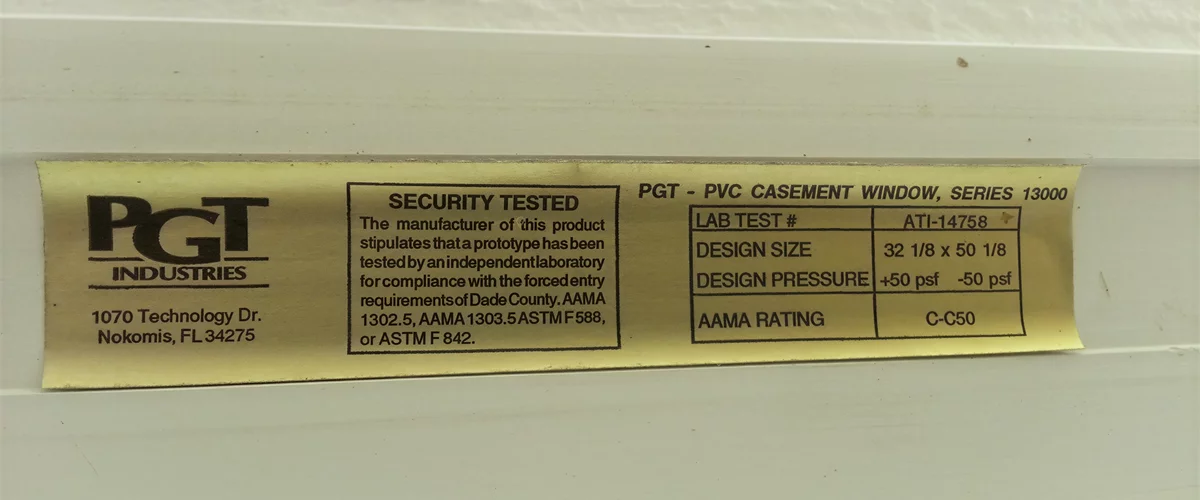
A step-by-step walkthrough of the Florida Product Approval search at floridabuilding.org: FL numbers, HVHZ limits of use, and how to check a contractor's proposal.
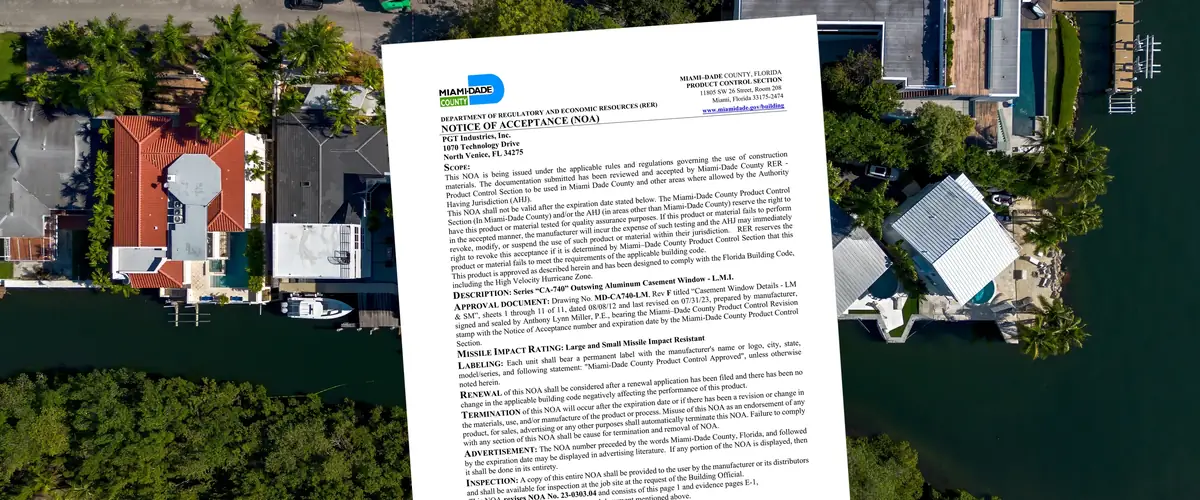
The exact steps to look up any Miami-Dade NOA: search by number or manufacturer, read approval and expiration dates, and trace the NOA on installed windows.

City-by-city Broward window permit costs from official adopted fee schedules. The same $30,000 job pays about $217 in Coral Springs and $825 in Pompano Beach.

Permit fees for the same ten-window job range from $94 to $2,000 across Florida, depending only on which city the house sits in. Here is what drives the difference.

The OIR-B1-1802 wind mitigation form decides your Florida hurricane insurance discount, often $300 to $3,500 a year. Here is what it checks and what changed in the new April 2026 version.
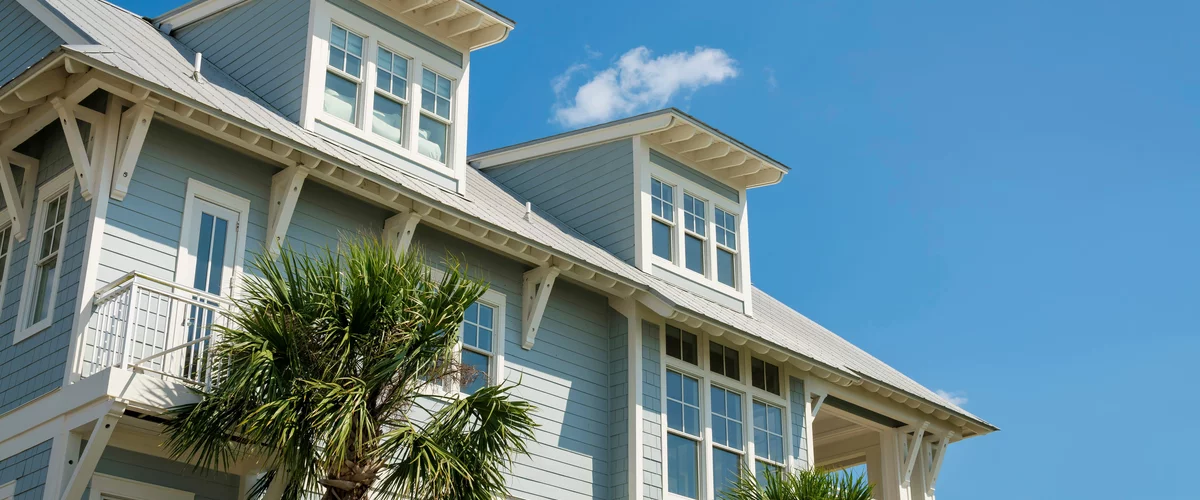
Impact windows in Coral Gables answer to the Board of Architects before the building permit. Here is how HVHZ compliance, historic-district review, and aesthetic standards shape a window project in The City Beautiful.

The Florida Building Code governs where impact windows are required, what products qualify, and how they must be installed. Here is a plain-English breakdown of what matters for your home.

Impact windows are a smart upgrade in Palm Beach, but the install isn’t plug-and-play. Avoid the five mistakes that waste money and weaken protection: wrong ratings, the wrong installer, skipped permits, poor energy choices, and rushed timelines that collide with hurricane season.