

A 4-point inspection and a wind mitigation inspection answer two different questions for a Florida insurance company. The 4-point is an insurability screen: a Florida-licensed inspector documents the age and condition of your roof, electrical, plumbing, and HVAC systems so the insurer can decide whether to write or renew the policy at all, and Citizens requires it on homes more than 20 years old. The wind mitigation inspection is a discount qualifier: it documents the wind-resistant features your home has, so the insurer can apply the premium credits Florida law requires it to offer.
Homeowners usually meet both at once: a closing on an older home, a switch to a new carrier, a Citizens application. One inspector can almost always complete the two in a single visit.
And the credits at stake are not small. Stacked wind mitigation credits can reach 88 to 90 percent off the windstorm portion of a Florida premium under the credit framework in Section 627.0629, Florida Statutes, the figure our insurance research report builds every savings scenario around. Here is how the two inspections compare, line by line.
4-Point vs. Wind Mitigation at a Glance
| 4-Point Inspection | Wind Mitigation Inspection | |
|---|---|---|
| Question it answers | Will an insurer cover this home? | Which premium credits has this home earned? |
| Who asks for it | The insurer, on older homes (Citizens: over 20 years old) | Nobody. You order it to capture discounts |
| What it checks | Roof, electrical, plumbing, HVAC | Seven wind-resistance categories, from roof shape to opening protection |
| Effect on premium | None by itself. It decides insurability, not price | Credits of up to 88-90% off the windstorm portion |
| Form you receive | Citizens 4-Point Inspection Form (Insp4pt 03 25) | OIR-B1-1802 Uniform Mitigation Verification Inspection Form |
| How long it lasts | Insurer's choice; Citizens wants a report dated within 12 months of a new application | Up to 5 years, unless the home materially changes |
| Cost | Priced like a wind mitigation, and usually discounted as a bundle | $75-$150 standalone; free through My Safe Florida Home when funding is open |
| Who performs it | A Florida-licensed inspector | A licensed home inspector, contractor, engineer, or architect |
The two inspections overlap in one place only: the roof. Everything else, from the systems examined to what the report does to your premium, is different.
What Is a 4-Point Inspection in Florida?
A 4-point inspection is a short, focused report on the four systems most likely to produce a claim: the roof, the electrical panel and wiring, the plumbing, and the heating and cooling equipment. The inspector records the age, type, and condition of each system, backs every page with photos, then signs and dates the form. Insurers use it to decide whether an older home is an acceptable risk.
Citizens Property Insurance, the state-backed carrier, sets the benchmark most private insurers follow. Citizens requires a 4-point inspection for every property owner, dwelling, and mobile home application on a home more than 20 years old, and the report must be dated within the 12 months before the new-business application. Private carriers set their own age thresholds and recency windows, so ask your agent which form and vintage they will accept.
The current Citizens form is the 4-Point Inspection Form, Insp4pt 03 25, adopted March 20, 2025. Older versions are no longer accepted. The 2025 revision tightened the evidence: a photo of the water heater's temperature and pressure relief valve, certification by a licensed electrician for any single-strand aluminum wiring remediation, the age of the piping and water heater, and a written explanation whenever the inspector sees signs of a roof leak.
A 4-point will never lower your bill; it carries no credits. It determines whether you can buy the policy whose price the wind mitigation form then negotiates down. For what that policy actually covers, our guide to how hurricane insurance works in Florida breaks down the wind, flood, and homeowners pieces.
What Is a Wind Mitigation Inspection?
A wind mitigation inspection documents seven categories of hurricane resistance: roof covering, roof deck attachment, roof-to-wall connection, roof geometry, secondary water resistance, opening protection, and the wind zone and construction baseline. The inspector photographs each feature and records it on the state's OIR-B1-1802 form, which your agent submits to the carrier for the matching credits.
Opening protection, meaning impact windows, impact doors, and rated shutters on every opening, is the single largest credit category, and it is all-or-nothing. One unprotected opening drops the whole category to zero. We have seen homeowners spend $25,000 on impact windows and lose the credit to a garage door with unrated glass inserts, the most commonly overlooked opening on the form.
The line-item detail lives in two other guides: what a wind mitigation inspection actually checks walks the seven categories item by item, and our OIR-B1-1802 guide covers the form itself, including the April 2026 revision, the first major update since 2012. What matters for this comparison: the inspection is voluntary, any licensed home inspector, contractor, engineer, or architect can perform it, and the payoff is recurring. Our county-level analysis of Florida OIR premium data puts opening-protection savings for coastal South Florida homes at $1,000 to $3,500 per year; the full math is in our guide to impact window insurance savings.
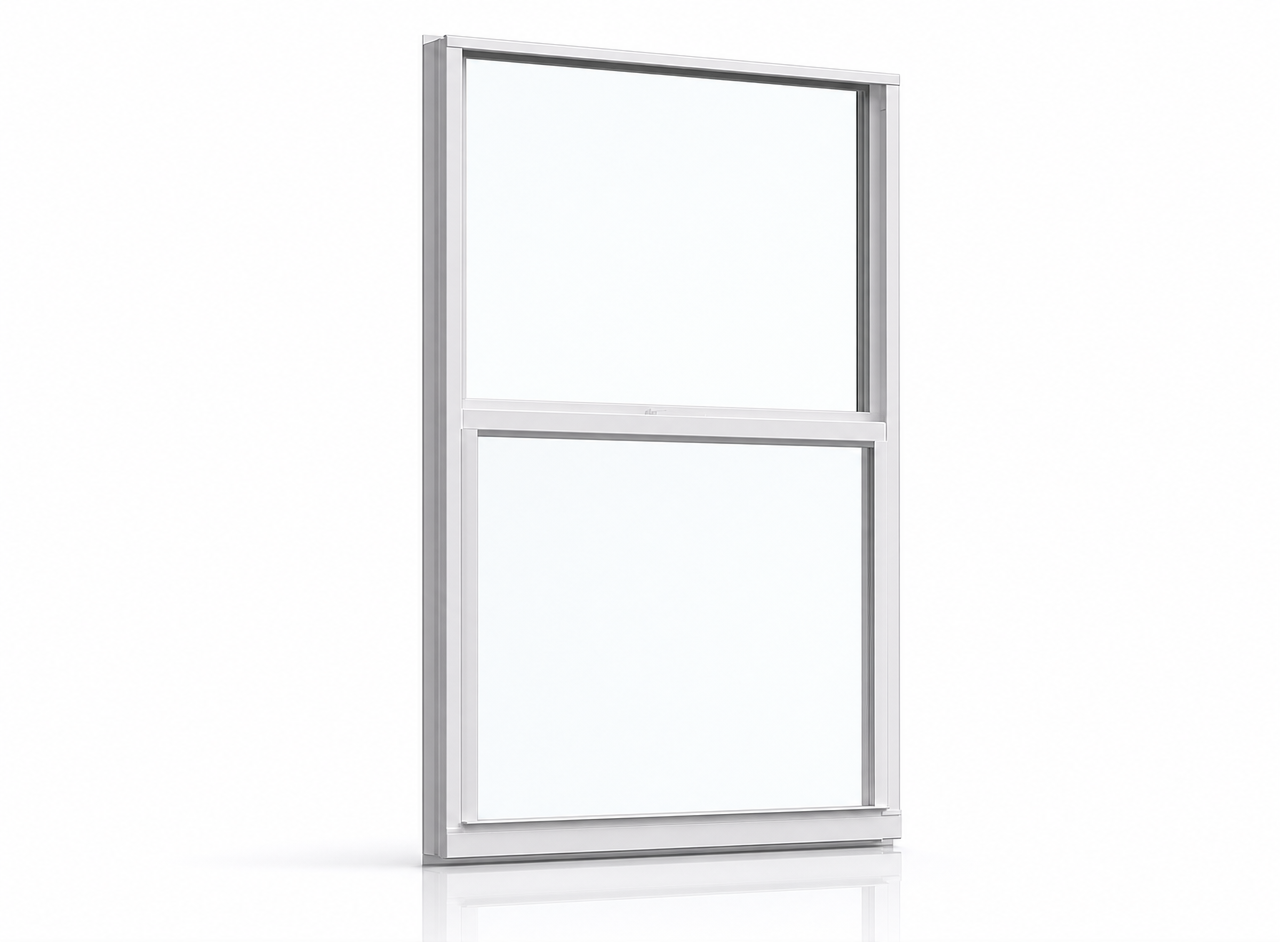
 PGT · WinGuard Aluminum Series
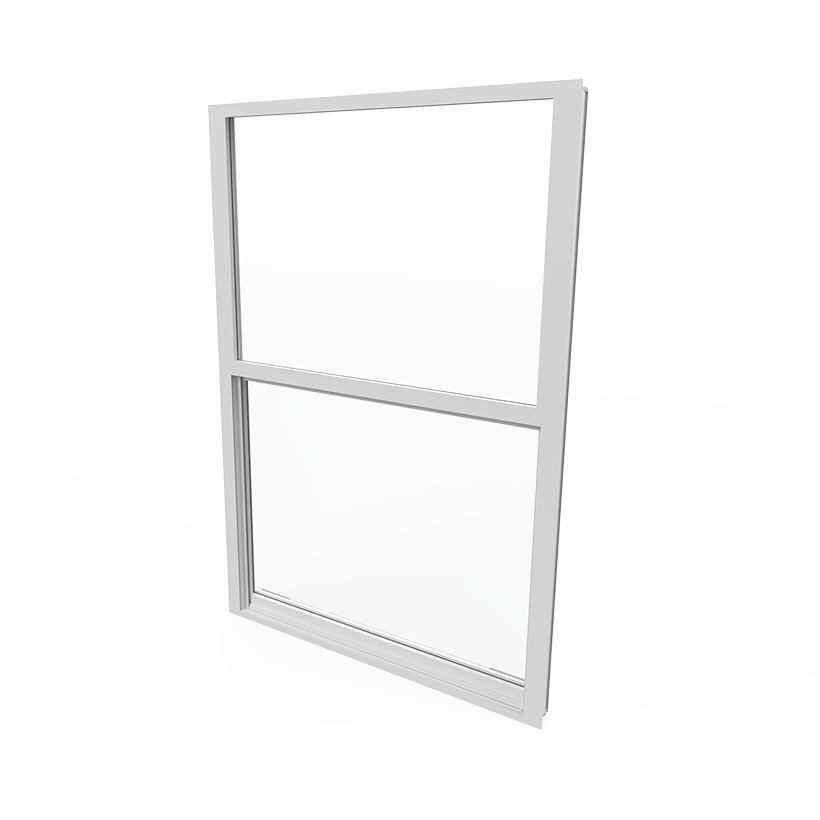
PGT WinGuard Aluminum Single Hung SH7700A
Aluminum impact single-hung on the WinGuard 7700-series frame with Diamond Glass laminated glazing. LMI impact-rated for Miami-Dade and Broward HVHZ installations.
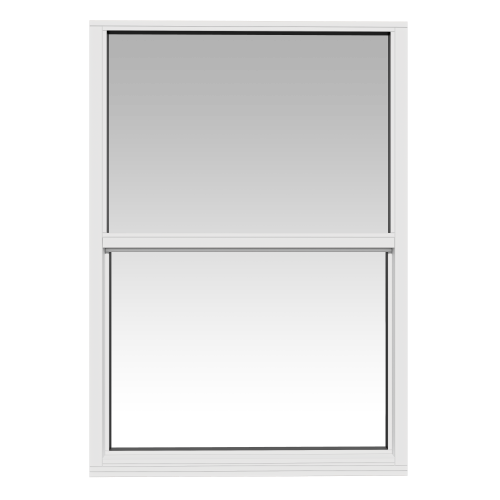
 ECO · Eco-Guard Single Hung Series
Eco-Guard Single Hung Series 100
Mid-tier aluminum impact single hung on a 2-3/4 in. frame, +75/-90 psf, LMI+SMI, NFRC-certified, with ultra-lift balances.
 ES Windows · Elite Series
ES Windows Elite ES-EL100 Single Hung
Aluminum impact single-hung on a 2-15/16 inch frame with block-and-tackle or ultra-lift balances. Saflex/Kuraray PVB, Vanceva Storm, and SentryGlas Plus interlayers available.
Do You Need a 4-Point, a Wind Mitigation, or Both?
Which inspection you need depends on the home's age and whether you want the discounts. Three situations cover most homeowners:
- Older home, new policy or renewal. The insurer will demand the 4-point, so that decision is made for you. Order the wind mitigation in the same visit; on homes this age, unclaimed credits are common because nobody has documented the roof or shutters since the last reroof.
- Newer home. You will rarely be asked for a 4-point under the 20-year threshold. The wind mitigation still pays if your carrier has no current OIR-B1-1802 on file: credits apply only once the form proves the features exist.
- Just upgraded. A new roof, impact windows, or a rated garage door changes your credit position. Order a fresh wind mitigation inspection once the work passes final permit inspection and send the new form to your agent.
The pattern to remember: the 4-point is the insurer's inspection, and the wind mitigation is yours. Nobody will chase you for the second one, and every year without a current form on file is a year of paying full windstorm rates.
Cost: One Inspector, One Visit Is the Cheap Path
A standalone wind mitigation inspection runs $75 to $150 for a typical Florida house. Inspection companies price the 4-point in the same neighborhood, and nearly all sell the pair at a discount because one truck, one attic climb, and one set of roof photos feed both forms. If you are already paying for a full home inspection at closing, both add-ons usually cost less than either would separately later.
There is also a free path for the wind mitigation half: the state's My Safe Florida Home program provides free wind mitigation inspections for eligible single-family homes when funding is open. Eligibility, and the grant that can follow, are covered in our My Safe Florida Home guide.
Validity Periods and the Forms You Walk Away With
The paperwork is the product, so know what you are buying. The wind mitigation inspection produces the OIR-B1-1802, the uniform form adopted by the Florida Office of Insurance Regulation. It remains valid for up to five years, as long as no material changes are made to the home. Upgrades count as material changes in your favor: re-inspect after them, since a form that predates your impact windows earns you nothing.
The 4-point has no statewide validity period because it is not a state form; each insurer decides how fresh the report must be. Citizens' rule is 12 months for new business, with tighter windows in special cases. Keep the signed PDFs of both forms, send copies to your agent rather than summaries, and re-shop your premium whenever either form improves.
Next Steps
If the opening-protection line is what stands between you and the largest wind mitigation credit, that is the part we handle every day. Request a free estimate and we will measure every opening, including the garage door and any glass inserts, and show you what a full "all openings protected" rating would take.