

The Bottom Line Up Front
Impact windows generate the single largest insurance premium reduction available to Florida homeowners. The opening-protection credit on the wind mitigation inspection form is worth 30-45% of the windstorm portion of your homeowners insurance. In coastal South Florida, where wind represents 60-70% of your total premium, that translates to real dollars:
| Location & Home Value | Annual Premium | Windstorm Portion | Savings with Impact Windows |
|---|---|---|---|
| Coastal Miami-Dade, $500K | $8,000-$12,000 | $4,800-$8,400 | $1,500-$3,500/year |
| Coastal Broward, $400K | $5,000-$8,000 | $2,750-$5,200 | $1,000-$2,500/year |
| Palm Beach, $350K | $3,500-$5,500 | $1,575-$3,025 | $500-$1,200/year |
| Tampa Bay (Pinellas), $400K | $4,000-$7,000 | $2,000-$4,200 | $700-$1,500/year |
| Sarasota (post-Milton), $400K | $4,500-$8,000 | $2,250-$4,800 | $800-$1,800/year |
| Central FL (Orlando), $350K | $2,500-$4,000 | $875-$1,800 | $300-$800/year |
| North FL (Jacksonville), $300K | $2,000-$3,500 | $700-$1,575 | $200-$500/year |
These are not promotional estimates. They're derived from the discount structure mandated by Florida Statute 627.0629, which requires insurers to offer premium discounts for verified wind-mitigation features. Your insurer cannot refuse the discount when the features are documented by a certified wind mitigation inspector.
How It Works: The Wind Mitigation Form
The insurance savings come from a single document: the Uniform Mitigation Verification Inspection Form (OIR-B1-1802). An updated version (Rev. 04/26) became mandatory on April 1, 2026, with insurance credits applying from July 2026.
A certified wind mitigation inspector visits your home and evaluates seven categories of hurricane protection. Each category has a credit value that reduces the windstorm portion of your insurance premium:
| Category | What's Evaluated | Typical Discount (% of Wind Premium) |
|---|---|---|
| Opening protection | All windows, doors, skylights, garage doors | 30-45% (largest single factor) |
| Roof geometry (shape) | Hip vs. gable vs. flat | 28-32% (hip roof) |
| Roof-to-wall connections | Toenails vs. clips vs. wraps | 5-15% |
| Roof deck attachment | Nail type and spacing | 5-10% |
| Roof covering | FBC-compliant covering | 5-10% |
| Secondary water resistance | Peel-and-stick membrane under roof | 5-7% |
| Building code year | When the home was built/permitted | Varies |
When all categories are maximized simultaneously, total discount on the windstorm portion can reach 88-90%.
For a detailed walkthrough of every item on the form, see our wind mitigation inspection guide.
The Opening Protection Rule (and Why It's All or Nothing)
This is the most important rule in the entire wind mitigation system, and the one that catches the most homeowners:
ALL openings must be protected to qualify for the maximum opening-protection credit.
"All openings" means every window, every door, every skylight, every main vent, and the garage door. If you have impact windows on 14 of your 15 windows and the 15th is a small bathroom window without protection, you do not qualify for the full opening-protection credit. The inspector evaluates the weakest opening, and that determines your rating.
Similarly, if you have impact windows and impact doors on every window and door but your garage door is a standard non-rated unit, the garage door voids the full credit. This is why garage door replacement ($800-$2,500) is often the most cost-effective single upgrade for homeowners who already have impact windows on most openings.
Opening Protection Credit Levels
| Level | Description | Discount |
|---|---|---|
| A (Full) | ALL openings protected with impact-rated products or code-approved shutters | Maximum (30-45%) |
| B (Partial) | Some but not all openings protected | Reduced (varies by insurer) |
| C (None) | No verified opening protection | No discount |
The difference between Level A and Level B is significant. Some insurers offer no credit at all for partial protection. Others offer a reduced credit. But the jump from "almost all" to "all" openings protected is where the largest dollar value concentrates.
Practical implication: Budget your project to cover every opening, even if it means using less expensive storm panels ($150-$350 per window) or accordion shutters ($300-$700) on secondary openings while installing impact windows on primary living spaces. Covering every opening at the lowest code-compliant level is more valuable than covering 80% with premium products.
The Math: Insurance Savings as ROI
Impact windows are expensive upfront. But insurance savings alone make the investment net-positive over 10-20 years for most South Florida homeowners.
20-Year Insurance Savings
| Location | Annual Savings | 10-Year Total | 20-Year Total |
|---|---|---|---|
| Coastal Miami-Dade | $1,500-$3,500 | $15,000-$35,000 | $30,000-$70,000 |
| Coastal Broward | $1,000-$2,500 | $10,000-$25,000 | $20,000-$50,000 |
| Tampa Bay | $700-$1,500 | $7,000-$15,000 | $14,000-$30,000 |
| Central Florida | $300-$800 | $3,000-$8,000 | $6,000-$16,000 |
Complete ROI Analysis (Mid-Range South Florida Project)
| Factor | Amount |
|---|---|
| Impact window investment | -$30,000 |
| My Safe Florida Home grant | +$10,000 |
| 20-year insurance savings ($1,500/yr) | +$30,000 |
| 20-year energy savings ($600/yr) | +$12,000 |
| Property value increase (7-10% of $500K) | +$35,000-$50,000 |
| Net 20-year position | +$57,000 to +$72,000 ahead |
Insurance savings are just one of several return streams. Combined with energy savings (20-40% cooling reduction, $500-$800/year per Lawrence Berkeley National Lab testing), property value increase, and avoided hurricane deductible risk (typically 2-5% of insured value), impact windows are a financial investment, not just a safety expense. See our impact window cost breakdown to compare project pricing against your expected insurance and energy savings.
FEMA's National Institute of Building Sciences documented that every $1 invested in hazard mitigation saves $6 in avoided losses. A FEMA Broward County study of buildings with window and door improvements found a 4.8:1 benefit-cost ratio ($2.15 million in project costs vs. $10.4 million in avoided losses). My Safe Florida Home program data shows 49% of grant recipients report insurance discounts averaging approximately $981 annually.
Explore 0% APR financing for your project*
Predictable monthly payments — and Florida's wind-mitigation insurance discount can offset much of it.
*0% APR is promotional, for qualified buyers. Subject to approval.

How to Claim Your Savings: Step by Step
Step 1: Complete Your Impact Window Installation
All openings must be protected. This means impact windows on every window, impact doors on every door, and a wind-rated (preferably impact-rated) garage door. If budget requires it, hurricane shutters on some openings and impact windows on others is acceptable; the form doesn't differentiate between protection types as long as every opening is covered.
 PGT · WinGuard Aluminum Series
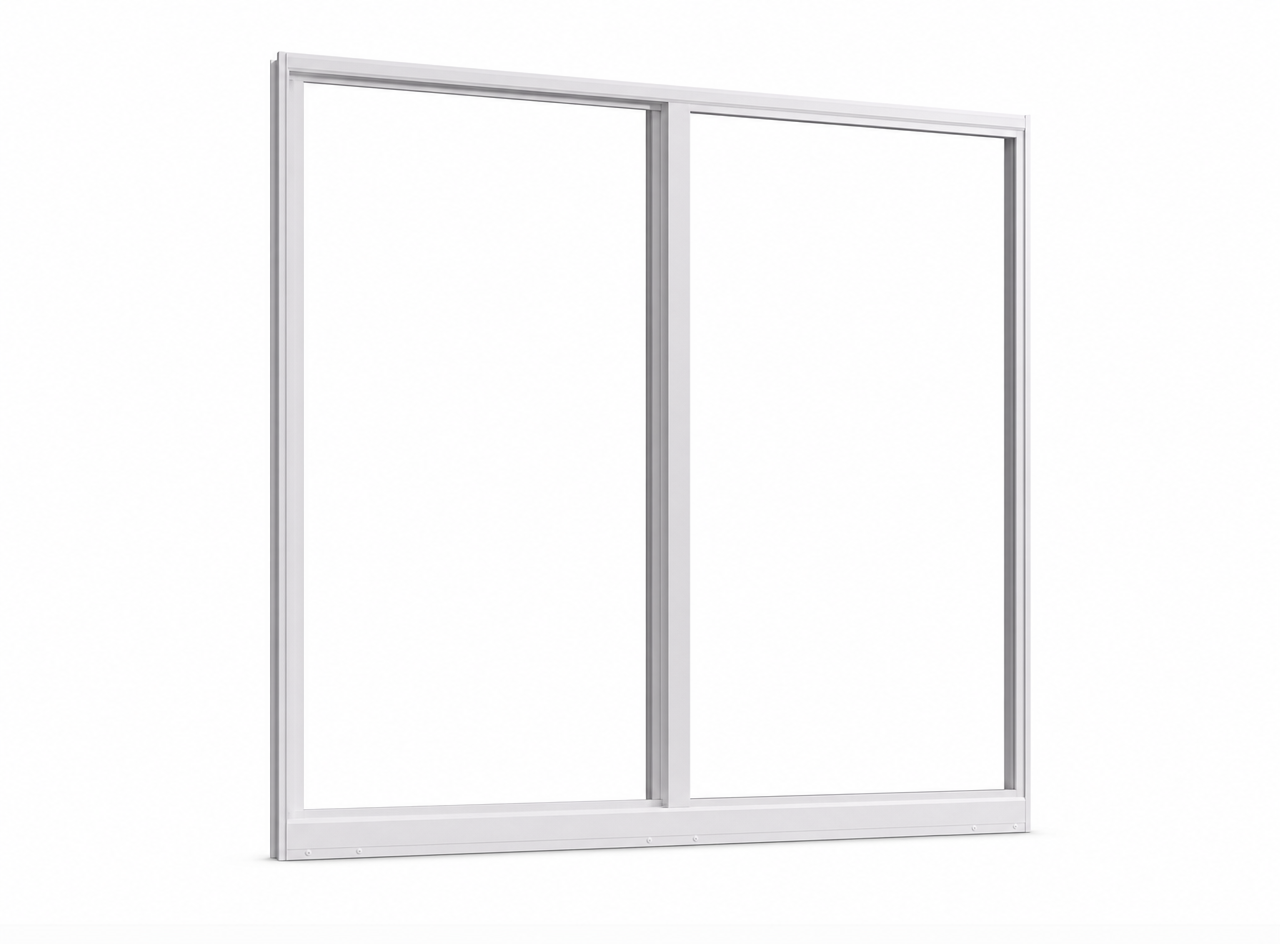
PGT WinGuard Aluminum Horizontal Roller HR7710A
Aluminum impact horizontal roller on the WinGuard 7700-series frame, opening side-to-side for wider residential openings. Diamond Glass, LMI for HVHZ.
 ECO · Eco-Guard Horizontal Rolling Series
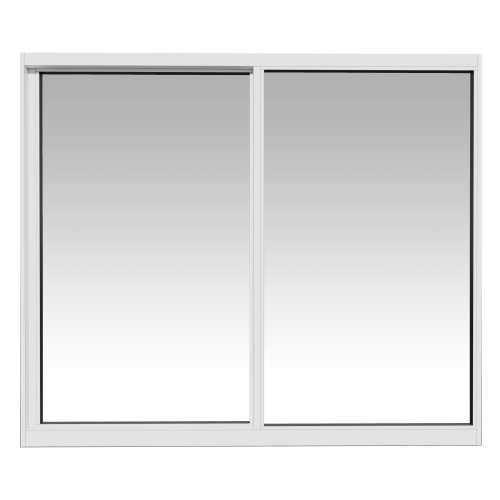
Eco-Guard Horizontal Rolling Series 60
Entry 2-panel aluminum impact roller, 2-1/8 in. frame, +55/-60 psf, LMI for HVHZ.
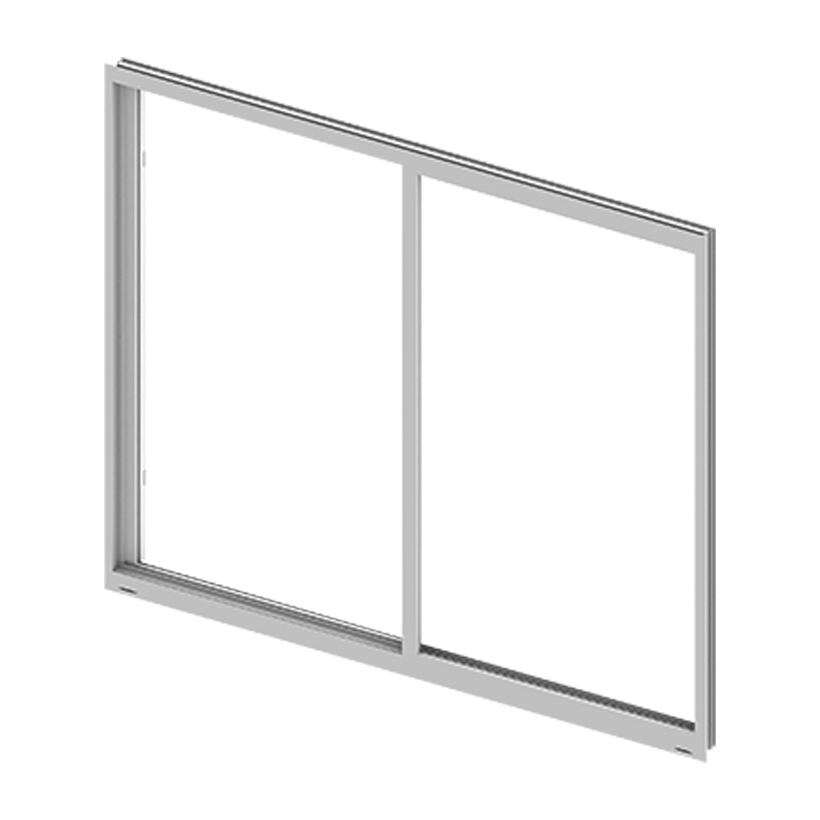
 ES Windows · Elite Series
ES Windows Elite ES-EL200 Sliding Window
Aluminum impact horizontal slider in XO, OX, and XOX configurations on a 2-15/16 inch frame. Polyamide rollers with needle bearings.
Step 2: Schedule a Wind Mitigation Inspection
Hire a certified wind mitigation inspector. The inspection costs $75-$150 and takes 30-60 minutes. The inspector evaluates all seven categories on the OIR-B1-1802 form and photographs each feature.
The My Safe Florida Home program offers free wind mitigation inspections to any Florida homeowner regardless of income. This inspection documents your existing features (even before you make any upgrades) and can identify discounts you're already entitled to but not receiving.
Step 3: Review the Completed Form
Before the inspector submits the form, review it with them. Verify that:
- Every opening is documented as protected (Level A)
- Your roof shape is correctly classified (hip roof earns 28-32%)
- Roof-to-wall connections are correctly identified (clips vs. wraps)
- Your building code year is accurate
- All photographs are clear and properly labeled
The April 2026 form update requires substantially more documentation and photographs than previous versions. Inspections completed under older forms remain valid for 5 years, but if your form is from 2021 or earlier, a new inspection under the updated form may identify additional credits.
Step 4: Submit to Your Insurance Company
Send the completed OIR-B1-1802 form to your insurance company or agent. Most carriers accept the form electronically. Specifically request that they apply all applicable wind mitigation credits and provide a revised premium.
Step 5: Verify the Discounts Were Applied
This is the step most homeowners skip. Do not assume your insurer applied the discounts correctly. Request a breakdown showing:
- Your base premium before wind mitigation credits
- Each credit applied (opening protection, roof shape, connections, etc.)
- Your adjusted premium after credits
If the discounts appear lower than expected, ask your agent to explain which categories were credited and which were not. If the opening-protection credit was not applied at the maximum level, verify with the inspector that the form reflects Level A (all openings protected).
Step 6: Shop Your Insurance After Upgrading
Different carriers offer different discount percentages for the same wind mitigation features. After completing your upgrades and obtaining the new wind mitigation form, get quotes from at least 3 carriers. The carrier that was cheapest before your upgrades may not be the cheapest after, because carriers weigh mitigation credits differently.
Citizens Property Insurance has a standardized discount schedule. Private carriers (Universal, Heritage, Kin, and others) have proprietary credit structures. Shopping after upgrading often yields an additional 10-15% savings beyond the mitigation credits themselves.
Impact Windows vs. Shutters: Insurance Credit Comparison
Both impact windows and code-approved hurricane shutters qualify for the opening-protection credit when all openings are protected. The form does not differentiate between protection types for the opening-protection category.
However, impact windows often generate higher total savings because:
- Impact windows contribute to better air infiltration scores (the sealed IGU construction reduces drafts)
- Some insurers view permanent protection more favorably in their underwriting models
- Impact windows also reduce energy costs ($500-$800/year), which shutters do not
- Impact windows increase property value (7-10%), which affects insured value calculations
For the full comparison, see our impact windows vs. hurricane shutters guide.
What Doesn't Qualify
- Hurricane window film: Does not qualify for opening-protection credit
- Plywood boarding: Does not qualify
- Partial protection: One unprotected opening can void the full credit
- Products without proper certification: Only products with Florida Product Approval (WBDR) or Miami-Dade NOA (HVHZ) count
- Expired wind mitigation form: The form is valid for 5 years. After expiration, discounts may be reduced or removed until a new inspection is completed
The April 2026 Form Update
The revised OIR-B1-1802 form (Rev. 04/26) was adopted by the Florida Cabinet on September 30, 2025 and became mandatory April 1, 2026. Key changes:
- Tighter documentation: Roof permits, product approvals, and installation years now required
- Updated wind zone classifications to ASCE 7-22
- Comprehensive opening evaluation: ALL openings evaluated; weakest protection determines rating
- More photographs required per category
- Insurance credits apply from July 2026 (3-month implementation lag)
The discount structure itself is unchanged. The update makes documentation more rigorous, which may benefit homeowners with proper documentation (inspectors have less discretion in classification) and may disadvantage those with undocumented improvements.
Next Steps
- Get a free estimate for impact windows on all openings. Ask specifically about covering every opening (including garage door) to qualify for the maximum credit.
- Get a free wind mitigation inspection through the My Safe Florida Home program to document your current features and identify existing discounts you may not be receiving.
- After installation, schedule a new wind mitigation inspection ($75-$150) under the current OIR-B1-1802 form.
- Submit the form and verify credits. Don't assume your insurer applied them correctly.
- Shop your insurance after upgrading. Different carriers weight mitigation credits differently, and the cheapest pre-upgrade carrier may not be cheapest post-upgrade.