
The Simple Explanation
Impact windows are windows designed to survive being hit by flying debris during a hurricane without letting wind into your home. They look like regular windows, they open and close like regular windows, and you use them every day like regular windows. The difference is inside the glass.
Standard windows use a single pane of glass that shatters on impact. Impact windows use laminated glass: two sheets of glass permanently bonded to a tough polymer interlayer. When something hits the glass, it may crack, but the interlayer holds all the pieces together. The window stays in the wall. Wind stays out. Your home stays intact.
That's the core idea. The rest of this guide explains why that matters, how the technology works, what types are available, and whether you need them.
Why It Matters: The Envelope Breach Problem
To understand why impact windows exist, you need to understand what happens when a standard window breaks during a hurricane.
Your home's walls, roof, windows, and doors form its building envelope, the barrier between inside and outside. During a hurricane, maintaining that envelope is the difference between a home that survives and one that doesn't.
When a standard window shatters from flying debris (a roof tile, a tree branch, a 2x4 from a neighbor's fence), here's what happens next:
- Wind rushes into the home through the broken window
- Internal pressure of 30-60 PSF builds inside the structure
- Wind flowing over the roof creates suction of 40-80 PSF pulling the roof upward from outside
- Combined, the internal push and external pull generate 70-140 PSF of total uplift on the roof
- Roof systems are designed for external loads only, not this combined force that can double or triple the lifting load
- The roof lifts off. Walls collapse. The home is destroyed.
This is how Hurricane Andrew destroyed 63,500 homes in Miami-Dade County in 1992. A single broken window could cascade into total structural failure. That catastrophe created the Florida Building Code, the HVHZ, and the impact window product category.
Impact windows prevent this cascade by keeping the building envelope sealed, even after being hit by debris. The glass cracks. The interlayer holds. Wind stays out. The roof stays on. After Hurricanes Helene and Milton (2024), zero homes built to modern Florida Building Code standards were destroyed across 358 assessed structures.
How Impact Windows Work
The Laminated Glass
Impact glass is a sandwich: two sheets of glass with a polymer interlayer bonded between them under high temperature and pressure.
The glass can be annealed (standard float glass, the clearest option), heat-strengthened (about twice as strong, fractures into larger pieces that maintain better contact with the interlayer), or tempered (4-5x stronger, used primarily for upper-floor small-missile applications). Most residential impact windows use annealed or heat-strengthened glass.
The interlayer is the critical component. The standard material is PVB (polyvinyl butyral), the same polymer used in automotive windshields since the 1930s. In impact applications, three plies of PVB are laminated together to create a 0.090-inch (2.29mm) interlayer that's tough enough to stop a 2x4 and flexible enough to absorb the impact energy through plastic deformation.
For premium applications, SentryGlas (ionoplast) interlayer provides 100x the rigidity and 5x the tear strength of standard PVB. It costs 3-4x more but delivers superior post-impact structural integrity. It's specified for high-end residential, commercial, and structural applications where the highest performance justifies the premium.
The bonding process uses an autoclave (a large pressure vessel/oven) at 280 degrees F and 180 PSI for 60+ minutes. The elevated temperature softens the interlayer enough to create intimate molecular bonding with the glass surfaces, while the pressure compresses any residual air bubbles to negligible size. The result is a single transparent structural unit where the interlayer and glass function as one piece.
The Frame
The glass is only half the system. The frame must hold the glass in place under sustained hurricane wind pressure.
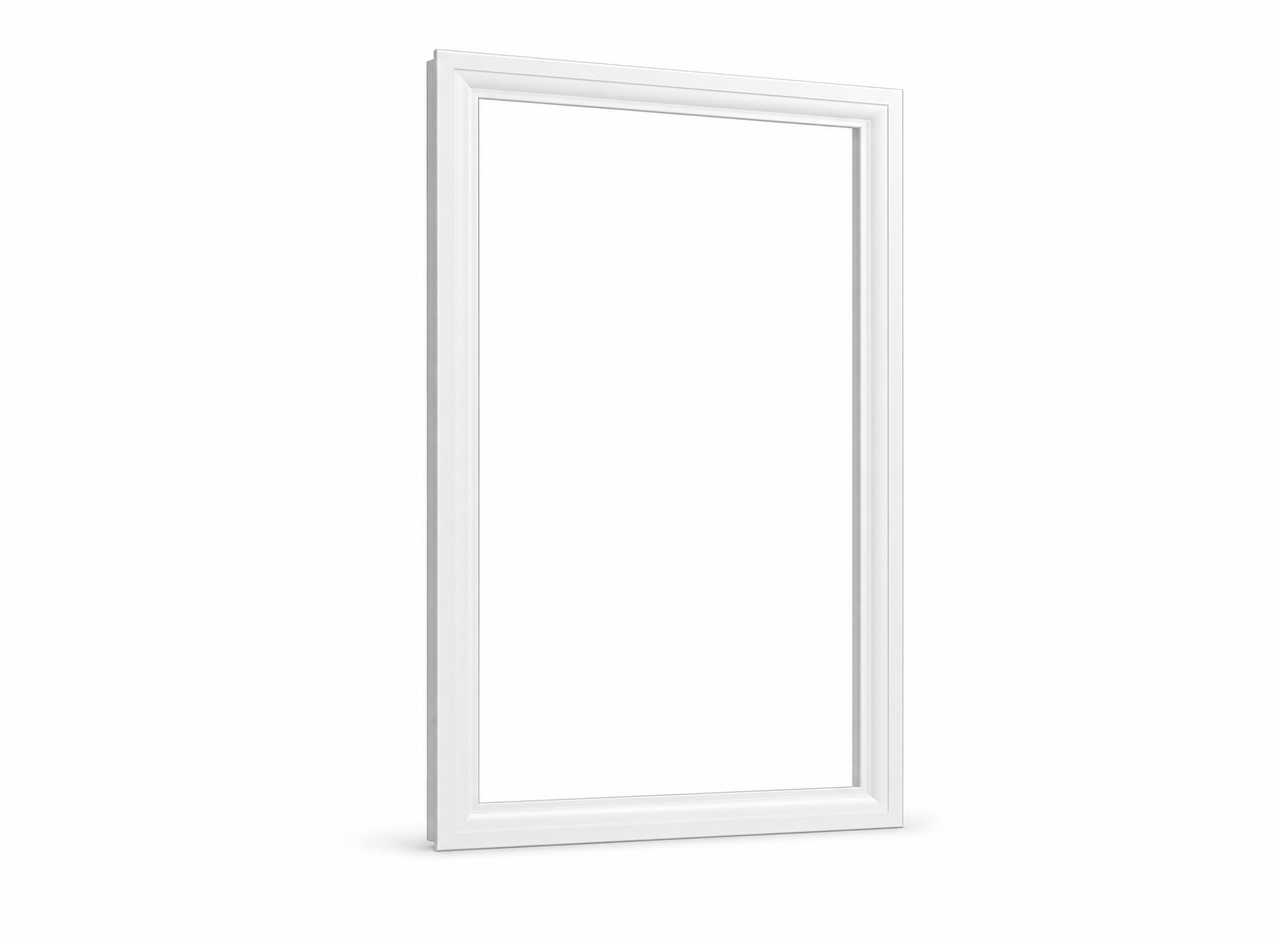
Aluminum frames (alloy 6063) are the most common in Florida, representing roughly 48% of the market. They provide the structural strength needed for high design pressure ratings (up to +90/-130 PSF in PGT WinGuard Aluminum
 PGT
WinGuard Aluminum Series
PGT's flagship aluminum impact platform since 1998, with one of the deepest Miami-Dade NOA libraries in the industry. Single hung through sliding doors on one HVHZ-certified frame system.
HVHZ-approved across the series 11 models in the series
Explore the WinGuard Aluminum Series
) and are universally approved for the HVHZ.
PGT
WinGuard Aluminum Series
PGT's flagship aluminum impact platform since 1998, with one of the deepest Miami-Dade NOA libraries in the industry. Single hung through sliding doors on one HVHZ-certified frame system.
HVHZ-approved across the series 11 models in the series
Explore the WinGuard Aluminum Series
) and are universally approved for the HVHZ.
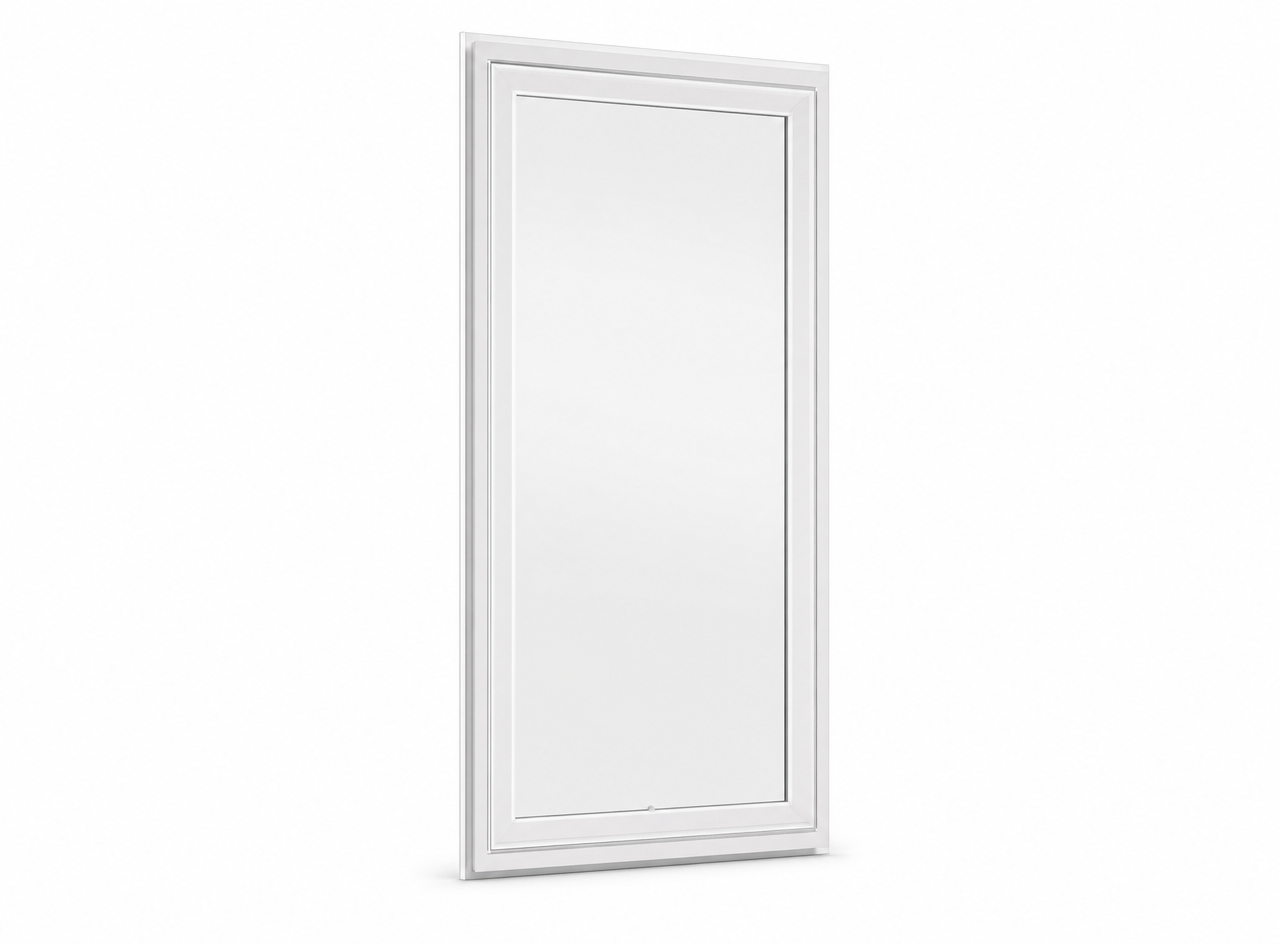
Vinyl (uPVC) frames cost 15-30% less and provide better thermal insulation (the material itself is 1,300x less thermally conductive than aluminum). PGT WinGuard Vinyl
 PGT
WinGuard Vinyl Series
The best-selling impact vinyl line in the U.S., built on a 3-1/2 inch welded vinyl frame with Diamond Glass laminated glazing. Nine operation styles mull cleanly into all-vinyl elevations.
HVHZ-approved across the series 12 models in the series
Explore the WinGuard Vinyl Series
achieves DP +65/-70 PSF, adequate for most standard residential applications.
PGT
WinGuard Vinyl Series
The best-selling impact vinyl line in the U.S., built on a 3-1/2 inch welded vinyl frame with Diamond Glass laminated glazing. Nine operation styles mull cleanly into all-vinyl elevations.
HVHZ-approved across the series 12 models in the series
Explore the WinGuard Vinyl Series
achieves DP +65/-70 PSF, adequate for most standard residential applications.
Thermally broken aluminum adds a low-conductivity polyamide or polyurethane section between the interior and exterior aluminum, reducing thermal bridging by 70-85%. It costs 30-50% more than standard aluminum but delivers aluminum-level strength with vinyl-level energy performance.
For a detailed comparison, see our vinyl vs. aluminum impact windows guide.
The Hardware
Impact windows use heavier-duty hardware than standard windows:
- Multi-point locks on casement and French door configurations distribute locking force along the full height, preventing bowing under wind pressure
- Heavy-duty tandem rollers on sliding windows and sliding glass doors handle the additional weight of laminated glass
- Reinforced operators on casement and awning windows manage the heavier sash
- Stainless steel fasteners (standard on premium lines like ES Windows
 ES Windows
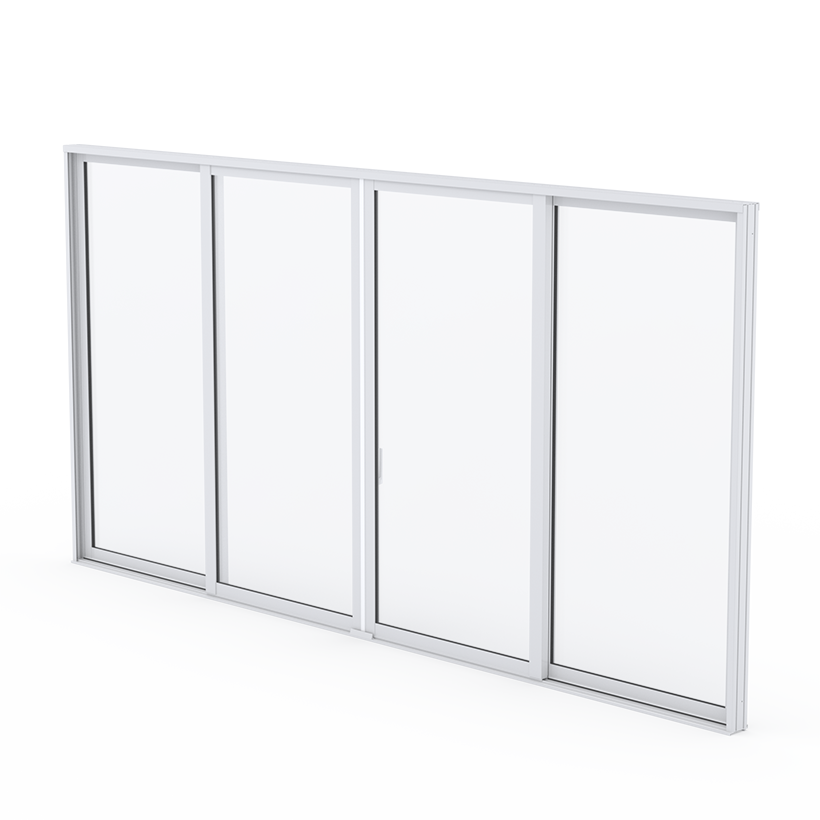
Tecnoglass-owned, vertically integrated impact windows and doors with in-house glass and aluminum.
Miami-Dade NOA / HVHZ approved 145 models across 9 product lines
Explore ES Windows
) prevent corrosion in salt air
ES Windows
ES Windows
Tecnoglass-owned, vertically integrated impact windows and doors with in-house glass and aluminum.
Miami-Dade NOA / HVHZ approved 145 models across 9 product lines
Explore ES Windows
) prevent corrosion in salt air
How Impact Windows Are Tested
Impact windows don't just claim to be hurricane-resistant. They're tested under conditions that simulate actual hurricane debris and sustained wind.
The Missile Impact Test
A 9-lb section of 2x4 lumber (approximately 8 feet long) is loaded into a pneumatic cannon and fired at the window at 50 feet per second (about 34 mph). The projectile hits the glass at the center, near the corners, and at the frame/glass junction. Three windows are tested with two impacts each.
This simulates the wind-borne debris that causes most window failures during hurricanes: roofing materials, tree branches, fence boards, and construction materials launched at hurricane speed. At Category 4 sustained winds of 130 mph, a 2x4 can travel at 43-65 mph, generating approximately 400 foot-pounds of impact energy.
For buildings above 30 feet, a separate small-missile test fires 30 steel ball bearings (2 grams each) at 130 fps, simulating roof gravel and small debris at upper-floor heights.
The Cyclic Pressure Test
After the missile impact (with the glass now cracked), the damaged window must survive 9,000 cycles of alternating positive and negative pressure at 1.5x the product's rated design pressure, with simultaneous wind-driven rain. This simulates hours of sustained hurricane-force winds pushing and pulling on the damaged panel.
The Tear Tolerance
After all of this, the interlayer is inspected. In the HVHZ (Miami-Dade and Broward), the tear cannot exceed 5 inches long and 1/16 inch wide. In the rest of Florida, the standard allows tears up to 5 inches by 3 inches, a 48x difference that explains why HVHZ products cost more and why not all "Florida-approved" impact windows can be installed in Miami-Dade or Broward.
Types of Impact Windows
Impact windows are available in every standard residential window style. The impact protection comes from the glass and frame construction, not the window type.
| Window Type | How It Operates | Best For | Typical Cost (Installed) |
|---|---|---|---|
| Single-Hung | Bottom sash slides up | Most common; bedrooms, living areas | $1,000-$2,000 |
| Sliding (Horizontal) | Panel slides left or right | Wide openings; Florida ranch homes | $1,200-$2,900 |
| Casement | Crank-operated, hinges on side | Best seal when closed; good ventilation | $1,400-$3,000 |
| Awning | Crank-operated, hinges on top | Ventilation during rain (opens outward) | $1,200-$2,600 |
| Picture/Fixed | Does not open | Maximum glass area; views; lowest maintenance | $1,200-$2,400 |
| Architectural | Custom shapes (arches, circles, geometric) | Unique openings; design statements | $2,000-$5,000+ |
All types use the same laminated impact glass technology. The choice between them depends on your ventilation needs, aesthetic preferences, and the specific openings in your home. For detailed pricing, see our impact windows cost guide.
The Daily Benefits (Beyond Hurricanes)
Hurricane protection is why impact windows were invented, but the daily benefits are why most homeowners say the investment was worth it.
Energy Efficiency
Impact windows with insulated glass (IGU) construction and Low-E coating reduce cooling costs by 20-40%, according to Lawrence Berkeley National Laboratory testing. For a typical Florida home spending $2,000-$2,400/year on cooling, that's $500-$800/year in savings. The laminated glass and sealed frame construction also reduce air infiltration (drafts), further lowering energy use.
The current ENERGY STAR Version 7.0 requirements for the Southern Climate Zone are U-factor 0.32 or lower and SHGC 0.23 or lower. Quality impact windows with Low-E IGU meet or exceed these thresholds.
UV Protection
The PVB interlayer in impact glass blocks 99%+ of UV radiation as an inherent property of the material, not an add-on coating. This prevents furniture, flooring, artwork, and fabrics from fading. Over 10 years, this can save thousands in replacement costs for sun-exposed interiors.
Noise Reduction
Impact laminated glass achieves STC (Sound Transmission Class) ratings of 32-40, compared to 26-28 for standard single-pane windows. Acoustic interlayer variants add another 2-4 dB. For homes near airports, highways, busy streets, or construction, the difference is immediately noticeable.
Security
Impact laminated glass resists forced entry far better than standard glass. A burglar can break through a standard window in seconds; penetrating laminated impact glass takes sustained effort with heavy tools and generates significant noise. PGT offers a 10-year burglary protection warranty (up to $1,000 of insurance deductible) on their WinGuard products. For homes in vacation areas, snowbird communities, or neighborhoods with security concerns, this benefit applies 365 days a year.
Property Value
Impact windows add 7-10% to home value. On a $500,000 home, that's $35,000-$50,000. Homes with impact windows sell up to 20% faster than comparable homes without them. Homeowners recover 70-85% of their impact window investment at resale. In a Florida market where buyers increasingly expect hurricane protection, impact windows are a competitive advantage.
Impact Windows vs. Other Protection Methods
vs. Hurricane Shutters
Shutters (accordion, roll-down, storm panels) are deployable barriers that mount over existing windows. They block debris when deployed but provide no daily benefits when retracted. Shutters cost 50-70% less than impact windows upfront but require manual deployment before every storm, offer no energy savings, noise reduction, UV protection, or security, and yield smaller insurance discounts. Over 20 years, impact windows frequently reach net-positive ROI while shutters remain a pure cost. For the full analysis, see our impact windows vs. hurricane shutters comparison.
vs. Hurricane Screens
Hurricane screens are high-tensile fabric panels that deploy over windows. They're lighter and cheaper than metal shutters ($200-$500 per window) but have a shorter lifespan (5-10 years), no daily benefits, and limited HVHZ approval. They're a reasonable budget bridge while saving for impact windows.
vs. Hurricane Window Film
Adhesive films applied to existing glass. These do NOT meet Florida Building Code impact requirements, do NOT qualify for insurance discounts, and do NOT prevent the envelope breach cascade. Film may hold some glass fragments together temporarily, but it cannot stop a 2x4 projectile or maintain the building envelope under sustained hurricane pressure. Film is not a substitute for impact windows or approved shutters.
vs. Plywood
Plywood is not code-approved in any Florida wind zone. It provides minimal protection, creates a hazard if improperly secured, offers no insurance discount, and should not be considered a viable hurricane protection strategy.
vs. Standard Storm Windows
Storm windows (a secondary window mounted outside or inside the primary window) are designed for thermal performance and weatherproofing in cold climates. They are not designed or tested for hurricane debris impact and do not meet Florida Building Code requirements for opening protection.
Do You Need Impact Windows?
Where They're Required
Impact windows (or equivalent approved opening protection) are legally required in:
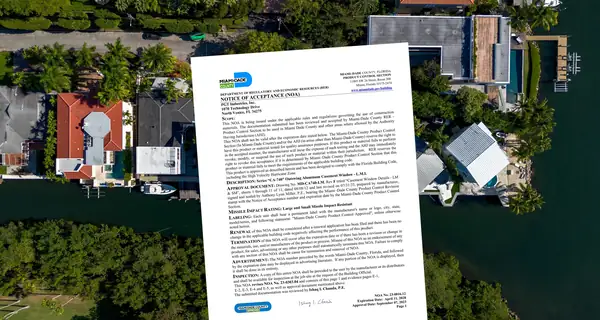
- The HVHZ (all of Miami-Dade and Broward counties): every replacement must carry a Miami-Dade NOA
- The Wind-Borne Debris Region (most of coastal Florida, including all of Palm Beach, Pinellas, Monroe, and coastal portions of Lee, Collier, Brevard, Sarasota, Hillsborough, and other coastal counties)
Where They're Recommended
Even outside the HVHZ and WBDR (most of Central Florida, North Florida, inland counties), impact windows deliver insurance premium reductions (the wind mitigation form applies statewide), energy savings, UV protection, noise reduction, security, and property value benefits. The financial return is smaller than in South Florida (insurance premiums are lower), but the investment typically pays for itself over 15-20 years.
The 25% Rule
If you replace more than 25% of your total glazed opening area within 12 months in a Wind-Borne Debris Region, all replacements must meet current impact standards. This code provision often makes whole-home impact window projects more practical than piecemeal replacements.
What They Cost
| Home Size | Budget Tier | Mid-Range | Premium |
|---|---|---|---|
| Small (8-10 openings) | $10,000-$15,000 | $15,000-$22,000 | $22,000-$35,000 |
| Average (12-15 openings) | $15,000-$25,000 | $25,000-$40,000 | $40,000-$65,000 |
| Large (18-25 openings) | $25,000-$40,000 | $40,000-$60,000 | $60,000-$100,000+ |
Pricing varies by window type, frame material (vinyl is 15-30% less than aluminum), glass configuration (IGU with Low-E adds $150-$400 per window), manufacturer tier, and whether you're in the HVHZ (10-20% premium for NOA-certified products). For detailed pricing by every variable, see our complete cost guide.
How to Pay for Them
- My Safe Florida Home: Grants up to $10,000 for qualifying homeowners
- PACE financing: $0 down, income-verified approval, paid through property taxes over 10-25 years
- Insurance savings: $1,000-$3,500/year in South Florida, $300-$800/year in Central Florida
- Energy savings: $500-$800/year from reduced cooling costs
- Additional financing options: Most installers offer $0 down and 100% financing
How Long They Last
Impact windows typically last 25-30 years. The glass and interlayer are stable for decades. The limiting factors are usually:
- Weatherstripping: Degrades over 7-10 years from UV and temperature cycling. Replaceable.
- Hardware: Lock mechanisms and operators may need adjustment or replacement at 15-20 years. Serviceable.
- Seal integrity: IGU seals can fail at 15-25 years, allowing moisture between panes (fogging). The unit can be replaced without replacing the frame.
- Frame finish: Powder coating on aluminum may chalk after 15-20 years in severe coastal exposure. Refinishable.
The first wave of post-2002 FBC impact window installations is now 20-24 years old, and a growing replacement market is emerging as these early installations approach end of life. Replacement impact windows must meet current code, which has gotten stricter with each of the eight FBC editions since 2002.
Next Steps
- Get a free estimate for impact windows on your home, with product recommendations matched to your wind zone and budget.
- Learn whether impact windows are required where you live and what specific product approval your zone requires.
- Compare impact windows to hurricane shutters if you're weighing both options.
- See detailed pricing in our impact windows cost guide and vinyl vs. aluminum comparison.
- Check eligibility for the My Safe Florida Home program (grants up to $10,000) and financing options including PACE ($0 down, income-verified approval).