

My Safe Florida Home (MSFH) is Florida's grant program for hurricane-hardening your house: a free wind mitigation inspection, then up to $10,000 toward impact windows, impact doors, hurricane shutters, garage doors, and roof upgrades. It is a grant, not a loan. Nothing is repaid. The program is run by the Florida Department of Financial Services, and the application lives at mysafeflhome.com.
The money is in place for 2026-2027. The state budget signed in June 2026 carried forward more than $405 million for MSFH and its condo pilot, aimed first at the roughly 45,000 homeowners who completed inspections but were still waiting on awards when earlier funding ran out. Backlog applicants advance automatically without reapplying, and the portal is accepting new applications.
The Program at a Glance
| What you get | Free wind mitigation inspection + grant up to $10,000 |
| Pay it back? | No. It is a grant, not a loan |
| Low-income (≤80% of county median) | Up to $10,000, no matching, paid directly to your contractor |
| Moderate-income (80-120%) | 2:1 match: state pays $2 per $1 you invest; you pay upfront, the state reimburses |
| Home requirements | Homestead exemption, site-built, permitted before 2008, insured, ≤$700K insured value (low-income exempt from the cap) |
| Where to apply | mysafeflhome.com (applications and account login) |
| Typical timeline | 8-12 months from application to reimbursement |
| Contractors | You choose your own Florida-licensed contractor; verify at myfloridalicense.com |
Florida homeowners pay some of the highest property insurance premiums in the country: $8,000-$12,000 a year is common for a $500,000 home in coastal South Florida. Hardening the home (impact windows, impact doors, roof reinforcement) is the most effective way to bring those premiums down, but the upfront cost of $15,000-$50,000 puts it out of reach for many households. MSFH exists to close that gap.
This guide covers who qualifies, exactly what's covered, how much you can receive, the step-by-step application, the mistakes that disqualify applicants, and how to stack the grant with other savings. Go deeper on any step with the rest of our MSFH series:
- Eligibility: who qualifies in 2026-2027
- Income limits by county, and how the 80%/120% rules work
- The application, step by step through the portal
- The free inspection: what gets checked and how to read your report
- Spending the grant on impact windows: strategy and real numbers
Program Status and Funding for 2026-2027
The state budget passed over Memorial Day weekend 2026 and signed in June reappropriated more than $405 million across My Safe Florida Home and the Condominium Pilot Program, largely unspent balances from earlier cycles rolled forward. Combined budget coverage for the two programs has been reported at over $600 million for the cycle. The funding history:
| Fiscal year | Funding | Outcome |
|---|---|---|
| 2022-2023 | $150 million | Program relaunch |
| 2023-2024 | $200 million | Exhausted in two weeks; 45,000 wait-listed |
| 2024-2025 | $352 million ($280M + $72M recycled) | Backlog persisted |
| 2025-2026 | $280 million | Priority waves from August 2025 |
| 2026-2027 | $405M+ carried forward | Aimed at clearing the backlog |
The backlog: approximately 45,000 homeowners completed inspections in earlier windows without receiving grant awards before funding ran out. The 2026-2027 reappropriation targets this group first, and backlog applicants advance automatically in the priority queue without reapplying.
What this means right now: the portal is accepting new applications, and the queue is moving. Demand has outrun funding in every prior cycle, so the practical advice stands: apply as early as possible, have your documentation ready before your priority group is called, and don't wait for the next cycle if you qualify now. The application walkthrough covers exactly what to have ready.
What the Program Covers
The MSFH program funds improvements that strengthen your home's most vulnerable points during a hurricane: openings (windows, doors, garage) and the roof system.
Opening Protection
- Impact windows: replacement of existing windows with hurricane-rated, Florida Building Code-compliant impact glass (single-hung, casement, sliding, picture, awning, and architectural styles)
- Impact doors: impact-rated entry doors, sliding glass doors, French doors
- Hurricane shutters: accordion, roll-down, Bahama, colonial, and storm panels (must meet code for your wind zone; what each shutter type costs)
- Impact-resistant skylights or skylight protection systems
- Wind-rated garage doors with proper reinforcement
Roof Improvements
- Roof-to-wall connections: hurricane clips, straps, or reinforced attachments that tie the roof structure to the walls
- Roof deck attachment: enhanced fastening systems (ring-shank nails or other approved fasteners) that secure roof sheathing to rafters or trusses
- Secondary water resistance: underlayment or water barriers beneath the roof covering that prevent water intrusion if the outer covering is compromised
- Roof covering replacement: wind-rated shingle, metal, or tile roofing systems that meet Florida Building Code requirements for your wind zone
All improvements must meet current Florida Building Code standards, be installed by a licensed Florida contractor, and pass a building department inspection.
Grant Amounts and Matching Structure
The program uses two grant tiers based on household income relative to your county's median:
Low-Income Homeowners
Definition: Household income at or below 80% of the county median income (based on HUD guidelines, adjusted for family size)
- Grants up to $10,000
- No matching requirement. The state covers the full grant amount.
- Priority in the application queue (first to apply when the portal opens)
- Exempt from the $700,000 insured value cap
Moderate-Income Homeowners
Definition: Household income above 80% but at or below 120% of the county median income
- 2:1 matching. The state pays $2 for every $1 the homeowner invests.
- To receive the full $10,000 grant, you contribute $5,000 (total project value: $15,000)
- Subject to the $700,000 insured value cap (Coverage A on your homeowners policy)
Example Income Thresholds (Family of 4, 2025-2026)
These are approximate and vary by county and household size. Exact limits are calculated from HUD income guidelines; our income limits guide breaks down every South Florida county.
| County | Low-Income Threshold (80%) | Moderate-Income Threshold (120%) |
|---|---|---|
| Miami-Dade | ~$73,000 | ~$109,000 |
| Broward | ~$73,000 | ~$109,000 |
| Palm Beach | ~$79,000 | ~$118,000 |
| Hillsborough (Tampa) | ~$76,000 | ~$115,000 |
| Orange (Orlando) | ~$69,000 | ~$103,000 |
| Lee (Fort Myers) | ~$68,000 | ~$102,000 |
Households above 120% of county median income do not qualify for grants under the current (2025-2026) program rules. The free wind mitigation inspection is available to any Florida homeowner regardless of income.
How the Money Actually Moves
Payment mechanics differ by tier, a distinction much of the coverage misses:
Low-income grants are paid by the program directly to your contractor. Qualifying homeowners do not front the money and are exempt from the paid-in-full documentation below.
Moderate-income matching grants are reimbursement, not upfront payment:
- You hire a licensed contractor, sign within the 60-day contractor-confirmation window that opens with your award, and pay for the approved work in full
- The contractor obtains permits and completes the installation
- The local building department inspects the work and the permit is closed out
- You request the program's final inspection (a state-assigned inspector verifies the installed scope; you get one of these, so everything must be complete first)
- You submit a draw request through the MSFH portal with a paid-in-full itemized invoice, proof of payment, and proof you requested your insurance discount dated after the final inspection report
- The state mails your check, typically within 4-6 weeks of the final-inspection request on a clean file (8-12 weeks if reviewers come back with questions), to the mailing address you verify in the portal
If you need help covering the upfront cost before reimbursement, financing options like PACE ($0 down, income-verified approval, paid through property taxes) can bridge the gap.
Eligibility Requirements
To qualify for a MSFH grant, you must meet all of the following:
| Requirement | Details |
|---|---|
| Primary residence | Must have an active Florida homestead exemption |
| Home type | Site-built, single-family detached home or townhouse (max 3 stories) |
| Construction date | Building permit for initial construction filed before January 1, 2008 |
| Insurance | Active homeowners insurance policy (required for all applicants, including low-income, as of 2025) |
| Insured value | $700,000 or less (Coverage A). Low-income homeowners are exempt from this cap. |
| Income | Household income at or below 120% of county median |
| Prior grants | Must not have received a prior MSFH grant |
The full breakdown, edge cases included, is in our eligibility guide.
What Does NOT Qualify
- Condominiums. Individual unit owners cannot apply. A separate My Safe Florida Condominium Pilot Program exists for condo associations (3+ stories, within 15 miles of coast, $30M in funding).
- Mobile, manufactured, or modular homes
- Rental or investment properties (no homestead exemption)
- Homes built after 2007 (building permit filed on or after January 1, 2008)
- Households above 120% of county median income
How to Apply: Step by Step
The application process runs through the official portal at mysafeflhome.com. Expect the full timeline from initial application to reimbursement to take 8-12 months for most applicants.
Step 1: Create an Account and Apply for Inspection
Visit mysafeflhome.com, create an account, and submit your property details and homestead exemption information. This takes about 10-15 minutes. Processing time: 2-6 weeks during high demand.
Step 2: Schedule and Complete the Free Inspection
Once approved, schedule your free wind mitigation inspection with a program-contracted inspector. The inspector assesses your roof attachments, windows, doors, garage door, and overall wind vulnerability. Duration: 1-3 hours. Scheduling wait: 2-4 weeks during busy periods.
Important: The inspection must be through the official MSFH program. Third-party wind mitigation inspections (the kind you order for insurance purposes) do not count. Our inspection guide covers what gets checked.
Step 3: Receive Your Inspection Report
The report uploads to your portal within 5-10 business days. It includes improvement recommendations for your home and documents your home's existing mitigation features.
Even if you don't pursue the grant, share this report with your insurance company. It documents existing features (roof shape, attachment type, opening protection) that may qualify you for discounts you're not currently receiving.
Step 4: Complete the Prioritization Questionnaire
This is the step that trips up the most people. After your inspection, log into the portal and complete the prioritization questionnaire. This requires your most recent tax return (Form 1040, Line 22) for income verification.
Over 30,000 applicants skipped this step and lost their eligibility. Do not assume the inspection alone keeps your application active. The questionnaire is required.
Step 5: Wait for Your Priority Group Window
Applications open in staggered phases. For the 2025-2026 cycle, the sequence was:
| Priority Group | Application Window |
|---|---|
| Low-income, age 60+ | August 4 (first priority) |
| Low-income, under 60 | August 18 |
| Moderate-income, age 60+ | September 1 |
| Moderate-income, under 60 | September 15 |
Exact dates change each cycle. Monitor your email and the portal for notifications. Use the waiting period to research contractors and obtain quotes. You'll need them ready when your window opens.
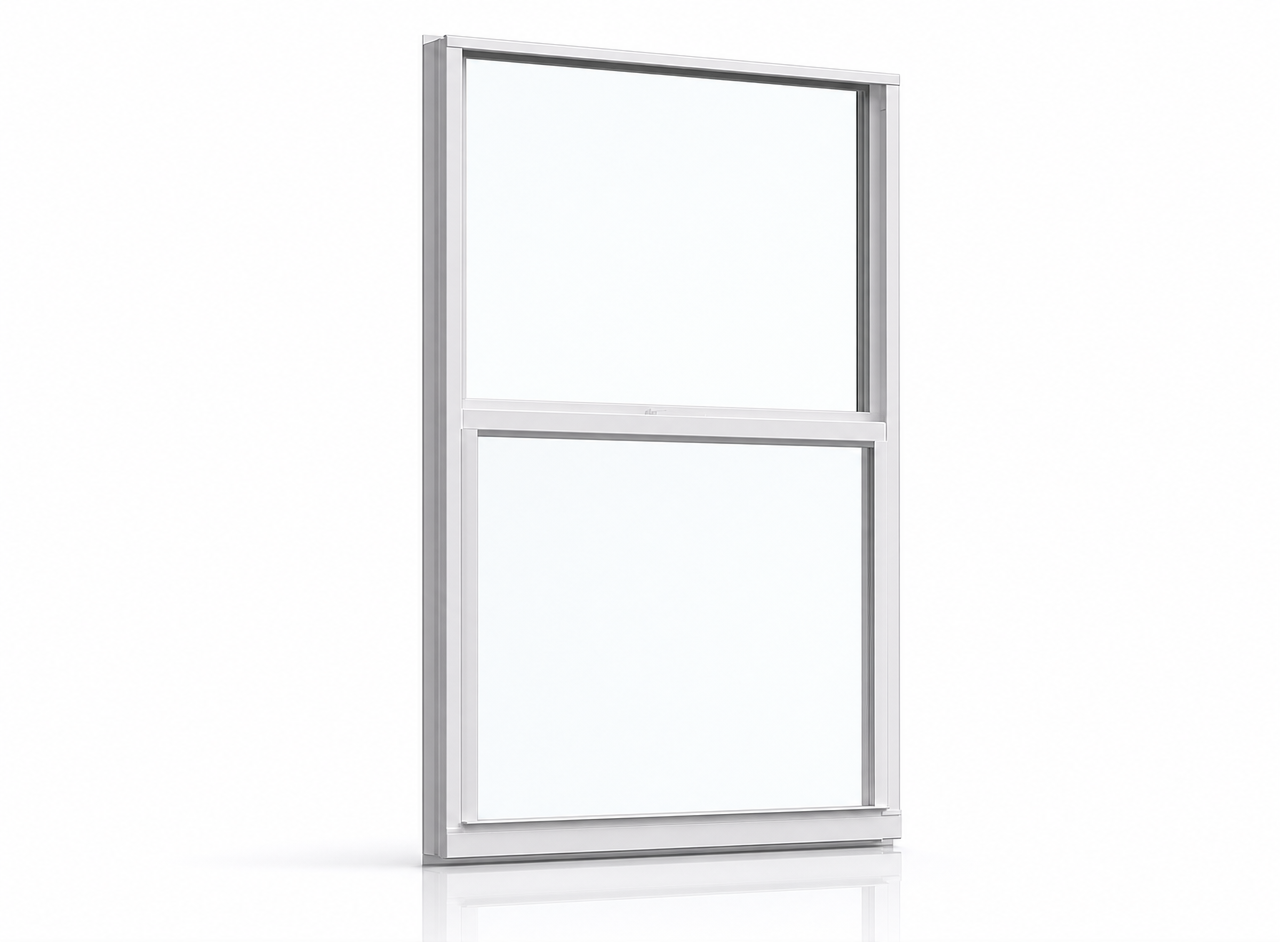
 PGT · WinGuard Aluminum Series
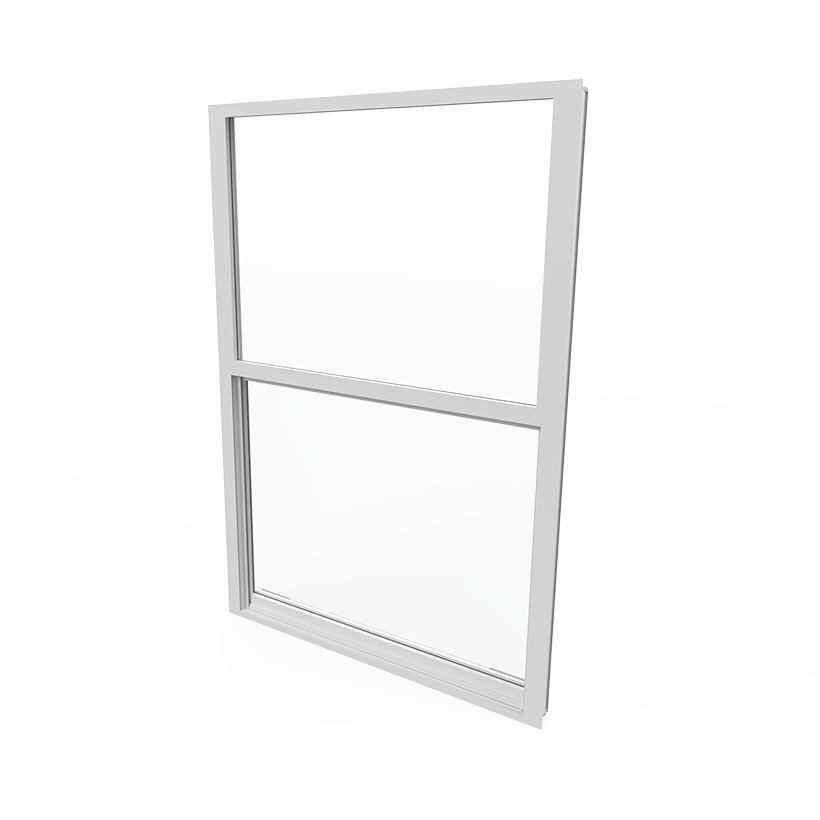
PGT WinGuard Aluminum Single Hung SH7700A
Aluminum impact single-hung on the WinGuard 7700-series frame with Diamond Glass laminated glazing. LMI impact-rated for Miami-Dade and Broward HVHZ installations.
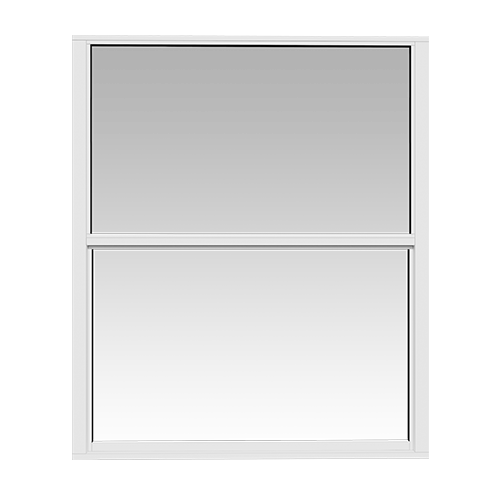
 ECO · Eco-Guard Single Hung Series
Eco-Guard Single Hung Series 50
Entry aluminum impact single hung on a 2-1/8 in. frame, +55/-60 psf, LMI for HVHZ, with block-and-tackle balances.
 ES Windows · Elite Series
ES Windows Elite ES-EL100 Single Hung
Aluminum impact single-hung on a 2-15/16 inch frame with block-and-tackle or ultra-lift balances. Saflex/Kuraray PVB, Vanceva Storm, and SentryGlas Plus interlayers available.
Step 6: Submit Your Grant Application
When your priority group window opens, submit the two-stage grant application:
- Stage 1: Confirms your eligibility
- Stage 2: Requires your chosen contractor's name and license number, plus project details and cost estimates
Verify your contractor's license at myfloridalicense.com before submitting. Grant approval typically takes 2-4 weeks after submission.
Step 7: Complete the Work
After receiving grant approval, and only after receiving approval, your contractor can begin work. The contractor obtains all necessary permits and completes the installation to Florida Building Code standards. Keep all receipts, invoices, and documentation.
Step 8: Final Inspection and Reimbursement
Schedule the final inspection through the portal. After the local building department verifies the work, submit your draw request with the final inspection report and paid-in-full invoice. Reimbursement processes within 4-6 weeks.
The Free Inspection: Worth It Even Without the Grant
The MSFH free wind mitigation inspection is worth having on its own, separate from the grant. Here's why:
Immediate Insurance Savings
The inspection produces a report that documents your home's existing hurricane features: roof shape, roof-to-wall connections, roof deck attachment, opening protection, and secondary water resistance. When you share this report with your insurance company, you may qualify for wind mitigation credits you weren't previously receiving.
Under Florida Statute 627.0629, insurers are required to offer premium discounts for verified mitigation features. The potential savings:
| Mitigation Feature | Typical Premium Discount |
|---|---|
| Opening protection (all openings) | 15-30% of wind premium |
| Hip roof design | 5-15% |
| Roof-to-wall connections (clips/wraps) | 5-15% |
| Secondary water resistance | 5-10% |
| Roof deck attachment | 5-10% |
When all features are maximized, total discount on the windstorm portion of your policy can reach up to 88%. Even documenting one or two existing features can save $200-$500+ per year.
A Roadmap for Future Improvements
Even if your income exceeds the 120% threshold or you don't qualify for other reasons, the inspection report gives you a prioritized list of improvements ranked by impact. This is useful for planning a phased upgrade approach, starting with the highest-impact items first.
Common Mistakes That Disqualify Applicants
The MSFH program has strict rules. These are the errors that most commonly cost homeowners their grants:
1. Starting work before grant approval. This is the number one disqualifier. If you begin any hurricane-hardening work before receiving official grant approval through the portal, your application is automatically disqualified. No exceptions. Wait for the approval email before your contractor touches anything.
2. Skipping the prioritization questionnaire. Over 30,000 applicants completed their inspections but never filled out the questionnaire in the portal. Their applications went inactive. Log in after your inspection and complete it immediately.
3. Using an unlicensed contractor. Your contractor must hold a valid Florida license. Verify at myfloridalicense.com. Unlicensed work will not be approved for reimbursement and may violate Florida law.
4. Missing your priority group window. When your application window opens, you have a limited time to submit. Funding exhausts quickly. Have your contractor quotes, license numbers, and documentation ready to upload the day your group opens.
5. Incomplete documentation. Missing receipts, unsigned invoices, or failure to obtain proper building permits will delay or void your reimbursement. Keep organized records from day one.
6. Applying through the wrong inspection. Only inspections arranged through the official mysafeflhome.com portal count. A standard wind mitigation inspection ordered through your insurance agent is a different product and does not qualify you for the grant.
7. Letting a 60-day clock lapse. Two deadlines close cases administratively: the 60-day contractor-confirmation window that opens with your grant award, and the 60-day response window on any Request for Information the program sends during review (those emails come from a no-reply address, so whitelist the sender). Closed cases cannot be reopened. There is one new protection here: a law signed June 26, 2026 (Chapter 2026-174) requires five business days' notice before an application is deemed abandoned, and creates defined circumstances for previously rejected applicants to reapply. A welcome softening, but the clocks still control.
Stacking MSFH with Other Programs
The MSFH grant is stackable with other financing and incentive programs, cutting your out-of-pocket cost well below the sticker price.
PACE Financing
Property Assessed Clean Energy (PACE) programs let you finance hurricane-hardening improvements through your property tax bill:
- $0 down, income-verified approval
- Payments spread over 10-25 years
- Transfers with the property if you sell
- Interest rates typically 6-9%
- Available statewide through programs like Ygrene and Florida PACE
PACE can cover the upfront cost while you wait for MSFH reimbursement, or it can finance the homeowner's matching portion of a moderate-income grant.
PACE is just one of several ways to handle the out-of-pocket portion. Separate from the MSFH grant itself, the financing we offer through our lending partner can bridge the gap before your reimbursement arrives, or cover your matching contribution on a moderate-income grant.
| Option | Down payment | Credit check | Typical term | Best for |
|---|---|---|---|---|
Personal loan
via our partner 
|
$0 down | Soft pre-qual | 2–12 yrs | Fast funding, no home equity needed |
| PACE | $0 down | Equity-based approval; income verified | Up to 20 yrs | Equity-rich homes; tax-bill lien senior to mortgage |
| Promo: no interest if paid in full | $0 down | For qualified buyers | 12–18 mo | Paying off inside the promo window |
| Home equity / HELOC | Varies | Yes | 5–20 yrs | Lowest rates when you have equity |
Insurance Savings
The improvements you make through MSFH directly qualify for insurance premium discounts under Florida Statute 627.0629. After your work is complete, get a new wind mitigation inspection and submit it to your insurer. Impact windows on all openings typically qualify for the maximum opening-protection credit, saving $1,000-$3,500 per year in South Florida.
FEMA Hazard Mitigation Grant Program (HMGP)
After Presidential disaster declarations, FEMA's HMGP provides up to 75% of eligible costs for approved mitigation projects. Retrofitting for hurricane wind resistance is an eligible category. Projects costing less than 10% of building replacement value are automatically deemed cost-effective.
Energy Savings
Impact windows with IGU construction reduce cooling costs by 20-40% ($500-$800/year for an average Florida home). This isn't a formal rebate, but it's a real annual return that compounds alongside your insurance savings.
Combined Example
A moderate-income homeowner in Broward County installing $25,000 in impact windows:
| Source | Amount |
|---|---|
| MSFH grant (2:1 match on $5,000 contribution) | -$10,000 |
| Year 1 insurance savings | -$1,500 |
| Year 1 energy savings | -$600 |
| Net first-year cost | $12,900 |
| 10-year insurance + energy savings | -$21,000 |
| Net 10-year cost | -$6,100 (net positive) |
Next Steps
- Check your eligibility at mysafeflhome.com. It takes 10-15 minutes.
- Schedule the free inspection even if you're not sure about the grant. The insurance savings alone are worth it.
- Complete the prioritization questionnaire immediately after receiving your inspection report. Don't be one of the 30,000 who missed this step.
- Get contractor quotes while you wait for your priority window. Review itemized impact window pricing by type and frame material so you can size your matching contribution before the grant award, then request a free estimate for your specific home.
- Apply the moment your priority group opens. Funding goes fast.
- Do not start work before approval. No rule in this program matters more.
The best time to apply is before the next hurricane season. The program exists because Florida knows the cost of not being prepared, and it's willing to pay to help you get there.