
Impact Windows South Florida
Hurricane protection with exceptional energy efficiency
Engineered and tested to withstand hurricane conditions and the most stringent coastal requirements, our impact windows will help protect your home and keep your family safe.
Compare Window Brands, Models & Prices
Explore trusted impact window brands and find the right models for your home. Compare prices with confidence.





Get A Free Estimate
Takes 30 seconds. No obligation. No spam.



Protect your home and family with Armor Pro
Get the peace of mind you deserve with solutions built for safety and durability.
Impact Window Styles
We offer a comprehensive range of impact window styles to complement your South Florida home's architecture:
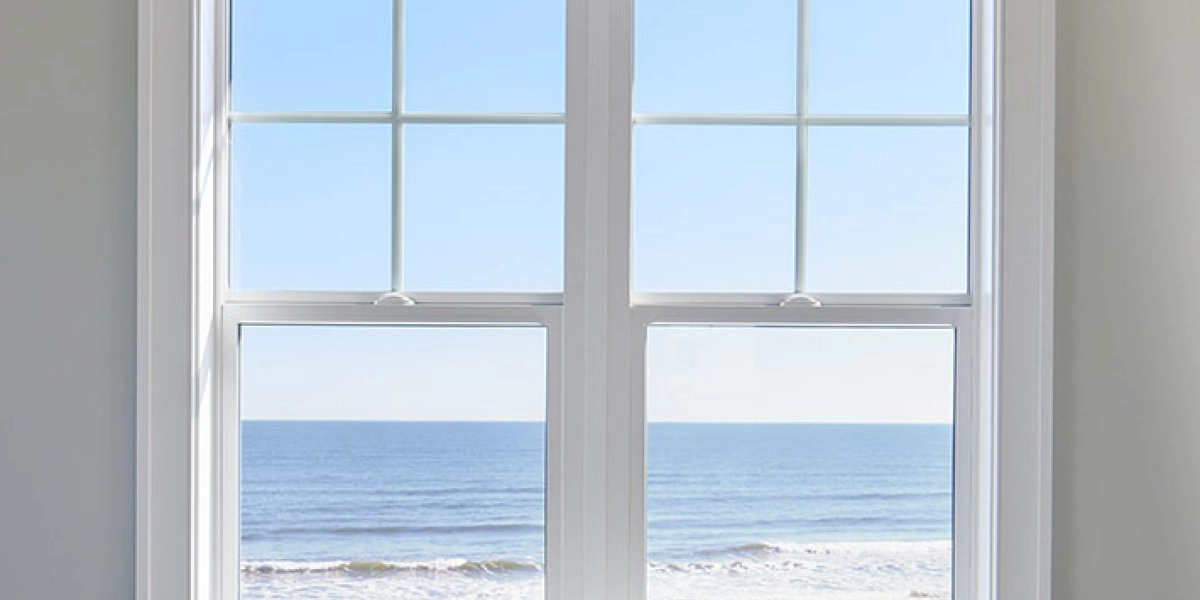

Single-Hung Windows
South Florida's classic choice combining traditional aesthetics with hurricane protection. These windows feature a movable bottom sash while the top remains fixed for efficient ventilation control.
Single-Hung Details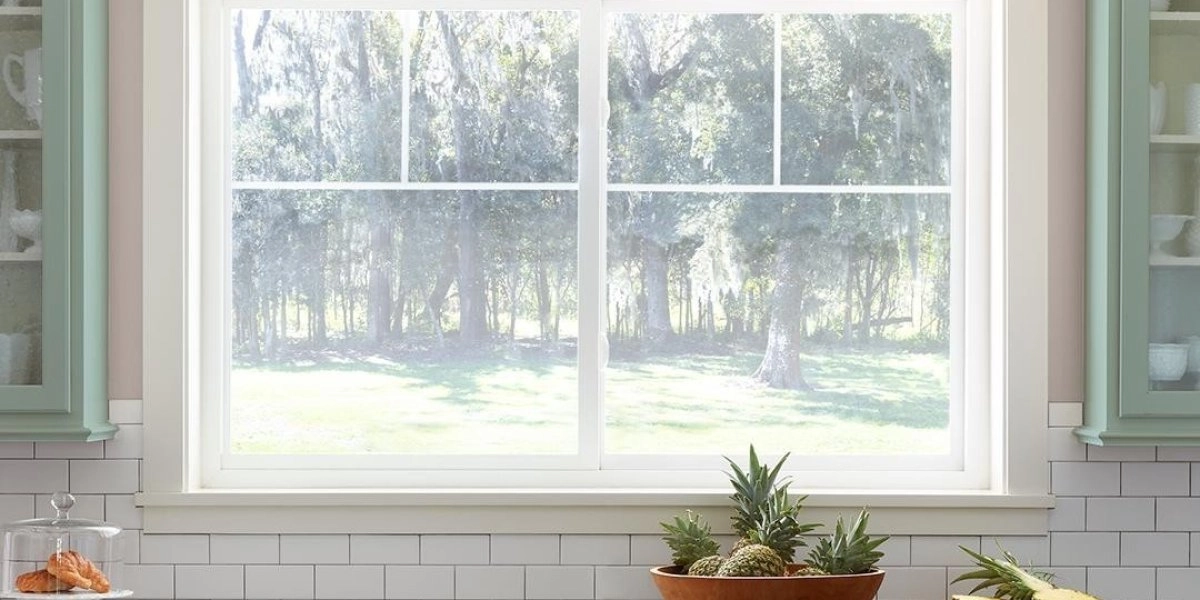

Sliding Windows
Horizontal operation provides effortless functionality and maximizes ventilation. These impact windows glide smoothly along tracks, perfect for spaces where outward opening would cause obstruction.
Sliding Windows Details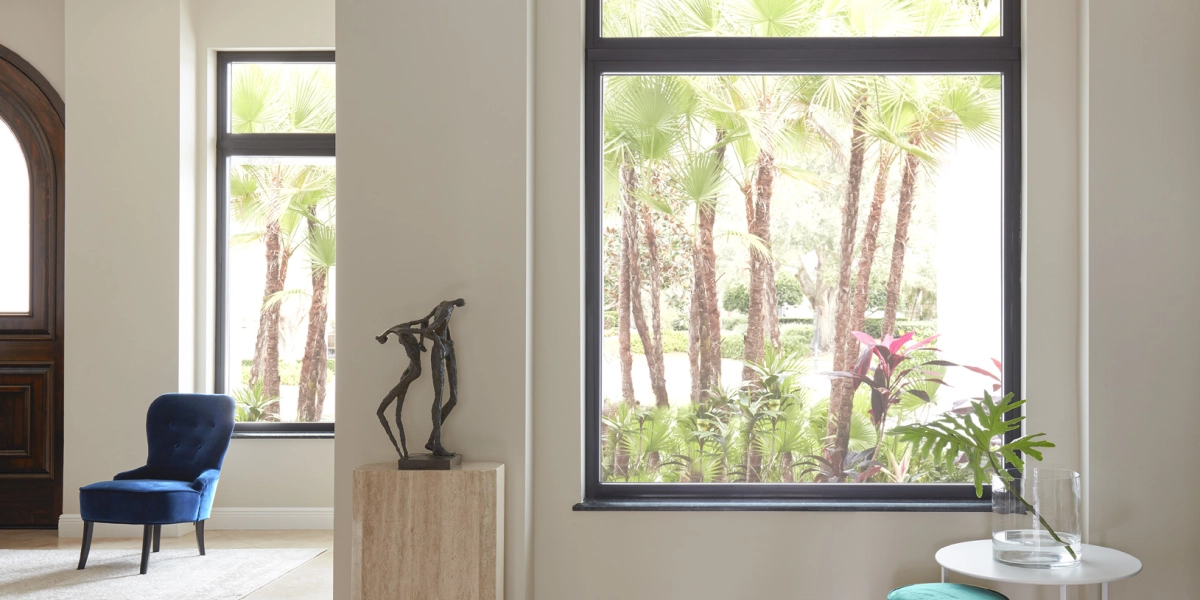

Picture Windows
Maximize your South Florida views with fixed, non-opening impact windows designed for unobstructed visibility. Picture windows offer superior light transmission while maintaining the highest levels of hurricane protection.
Picture Windows Details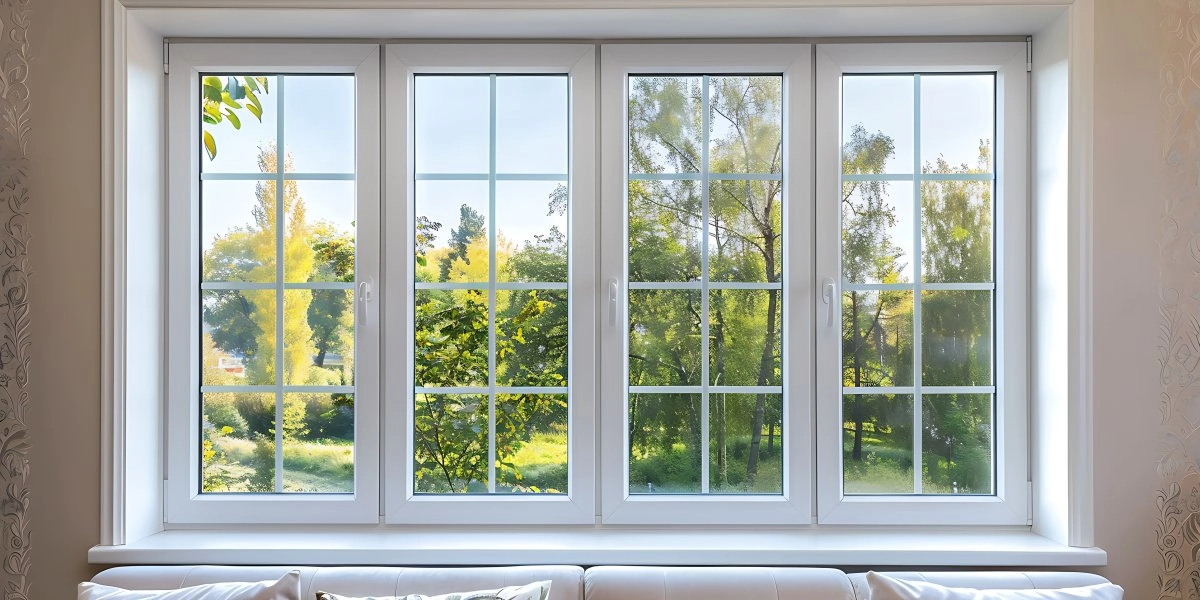

Casement Windows
Hinged on one side and opening outward with a crank, these windows provide excellent ventilation and a tight seal against hurricane-force winds and water intrusion.
Casement Windows Details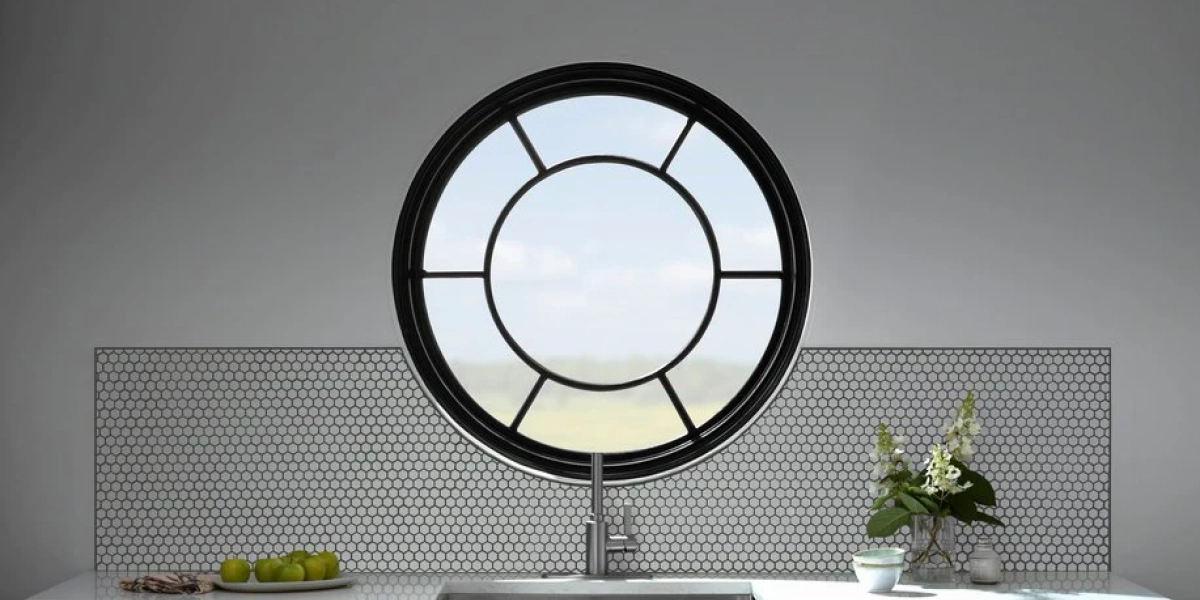

Architectural Windows
Distinctive geometric shapes and custom designs that maintain hurricane protection standards while adding architectural interest to Florida homes and buildings.
Architectural Details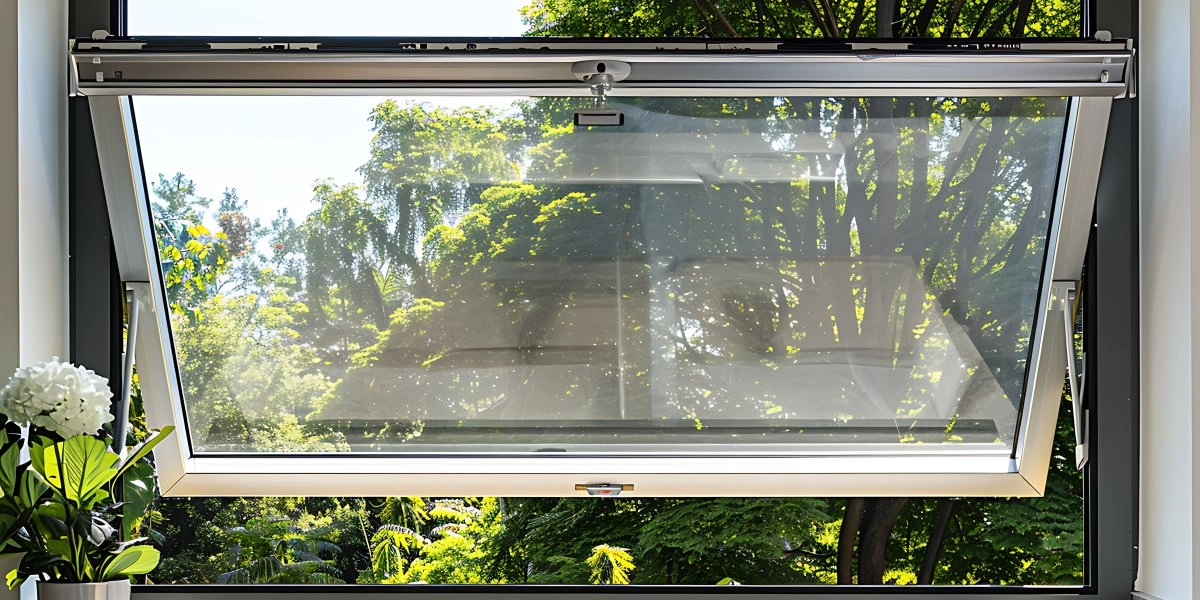

Awning Windows
Hinged at the top and opening outward, these versatile impact windows allow ventilation even during South Florida's frequent rain showers while providing complete hurricane protection.
Awning Windows DetailsGetting Started With Hurricane Impact Windows
In a few simple steps, you could be getting started on your home protection project. Here's how it works:
Request a Free Consultation
Book a specialist to assess your home's needs and provide expert recommendations for hurricane protection.
Choose Your Windows
Select from our wide range of impact-resistant products that match your style, budget, and protection requirements.
Professional Installation
Our certified installers will properly fit your new impact windows, ensuring they meet all code requirements and perform as designed.
Enjoy Peace of Mind
Relax knowing your home is protected against hurricanes, intruders, and UV damage, while lowering your insurance premiums.
Materials & Construction
Vinyl Frames
- Excellent energy efficiency
- Virtually maintenance-free
- Resistant to salt air corrosion
- Wide range of color options
- Budget-friendly pricing
Aluminum Frames
- Superior strength-to-weight ratio
- Slim profile maximizes glass area
- Excellent for large openings
- Enhanced structural support
- Recyclable and sustainable
Composite Frames
- Wood fiber with polymer resins
- Durable Wood-like appearance
- Superior thermal performance
- Resistant to rot, decay, and insects
- Low maintenance requirements
Glass Options & Impact Ratings
Our impact windows feature multi-layered glass packages designed to meet or exceed Florida's strict building codes:
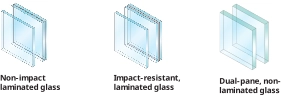
Glass Types:
- Laminated Glass: Multiple layers bonded with PVB or EVA interlayers
- Insulating Glass Units (IGU): Dual-pane or triple-pane configurations with sealed air spaces
- Low-E Glass: Special coatings that reflect infrared light while allowing visible light to pass through
Impact Ratings Explained:
How Impact Glass Works
Laminated Insulating Glass
At Armor Pro Windows & Doors, we use a precision-engineered glass units with multiple layers working together for hurricane protection, energy efficiency, and UV defense.
Interactive Diagram
Explore Each Layer
This is a laminated insulating glass unit — the same glass system installed in every Armor Pro impact window. Click or tap any layer to see how each of the 9 components works together to protect your home from hurricanes, heat, UV radiation, and noise.
Layer 1 of 8
Outer Glass
The first line of defense
The outermost glass pane is heat-strengthened for superior impact resistance. It faces the exterior and takes the direct force of hurricane-driven debris, distributing impact energy across its surface before transferring it to the PVB interlayer beneath.
- Heat-strengthened: 4-5x stronger than standard annealed glass
- Withstands the Miami-Dade large missile impact test (9 lb 2x4 at 34 mph)
- Resists thermal stress from Florida's intense sun exposure
- Surface #1 faces the exterior environment
- May spider-crack on impact but will not shatter into dangerous shards
Layer 2 of 8
PVB Interlayer
The safety membrane that holds it all together
A tough, transparent polyvinyl butyral (PVB) film permanently bonded between the two glass panes of the exterior laminate. When the glass cracks, the PVB holds every fragment in place — keeping the building envelope sealed against wind and rain.
- 0.060" thick PVB (or 0.090" SGP for high-performance units)
- Bonds the glass into a single laminated unit that stays intact after fracture
- Absorbs and distributes impact energy across the entire pane
- Blocks 99% of UV radiation, protecting interiors from fading
- Tested to withstand 9,000+ positive and negative pressure cycles
Layer 3 of 8
Inner Glass
Second glass layer of the exterior laminate
The inner sheet of the exterior laminated pane. Together with the outer glass and PVB, it completes the exterior "sandwich" — a laminated assembly that behaves as a single, extraordinarily resilient pane.
- Works with the PVB to create the laminated bond
- Surface #2 (inner face) is where the Low-E coating is typically applied
- Provides additional mass for sound dampening (STC 32-38)
- Maintains structural integrity under sustained hurricane-force pressure
- The completed exterior laminate passes both large and small missile impact tests
Layer 4 of 8
Low-E Coating
Invisible energy shield
A microscopically thin metallic oxide coating applied to surface #2 (the inner face of the exterior pane). It reflects infrared solar heat back outside while allowing visible light to pass through freely, keeping your home dramatically cooler.
- Reflects up to 70% of solar heat energy
- Blocks 99% of UV radiation (works with PVB for near-total UV defense)
- Improves the window's U-factor by 30-40%
- Reduces SHGC (Solar Heat Gain Coefficient) for lower cooling bills
- Virtually invisible — no perceptible tint or change in view clarity
Layer 5 of 8
Argon Gas Fill
Thermal and acoustic buffer zone
The sealed space between the exterior and interior laminated panes is filled with argon, an inert gas that insulates 34% better than air. This thermal buffer zone is the primary driver of the window's energy efficiency.
- Argon is non-toxic, odorless, colorless, and completely inert
- 34% lower thermal conductivity than air
- Typical gap width: 1/2" to 3/4" (engineered for optimal insulation)
- Also dampens sound transmission between exterior and interior panes
- Hermetically sealed to maintain gas fill for the window's 25-30+ year lifespan
Layer 6 of 8
Outer Glass
The interior pane's first glass layer
The outer glass sheet of the interior laminated pane faces the argon gas space. It provides a second impact-resistant barrier and contributes to the window's overall structural depth.
- Heat-strengthened, same specification as the exterior pane glass
- Provides redundant protection if the exterior laminate is compromised
- Surface #3 faces the air space (alternative position for Low-E in some configurations)
- Combined with the argon gap, creates the insulating glass unit (IGU) assembly
- Adds a third pane of glass that intruders would need to defeat
Layer 7 of 8
PVB Interlayer
Redundant safety film for the interior laminate
The second PVB interlayer in the system, bonding the interior pane's two glass sheets into a single laminated unit. This redundancy means even in a worst-case breach of the exterior pane, the interior laminate maintains the building envelope.
- Same 0.060" PVB specification as the exterior interlayer
- Creates a second laminated "sandwich" that must be defeated independently
- Additional UV filtering layer (combined system blocks 99%+ of UV)
- Provides further sound dampening — total system achieves STC 35-40
- Makes forced entry through an impact window extraordinarily difficult
Layer 8 of 8
Inner Glass
Your interior-facing glass surface
The innermost glass pane, facing the interior of your home. Surface #4 is the glass you see and touch from inside. It completes the four-glass, two-interlayer, one-air-space system that makes laminated insulating impact glass the gold standard for hurricane protection.
- Surface #4 faces your home's interior
- Can accept optional interior coatings (anti-reflective, easy-clean)
- Contributes to the window's total mass, improving sound isolation
- Completes the dual-laminate system: 4 glass sheets, 2 PVB films, 1 sealed air space
- The finished unit meets or exceeds all HVHZ requirements
Outer Glass (Exterior Pane)
The outermost glass pane is heat-strengthened for superior impact resistance. It faces the exterior and takes the direct force of hurricane-driven debris, distributing impact energy across its surface before transferring it to the PVB interlayer beneath.
PVB Interlayer (Exterior Pane)
A tough, transparent polyvinyl butyral (PVB) film permanently bonded between the two glass panes of the exterior laminate. When the glass cracks, the PVB holds every fragment in place — keeping the building envelope sealed against wind and rain.
Inner Glass (Exterior Pane)
The inner sheet of the exterior laminated pane. Together with the outer glass and PVB, it completes the exterior "sandwich" — a laminated assembly that behaves as a single, extraordinarily resilient pane.
Low-E Coating
A microscopically thin metallic oxide coating applied to surface #2 (the inner face of the exterior pane). It reflects infrared solar heat back outside while allowing visible light to pass through freely, keeping your home dramatically cooler.
Argon Gas Fill
The sealed space between the exterior and interior laminated panes is filled with argon, an inert gas that insulates 34% better than air. This thermal buffer zone is the primary driver of the window's energy efficiency.
Outer Glass (Interior Pane)
The outer glass sheet of the interior laminated pane faces the argon gas space. It provides a second impact-resistant barrier and contributes to the window's overall structural depth.
PVB Interlayer (Interior Pane)
The second PVB interlayer in the system, bonding the interior pane's two glass sheets into a single laminated unit. This redundancy means even in a worst-case breach of the exterior pane, the interior laminate maintains the building envelope.
Inner Glass (Interior Pane)
The innermost glass pane, facing the interior of your home. Surface #4 is the glass you see and touch from inside. It completes the four-glass, two-interlayer, one-air-space system that makes laminated insulating impact glass the gold standard for hurricane protection.
Benefits of Impact Windows
Noise Reduction Benefits
- Reduces outside noise by up to 50% compared to standard windows
- STC (Sound Transmission Class) ratings of 35-40+ (higher is better)
- Particularly effective against low-frequency sounds like traffic and aircraft
- Creates a quieter, more peaceful indoor environment
- Especially valuable for homes near busy streets, airports, or commercial areas
Security Advantages
- Virtually impossible to break through quickly and quietly
- Interlayer remains intact even if glass is damaged
- Serves as a powerful deterrent to potential intruders
- Eliminates need for security bars or separate alarm systems
- Most insurance companies offer discounts for homes with impact windows
Warranty Information & Code Compliance
Comprehensive Warranty Coverage
Miami-Dade & Florida Building Code Compliance
We offer impact windows that meet or exceed all regulatory requirements for South Florida:
- Miami-Dade County Notice of Acceptance (NOA): The most stringent testing standard in the country
- Florida Building Code (FBC) Product Approval: Required for all window installations in Florida
- High-Velocity Hurricane Zone (HVHZ) Rated: Specifically designed for Miami-Dade and Broward Counties
- Wind Zone Compliance: Products matched to your property's specific wind zone requirements
- Building Department Approval: We handle all permitting and inspection requirements
Complete Guide to Impact Windows in South Florida
Impact windows have become an essential home improvement for South Florida residents, offering not only protection from hurricanes but also year-round benefits that enhance home comfort, security, and energy efficiency. Understanding the technology, installation requirements, and long-term advantages of impact windows can help homeowners make informed decisions about this significant investment in their property.
The Evolution of Impact Window Technology
The development of impact-resistant windows traces back to the aftermath of Hurricane Andrew in 1992, which devastated South Florida and exposed the vulnerabilities of traditional window systems. In response, engineers and manufacturers developed specialized glazing systems that could withstand the extreme forces of hurricane-force winds and flying debris. Today's impact windows represent the culmination of decades of research, testing, and refinement, incorporating advanced materials and construction techniques to provide unparalleled protection.
Modern impact windows utilize laminated glass technology similar to that used in automobile windshields. This construction consists of two sheets of glass bonded together with a specialized interlayer material, typically polyvinyl butyral (PVB) or ethylene-vinyl acetate (EVA). When subjected to impact, the glass may crack, but the interlayer holds the fragments in place, preventing breach of the building envelope and maintaining structural integrity during severe weather events.
Understanding Florida Building Code Requirements
The Florida Building Code (FBC) establishes stringent requirements for impact-resistant windows, particularly in high-velocity hurricane zones (HVHZ) that include Miami-Dade and Broward counties. These requirements mandate that all windows installed in these regions must pass rigorous testing protocols that simulate hurricane conditions. The testing process includes both large and small missile impact tests, as well as cyclic pressure testing that subjects windows to thousands of positive and negative pressure cycles to simulate the dynamic forces experienced during a hurricane.
For homeowners in South Florida, compliance with these codes is not optional but mandatory. Impact windows must carry specific certifications, including the Miami-Dade County Notice of Acceptance (NOA), which represents the most stringent testing standard in the country. Products that meet these requirements undergo extensive third-party testing and must demonstrate their ability to maintain structural integrity even after impact from debris traveling at high velocities.
Energy Efficiency and Climate Considerations
In South Florida's subtropical climate, where cooling costs can represent a significant portion of household energy expenses, the energy efficiency of windows plays a crucial role in home comfort and utility bills. Impact windows offer superior energy performance compared to standard windows, thanks to their multi-layered construction and the availability of advanced low-emissivity (Low-E) coatings that reflect solar radiation while allowing visible light to pass through.
The energy performance of impact windows is measured through several key metrics. The U-factor measures how well a window prevents heat from escaping, with lower values indicating better insulation. The Solar Heat Gain Coefficient (SHGC) measures how much solar radiation passes through a window, with lower values being preferable in hot climates like South Florida. Visible Transmittance (VT) indicates how much natural light enters through the window, while Air Leakage ratings measure how much air passes through the window assembly.
Installation Best Practices and Considerations
Proper installation of impact windows is as critical as the quality of the windows themselves. Even the highest-rated impact window can fail to perform as designed if not installed correctly. Professional installation by certified contractors ensures that windows are properly anchored to the building structure, sealed against water infiltration, and aligned for optimal operation. The installation process typically involves removing existing windows, preparing the opening, installing appropriate flashing and sealants, and securing the new window with approved fasteners that meet code requirements.
During installation, particular attention must be paid to the window's integration with the building's water management system. Proper flashing and drainage details prevent water infiltration, which can lead to structural damage, mold growth, and indoor air quality issues. Professional installers also ensure that windows operate smoothly, locks function correctly, and all components are properly adjusted for optimal performance.
Complete Your Home's Protection
Impact windows are only part of a comprehensive hurricane protection strategy. Your home's impact doors — including sliding glass doors and French doors — are equally critical openings that require protection. For homeowners comparing options, hurricane shutters offer an alternative approach at a different price point. See our detailed cost guide for pricing by window type and frame material, or explore financing options to make your project affordable.
Florida Wind Protection Zones
What your county requires — and how it affects cost. Click any county for details.
Select a County
Click any county on the map to see its wind protection requirements, design wind speed, permit costs, and how they affect your project cost.
Why does location matter? Miami-Dade and Broward require products with a Miami-Dade NOA — the strictest certification in the country. Products approved only under the general Florida Building Code cannot be installed there. NOA-approved products cost 10-20% more.
Want an address-level answer? Use our wind zone lookup tool to see your design wind speed, regulatory zone, and required certifications instantly.
Ready to protect your home?
Get your personalized estimate in 24 hours.
Complete Hurricane Protection
Impact windows are the cornerstone — but a whole-home approach pairs them with impact doors and (where budget rules out full replacement) hurricane shutters.
Impact-Rated Entry, Sliding, and French Doors
Pair impact windows with hurricane impact doors for true whole-home protection. Same laminated glass technology, engineered for entry, patio, and french-door openings.
Hurricane Shutters as a Budget Alternative
Not ready for full window replacement? Hurricane shutters deliver effective storm protection at a lower price point — accordion, roll-down, Bahama, and colonial styles available.