

I. Introduction
Every Florida homeowner living in a hurricane-prone region faces the same question: impact windows or hurricane shutters? The answer involves more than personal preference. It depends on your county's wind-speed requirements, your insurance carrier's discount structure, how often you're home during storm season, and whether you value year-round benefits like noise reduction and energy savings or simply need the lowest-cost path to code compliance.
Both options work. Impact windows kept water out of HVHZ-compliant homes in Sunny Isles Beach during Irma (2017) while neighboring buildings with undeployed shutters sustained significant water damage. Accordion shutters in Homestead weathered Hurricane Andrew's 165 mph gusts when properly installed. The question isn't whether one is "better" in the abstract. It's which solution fits your situation, budget, and risk tolerance when you look at the numbers.
This guide compares impact windows and hurricane shutters across eight dimensions: the physics of why protection matters, the engineering standards behind each product, cost at every level (per window, per home, per year, per decade), insurance impact by county, daily livability, code compliance, real-world hurricane performance, and available government incentives. Every claim is tied to specific test standards, documented storm data, or cited research. By the end, you'll have the data to make a decision rather than a guess.
II. Why Protection Matters: The Envelope Breach Cascade
Before comparing products, it's worth understanding the mechanism that makes hurricane protection critical. This isn't about aesthetics or convenience. It's structural physics.
A building's exterior walls, roof, windows, and doors form its envelope -- the barrier separating inside from outside. During a hurricane, maintaining envelope integrity is the single most critical factor in preventing catastrophic structural failure. Wind-borne debris causes 60-70% of window failures during hurricanes. At Category 4 sustained winds of 130 mph, a 2x4 can travel at 43-65 mph, generating approximately 400 foot-pounds of impact energy. Standard windows shatter instantly.
Here's what happens next:
- Wind rushes into the building through the breach
- Internal positive pressure of 30-60 PSF builds inside the structure
- Meanwhile, external suction on the roof generates 40-80 PSF of outward pull
- Combined, these create 70-140 PSF of total uplift force on the roof
- Roof systems are engineered for external pressure alone, not this combined internal-push/external-pull force that can double or triple the lifting load
- The roof separates. Walls lose lateral support. Total structural failure follows.
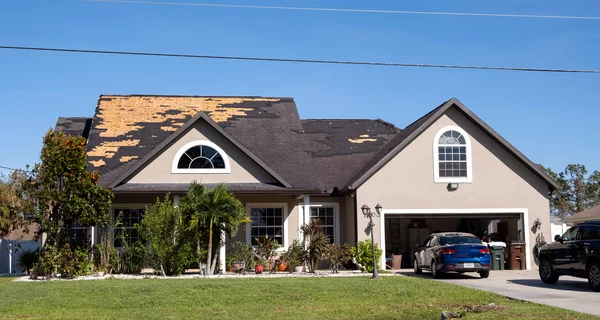
This is how Hurricane Andrew destroyed 63,500 homes in 1992. The majority of catastrophic residential losses were caused by this cascade -- from a single broken window to total structural failure. It was this mechanism that led to the creation of the impact window product category and the HVHZ building code.
Both impact windows and hurricane shutters exist to prevent envelope breach. The difference is how and when they do it.
III. What Each Solution Actually Is
Impact Windows
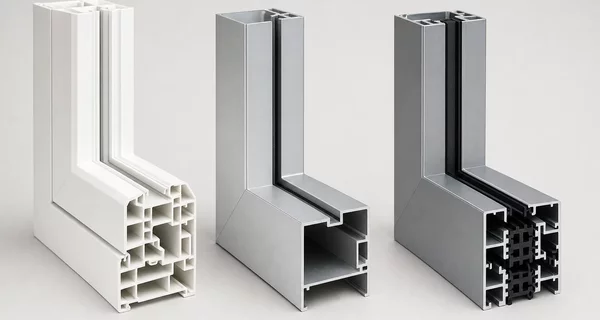
Impact windows are permanently installed window systems with laminated glass -- two or more sheets of glass bonded to a polymer interlayer (typically polyvinyl butyral or the 100x stiffer ionoplast alternative, SentryGlas) inside reinforced aluminum, vinyl, or composite frames. When struck by debris, the outer glass absorbs the initial kinetic energy and fractures. The interlayer then stretches and deforms, absorbing additional energy through plastic deformation. Even if both glass lites crack completely, the interlayer holds all fragments in position. The cracked-but-intact panel remains sealed within the frame, preventing wind and water penetration.
Key engineering standards:
- TAS 201 / ASTM E1996 (Missile Impact): In HVHZ areas, a 9-lb 2x4 lumber projectile is fired at 50 fps (34 mph) at the glazing from a pneumatic cannon. Impact locations include the center of glass, near frame corners, and at frame/glass junctions. Three windows tested, two impacts each. For buildings above 30 feet, a separate small-missile test fires 30 steel ball bearings (2 grams each) at 130 fps.
- TAS 203 / ASTM E1886 (Cyclic Pressure): After the missile impact, the damaged specimen must withstand 9,000 cycles of alternating positive and negative pressure at 1.5x the rated design pressure -- simulating hours of sustained hurricane-force winds with simultaneous wind-driven rain.
- Miami-Dade NOA (Notice of Acceptance): The strictest product approval in the U.S. The approval process spans 6-12 months and costs manufacturers $15,000-$50,000 for testing alone, with mandatory annual renewal and factory inspections. Products carrying a Miami-Dade NOA are accepted everywhere in Florida and in most U.S. hurricane jurisdictions.
Critical detail: the tear tolerance gap. This is the single most important technical distinction most comparison articles miss. After cyclic pressure testing:
- HVHZ standard (TAS): No interlayer tear exceeding 5 inches long and 1/16 inch wide
- Standard FBC (ASTM, non-HVHZ): No tear exceeding 5 inches long and 3 inches wide
That's a 48x difference in allowable tear width. This is why Miami-Dade NOA products cost more, why not all "Florida-approved" impact windows can be installed in Miami-Dade or Broward, and why the three-tier product approval hierarchy matters:
| Tier | Approval | Jurisdiction | Accepted Where |
|---|---|---|---|
| 1 | Miami-Dade NOA | Miami-Dade County | Statewide Florida + most U.S. jurisdictions |
| 2 | Broward County BC | Broward County | Broward only (not Miami-Dade) |
| 3 | Florida Product Approval | State of Florida | Non-HVHZ areas only |
Impact windows are structural components. Once installed, they are always on.
Hurricane Shutters
Hurricane shutters are deployable barriers mounted over or in front of existing windows and doors. They block wind-borne debris from reaching the glass. When the storm passes, most types retract, fold, or are removed and stored.
In HVHZ counties (Miami-Dade, Broward, coastal Palm Beach), shutters must pass the same TAS 201/202/203 missile-impact and cyclic-pressure tests as impact windows. Outside the HVHZ, shutters must meet ASTM E1996/E1886.
Common types, costs, and deployment characteristics:
| Shutter Type | Cost per Sq Ft | Deployment Time (Typical Home) | Permanent Mount? | Notes |
|---|---|---|---|---|
| Steel storm panels | $7-15 | 3-6 hours (2 people) | Tracks only | Heaviest; most rust-prone in salt air |
| Aluminum storm panels | $10-20 | 3-6 hours (2 people) | Tracks only | Lighter; still requires storage space |
| Accordion shutters | $18-30 | 15-30 minutes | Yes | Best-selling permanent shutter type |
| Roll-down (manual) | $25-40 | 5-15 minutes | Yes | Crank-operated from inside |
| Roll-down (motorized) | $40-55+ | Under 5 minutes | Yes | Fastest deployment; highest cost |
| Bahama shutters | $20-35 | 5-10 minutes | Yes | Decorative; partially obstructs views when open |
| Colonial shutters | $20-35 | 5-10 minutes | Yes | Decorative; hinged side panels |
IV. Protection: Always-On vs. Deployment-Dependent
Impact Windows
- Protection is continuous. No forecast required, no ladder, no tools, no help.
- In an unexpected or rapidly intensifying storm, your home is already sealed. This matters more than ever: rapid intensification events -- storms gaining 35+ mph in 24 hours -- have tripled since 1980. Hurricane Milton (2024) went from tropical storm to Category 5 in under 24 hours.
- Laminated glass maintains the building envelope even after cracking, preventing the internal pressurization cascade described in Section II.
- Meet HVHZ 175 mph standards by default when properly specified.
Hurricane Shutters
- Protection is event-driven. You deploy before the storm and retract after.
- If you're traveling, elderly, or physically limited, deployment may not happen in time.
- Steel and aluminum panels require 2 people and 3-6 hours to install across a typical home. That's manageable with 72 hours of warning. It's a problem with 12 -- and rapid intensification is making short-notice storms more common.
- When properly deployed, high-quality shutters provide debris protection equivalent to impact windows at the same certification tier.
- If any opening is left uncovered, internal pressurization can compromise the entire structure. One missed window can mean a lost roof.
Real-World Hurricane Performance
Hurricane Andrew (1992), Category 5, Miami-Dade: 63,500 homes destroyed, 100,000+ damaged, $27.3 billion in losses. The storm that created the impact window product category. Standard windows shattered from debris. The envelope breach cascade -- from single broken window to total roof failure -- caused the majority of catastrophic losses. 16 insurance companies failed in the aftermath.
Hurricane Irma (2017), Category 4, Statewide: The first large-scale test of modern impact windows. Homes with impact-rated windows in HVHZ-compliant buildings sustained minimal structural damage. But Irma revealed an honest limitation: its 16-hour wind duration -- far exceeding the 15-minute laboratory test cycles in TAS 203 -- stressed gaskets and weatherstripping beyond their tested limits. Water intruded through intact but stressed seals at window bottoms. Impact windows survived structurally but leaked. Insurance payouts averaged 30% higher for non-compliant or unprotected homes.
Hurricane Ian (2022), Category 4, Fort Myers: $112 billion in losses -- the costliest hurricane in Florida history. The Insurance Institute for Business & Home Safety (IBHS) studied 3,646 single-family homes: 97% of Fort Myers Beach buildings were damaged or destroyed. But newer construction built to modern codes concentrated in lower damage categories, while nearly one-third of pre-code construction reached complete damage levels. Ian also proved that impact windows are a wind and debris defense, not a flood defense -- waterfront structures that survived wind structurally still lost windows to surge forces exceeding anything in debris-impact protocols.
Hurricane Milton (2024), Category 3 at landfall, Tampa Bay: Hit an area where impact adoption was low compared to South Florida. 39 tornadoes formed (including 3 rated EF-3). Gusts exceeding 100 mph around Tampa and Sarasota caused significant structural damage to buildings lacking impact protection. Expected to drive sustained demand increases in the Tampa/Sarasota/Pinellas corridor through 2026-2027.
The deployment gap is the critical variable. Shutters that aren't up when the storm hits provide zero protection. Evacuated homeowners with shutters left in the garage suffered the same losses as homeowners with no protection at all. Impact windows don't have a deployment gap.
V. Cost Comparison: Per Window, Per Home, Per Year, Per Decade
Cost is the primary reason homeowners consider shutters over impact windows. The upfront difference is real. But the total cost picture over a 10- or 20-year horizon reverses the math.
Impact Window Cost by Type (Installed, Florida 2025-2026)
| Window Type | Low End | High End | Typical Average |
|---|---|---|---|
| Single-Hung (standard size) | $1,000 | $2,000 | $1,500 |
| Double-Hung | $1,300 | $2,600 | $1,900 |
| Picture/Fixed (standard) | $1,200 | $2,400 | $1,800 |
| Horizontal Slider | $1,200 | $2,900 | $1,600 |
| Casement | $1,400 | $3,000 | $2,000 |
| Awning | $1,200 | $2,600 | $1,800 |
| Sliding Glass Door (8 ft) | $3,500 | $6,000 | $4,500 |
| Sliding Glass Door (12 ft) | $6,000 | $9,000+ | $7,500 |
| French Door (pair) | $4,000 | $8,000 | $5,500 |
Prices vary by manufacturer tier. Budget brands (ECO
 ECO
ECO Window Systems
Miami-made impact windows and doors with vertical glass integration and Miami-Dade NOA coverage.
Miami-Dade NOA / HVHZ approved 41 models across 10 product lines
Explore ECO
) run ~20% below PGT
ECO
ECO Window Systems
Miami-made impact windows and doors with vertical glass integration and Miami-Dade NOA coverage.
Miami-Dade NOA / HVHZ approved 41 models across 10 product lines
Explore ECO
) run ~20% below PGT
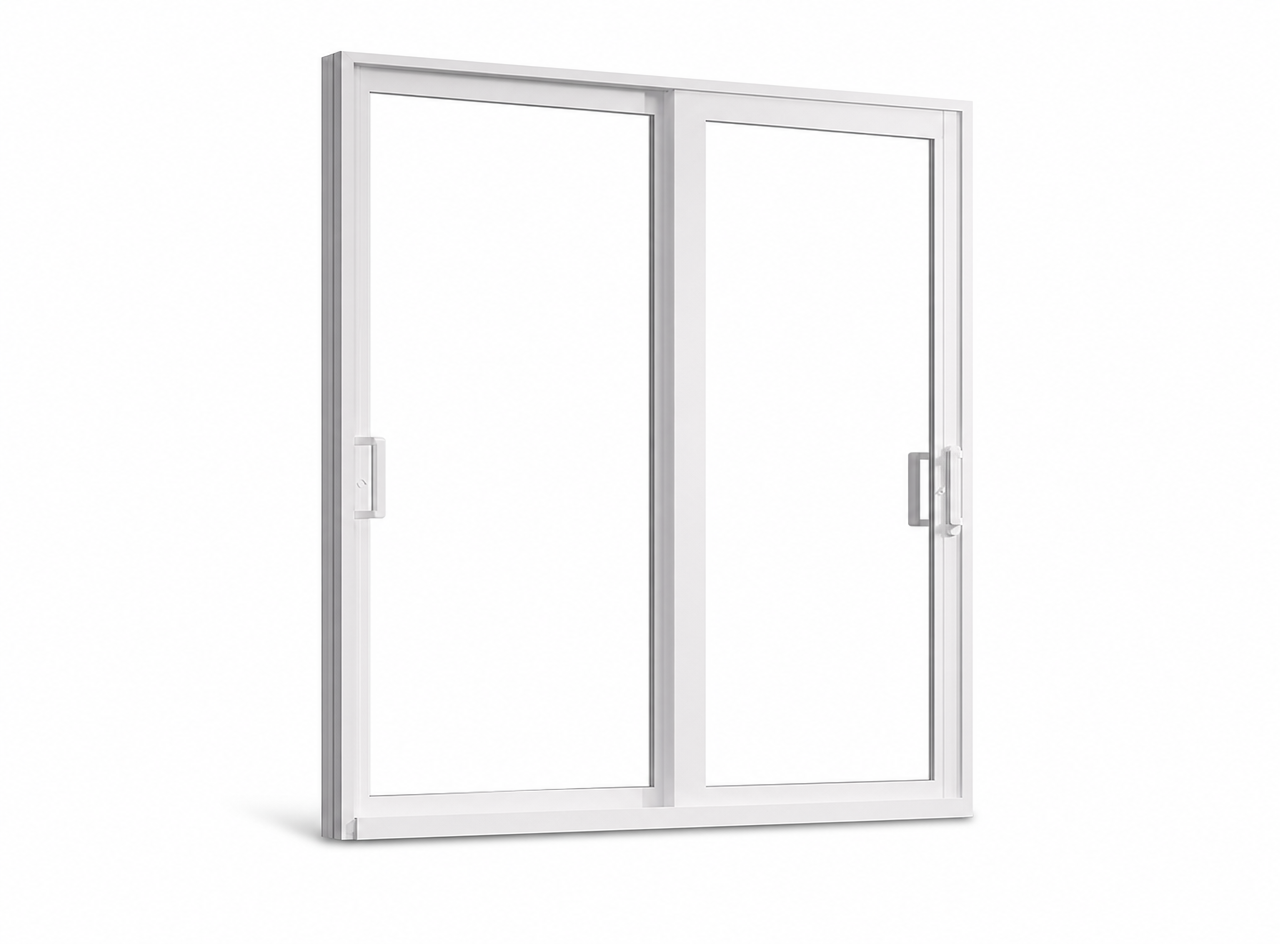
 PGT
PGT Custom Windows & Doors
America's largest impact window and door manufacturer, with 45 years of Florida-specific engineering.
Miami-Dade NOA / HVHZ approved 57 models across 7 product lines
Explore PGT
; premium/luxury brands (WinDoor
PGT
PGT Custom Windows & Doors
America's largest impact window and door manufacturer, with 45 years of Florida-specific engineering.
Miami-Dade NOA / HVHZ approved 57 models across 7 product lines
Explore PGT
; premium/luxury brands (WinDoor
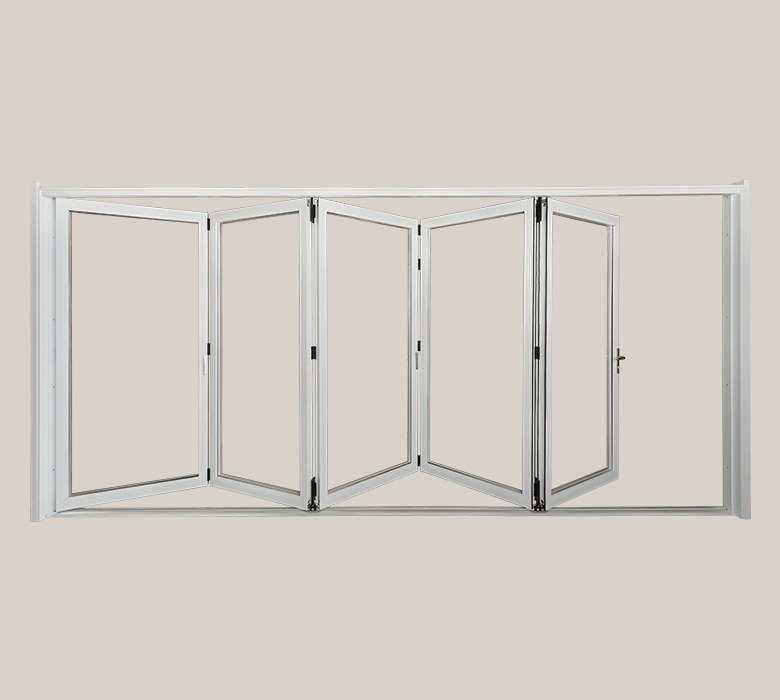
 WinDoor
Luxury aluminum impact windows and doors with industry-leading panel sizes and corner configurations.
9 impact models Manufacturing since 2001
Explore WinDoor
) run significantly above. Frame material matters: vinyl is 15-30% less than aluminum; thermally broken aluminum is 30-50% more than standard aluminum. HVHZ-certified products cost more than standard FBC-approved products due to the stricter testing and annual NOA renewal.
WinDoor
WinDoor
Luxury aluminum impact windows and doors with industry-leading panel sizes and corner configurations.
9 impact models Manufacturing since 2001
Explore WinDoor
) run significantly above. Frame material matters: vinyl is 15-30% less than aluminum; thermally broken aluminum is 30-50% more than standard aluminum. HVHZ-certified products cost more than standard FBC-approved products due to the stricter testing and annual NOA renewal.
Whole-Home Cost Comparison
| Solution | Small Home (8-10 openings) | Average Home (12-15 openings) | Large Home (18-25 openings) |
|---|---|---|---|
| Steel storm panels | $2,000-4,000 | $3,000-5,000 | $5,000-8,000 |
| Accordion shutters | $5,000-8,000 | $7,000-12,000 | $12,000-18,000 |
| Roll-down shutters (motorized) | $10,000-16,000 | $15,000-25,000 | $25,000-40,000 |
| Impact windows (mid-range) | $15,000-22,000 | $25,000-40,000 | $40,000-60,000 |
| Impact windows (premium) | $22,000-35,000 | $40,000-65,000 | $60,000-100,000+ |
For a detailed breakdown of impact window pricing by size, frame material, and manufacturer, see our complete impact windows cost guide. Ready to see real numbers for your home? Get a free estimate.
Annual Recurring Costs
| Cost Factor | Impact Windows | Shutters (Accordion) | Shutters (Panels) |
|---|---|---|---|
| Maintenance | $0-100 (seal inspection) | $100-300 (track lubrication, hardware) | $50-150 (rust treatment, hardware) |
| Deployment labor | $0 | $0 (self-deploy) | $200-500/season (if hiring help) |
| Storage | $0 | $0 (permanently mounted) | Space for 15+ panels |
| Energy savings | $500-800/year (20-40% cooling reduction) | $0 | $0 |
The energy savings figure comes from Lawrence Berkeley National Laboratory testing: impact dual-pane laminated glass with Low-E outperforms standard dual-pane windows by 15-25% in overall energy efficiency. For an average Florida home spending $2,000-$2,400/year on cooling, that's $500-$800 in annual savings.
Insurance Premium Impact by Location
This is where the gap closes fast. Florida Statute 627.0629 requires insurers to provide discounts for verified wind-mitigation features. The actual savings depend on your home's location, insured value, and which mitigation features are verified through a wind mitigation inspection (Form OIR-B1-1802).
| Location & Home Value | Annual Premium | Impact Window Savings | Shutter Savings |
|---|---|---|---|
| Coastal Miami-Dade, $500K home | $8,000-$12,000 | $1,500-$3,500/yr | $800-$1,800/yr |
| Coastal Broward, $400K home | $5,000-$8,000 | $1,000-$2,500/yr | $500-$1,200/yr |
| Inland Palm Beach, $350K home | $3,500-$5,500 | $500-$1,200/yr | $250-$600/yr |
| Tampa Bay area, $400K home | $4,000-$7,000 | $700-$1,500/yr | $350-$750/yr |
| North Florida, $300K home | $2,000-$3,500 | $200-$500/yr | $100-$250/yr |
Impact windows typically qualify for the maximum opening-protection credit (Category A -- all openings protected with impact-rated products). Shutters qualify for the same credit when deployed, but the discount may be slightly lower depending on shutter type and inspector verification.
When all wind mitigation categories are maximized simultaneously -- impact windows/doors, hip roof, roof-to-wall connections, secondary water resistance, roof deck attachment, reinforced garage door -- total discount on the windstorm portion of the policy can reach up to 88%.
20-Year Total Cost of Ownership
| Scenario | Upfront | Insurance Savings (20 yr) | Energy Savings (20 yr) | Resale Premium | Net 20-Year Cost |
|---|---|---|---|---|---|
| Accordion shutters | $10,000 | -$8,000 to -$14,000 | $0 | +$2,000-$4,000 | ~$0 to -$6,000 |
| Impact windows (mid-range) | $30,000 | -$20,000 to -$50,000 | -$10,000 to -$16,000 | +$8,000-$15,000 | -$8,000 to -$51,000 |
Negative net cost means you came out ahead. The impact window scenario uses the mid-range South Florida insurance savings and Lawrence Berkeley Lab energy data. Individual results vary by home size, insurer, and energy profile, but the pattern is consistent: impact windows' higher upfront cost is substantially offset by compounding annual savings.
For a deeper analysis of long-term financial returns, see the hidden cost advantages of impact windows.
Additional ROI factors not captured in the table:
- Avoided hurricane deductible risk: Florida hurricane deductibles are typically 2-5% of insured value ($10,000-$25,000 on a $500,000 home)
- Property value increase: Impact windows add 7-10% to home value. On a $500,000 home, that's $35,000-$50,000.
- Faster sale: Homes with impact windows sell up to 20% faster than comparable homes without them
- Resale recoup rate: Homeowners recover 70-85% of impact window investment at resale
FEMA's National Institute of Building Sciences found that every $1 invested in hazard mitigation saves $6 in avoided losses. A Broward County study of 15 buildings with window/door improvements documented a 4.8:1 benefit-cost ratio.
That upfront gap is the real barrier.
VI. Daily Livability: What You Get the Other 360 Days
Hurricane shutters protect your home during storms. Impact windows protect your home during storms and improve daily life the rest of the year.
Noise Reduction
Impact laminated glass achieves STC (Sound Transmission Class) ratings of 32-40, compared to 26-28 for standard single-pane windows. Acoustic PVB interlayers can add another 2-4 dB improvement. For homes near airports, highways, or busy streets, the difference is immediately noticeable. Shutters provide no sound reduction when retracted.
UV Protection
The PVB interlayer in impact glass blocks 99%+ of UV radiation -- an inherent property of the material, not an add-on coating. This prevents furniture, flooring, and artwork from fading. Over 10 years, this can save thousands in replacement costs for sun-exposed interiors. Shutters block UV only when closed, which means only during storms.
Energy Efficiency
Impact windows with insulated glass unit (IGU) construction -- laminated outer lite + argon-filled airspace + Low-E inner lite -- achieve U-factors of 0.28-0.32 and SHGC of 0.22-0.28. Per Lawrence Berkeley National Lab, this configuration outperforms standard dual-pane windows by 15-25% in overall energy efficiency.
Real-world savings: 20-40% reduction in cooling costs, the dominant energy use in Florida. For an average home, that's $500-$800 per year.
Shutters add no insulation value.
Security
Impact laminated glass resists forced entry far better than standard glass. A burglar can break through a standard window in seconds; penetrating laminated impact glass takes sustained effort with heavy tools and generates significant noise. PGT offers a 10-year burglary protection warranty (up to $1,000 of insurance deductible) on their WinGuard
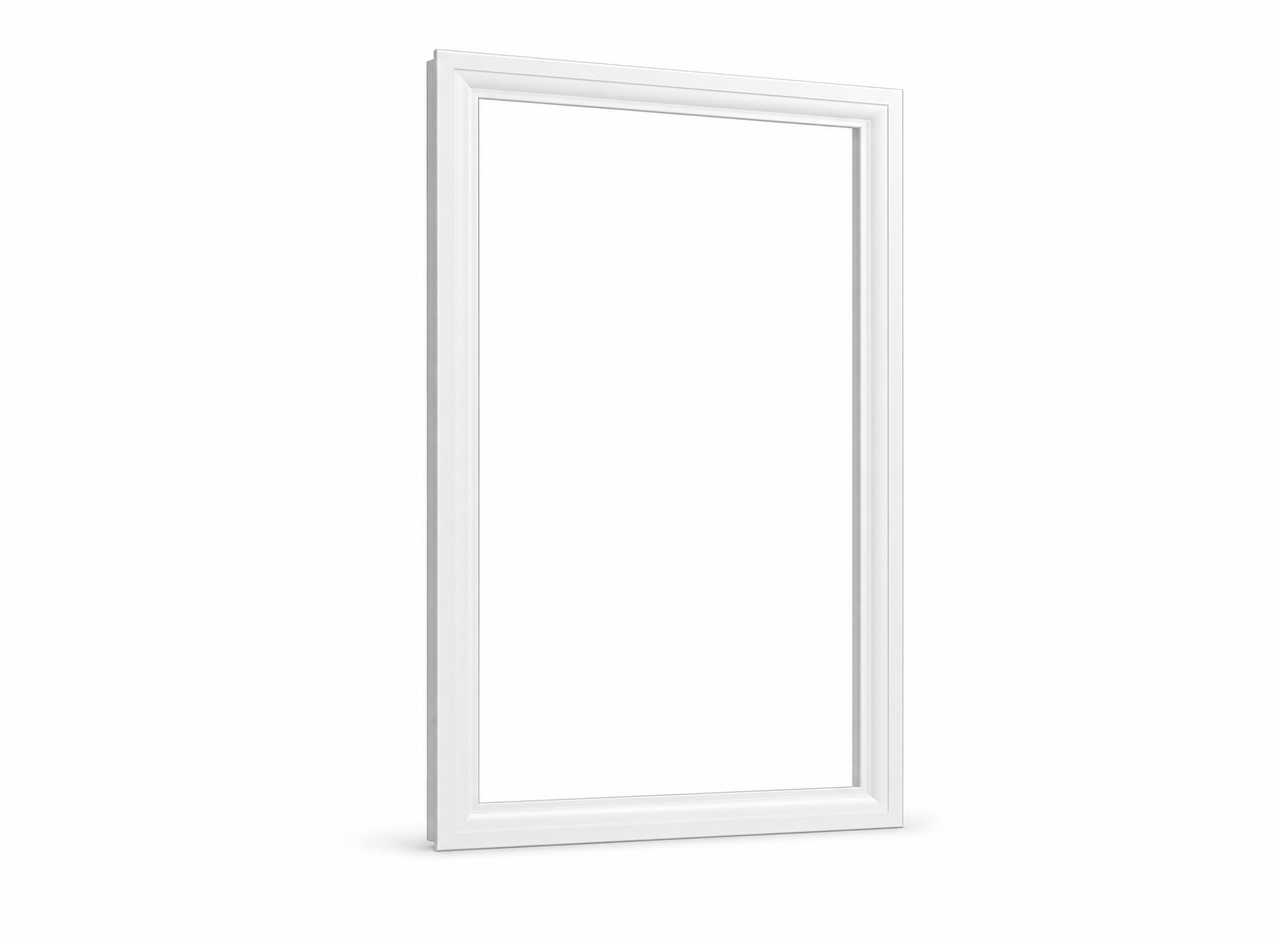 PGT
WinGuard Aluminum Series
PGT's flagship aluminum impact platform since 1998, with one of the deepest Miami-Dade NOA libraries in the industry. Single hung through sliding doors on one HVHZ-certified frame system.
HVHZ-approved across the series 11 models in the series
Explore the WinGuard Aluminum Series
products. For homes in vacation areas or snowbird communities, this year-round security is a meaningful benefit.
PGT
WinGuard Aluminum Series
PGT's flagship aluminum impact platform since 1998, with one of the deepest Miami-Dade NOA libraries in the industry. Single hung through sliding doors on one HVHZ-certified frame system.
HVHZ-approved across the series 11 models in the series
Explore the WinGuard Aluminum Series
products. For homes in vacation areas or snowbird communities, this year-round security is a meaningful benefit.
Shutters provide excellent security when deployed, but they're typically only deployed during storms.
Aesthetics and Natural Light
Impact windows look like regular windows. You get full natural light, unobstructed views, and no visual impact on your home's exterior. Low-iron glass options eliminate even the slight green tint of standard float glass for premium clarity.
Closed shutters (steel panels, accordion, roll-down) block all light and make your home look boarded up. Bahama and colonial shutters offer a decorative option but partially obstruct views even in their open position.
VII. Code Compliance, Permitting, and the 25% Rule
HVHZ Areas (Miami-Dade, Broward)
In HVHZ counties, all openings must be protected to the 175 mph design wind speed per FBC Chapter 16, Section 1609. Both impact windows and code-approved shutters satisfy this requirement -- but products must carry a Miami-Dade NOA, not just a Florida Product Approval number. Exposure Category C is mandatory regardless of surrounding terrain (Exposure B is prohibited).
Important distinction for existing window condition:
- If your current windows are failing, leaking, or single-pane, impact windows solve two problems at once: storm protection and window replacement.
- If your existing windows are in good condition, shutters add protection without replacing functional windows.
Wind-Borne Debris Region (Most of Coastal Florida)
Outside the HVHZ, the FBC defines Wind-Borne Debris Regions where impact protection is still required on all new construction:
- Areas within 1 mile of the coastal mean high-water line where design wind speed is 130 mph or greater
- Any location where design wind speed is 140 mph or greater
This covers all of Palm Beach County, all of Pinellas County, large portions of Hillsborough County, coastal areas of Lee, Collier, Brevard, Sarasota, and other coastal counties, and all of Monroe County (Florida Keys, with design wind speeds of 170-190 mph).
The 25% Rule
This is the code provision many homeowners don't know about until they're mid-project: if you replace more than 25% of your windows within a 12-month period in a Wind-Borne Debris Region or the HVHZ, the replacements must meet current new-construction impact standards.
This means a homeowner who plans to replace a few windows for energy efficiency or aesthetics can trigger a mandatory impact upgrade if the project scope crosses the 25% threshold. It's one reason whole-home impact window projects often make more financial sense than partial upgrades.
Design Pressure: Why Quotes Vary by Window Position
Not all windows on your home face the same wind forces. ASCE 7 defines zones based on aerodynamic effects:
| DP Rating | Approximate Wind Speed Equivalent | Hurricane Category |
|---|---|---|
| DP-30 | ~130 mph | Category 3 |
| DP-40 | ~150 mph | Category 4 |
| DP-50 | ~160 mph | Category 5 |
| DP-60+ | ~170+ mph | Beyond Category 5 |
Zone 4 (wall centers) sees standard pressure. Zone 5 (corners -- within 10% of the smaller wall dimension from each corner) experiences vortex effects that create significantly amplified negative pressure (suction). A home may need DP-50 products for center-wall windows but DP-70+ for corner windows. This is why your quote may show different product ratings for different locations on the same house.
Permitting
Both impact window installation and permanent shutter systems (accordion, roll-down, Bahama, colonial) require building permits in most Florida jurisdictions. Typical permit costs range from $100-$500 depending on project size and municipality. Processing takes 2-6 weeks. At least one inspection must pass within 180 days of permit issuance.
Removable storm panels typically do not require permits but must be installed on code-compliant tracks.
VIII. Longevity, Maintenance, and Salt Air
| Factor | Impact Windows | Shutters (Permanent) | Shutters (Panels) |
|---|---|---|---|
| Expected lifespan | 25-30 years | 15-25 years | 10-20 years |
| Moving parts | None (most designs) | Tracks, hinges, motors | Bolt hardware |
| Salt-air corrosion risk | Low (sealed units) | Moderate to high | High (steel panels) |
| Warranty (typical) | 10-15 years (limited lifetime on some) | 5-10 years | 1-5 years |
| Maintenance frequency | Annual seal check | Biannual lubrication and inspection | Annual rust treatment, hardware check |
In coastal salt-air environments (within 3 miles of the ocean), metal shutter components corrode faster. Accordion tracks jam, roll-down motors fail, and steel panels pit and rust. Impact windows, sealed in their frames with powder-coated or anodized aluminum (or corrosion-proof vinyl), are far more resistant to salt degradation.
One note on impact window longevity: the first wave of post-2002 FBC impact window installations is now 20-24 years old. While impact windows last longer than standard windows, the earliest installations are beginning to approach the end of their expected lifespan, creating a new "replacement of existing impact windows" market segment.
IX. Decision Framework
Use this table to match your situation to the right solution:
| Your Situation | Recommended Solution | Why |
|---|---|---|
| Budget under $8,000 | Accordion or panel hurricane shutters | Lowest cost path to code compliance |
| Frequent travel during storm season | Impact windows | No deployment gap -- critical with rapid intensification trends |
| Elderly or physically limited | Impact windows | Zero physical effort required |
| Second home or snowbird property | Impact windows | Always protected, no caretaker needed |
| Existing windows in poor condition | Impact windows | Solves two problems at once |
| Replacing >25% of windows anyway | Impact windows | Code requires impact standard in WBD regions regardless |
| Historic home with original windows | Bahama or colonial shutters | Preserves original glazing and character |
| Large lanai or patio enclosure | Roll-down shutters | Cost-effective for oversized openings |
| New construction | Impact windows | Only 5-10% more than standard windows + shutters in new builds |
| Maximum insurance discount | Impact windows + impact doors | Qualifies for highest wind-mitigation credit |
The Hybrid Approach
Many homeowners combine both solutions strategically:
- Impact windows on bedrooms, living areas, and upper floors (daily comfort + hard-to-access areas)
- Accordion or roll-down shutters on large sliding glass doors, lanais, and garage-adjacent openings (cost-effective for oversized spans)
- Impact-rated entry, French, and sliding glass doors on all entry points (code requirement in HVHZ, strong security benefit everywhere)
This approach can cut total cost by 20-30% compared to full impact glazing while maintaining the insurance discount for complete opening protection (all openings must be covered to qualify for the maximum credit).
X. Government Incentives and Financing
My Safe Florida Home Program
The flagship Florida hurricane hardening program, with $280 million+ in annual funding (Governor DeSantis's 2026-2027 budget proposes over $600 million for My Safe Florida Home and related condo programs combined):
- Low-income homeowners (household income at or below 80% of county median): Grants up to $10,000 with no matching requirement; priority in queue
- Moderate-income homeowners (80-120% of county median): Matching grants -- state pays $2 for every $1 the homeowner invests
Eligibility requires: a free wind mitigation inspection through the program, home insured value of $700,000 or less, building permit filed before January 1, 2008, homestead exemption (primary residence), and site-built single-family detached home or townhouse. Apply at mysafeflhome.com.
Eligible improvements include impact windows, impact doors, impact garage doors, roof upgrades, roof-to-wall connections, and other wind mitigation features recommended in the free inspection.
PACE Financing
Property Assessed Clean Energy programs finance hurricane protection improvements through your property tax bill:
- $0 down, income-verified approval
- Payments spread over 10-25 years through property tax assessment
- Transfers with property if home is sold
- Interest rates typically 6-9% (higher than traditional home improvement loans)
- Available statewide through programs like Ygrene and Florida PACE
FEMA Hazard Mitigation Grant Program
Federal funding available after Presidential disaster declarations:
- Covers up to 75% of eligible costs for approved mitigation projects
- Retrofitting for hurricane wind resistance is an eligible category
- Projects under 10% of building replacement value are automatically deemed cost-effective
Additional Financing Options
Most impact window installers offer financing programs including $0 down and 100% financing options. Combined with insurance savings and energy savings, the effective monthly cost of impact windows is often comparable to or less than a shutter installation financed over the same period.
XI. Common Misconceptions
"Shutters are just as good as impact windows." For storm protection when deployed, yes -- at equivalent certification levels. For everything else, no. The 360-day-a-year benefits of impact windows (energy savings, noise reduction, UV blocking, security, convenience) have no shutter equivalent. And "when deployed" is the qualifier that matters most.
"Impact windows are bulletproof." They are not. Impact glass will crack under sufficient force. The laminated interlayer prevents the glass from falling out and maintains the building envelope, but the glass itself will show damage after a major impact event. Some high-end glass-polycarbonate sandwich configurations approach ballistic-grade performance, but standard residential products are not designed to stop bullets.
"All impact windows are the same." They are not. A product with a Miami-Dade NOA has passed testing with a tear tolerance 48x stricter than a product with only a Florida Product Approval. Frame material (aluminum, thermally broken aluminum, vinyl, fiberglass) affects energy performance, corrosion resistance, and price. Interlayer material (standard PVB vs. ionoplast/SentryGlas, which is 100x stiffer and 5x more tear-resistant but 3-4x the cost) affects post-impact structural integrity. There are meaningful differences between budget, mid-range, and premium products.
"Plywood works fine." Plywood is not code-approved in any Florida wind zone. It provides minimal protection, creates a hazard if improperly secured, and offers no insurance discount. It should not be considered a viable hurricane protection strategy. For what actually works, including last-minute options, see how to protect windows for a hurricane.
"I can install shutters myself to save money." Removable panels, yes, if you're physically able and have 3-6 hours of lead time with a helper. Permanent systems (accordion, roll-down, Bahama, colonial) require professional installation by a licensed contractor to meet code and warranty requirements.
"We haven't had a hurricane in years, so we're fine." "Hurricane amnesia" is well-documented: homeowner urgency fades 2-3 years after the last major storm. But climate data shows rapid intensification events have tripled since 1980, and climate change caused approximately 80% of Atlantic hurricanes from 2019-2023 to intensify by an average of 18 mph more than they would have without human-caused warming. Three storms reached Category 5 specifically because of climate change (Lorenzo 2019, Ian 2022, Lee 2023). The risk is not decreasing.
XII. Conclusion and Next Steps
The impact-windows-vs-shutters decision comes down to three variables: budget, lifestyle, and time horizon.
If your budget is constrained and you need protection now, quality shutters from a reputable installer are a legitimate solution that meets code and protects your home when deployed. If you can invest more upfront and plan to own your home for 10+ years, impact windows deliver superior protection, daily comfort, and a financial return that shutters cannot match -- often reaching net-positive ROI once insurance, energy, and resale gains compound.
Neither option is wrong. An unprotected home is wrong. And with rapid intensification making short-notice storms more common, permanent protection is worth more today than it was a decade ago.
To evaluate your options with real numbers for your specific home:
- Get a free estimate that includes both impact window and shutter pricing for your openings. We install our hurricane shutter product line — accordion, roll-down, Bahama, colonial, and panel systems — across South Florida, all HVHZ-compliant.
- Ask your insurance agent to run the exact premium difference between shutter credits and impact-window credits on your current policy. Request the wind mitigation form (OIR-B1-1802) breakdown.
- Check eligibility for My Safe Florida Home grants -- up to $10,000 for qualifying homeowners.
- Calculate your 10-year and 20-year total cost of ownership using the framework in Section V.
- If budget is tight, ask about financing options including PACE ($0 down, paid through property taxes) and traditional $0-down programs.
- If you're replacing more than 25% of your windows in a Wind-Borne Debris Region, you'll need impact-rated products regardless -- factor that into your planning.
The best time to make this decision is before the next storm forces it on you.