
The Situation Every HOA Homeowner Faces
You've decided to install impact windows. You've gotten quotes, reviewed manufacturers, maybe even been approved for a My Safe Florida Home grant. Then someone on the HOA board tells you that you need architectural approval first, and you hear from a neighbor that the board "doesn't allow" window changes, or that the process takes months, or that your specific product "won't be approved."
This is the point where many Florida homeowners delay or abandon their hurricane protection project. And that delay puts families at risk during hurricane season.
Here's what you need to know: Florida law protects your right to install hurricane protection. Your HOA cannot block it. The process is manageable if you approach it correctly. And the overwhelming majority of HOA applications for impact windows are approved without issue when the homeowner submits proper documentation.
The Law: Your HOA Cannot Block Hurricane Protection
Florida Statute 163.04
Florida Statute 163.04 is the foundational protection. It states that no HOA, condominium association, cooperative association, or other community association can prohibit the installation of hurricane protection by a property owner.
House Bill 293 (2024): Strengthened Protections
In 2024, the Florida Legislature passed House Bill 293, which significantly strengthened homeowner protections for hurricane hardening in HOA communities. The key provisions:
HOAs cannot deny hurricane protection applications that conform to the association's adopted specifications, regardless of any other provision in the governing documents. This means even if your Declaration of Covenants has a blanket prohibition on exterior modifications, the HOA still cannot deny hurricane protection that meets their specs.
"Hurricane protection" is broadly defined and includes:
- Impact-resistant windows and doors
- Permanent fixed hurricane shutters
- Roll-down track shutters
- Accordion shutters
- Polycarbonate panels
- Reinforced garage doors
- Exterior fixed generators and fuel storage tanks
- Roof systems that comply with the Florida Building Code and ASCE 7-22
- Erosion controls
- Other hurricane-protection products meeting applicable building codes
HOAs must adopt hurricane protection specifications. The board is required to adopt standards covering color, style, and other factors they deem relevant. These standards must comply with applicable building codes. Once adopted, the board cannot deny applications that conform to those specifications.
Denials require specific citations. Under the 2024 law, architectural review boards must cite specific clauses or sections from their governing documents when denying any architectural application for aesthetic reasons. A vague "the board doesn't approve" is no longer legally sufficient.
What This Means in Practice
Your HOA can regulate how your impact windows look. They cannot prevent you from installing them.
Specifically, your HOA can:
- Require that frame colors match existing windows or a community standard palette
- Specify that window profiles (frame width, sightline dimensions) maintain visual consistency across the community
- Require that hurricane shutters be a specific color or style
- Set a timeline for removing temporary shutters (storm panels) after a storm passes
- Require that exterior-facing components match the architectural character of the community
Your HOA cannot:
- Prohibit the installation of code-compliant hurricane protection
- Deny an application that conforms to their adopted specifications
- Refuse to adopt hurricane protection specifications
- Impose requirements that effectively prevent installation (e.g., specifying a product that doesn't exist or setting impossible aesthetic standards)
- Indefinitely delay processing your application
The Approval Process: Step by Step
Step 1: Review Your Governing Documents
Before submitting anything, read your community's:
- Declaration of Covenants, Conditions, and Restrictions (CC&Rs): The master governing document. Look for sections on exterior modifications, architectural review, and hurricane protection.
- Architectural Review Board (ARB) Guidelines: Many communities have a separate document detailing the ARB submission requirements, approved colors, and material specifications.
- Hurricane Protection Standards: Under HB 293, your HOA should have adopted specific hurricane protection specifications. If they haven't, they're required to. Ask the board or property manager for these standards.
What you're looking for: Approved frame colors, required submission documents, timeline for review, and any product-specific requirements (some communities specify particular manufacturers to maintain uniformity).
Step 2: Choose Products That Match
This is where most applications succeed or stall. Choose impact windows with frame colors and profiles that match your community's standards.
Most HOA communities in South Florida standardize on one of these frame colors:
| Color | Typical Communities | Available From |
|---|---|---|
| White | Most common across all community types | All manufacturers |
| Bronze | Mediterranean, Spanish, and traditional styles | All manufacturers |
| Black | Contemporary and modern communities | All manufacturers |
| Clear anodize | Art Deco, mid-century, and some coastal | Most manufacturers |
| Beige/almond | Earth-tone and stucco-heavy communities | Most manufacturers |
| Custom match | Luxury and architect-designed communities | PGT, ES Windows (Kynar/Dynar any color), WinDoor |
If your community requires a non-standard color, ES Windows
 ES Windows
Tecnoglass-owned, vertically integrated impact windows and doors with in-house glass and aluminum.
Miami-Dade NOA / HVHZ approved 145 models across 9 product lines
Explore ES Windows
(Tecnoglass) includes Kynar/Dynar premium powder coating as a standard feature in virtually any color at no upcharge. PGT
ES Windows
ES Windows
Tecnoglass-owned, vertically integrated impact windows and doors with in-house glass and aluminum.
Miami-Dade NOA / HVHZ approved 145 models across 9 product lines
Explore ES Windows
(Tecnoglass) includes Kynar/Dynar premium powder coating as a standard feature in virtually any color at no upcharge. PGT
 PGT
PGT Custom Windows & Doors
America's largest impact window and door manufacturer, with 45 years of Florida-specific engineering.
Miami-Dade NOA / HVHZ approved 57 models across 7 product lines
Explore PGT
and other manufacturers offer custom colors as an add-on.
PGT
PGT Custom Windows & Doors
America's largest impact window and door manufacturer, with 45 years of Florida-specific engineering.
Miami-Dade NOA / HVHZ approved 57 models across 7 product lines
Explore PGT
and other manufacturers offer custom colors as an add-on.
Frame profile compatibility: If your community has a specific window style (e.g., all single-hung with a particular sightline width), choose a replacement product with a similar profile. Your installer can compare existing window measurements to proposed product dimensions and document the visual compatibility in your application.
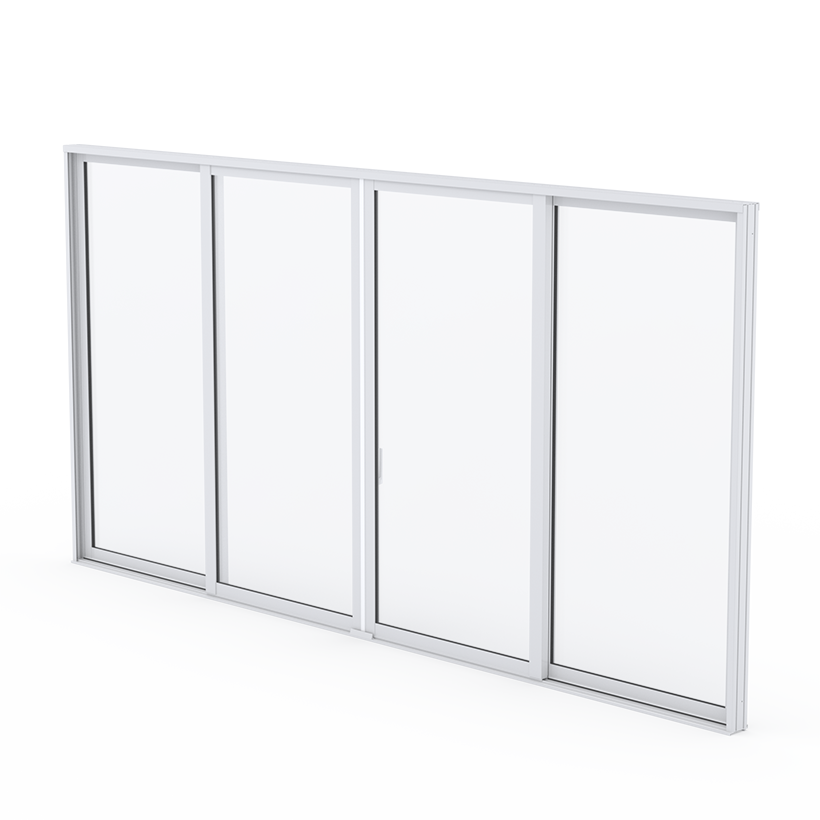
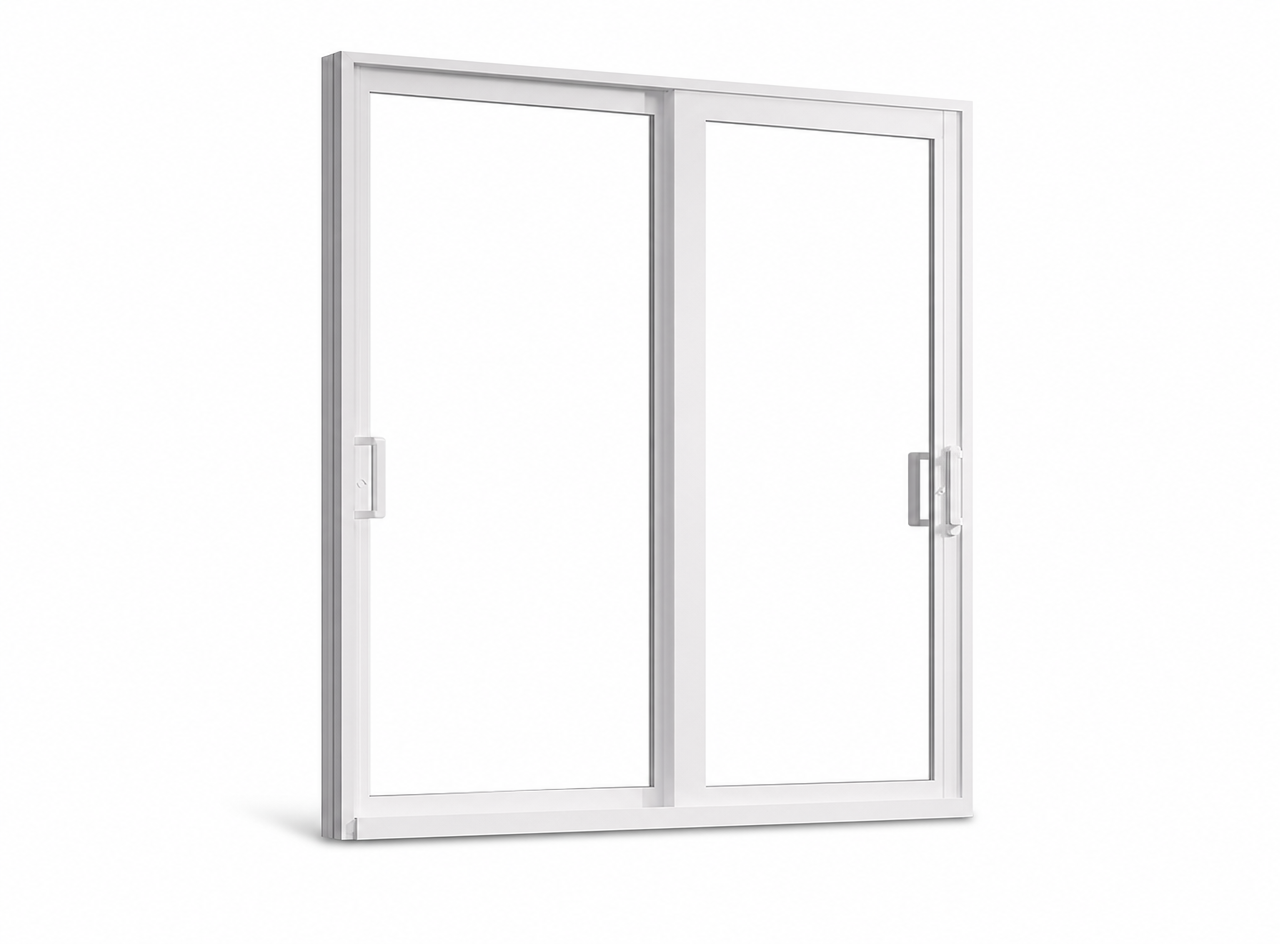
The aluminum impact rollers below are the configurations we install most for HOA communities — all offered in the standard frame colors (white, bronze, black) most boards require:
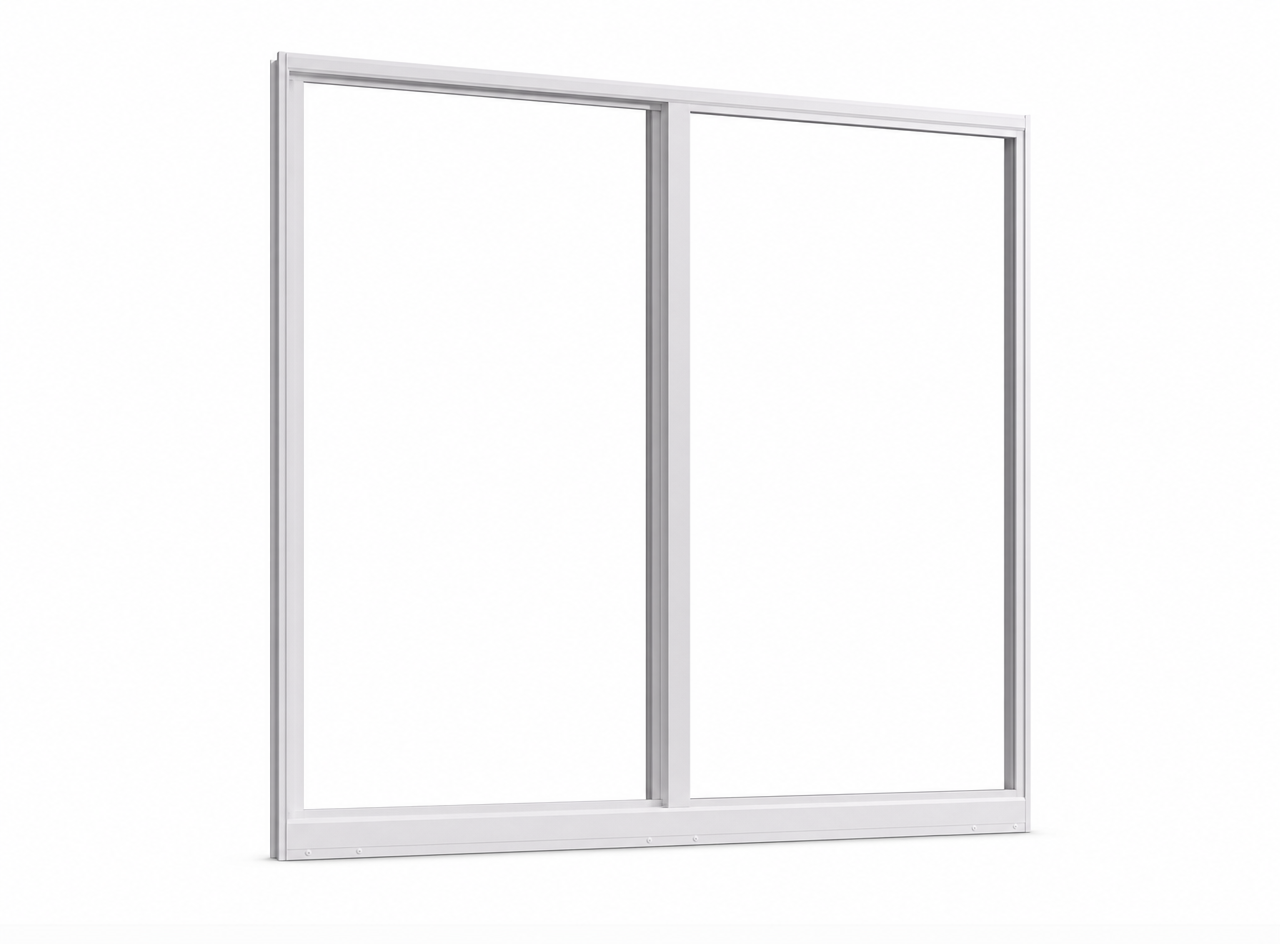 PGT · WinGuard Aluminum Series
PGT WinGuard Aluminum Horizontal Roller HR7710A
Aluminum impact horizontal roller on the WinGuard 7700-series frame, opening side-to-side for wider residential openings. Diamond Glass, LMI for HVHZ.
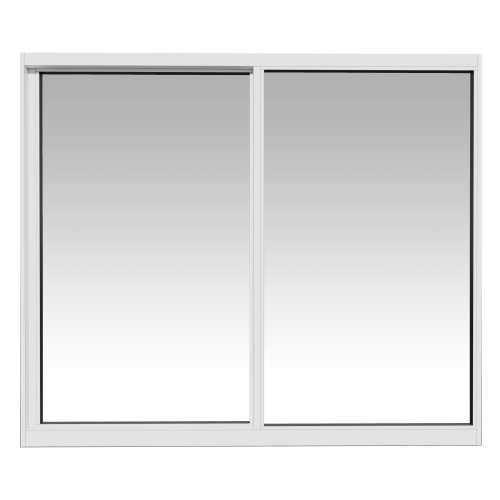
 ECO · Eco-Guard Horizontal Rolling Series
Eco-Guard Horizontal Rolling Series 60
Entry 2-panel aluminum impact roller, 2-1/8 in. frame, +55/-60 psf, LMI for HVHZ.
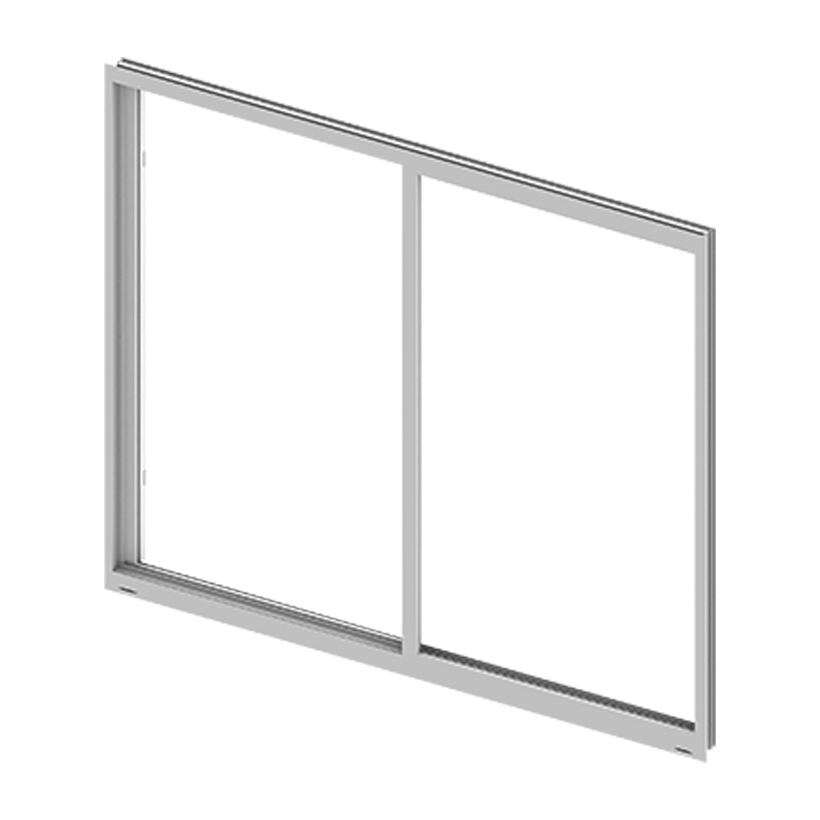 ES Windows · Elite Series
ES Windows Elite ES-EL200 Sliding Window
Aluminum impact horizontal slider in XO, OX, and XOX configurations on a 2-15/16 inch frame. Polyamide rollers with needle bearings.
Step 3: Prepare Your Application Package
A complete, well-organized application package is the fastest path to approval. Include:
Product specification sheets for every window and door type being installed. These should show:
- Manufacturer, product line, and model number
- Frame color (with color chip or sample)
- Frame dimensions and profile drawings
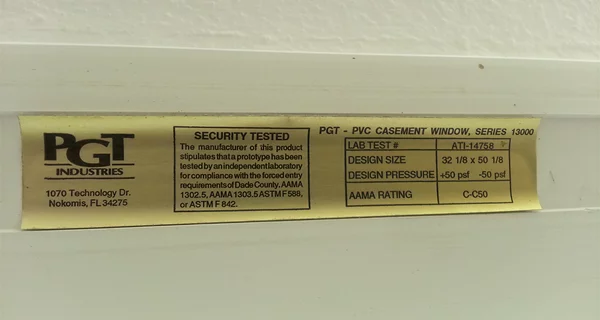
- Florida Product Approval number or Miami-Dade NOA number
- Design pressure (DP) rating
- Glass type and configuration
Color samples. Physical samples (most manufacturers provide these through your installer) are more effective than catalog images. Bring a sample frame section in the proposed color to the ARB meeting if one is required.
Scope of work description. Which openings are being replaced? Are all windows being changed or just some? Will the exterior appearance change relative to current windows? If you're replacing like-for-like (same frame color, similar profile), state this explicitly.
Installer information. Company name, license number (verifiable at myfloridalicense.com), insurance certificate, and contact information. A licensed, insured installer demonstrates professionalism to the board.
Project timeline. Estimated start date, duration, and completion date. Boards appreciate knowing when construction activity will occur in the community.
Before/after visualization (optional but helpful). A rendering of the proposed windows on your home's exterior eliminates guesswork for ARB members who may not be familiar with impact window products. You can create one yourself from a photo of your home, or ask your installer to prepare one.
Step 4: Submit and Follow Up
Submit your application to the ARB or property management company per the community's documented process (email, online portal, or physical submission).
Florida law requires the association to respond within a "reasonable time," which courts have interpreted as approximately 30 days. If your governing documents specify a shorter timeline (e.g., 14 days), the shorter period applies.
Follow up at the 2-week mark if you haven't received a response. Document all communications in writing (email, not phone calls).
Step 5: Attend the Board Meeting (If Required)
Some communities require the applicant to present at an ARB or board meeting. If so:
- Bring physical color samples and product specification sheets
- Have your installer attend or be available by phone to answer technical questions
- Emphasize code compliance: the product meets Florida Building Code requirements for your wind zone
- Emphasize visual compatibility: the proposed windows match or improve upon the current appearance
- If the community has existing impact windows installed by other homeowners, reference those as precedent
Step 6: Receive Approval and Proceed
Most applications are approved as submitted or with minor modifications (e.g., a specific frame color adjustment). Once approved:
- Obtain a copy of the written approval for your records
- Proceed with the building permit application through your local building department
- Notify the HOA of the installation schedule
- Keep the approval letter; you may need it for the building permit or for future reference if the board changes
What to Do If Your HOA Pushes Back
If They Delay
A delay beyond 30 days (or your community's specified timeline) without a written response may constitute a constructive denial. Send a written follow-up citing the governing documents' timeline requirement and requesting a response within 7 days.
If They Deny Based on Aesthetics
If the denial is for an aesthetic reason (frame color, profile style), the board must cite the specific clause in their governing documents that the proposed product violates (per HB 293). Review the citation. If you can modify your product selection to meet the aesthetic requirement while maintaining hurricane protection, do so. Most manufacturers offer enough color and profile options to satisfy any reasonable aesthetic standard.
If They Deny Hurricane Protection Outright
A blanket denial of code-compliant hurricane protection that conforms to the community's adopted specifications violates Florida Statute 163.04 and HB 293. Steps to take:
- Respond in writing citing the specific statutes and requesting the board reconsider
- Request the board's adopted hurricane protection specifications. If they haven't adopted any, they're required to under HB 293.
- Use the community's dispute resolution process (most CC&Rs include mediation or arbitration provisions)
- Contact your HOA attorney or a Florida real estate attorney who specializes in community association law. The legal landscape strongly favors the homeowner on hurricane protection rights.
- File a complaint with the Florida Department of Business and Professional Regulation (DBPR), which oversees community associations
In our experience, most disputes resolve at step 1 or 2. Board members who are aware of the law typically approve conforming applications. Disputes escalate most often when board members are unaware of HB 293 or when the community hasn't yet adopted hurricane protection specifications.
The Compromise Approach
Even when you have the legal right to install, maintaining a cooperative relationship with your HOA is valuable. Before escalating:
- Offer to use a frame color the board prefers (this usually costs nothing with manufacturers like ES Windows that include any color standard)
- Offer to match an existing installation in the community (another homeowner's approved impact windows as precedent)
- Involve your installer to present product options directly to the board (we do this regularly and it's often the most effective approach)
- Propose a mock-up: install one window first so the board can see the actual appearance before approving the full project
Condominiums: Different Rules
If you own a condo unit (not a single-family home in an HOA), the rules are similar but the statute is different. Florida Statute 718.113 governs condo associations and hurricane protection.
Key differences:
- The condo association (not individual unit owners) may have uniform standards that all units must follow
- The association may have already installed hurricane protection on all units as a common-element improvement
- Individual unit modifications typically require association board approval
- The separate My Safe Florida Condominium Pilot Program provides grants for condo associations (3+ stories, within 15 miles of coast)
If your condo association has not adopted hurricane protection specifications, request that they do. Under the 2024 law, associations are required to adopt such standards.
Popular HOA Communities and Their Typical Requirements
Based on our installation experience across South Florida, here's what we commonly encounter:
| Community Type | Typical Requirements | Product Approach |
|---|---|---|
| Boca Raton planned communities | White or beige frames, uniform sightlines, specific manufacturer in some communities | PGT WinGuard or ES Windows in community-approved color |
| Coral Springs HOAs | White frames standard, ARB application required | Standard white from any manufacturer; straightforward approval |
| Pembroke Pines developments | Bronze or white depending on community era, some require specific profile compatibility | Match existing color; PGT or ES Windows in standard palette |
| Wellington estates | Premium aesthetics expected, some require architectural-grade products | ES Windows Prestige or PGT WinGuard; may need custom color |
| Parkland communities | Higher-end expectations, uniform appearance priority | Premium products; professional specification package essential |
| Weston / Miramar | Standard ARB process, white frames most common | Standard residential products in white; routine approval |
| Aventura high-rises | Condo association standards; threshold building inspections above 3rd floor | Coordinate with association; verify building-wide product standard |
| Doral newer developments | Many post-FBC homes already have impact windows; replacement must match | Match existing manufacturer if possible; same color/profile |
| Coral Gables historic districts | Board of Architects review required; Mediterranean Revival aesthetic | Frame profile and color must satisfy Board; budget 2-4 weeks extra |
| Palm Beach Gardens estate homes | PGA Resort and gated-community ARBs; premium aesthetic expected | Architectural-grade products; full specification package |
The Insurance Angle
Here's an argument that resonates with HOA boards when they're hesitant about approving impact windows: every home in the community that installs impact windows reduces the community's overall wind damage risk, which can positively affect the association's master insurance policy and individual homeowner premiums.
Impact windows on all openings qualify for the maximum wind mitigation opening-protection credit (30-45% of wind premium). In communities where most homes have impact windows, insurers view the entire community as lower risk. Some HOA boards have proactively encouraged impact window installation for this reason.
Next Steps
- Start the HOA process before you get quotes. Review your governing documents and request the community's hurricane protection specifications so you know the requirements before selecting products.
- Get a free estimate with product options in your community's approved colors. Ask your installer about HOA submission support (we prepare specification packages for HOA applications regularly).
- Submit a complete, well-organized application. Incomplete applications are the #1 cause of delays. Include specs, color samples, installer info, and timeline.
- Know your rights. If denied, the HOA must cite specific governing document clauses. A denial of code-compliant hurricane protection that meets community specs violates Florida law.
- Don't let HOA uncertainty delay protection. Start the process now. The approval typically takes 2-4 weeks, and impact window lead times of 5-16 weeks mean every week of delay pushes your completion date further into hurricane season.