
Two Good Options, One Decision
If you've decided on permanent hurricane shutters rather than impact windows, your next choice is usually between accordion and roll-down shutters. They're the two most popular permanent shutter types in Florida, and both are legitimate hurricane protection systems that meet building code requirements.
The differences are practical, not structural: how much they cost, how fast they deploy, how they look on your home, and how much maintenance they need. This guide compares them across every factor that matters so you can make the right call for your situation.
The Head-to-Head
| Factor | Accordion Shutters | Roll-Down (Manual Crank) | Roll-Down (Motorized) |
|---|---|---|---|
| Cost per sq ft | $15-$25 | $20-$30 | $30-$40+ |
| Per window (3x5 ft) | $300-$700 | $500-$1,000 | $700-$1,500 |
| Per sliding glass door (8 ft) | $600-$1,500 | $800-$2,000 | $1,200-$3,000 |
| Whole home (12-15 openings) | $5,000-$12,000 | $8,000-$16,000 | $12,000-$25,000 |
| Deployment time | 15-30 minutes | 5-15 minutes | Under 5 minutes |
| People needed | 1 person | 1 person | 1 person (or remote) |
| Tools needed | None | None | None (button/remote) |
| Visible when retracted | Yes (folded panels beside opening) | Minimal (housing above opening) | Minimal (housing above opening) |
| Visible when deployed | Flat corrugated surface | Flat slat surface | Flat slat surface |
| Moving parts | Track, hinges, lock | Track, rollers, crank, axle | Track, rollers, motor, wiring |
| Salt-air maintenance | Track lubrication, hinge inspection | Track lubrication, crank inspection | Track + motor service |
| Expected lifespan | 15-25 years | 20-25 years | 20-25 years (motor: 10-15) |
| Power outage impact | None (fully manual) | None (fully manual) | Requires manual override or battery backup |
| HVHZ options | Available (Miami-Dade NOA) | Available (Miami-Dade NOA) | Available (Miami-Dade NOA) |
Cost: Accordion Wins by 40-60%
This is usually the deciding factor. On a typical 3-bedroom, 2-bathroom Florida home with 12-15 openings including 2 sliding glass doors:
| Scenario | Accordion | Roll-Down (Manual) | Roll-Down (Motorized) |
|---|---|---|---|
| Whole home | $5,000-$12,000 | $8,000-$16,000 | $12,000-$25,000 |
| Savings vs. motorized roll-down | $7,000-$13,000 | $4,000-$9,000 | Baseline |
For many homeowners, the $7,000-$13,000 savings from choosing accordion over motorized roll-down is the difference between being able to protect the entire home and having to leave some openings unprotected. And leaving openings unprotected means you don't qualify for the maximum insurance opening-protection credit (30-45% of your wind premium). Protecting every opening with accordion shutters at $8,000 can be a better financial decision than protecting half the home with roll-downs at the same budget.
For detailed pricing on all shutter types, see our complete hurricane shutters cost guide.
Deployment: Roll-Down Wins Decisively
This is where roll-down shutters justify their premium, particularly for certain homeowner profiles.
Accordion deployment (15-30 minutes): Walk to each window. Pull both halves of the accordion closed along the track from each side. Lock them in the center with the built-in lock. Repeat for every opening. For a 15-opening home, expect 15-30 minutes of moderate physical effort. No tools required, but you do need to physically reach every opening. Upper-floor accordion shutters on two-story homes require a ladder or can be closed from inside through the window opening.
Roll-down deployment, manual (5-15 minutes): Walk to each opening. Turn the manual crank handle (usually located inside, beside the window). The shutter rolls down from the housing above the opening. Lock the bottom bar. Repeat. Faster and less physical than accordion because you're turning a crank rather than pulling panels.
Roll-down deployment, motorized (under 5 minutes): Press a button beside each opening, or use a central control panel that deploys all shutters simultaneously. Some systems support remote control via smartphone app, meaning you can deploy shutters from anywhere. This is the difference-maker for snowbirds and second-home owners who may not be at the property when a storm threatens.
When Deployment Speed Matters Most
Rapid intensification. Storms gaining 35+ mph in 24 hours have tripled since 1980. Hurricane Milton (2024) went from tropical storm to Category 5 in under 24 hours. When the forecast changes fast, the difference between 5 minutes and 30 minutes of deployment time may not matter. But the difference between "I can deploy remotely from my phone" and "I need to physically be at the house" absolutely does.
Elderly or physically limited homeowners. Accordion shutters require pulling and locking at each opening, which involves moderate upper-body effort. Manual roll-down cranks require sustained rotational effort. Motorized roll-down requires pressing a button. For homeowners with mobility or strength limitations, this distinction is real.
Multi-story homes. Accordion shutters on upper floors require reaching the shutter from inside or using a ladder outside. Roll-down shutters (both manual and motorized) are operated from inside or remotely, with no ladder needed.
Protection Level: Equal (When Certified to the Same Standard)
Both accordion and roll-down shutters provide the same level of hurricane protection when they carry the same product certification.
In the HVHZ (Miami-Dade and Broward), both types must pass TAS 201 (missile impact), TAS 202 (structural load), and TAS 203 (cyclic pressure) testing and carry a Miami-Dade NOA. In the Wind-Borne Debris Region, both must meet ASTM E1996/E1886 and carry a Florida Product Approval.
A properly certified accordion shutter and a properly certified roll-down shutter on the same opening provide equivalent debris protection and structural integrity. There is no inherent protection advantage to either type.
The one performance difference documented in research: FIU Wall of Wind testing showed that shutters (tested with accordion-type systems) reduced water intrusion volume through the protected opening by 77-87%. Both shutter types provide this secondary water-barrier benefit when deployed, since both create a physical shield between the rain and the window or door.
Aesthetics: Roll-Down Wins When Retracted
Accordion shutters when retracted: The folded panels stack on both sides of each opening. On a standard 3-foot window, each stack is about 6-8 inches wide. On a large sliding glass door, the stacks can be 12+ inches. The tracks along the top and bottom of the opening are also permanently visible. Some homeowners find this visually intrusive, especially on the front elevation.
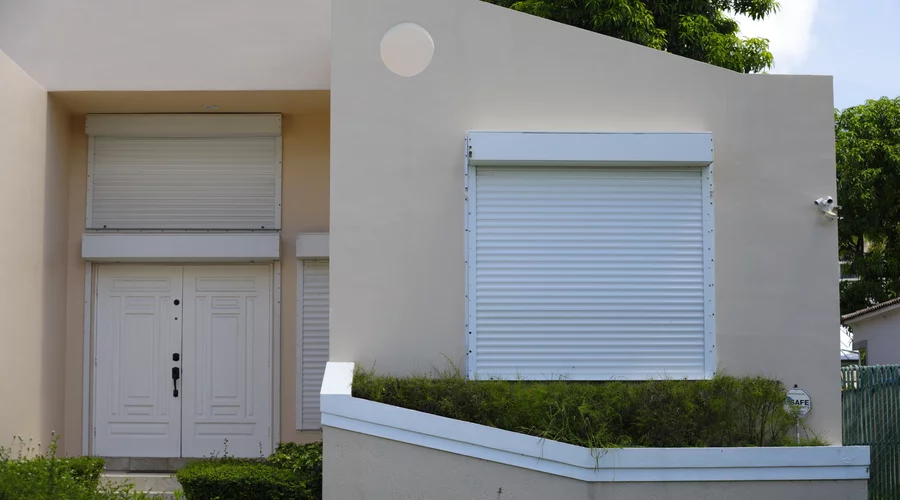
Roll-down shutters when retracted: The shutter slats retract into a housing (also called a hood or box) mounted above the opening. The housing is typically 8-12 inches in depth, but it can be integrated into the soffit or fascia during construction to be nearly invisible. Guide tracks on both sides of the opening are visible but less prominent than accordion stacks. From the street, a retracted roll-down shutter is significantly less noticeable than a retracted accordion.
Both shutters when deployed: Both present a flat, opaque surface covering the entire opening. Accordion shows a corrugated folding pattern. Roll-down shows horizontal slat lines. Neither is particularly attractive when closed, but that's a concern only during active storm deployment.
For homeowners in HOA communities with architectural review requirements, roll-down shutters are generally easier to get approved because of their lower visual profile when retracted. If your HOA has restrictions on visible hurricane protection, check their guidelines before committing to either type.
Maintenance and Durability
Accordion Shutters
Maintenance needs:
- Lubricate tracks every 6 months with silicone spray (not WD-40, which attracts dust and salt)
- Inspect hinges and folding joints annually for corrosion or binding
- Check the locking mechanism for smooth engagement
- Clear track debris (leaves, dirt, insects) before each deployment
- In salt-air environments (within 3 miles of ocean), rinse with fresh water quarterly
Common failure modes:
- Track corrosion causing binding (most common in coastal environments)
- Hinge stiffening from salt buildup
- Lock mechanism wear over repeated deployment cycles
Lifespan: 15-25 years with proper maintenance. Track and hardware are the limiting factors, not the panels themselves.
Roll-Down Shutters (Manual)
Maintenance needs:
- Same track lubrication and cleaning as accordion
- Inspect the crank mechanism and gearbox for smooth operation
- Check the axle and roller assembly
- Inspect the bottom bar lock for engagement
Common failure modes:
- Track corrosion (same as accordion)
- Crank gearbox wear (after thousands of cycles)
- Shutter slat misalignment or jamming in tracks
Lifespan: 20-25 years. The mechanical components are simpler than motorized systems but more complex than accordion.
Roll-Down Shutters (Motorized)
Maintenance needs:
- All of the above, plus motor service every 3-5 years
- Battery backup testing annually (if equipped)
- Electrical connection inspection
- Remote control or central panel battery replacement
Common failure modes:
- Motor failure (typically at 10-15 years)
- Limit switch malfunction (shutter doesn't stop at full open or full closed)
- Electrical corrosion at connection points in salt air
- Battery backup discharge
The motor question: A motorized roll-down shutter without a functioning manual override is worthless during a power outage, which is exactly when you need it most. Verify that every motorized shutter has a manual override (hand crank or release mechanism) and test it annually. Some cheaper motorized systems make the manual override difficult to access or operate. This is a critical specification to confirm before purchase.
Lifespan: 20-25 years for the shutter assembly. 10-15 years for the motor (plan for motor replacement at the midpoint of the shutter's life).
When Each Makes the Most Sense
| Your Situation | Best Choice | Why |
|---|---|---|
| Budget under $12,000 (whole home) | Accordion | Protects all openings within budget; full insurance credit |
| Snowbird or second home | Motorized roll-down | Remote deployment when you're not at the property |
| Elderly or mobility-limited | Motorized roll-down | Button-press deployment, no physical effort |
| HOA with strict architectural rules | Roll-down | Less visible when retracted |
| Frequent hurricane exposure (Keys, coastal) | Either works | Both provide equal protection; choose by budget |
| Large sliding glass doors only | Accordion | Best cost-per-square-foot for large openings |
| Contemporary/modern home design | Roll-down | Cleaner lines, less visible hardware |
| Traditional/Mediterranean home | Accordion or colonial | Accordion for budget; colonial for decorative appeal |
| Mix with impact windows | Accordion on secondary openings | Cost-effective complement to impact windows on primary openings |
The Hybrid Strategy
Many homeowners use both types on the same home:
- Motorized roll-down on the front elevation (curb appeal, convenience)
- Accordion on side, rear, and secondary windows (cost savings)
- Impact windows on upper floors and hard-to-reach openings (no deployment needed)
This mixed approach captures the aesthetic benefits of roll-down where they're visible, the cost savings of accordion where they're not, and the permanent protection of impact windows where deployment is impractical. All openings are protected, qualifying for the full insurance opening-protection credit.
What About Impact Windows Instead?
Both accordion and roll-down shutters share the same fundamental limitation: they require deployment before each storm, and they provide no daily benefits when retracted.
Impact windows are permanently "on" and deliver year-round energy savings (20-40% cooling reduction), noise reduction (STC 32-40), UV protection (99%), forced-entry resistance, and a 7-10% property value increase. They cost 2-3x more upfront but frequently reach net-positive ROI over 20 years once insurance and energy savings compound.
 PGT · WinGuard Aluminum Series
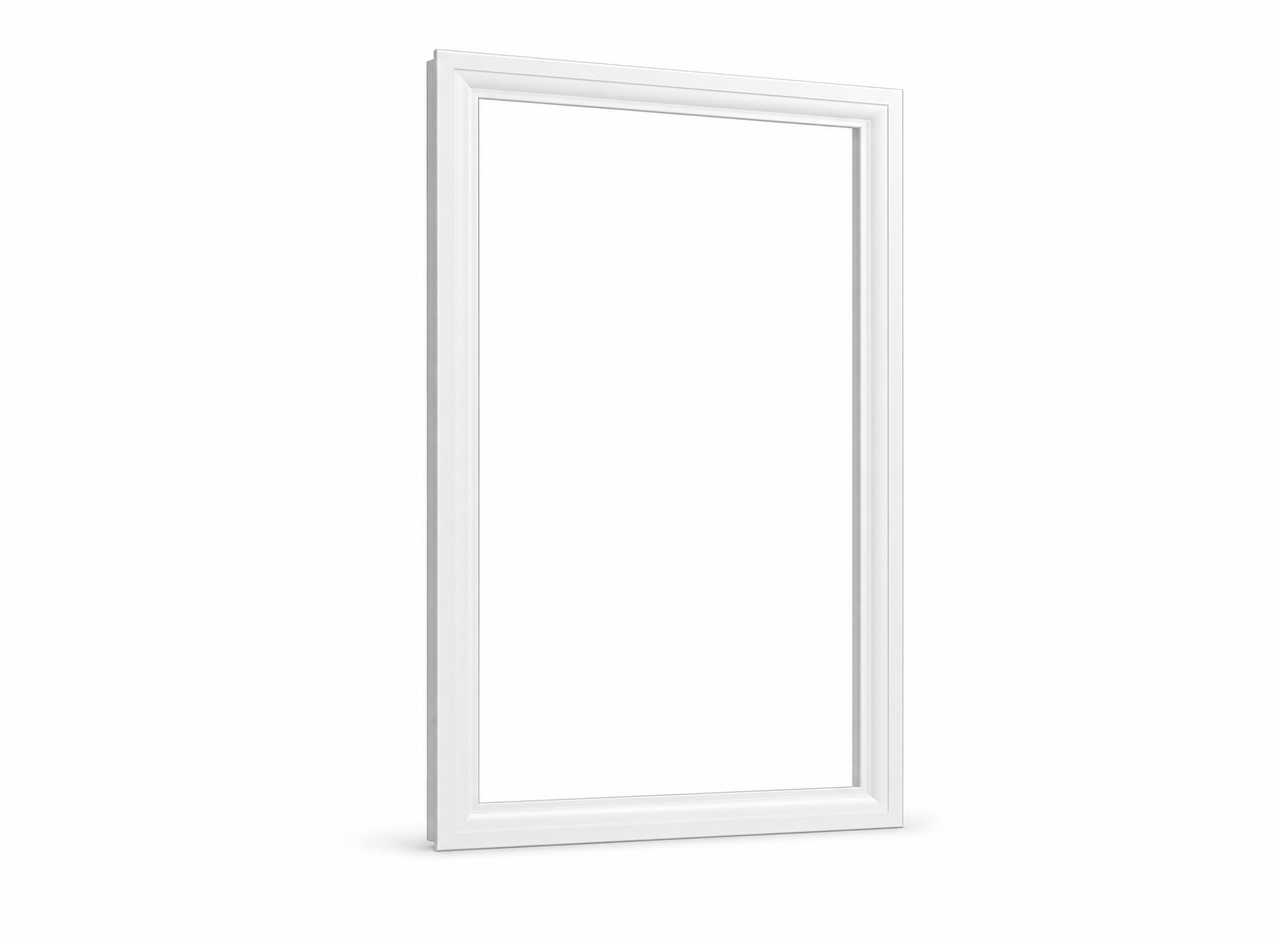
PGT WinGuard Aluminum Casement CA740A
Aluminum impact casement on the WinGuard 740-series frame, side-hinged with a crank-out sash. Mulls cleanly with AW740A and PW740A in the 740-family.
 ECO · Eco-Guard Casement & Awning Series
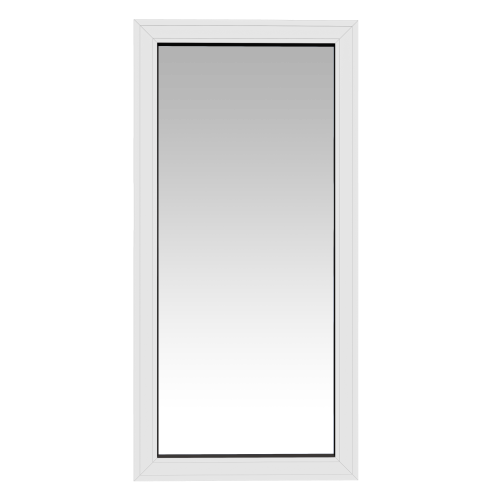
Eco-Guard Casement Window Series 500
Outswing aluminum impact casement, 2-3/4 in. frame, +70/-75 psf, LMI+SMI, NFRC-certified, with a stainless operator + multipoint lock.
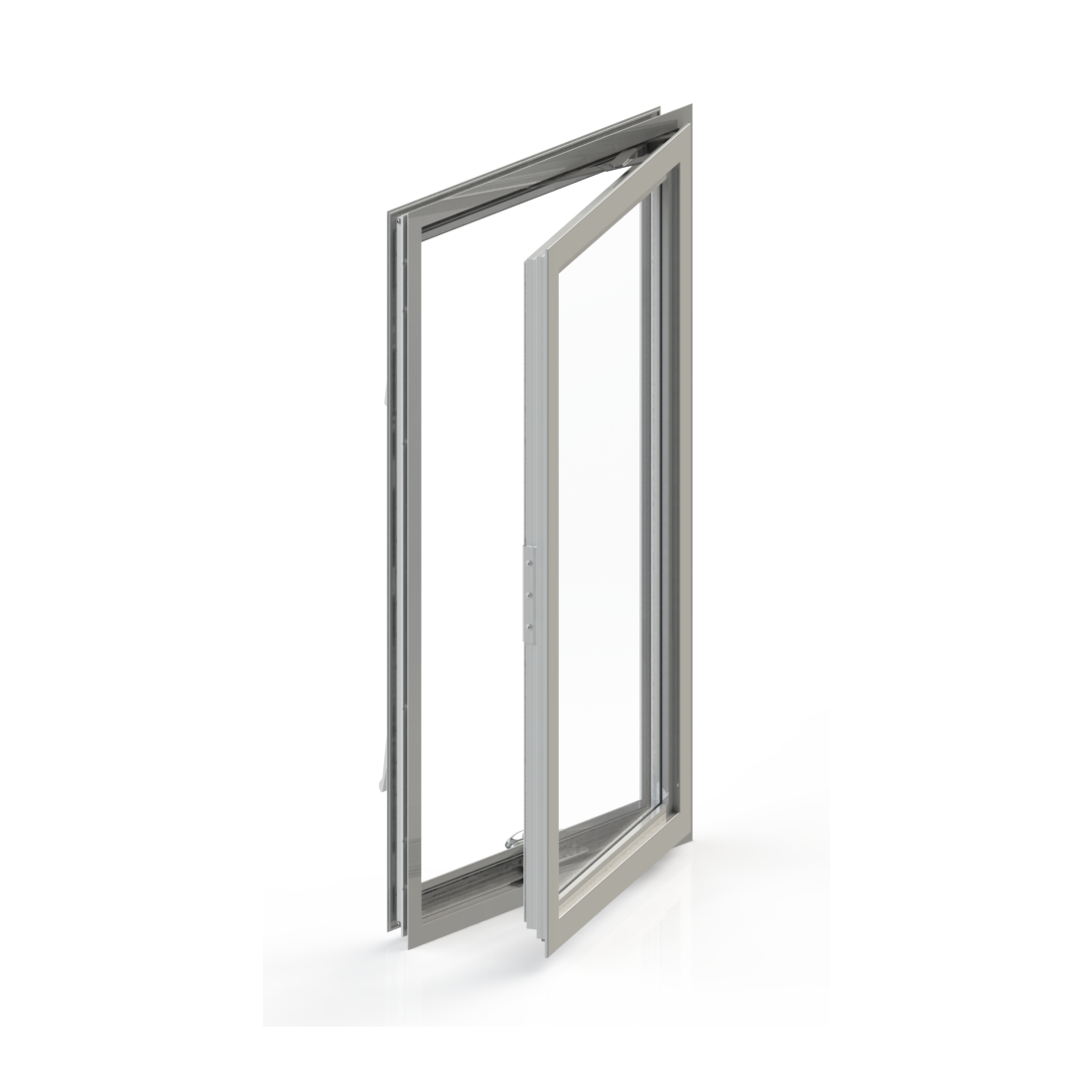
 ES Windows · Elite Series
ES Windows Elite ES-5000 Casement
Flagship aluminum impact casement in Elite, available in X and XX configurations on a 2-1/8 inch frame depth. Stainless 4-bar hinges, rated to 90 psf.
For the full comparison with 20-year total cost of ownership calculations, see our impact windows vs. hurricane shutters guide. For impact window pricing, see our cost guide.
Grants and Financing
Both accordion and roll-down shutters are eligible improvements under the My Safe Florida Home program (grants up to $10,000). PACE financing provides $0 down with income-verified approval for either type.
Next Steps
- Get a free estimate that includes pricing for both accordion and roll-down options on every opening, so you can compare side by side. We provide roll-down shutter installation and accordion shutter installation — both fully permitted and HVHZ-compliant.
- Consider the mix-and-match approach. Roll-down on the front, accordion on the sides and back can save 20-30% compared to roll-down everywhere.
- Check your HOA requirements before committing to a shutter type.
- Don't forget the garage door. All openings must be protected for the maximum insurance credit.
- Compare against impact windows for the full picture. Shutters cost less upfront, but impact windows may cost less over 20 years.