




What This Inspection Is (and Why It Matters So Much)
The wind mitigation inspection is probably the most valuable hour you'll ever spend on your home's insurance. A certified inspector visits your property, documents its hurricane-resistant features on a standardized form, and that form goes to your insurance company to reduce your premium. The inspection costs $75-$150. The savings can be $800-$3,500+ per year, every year, for as long as the features are in place.
The form is called the Uniform Mitigation Verification Inspection Form (OIR-B1-1802), issued by the Florida Office of Insurance Regulation. Florida Statute 627.0629 requires every Florida insurer to offer premium discounts for verified wind-mitigation features. This isn't optional for the insurance company. If you have the features and the form, they must apply the discount.
The form was updated April 1, 2026 (Rev. 04/26) with significant changes to documentation requirements and how features are classified. If your current inspection was done before 2022, it's worth getting a new one under the updated form to ensure you're receiving all available credits.
Here's what the inspector checks, section by section, and what each item is worth on your premium.
The Basics: Cost, Duration, and Validity
| Detail | What to Expect |
|---|---|
| Cost | $75-$150 (or free through My Safe Florida Home) |
| Duration | 30-60 minutes on site |
| What to have ready | Any permits, product approvals, or installation records you have |
| Report delivery | Typically 24-48 hours after inspection |
| Validity | 5 years, unless you make changes to the roof, windows, or doors |
| Applies where | Statewide Florida (not just HVHZ or WBDR) |
The inspection itself is straightforward. The inspector walks the exterior to check roof shape, roof covering, and opening protection. Then they enter the attic to verify roof-to-wall connections and roof deck attachment. They document everything with photos and measurements, fill out the form, and deliver the report.
Tip: Bundle the wind mitigation inspection with a 4-point inspection if your insurer requires both. The combined cost is typically $180-$220, saving about $80 versus booking them separately.
Section by Section: What's Checked and What It's Worth
Section 1: Building Code Compliance Year
What the inspector checks: When your home was built or last significantly permitted. They verify this through county property records, permit history, or visible construction features.
Why it matters: Homes built under newer editions of the Florida Building Code have progressively better structural requirements. The code year establishes a baseline expectation for your home's overall wind resistance.
| Construction Period | Credit Level | What It Means |
|---|---|---|
| Before March 1, 2002 | None | Built before the statewide FBC. No code-based credits. |
| 2002-2007 | Moderate | Built under the first statewide FBC. Basic wind provisions apply. |
| 2008 and later | Enhanced | Built under the strengthened FBC (post-2007 edition). Best credits. |
Discount value: This section establishes the baseline but doesn't have a standalone percentage. It modifies how other sections are credited.
What you can do: You can't change when your home was built, but if you've made significant permitted improvements (a full reroof, window replacements, structural upgrades), the permit date for those improvements may qualify for a better credit level on the relevant sections.
Section 2: Roof Covering
What the inspector checks: The type of roof covering (asphalt shingle, metal, concrete/clay tile, built-up/membrane), whether it meets FBC requirements for your wind zone, and the age/condition of the installation. The 2026 form now requires the inspector to record the permit date, product approval numbers, and installation year.
Why it matters: A code-compliant roof covering that meets current wind speed requirements protects the sheathing beneath it and demonstrates that the roof system was designed for your location's wind loads.
| Roof Covering Status | Credit Level |
|---|---|
| Non-FBC compliant or unknown | No credit |
| FBC equivalent (pre-2002 but meets standards) | Partial credit |
| Installed per current FBC requirements | Full credit |
Discount value: 5-10% of wind premium.
What you can do: If you're due for a reroof, ensure the new roof is installed under a permit and meets current FBC requirements. Keep the permit and product approval documentation. The new form puts stronger weight on documented proof.
Section 3: Roof Deck Attachment
What the inspector checks: How the plywood or OSB sheathing is fastened to the rafters or trusses. The inspector typically examines this from inside the attic, looking at the underside of the sheathing to identify nail types, sizes, and spacing patterns.
Why it matters: Roof deck attachment is what keeps the sheathing on the structure during a hurricane. After Hurricanes Helene and Milton, University of Florida researchers found that fastener head pull-through was the primary failure mechanism in every observable roof decking failure. Better attachment means better sheathing retention.
| Attachment Level | What It Means | Credit Level |
|---|---|---|
| Level A | 6d nails at 6"/12" spacing | Lowest |
| Level B | 8d nails at 6"/12" spacing | Moderate |
| Level C | 8d nails at 6"/6" spacing | Good |
| Level D or better | Ring-shank nails, screws, or enhanced systems | Best |
Discount value: 5-10% of wind premium.
What you can do: Roof deck attachment can only be upgraded during a reroof (when the sheathing is exposed). If you're reroofing, specify enhanced attachment (8d ring-shank nails at 6"/6" spacing or better) and document it with photos and the permit. This is a zero-cost upgrade during reroof that earns ongoing insurance savings.
Section 4: Roof-to-Wall Connections
What the inspector checks: How the roof structure (rafters or trusses) connects to the top of the walls. This is verified visually from inside the attic. The inspector looks at the connection hardware at each rafter or truss where it meets the wall plate.
Why it matters: Roof-to-wall connections are the number one structural failure point during hurricanes. When the connection fails, the roof lifts off the walls, and the home is lost. This is the joint that hurricane straps and clips are designed to strengthen.
| Connection Type | Description | Credit Level |
|---|---|---|
| Toenails | Nails driven at an angle through the rafter into the top plate | None |
| Clips | Metal connectors on one side of the rafter/truss | Moderate |
| Single wraps | Metal straps that wrap over the top of the rafter/truss | Good |
| Double wraps | Metal straps on both sides of the connection | Best |
Discount value: 5-15% of wind premium.
The 2026 form change: The updated form adds expanded definitions and stricter criteria for connection types, plus new categories for retrofitted applications. If your home had hurricane straps added as a retrofit (rather than built-in during original construction), the inspector now documents this differently. The distinction matters because retrofit connections may have different load capacities than factory-installed connections.
What you can do: Roof-to-wall connections can be retrofitted by installing hurricane straps from inside the attic. This is one of the most cost-effective improvements: $1,500-$3,000 for a typical home, with immediate insurance savings of 5-15% of wind premium. Covered by My Safe Florida Home grants.
Section 5: Roof Geometry (Shape)
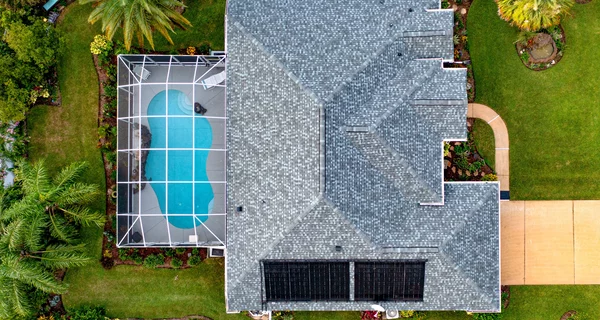
What the inspector checks: The shape of your roof as viewed from above. They measure or estimate what percentage of the roofline is hip (slopes on all sides) versus gable (flat triangular end walls).
Why it matters: Hip roofs distribute wind pressure evenly across all four slopes. Gable roofs have flat end walls that act as targets for wind, creating higher uplift forces and a collapse risk for gable walls taller than 5 feet. This is why roof shape earns one of the largest single-item discounts on the form.
| Roof Shape | Requirement | Credit Level |
|---|---|---|
| Hip | All sides slope; must be 90%+ hip to qualify | Best (28-32% of wind premium) |
| Non-hip (gable, flat, other) | Any flat vertical end walls | Lower credit |
Discount value: Up to 28-32% of wind premium. This is the second most valuable factor on the form after opening protection.
The 2026 form change: The new form adds a roof slope calculation requirement. For multi-slope roofs (homes with both hip and gable sections), the inspector must calculate whether two-thirds of the home meets specific slope criteria, with supporting evidence. This means some homes that previously qualified as "hip" may be reclassified if the calculation shows too much gable area.
What you can do: You can't change your roof shape without a major reconstruction. But if you're building new, specify a hip roof. The insurance savings alone (28-32% of wind premium) can offset the 10-15% higher construction cost within a few years.
Section 6: Secondary Water Resistance (SWR)
What the inspector checks: Whether a self-adhering peel-and-stick membrane was installed on the roof deck beneath the primary roof covering. This membrane prevents water from reaching the interior if the shingles, tiles, or metal panels blow off during a storm.
Why it matters: SWR is the last line of defense between a hurricane and your ceiling. Without it, any roof covering loss immediately becomes interior water damage. With it, your home can lose its outer roof covering and still stay dry inside until repairs are made.
| SWR Status | What's Required | Credit Level |
|---|---|---|
| No SWR or no documentation | No membrane, or membrane installed but no proof | No credit |
| SWR verified | Documented installation of qualifying membrane system | Full credit (5-7%) |
Discount value: 5-7% of wind premium.
The catch: SWR is only visible during installation (it's covered by the roof covering). Once the roof is finished, the inspector cannot see it. You must have documentation from the roofing contractor or permit records proving it was installed. No paper trail means no credit, even if the membrane is actually there.
The 2026 form change: The updated form specifies that only designated systems qualify, with comprehensive documentation of materials and installation methods required. Generic "felt paper" or undocumented underlayment no longer qualifies.
What you can do: If you're reroofing, add SWR. The cost is approximately $500-$2,000 added to the reroof project. Insist that your contractor photograph the installed membrane and provide written documentation specifying the product used. Keep this forever.
Section 7: Opening Protection
What the inspector checks: Whether every glazed opening on your home (every window, every door with glass, every skylight, and the garage door) is protected with either impact-rated products or code-approved hurricane shutters. The inspector checks product labels, NOA numbers, or Florida Product Approval numbers on each opening.
Why it matters: This is the single biggest discount factor on the entire form. Opening protection prevents the envelope breach cascade that causes most catastrophic home losses during hurricanes: a single broken window creates 30-60 PSF of internal pressure that combines with 40-80 PSF of external roof suction to generate 70-140 PSF of total uplift, tearing roofs off from the inside.
| Protection Level | What's Required | Credit Level |
|---|---|---|
| None | No impact products or shutters | No credit |
| Partial (some openings) | Some but not all openings protected | Reduced credit |
| Full (all openings, Category A) | Every opening protected with impact-rated products or approved shutters | Maximum credit (30-45%) |
Discount value: 30-45% of wind premium when all openings are protected. This is the largest single discount available.
The critical rule: ALL openings must be protected to qualify for the maximum credit. One unprotected bathroom window, one non-rated skylight, one standard garage door kills the full Category A credit. The inspector checks every opening, and the weakest protection determines your overall rating.
Mixed systems are fine. You can use impact windows on some openings and hurricane shutters on others. As long as every opening has qualifying protection, you get the full credit. This is the basis of the hybrid approach that many homeowners use to balance cost and performance.
What product labels the inspector looks for:
- In the HVHZ (Miami-Dade, Broward): Miami-Dade NOA number on each product
- Outside the HVHZ: Florida Product Approval number or Miami-Dade NOA number
- For shutters: Product approval sticker on the shutter or mounting hardware, or documentation of approved shutter type
Do not remove product labels before the inspection. This is a common mistake. The manufacturer labels on your impact windows and doors are how the inspector verifies compliance. If the labels have been removed (during painting, cleaning, or by a previous owner), you'll need alternative documentation (permit records showing the products installed, or a letter from the manufacturer or installer confirming the products).
The 2026 form change: The updated form requires a detailed assessment of each opening individually, with the weakest protection determining the overall rating. Damaged or deteriorated opening protection is now explicitly identified and documented. If your impact window seal has failed or a shutter is damaged, it may no longer count as protection.
What you can do: This is where the return on investment is highest. If you have unprotected openings, impact windows or hurricane shutters on those openings unlock 30-45% of your wind premium. For most South Florida homeowners, this translates to $1,500-$3,500/year in savings. See our impact windows cost guide for pricing by window type and manufacturer.
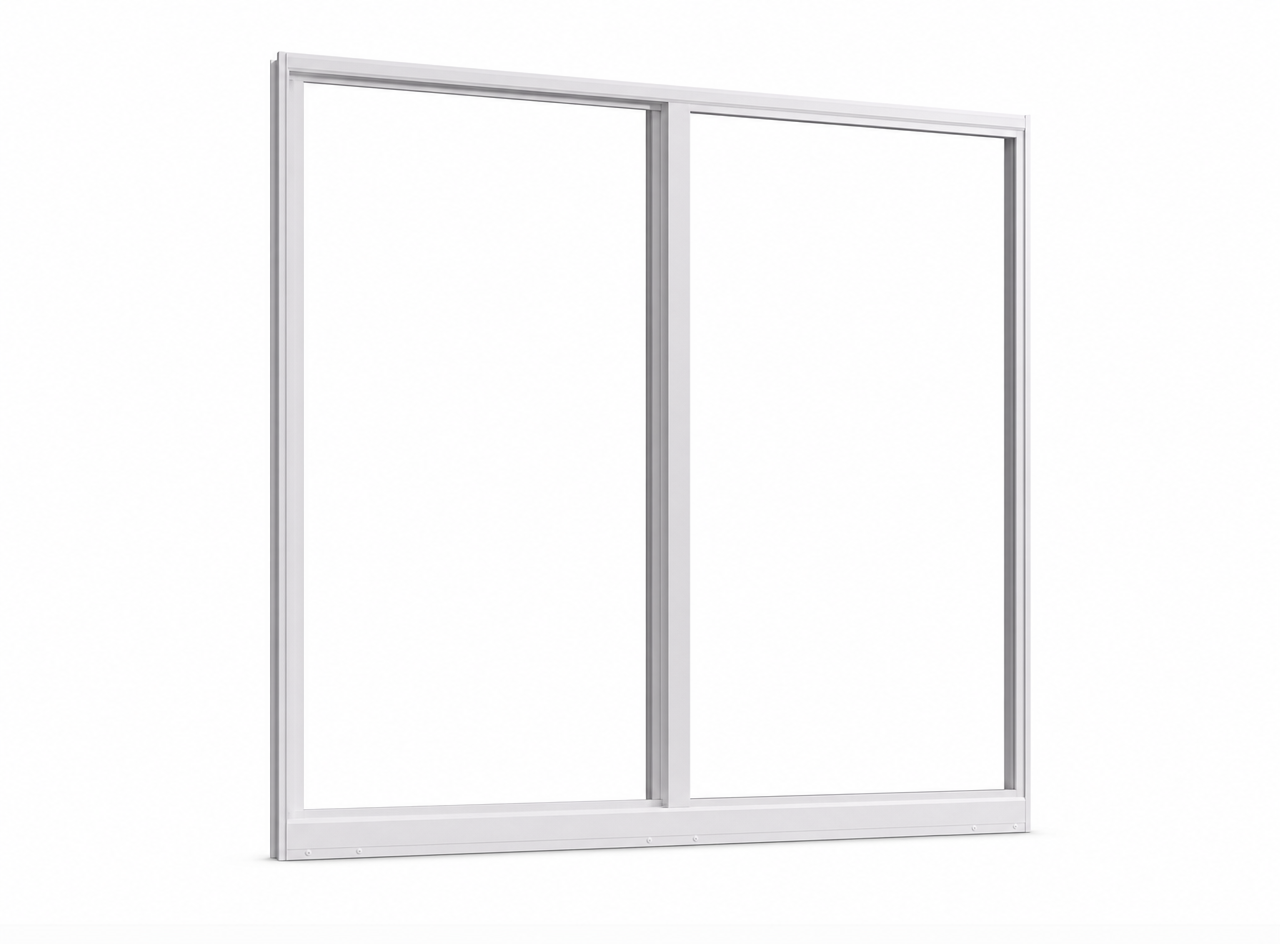
 PGT · WinGuard Aluminum Series
PGT WinGuard Aluminum Horizontal Roller HR7710A
Aluminum impact horizontal roller on the WinGuard 7700-series frame, opening side-to-side for wider residential openings. Diamond Glass, LMI for HVHZ.
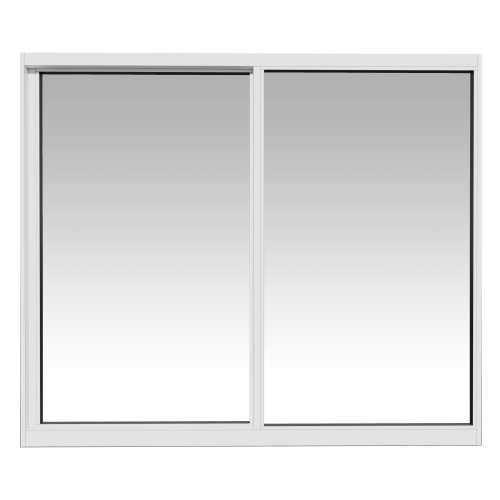
 ECO · Eco-Guard Horizontal Rolling Series
Eco-Guard Horizontal Rolling Series 60
Entry 2-panel aluminum impact roller, 2-1/8 in. frame, +55/-60 psf, LMI for HVHZ.
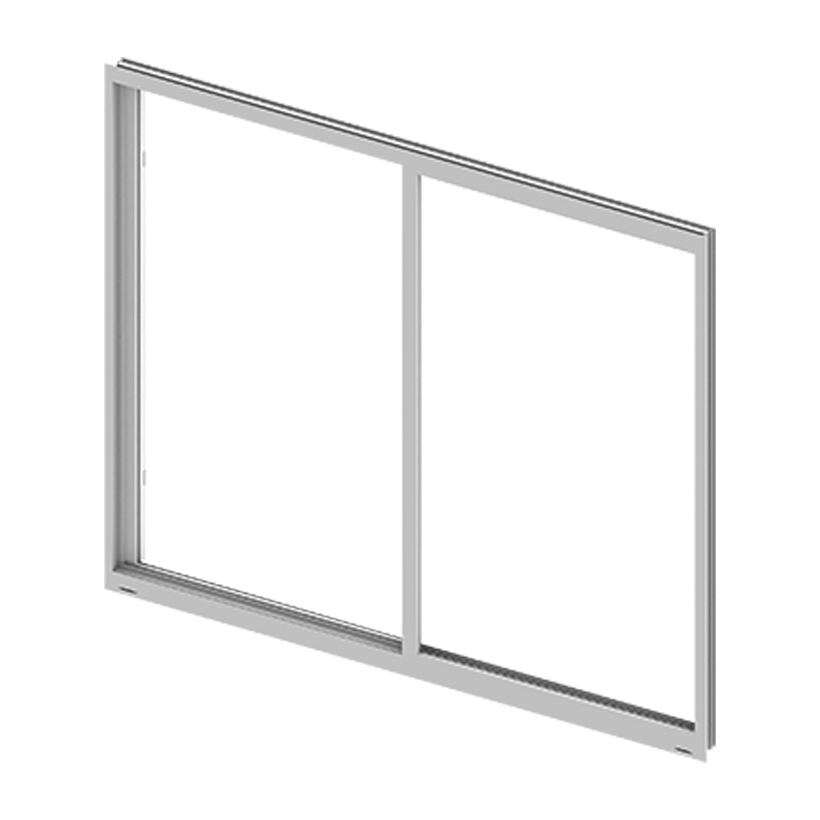
 ES Windows · Elite Series
ES Windows Elite ES-EL200 Sliding Window
Aluminum impact horizontal slider in XO, OX, and XOX configurations on a 2-15/16 inch frame. Polyamide rollers with needle bearings.
What the Maximum Discount Looks Like
When every section is maximized, the total discount on the windstorm portion of your policy can reach up to 88%.
Here's what that means in real dollars:
| Home Location | Annual Premium | Wind Portion (60-70%) | Maximum Discount (88%) | Annual Savings |
|---|---|---|---|---|
| Coastal Miami-Dade, $500K | $10,000 | $6,500 | $5,720 | Up to $5,720/year |
| Coastal Broward, $400K | $7,000 | $4,550 | $4,004 | Up to $4,004/year |
| Tampa Bay, $400K | $5,500 | $3,300 | $2,904 | Up to $2,904/year |
| Inland Palm Beach, $350K | $4,500 | $2,700 | $2,376 | Up to $2,376/year |
| Orlando, $350K | $3,000 | $1,500 | $1,320 | Up to $1,320/year |
These are theoretical maximums assuming every category earns the highest credit. Most homes won't hit 88% because some features (like roof shape) can't be changed without reconstruction. But even partial credits add up quickly. A home with just opening protection (30-45%) and a hip roof (28-32%) is already saving 58-77% of the wind premium.
The 2026 Form Update: What Changed
The OIR-B1-1802 was updated effective April 1, 2026, based on the 2024 Residential Wind-Loss Mitigation Study. Insurance companies began applying credits based on the new form in July 2026. Here's what changed:
Two new items added:
- Region (design wind speed): The form now documents the specific design wind speed for your location, aligning with ASCE 7-22 wind speed maps.
- Roof slope: Multi-slope roofs require calculation to verify whether two-thirds of the home meets specific slope criteria.
Stricter documentation throughout:
- Clear photos are now mandatory for each feature, not just helpful.
- Permits, product approvals, and installation records carry more weight.
- "Unknown" or "not verifiable" answers are documented differently and may reduce credits.
Expanded roof-to-wall connection categories:
- New categories for retrofitted connections (straps added after original construction).
- Stricter definitions of what qualifies as a clip vs. a wrap vs. a double wrap.
- More thorough attic assessment required.
Refined secondary water resistance standards:
- Only designated systems qualify (not generic felt paper).
- Comprehensive documentation of materials and installation methods required.
More detailed opening protection evaluation:
- Each opening is assessed individually.
- The weakest opening determines the overall rating.
- Damaged or deteriorated protection is documented and may reduce the credit.
What this means for homeowners: If your last wind mitigation inspection was done before April 2026, your form may not reflect the new categories and documentation standards. Some homes may receive different (higher or lower) credit determinations under the new form. Getting a new inspection under the updated form ensures you're not leaving money on the table.
Common Mistakes That Reduce Your Score
These are the errors we see most often that cost homeowners money on their wind mitigation inspection:
1. One unprotected opening. A single non-impact bathroom window, a standard laundry room window, or a non-rated garage door kills the full opening protection credit. The inspector checks every opening. Missing one can cost you 30-45% of your wind premium, which may be $1,000-$3,000/year.
2. Missing product labels. If the manufacturer labels on your impact windows have been painted over, peeled off, or are unreadable, the inspector may not be able to verify the product's approval. Keep labels intact. If they're gone, get documentation from your installer or the county permit records.
3. Hip roof with a gable section. If more than 10% of your roofline is gable (flat vertical end walls), you lose the hip roof credit. A small gable section over a garage or a dormer can disqualify the entire roof from the best credit level.
4. No SWR documentation. Even if peel-and-stick membrane was installed during your last reroof, if you can't prove it, you don't get credit. The inspector can't see it under the roof covering. No contractor documentation, no permit reference, no credit.
5. Toenail-only roof connections. Common in homes built before 1994. If the inspector opens the attic and sees only toenailed rafter connections (no clips, no straps), there's no credit for this section. This is one of the most cost-effective retrofits to fix.
6. Deteriorated weatherstripping or damaged shutters. Under the 2026 form, the inspector now documents damaged or deteriorated opening protection. If your accordion shutter track is corroded, your impact window seal has failed, or a panel is cracked, it may not count as protection.
How to Maximize Your Discounts: A Priority Plan
If you're starting from scratch (a pre-2002 home with no mitigation features), here's the order to address items based on discount value per dollar spent:
Step 1: Get the inspection. Before you spend a dollar on improvements, find out what you already have. Many homes have features (clips, FBC-compliant roof covering, partial opening protection) that earn credits the homeowner didn't know about. A $75-$150 inspection may save you $300-$800/year immediately by documenting existing features. Get the free inspection through My Safe Florida Home if eligible.
Step 2: Complete opening protection. This is the highest-value single improvement. If you have some protected openings but not all, identify the gaps (usually a bathroom window, laundry window, or garage door) and fill them. Going from partial to full opening protection can unlock 30-45% of your wind premium. If you have no opening protection at all, a full impact window project combined with an impact-rated garage door addresses the biggest discount factor on the form and provides permanent hurricane protection.
Step 3: Retrofit roof-to-wall connections. If your attic shows toenail-only connections, adding hurricane straps is $1,500-$3,000 and earns 5-15% of wind premium. This can be done without reroofing.
Step 4: Upgrade during your next reroof. When you reroof (and every Florida home will eventually), add enhanced roof deck attachment (ring-shank nails at 6"/6"), secondary water barrier (peel-and-stick membrane), and metal drip edge. The incremental cost is modest compared to the roof project, and you earn 5-10% (deck) + 5-7% (SWR) + 5-10% (covering) in credits that last the life of the roof.
Step 5: Get a NEW inspection after every improvement. Each upgrade earns a new credit that only takes effect when documented on a new inspection form and submitted to your insurer. Don't wait until all improvements are done. Get a new inspection after each significant upgrade to start saving immediately.
Step 6: Submit the form and follow up. Send the completed OIR-B1-1802 to your insurance company (your inspector can usually send it directly). Then verify the discounts were applied to your next renewal. Some insurers apply credits automatically. Others require a phone call. Don't assume it happened.
Next Steps
- Schedule a free wind mitigation inspection through My Safe Florida Home, or book one independently ($75-$150).
- Gather your documentation before the inspector arrives: roof permits, window installation records, shutter product approvals, any contractor paperwork for roof-to-wall connection upgrades.
- Review the report and identify which sections have no credit or reduced credit. These are your highest-ROI improvement targets.
- Address opening protection first if it's not at Category A (all openings). Get a free estimate for the specific openings that need protection.
- Submit the completed form to your insurance company and verify the discounts were applied at your next renewal.
- After any improvement, get a new inspection immediately to update the form and start saving.