
The 2026 Season at a Glance
Hurricane season runs June 1 through November 30, with peak activity from August through mid-October. If you're reading this in January or February, you have time. If you're reading it in May, you need to move fast. If you're reading it in August, your options for structural upgrades are limited, but emergency preparation is still critical.
Why 2026 Matters
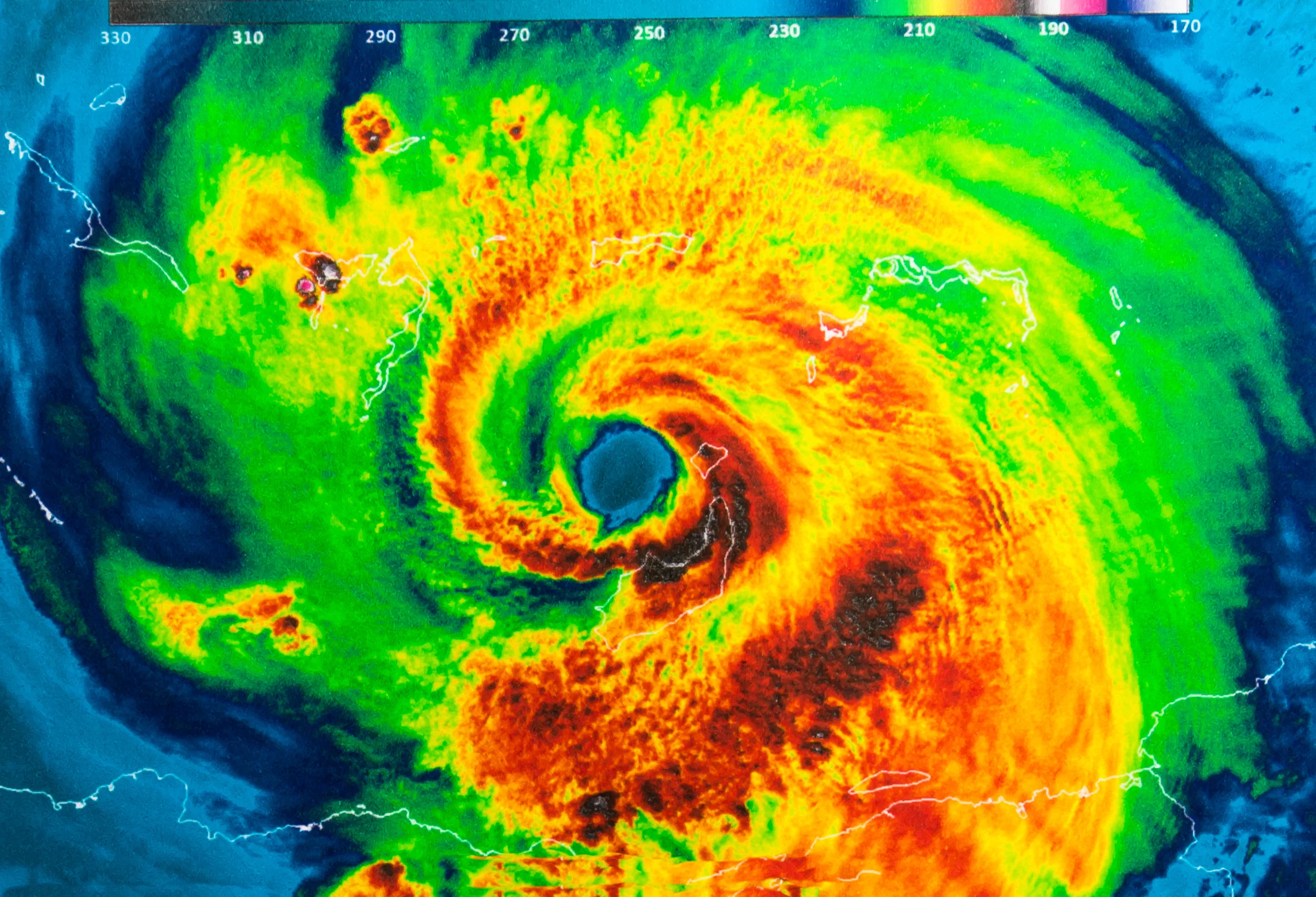
The climate trends are not improving. Rapid intensification events (storms gaining 35+ mph in 24 hours) have tripled since 1980. Hurricane Milton (2024) went from tropical storm to Category 5 in under 24 hours. Three storms reached Category 5 specifically because of climate change (Lorenzo 2019, Ian 2022, Lee 2023).
But the building performance data is equally clear: after Hurricanes Helene and Milton (2024), zero homes built to modern Florida Building Code standards were destroyed across 358 assessed structures. The code works. Preparation works. The question is whether your home is prepared.
NOAA typically releases their official hurricane season forecast in late May. When that forecast is available, it will provide specific predictions for named storms, hurricanes, and major hurricanes. Regardless of the forecast, the preparation steps below apply every year.
Month-by-Month Preparation Timeline
January through March: Planning Phase
This is when preparation is cheapest, fastest, and most effective. Contractors have availability. Manufacturers have inventory. Permit offices aren't overwhelmed.
Home Assessment:
- Walk your property and identify every opening: windows, doors, sliding glass doors, skylights, garage door. Which are protected? Which aren't?
- Check your roof for loose tiles, damaged shingles, or deteriorated flashing
- Inspect weatherstripping on existing impact windows: press with a finger on every operable window. If it doesn't spring back, schedule replacement.
- Clear weep holes on all windows and doors
- Test hurricane shutters by deploying and retracting them. Lubricate tracks with silicone spray.
Get Quotes:
- Request a free estimate for impact windows, doors, and shutters. Compare at least 2-3 installers.
- Ask about manufacturer lead times. ES Windows delivers in 5-6 weeks. PGT quotes 8-12 weeks. WinDoor and custom products may take 12-16 weeks.
- Factor in permit processing (2-6 weeks depending on municipality and zone)
Apply for Grants:
- Check eligibility for the My Safe Florida Home program at mysafeflhome.com. The program has $352 million in current funding.
- Complete the prioritization questionnaire immediately after your free inspection (over 30,000 applicants lost eligibility by skipping this step)
- Do NOT start any work before grant approval. Starting early automatically disqualifies your application.
Review Insurance:
- Pull your current homeowners policy and identify your hurricane deductible (typically 2-5% of insured value)
- Check when your wind mitigation inspection expires (valid for 5 years)
- If you're in a flood zone, verify your flood insurance is active (separate policy from homeowners)
April: Action Phase
Start Installation Projects:
- Sign contracts and pull permits for impact window, door, and shutter installations
- A project signed in April with a 6-week lead time completes in mid-May (before hurricane season)
- A project signed in May with a 12-week lead time completes in August (during peak season)
- The math is simple: earlier is safer
Emergency Supply Basics:
- Begin accumulating non-perishable food (3-day minimum, 7-day recommended)
- Check battery supply (flashlights, radio, phone chargers)
- Test your generator if you have one. Service it if needed. Stock fuel stabilizer.
- Verify your prescription medications can be refilled with a 30-day supply if needed
May: Readiness Phase (Final Deadline for Structural Upgrades)
Complete all installation projects before June 1. Any impact window, door, or shutter installation still in progress on June 1 is a project you're hoping finishes before a storm forms. Hope is not a hurricane plan.
After Upgrades Are Complete:
- Schedule a wind mitigation inspection to document the new features
- Submit the completed form (OIR-B1-1802) to your insurance company
- Follow up to confirm the discounts are applied. Don't assume they will be automatic.
- Insurance savings ($1,000-$3,500/year in South Florida) start at your next renewal, so completing upgrades before your renewal date maximizes first-year savings.
Finalize Emergency Preparedness:
- Photograph or video-record every room in your home for insurance documentation. Include close-ups of valuables. Store the files in the cloud, not just on your phone.
- Identify your evacuation zone and plan your route
- Confirm your family communication plan (who goes where, how you stay in contact if cell service is disrupted)
- Place important documents (insurance policies, IDs, deeds, medical records) in a waterproof container
June through November: Active Season
Ongoing:
- Monitor the National Hurricane Center for tropical development in the Atlantic, Caribbean, and Gulf of Mexico
- Maintain your emergency supply kit (replace expired food, batteries, and medications)
- Keep your vehicle fueled above half-tank during active tropical weather
When a Storm Threatens (72+ Hours Out):
- Deploy hurricane shutters or verify impact windows are locked
- Bring outdoor furniture, planters, and loose items inside or secure them
- Fill bathtubs and large containers with water (for flushing toilets if water service is interrupted)
- Charge all devices and portable battery packs
- Withdraw cash (ATMs and card readers may not work after the storm)
- Fill your vehicle's gas tank completely
When a Storm Threatens (24-48 Hours Out):
- Finalize evacuation decision based on your zone and the storm's projected path and surge
- If sheltering in place, move to an interior room away from windows during the storm
- Do NOT open windows or doors during the hurricane (the "equalize pressure" myth is dangerous and wrong)
- Turn refrigerator and freezer to their coldest settings (extends food preservation during power outages)
Home Hurricane Hardening Checklist
Print this and work through it systematically. Every checked item reduces your risk.
Windows and Doors
- All windows protected: impact windows, hurricane shutters, or hurricane screens
- Sliding glass doors protected: impact-rated or shutter-covered
- French doors protected: impact-rated or shutter-covered
- Entry doors impact-rated with multipoint locking
- Garage door wind-rated and preferably impact-rated
- All shutters tested, tracks lubricated, hardware inspected
- Weatherstripping on all operable windows checked and firm
- Weep holes on all windows and doors cleared
- Exterior caulk around all window and door frames inspected and intact
Roof System
- Roof covering inspected (no loose tiles, missing shingles, or damaged flashing)
- Roof-to-wall connections verified (hurricane straps or clips, not just toenails)
- Roof deck attachment assessed (ring-shank nails at enhanced spacing preferred)
- Secondary water resistance installed (peel-and-stick membrane under roof covering)
- Soffits secured and undamaged
- Gutters clean and securely attached
Exterior
- Trees trimmed: remove dead branches, thin canopy, cut limbs within 10 feet of roof
- Loose items identified and plan for securing them (patio furniture, grills, planters, pool equipment, toys)
- Fences inspected for loose sections that could become debris
- Pool pump and equipment can be turned off and secured
Insurance and Documentation
- Wind mitigation inspection current (valid for 5 years)
- Insurance policy reviewed for hurricane deductible (2-5% of insured value is typical)
- Flood insurance active (if in flood zone)
- Home contents photographed/video-recorded and stored in cloud
- Important documents in waterproof container
- My Safe Florida Home application submitted (if eligible)
Emergency Supplies
- Water: 1 gallon per person per day, minimum 3 days (7 recommended)
- Non-perishable food: 3-7 day supply
- Medications: 30-day supply of all prescriptions
- First aid kit
- Flashlights and extra batteries (LED flashlights last longer)
- Battery-powered or hand-crank NOAA Weather Radio
- Phone chargers and portable battery packs
- Cash (small bills; ATMs may be down for days)
- Generator tested and fuel stored safely (if applicable)
- Manual can opener
- Sanitation supplies (trash bags, hand sanitizer, disinfectant)
Why Pre-Season Installation Is Critical
The math on lead times makes the case clearly:
| When You Sign | Typical Lead Time | Installation Complete | Before Peak Season? |
|---|---|---|---|
| January | 5-12 weeks | February-March | Yes (months early) |
| February | 5-12 weeks | March-April | Yes |
| March | 5-12 weeks | April-June | Likely yes |
| April | 6-14 weeks | May-July | Probably |
| May | 8-16 weeks | July-September | Maybe not |
| June | 10-18+ weeks | August-November | No (peak season) |
| July+ | 12-20+ weeks | October+ | No |
Lead times extend as hurricane season approaches because demand surges while manufacturing and installation capacity remain fixed. After a named storm enters the forecast, scheduling becomes nearly impossible.
Price also matters. Post-hurricane demand elevates pricing by 10-15% and extends lead times by months. After Hurricane Milton, Sarasota-area lead times extended to 6-12 weeks and labor costs rose 10-15% above pre-storm levels. The cheapest and fastest time to install is always before the storm, not after.
The Financial Case for Acting Now
Hurricane hardening is an investment, not just an expense. Here's the annual return:
| Upgrade | Typical Cost | Annual Insurance Savings | Annual Energy Savings | Payback Period |
|---|---|---|---|---|
| Impact windows (whole home) | $25,000-$40,000 | $1,000-$3,500 | $500-$800 | 7-15 years |
| Accordion shutters (whole home) | $5,000-$12,000 | $500-$1,500 | $0 | 3-10 years |
| Impact garage door | $1,500-$5,000 | Completes opening credit | $0 | 1-3 years |
| Roof-to-wall straps | $1,500-$3,000 | $200-$500 | $0 | 3-8 years |
The My Safe Florida Home program can offset up to $10,000 of these costs. PACE financing provides $0 down with income-verified approval. And insurance savings start at your next policy renewal, meaning every month you delay is a month of savings you don't collect.
After the Storm
If a hurricane affects your area:
Immediate (0-24 hours):
- Do NOT go outside during the eye of the storm (winds resume from the opposite direction)
- Wait for official all-clear from local emergency management
- Check for structural damage before moving through your home (collapsed ceilings, standing water on electrical outlets)
- Document all damage with photos and video before any cleanup
Short-term (1-7 days):
- Contact your insurance company to file a claim. Document the claim number.
- Cover broken windows or roof openings with tarps to prevent further water damage
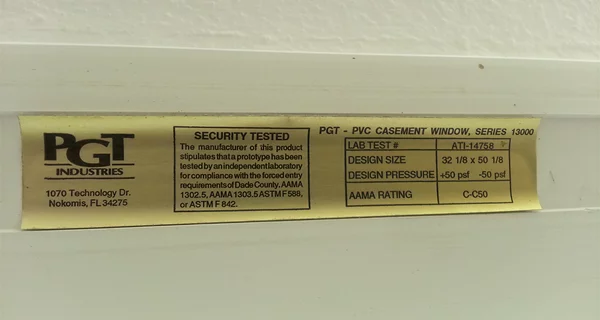
- Do NOT remove manufacturer labels from impact windows before the insurance adjuster inspects
- Be cautious of standing water (electrical hazards, contamination)
Medium-term (1-4 weeks):
- Get repair quotes from licensed contractors. Verify licenses at myfloridalicense.com
- Be wary of storm-chaser contractors offering immediate repairs at inflated prices
- If eligible, apply for FEMA disaster assistance
- Inspect all impact windows and shutters for damage, even if they appear intact. Stressed seals and micro-damage may affect performance in the next storm.
Next Steps
- Get a free estimate for impact windows, doors, and shutters. Start the process now, not in May.
- Apply for MSFH grants at mysafeflhome.com. The $352 million in current funding will not last indefinitely.
- Check your evacuation zone and plan your route.
- Get a wind mitigation inspection to document your home's features and claim all available insurance discounts.
- Print the checklist above and work through it before June 1. Every item you complete reduces your risk and may reduce your insurance premium.