
If you're shopping for lanai windows with hurricane protection, you have two true impact-rated paths and two budget alternatives. The impact-rated paths: convert the screened openings to fixed impact glass (a screen-to-glass conversion, roughly $15,000-$40,000+), or install operable hurricane impact lanai windows that open for ventilation and close before a storm (casement, awning, or horizontal roller, $15,000-$35,000+). The budget alternatives, deployed before a storm: code-approved hurricane screens ($10-$15 per square foot installed) and removable storm panels ($10-$30). A fifth option, often the smartest dollar-for-dollar, skips the enclosure and upgrades the doors behind it.
One caution: most windows marketed as "lanai windows" or sunroom windows are glazed with rigid acrylic sheet or flexible vinyl film, not laminated impact glass. They are not impact-rated, carry no Florida Product Approval or Miami-Dade NOA, and count as unprotected on a wind mitigation inspection. If you searched for storm-proof lanai windows, that is the expensive mistake: real protection means laminated impact glass or an approved covering.
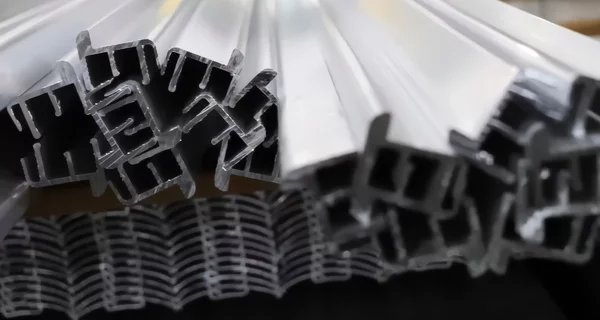
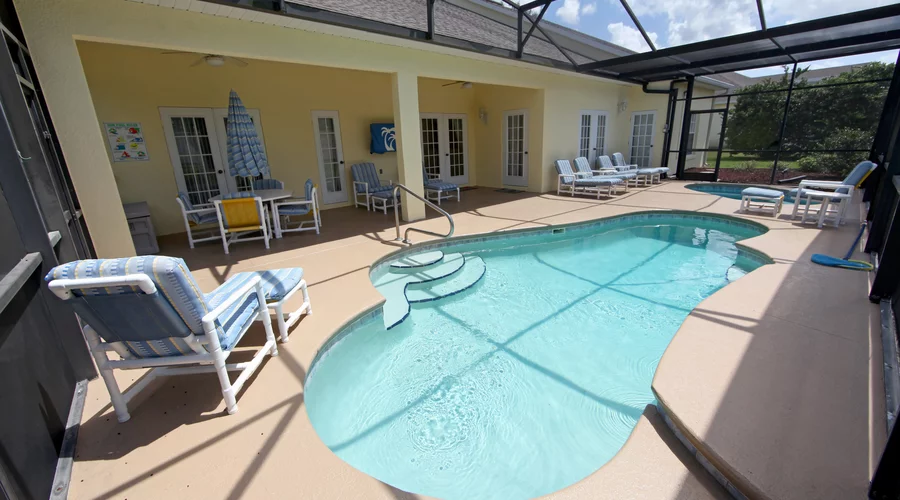
The lanai itself explains why this matters. That screened outdoor living space connects your interior to your yard, keeps out insects, and gives you a shaded place to enjoy the weather for most of the year. During a hurricane it becomes a liability. Screen enclosures are designed to keep out bugs, not wind-borne debris: the mesh fails almost immediately in hurricane-force winds, and the aluminum frame (the posts, beams, and cross-members that hold the whole structure together) becomes airborne debris. Those aluminum pieces are now missiles that can puncture the windows, doors, and roof of your own home and your neighbors' homes.
That's a serious problem on its own. But there's a hidden vulnerability behind the destroyed lanai that most homeowners don't think about until it's too late. This guide covers what that vulnerability is, why it matters for your insurance, and all five ways to solve it, from a full impact glass enclosure to simply upgrading the doors behind the lanai.
The Lanai Problem
A typical Florida lanai is a screened enclosure: an aluminum frame with mesh screen panels attached to the back or side of the house. Some are ground-level patios, others are elevated pool cages, and some are upper-floor balcony enclosures. Whatever the configuration, they all share the same weakness: zero hurricane protection.
What Happens to a Screen Enclosure During a Hurricane
During a Category 1 hurricane (74-95 mph sustained winds), most screen enclosures start sustaining damage. By Category 3 (111-129 mph), full structural failure is common. Here's the sequence:
- Screen mesh tears away. The mesh is held in by spline in channels. Wind pressure and debris punctures cause the screen to rip out of the channels within minutes.
- Aluminum frame distorts. With the screen gone, wind loads on the frame change dramatically. Joints and connections begin to fail.
- Frame members become projectiles. Aluminum tubes, screws, brackets, and screen spline become wind-borne debris. A 10-foot aluminum beam traveling at 100+ mph is a serious projectile.
The damage doesn't stop at your property line. FEMA has documented that wind-borne debris from failed structures, including screen enclosures, is one of the primary causes of damage to neighboring buildings during hurricanes.
The Hidden Vulnerability: The Door Behind the Lanai
Here's the problem most homeowners miss: the sliding glass door (or windows) that open from your house onto the lanai are building envelope openings.
When a home was built or when the screen enclosure was added, many homeowners (and some builders) assumed the screen enclosure provided some level of shelter for those openings. As a result, the SGD behind the lanai is often a standard, non-impact sliding glass door.
This creates a chain of failure during a hurricane:
- The screen enclosure is destroyed.
- The non-impact SGD is now fully exposed to wind and debris.
- If the SGD fails, the building envelope is breached.
- Internal pressurization occurs: wind enters the home and pushes outward on the roof structure and walls from inside.
- Roof failure, wall failure, and catastrophic structural damage can follow.
This is not a theoretical risk. Post-hurricane damage assessments consistently show that building envelope breaches through doors and windows are among the leading causes of structural damage. The Florida Building Commission requires impact-rated protection on all building envelope openings for exactly this reason.
The Acrylic "Lanai Window" Trap
A whole category of products is sold as "lanai windows" that has nothing to do with hurricane protection. These are sunroom-grade enclosure systems: aluminum frames glazed with rigid acrylic sheet or flexible vinyl film instead of glass. Manufacturers market them honestly for what they are (ventilation, light, pollen and rain screening for pool enclosures and porches), and some advertise the acrylic as "stronger than annealed glass," which is true and beside the point. Stronger than annealed glass is not an impact rating.
These products carry no Florida Product Approval, no Miami-Dade NOA, and no design pressure rating; the largest Florida manufacturers that sell them label their sunroom lines non-impact on their own product pages. On a wind mitigation inspection they count the same as screen mesh: unprotected.
The test is simple. If a "lanai window" doesn't have a Florida Product Approval or NOA number and a laminated-glass makeup behind it, treat it as zero hurricane protection and plan accordingly.
The Insurance Cost of an Unprotected Lanai Door
If the SGD behind your lanai is not impact-rated and has no approved shutter system, it counts as an unprotected opening on the wind mitigation inspection form.
Florida's wind mitigation discount system is all-or-nothing for opening protection. To receive the full opening protection credit, every opening in the building envelope must be protected. One unprotected sliding glass door behind a lanai can cost you the entire credit.
The dollars are large. For coastal South Florida homes, the opening protection credit is commonly worth $1,000-$3,500 per year off the windstorm portion of the premium. Over 10 years, that one unprotected door behind the lanai can add up to $10,000-$35,000 in discounts you never received.
The takeaway: whether or not you protect the lanai enclosure itself, the doors and windows behind it must be impact-rated or shuttered.
Five Ways to Storm-Proof a Lanai
Two of these are true hurricane impact lanai windows (Options 1 and 2). Two are deployable coverings that protect the openings at lower cost (Options 3 and 4). The last one protects the house instead of the lanai.
Option 1: Full Impact Glass Enclosure (Screen-to-Glass Conversion)
The most comprehensive solution is to replace the screen panels entirely with fixed impact glass, converting the lanai from a screened outdoor space into a fully enclosed, conditioned indoor room.
What it involves: A screen-to-glass conversion is a re-engineering job, not an infill job. Screen mesh is porous, so the existing enclosure frame was engineered for a fraction of the wind load a solid wall takes. Glass closes the wall, and the full design pressure for your wind zone lands on every panel and every connection behind it. Laminated impact glass is also heavy, roughly 3.5-5 lbs per square foot depending on makeup, so a single 6-by-8-foot bay carries 170-240 lbs of glass that mesh-rated aluminum framing was never sized to hold.
In practice that means:
- An engineer evaluates the existing slab, footings, and host structure first. Where the lanai sits under a structural roof tied to the house, new glass walls can often span from the slab to the existing beam. Under a typical screen-cage roof, the cage framing usually comes out and a new engineered wall system goes in: heavier aluminum posts and headers sized for the glass loads.
- Typical glass configurations: fixed picture panels in 5/16" laminated glass for standard bays, 7/16" laminated for larger lites and higher design pressures, or laminated-insulated units (a laminated lite plus airspace and a Low-E lite, about 1" overall) if you plan to condition the space.
- Products include fixed impact panels, ECO glass railing systems (rated DP +120/-120), and custom-fabricated impact glass walls.
- HVAC extension, electrical, and insulation follow if the space becomes conditioned living area.
Cost: Impact glass runs roughly $55-$120 per square foot installed for value-to-mid-premium product tiers. Most full conversions land between $15,000 and $40,000+ depending on enclosure size, panel count, product line, and whether HVAC and electrical work is included.
Benefits:
- Full hurricane protection for the lanai and everything behind it
- Adds conditioned, usable square footage to the home
- Noise reduction from road, neighbor, and airport sources
- Energy efficiency: the conditioned space is fully sealed
- Eliminates dust, pollen, and insects without screen maintenance
- No deployment required; protection is always in place
Considerations:
- Requires a building permit in every Florida jurisdiction
- Changes the space designation from "screened porch" to "conditioned living area," which increases the home's assessed square footage and may raise property taxes
- The new lanai glass must meet current code in its own right, and if you bundle the project with window or door replacements on a pre-2002 home, the 25% rule can require every replaced opening to be impact-rated (details in the permit section below)
- HOA approval is almost always required; submit plans before committing to a contractor
- Products must meet Florida Building Code requirements for your wind zone (DP rating, Florida Product Approval, and Miami-Dade NOA if in the HVHZ)
This option makes the most sense for homeowners who want to expand their usable living space and are willing to invest in a permanent, high-value improvement.
Option 2: Operable Impact Lanai Windows
Instead of fixed glass panels, this option replaces the screen with operable impact-resistant lanai windows (casement, awning, or horizontal roller impact windows) that can be opened for ventilation and closed for hurricane protection.
What it involves:
- The same structural math as Option 1 applies. Operable windows need square, rigid rough openings, so the mesh-rated cage framing is usually replaced with a new engineered wall grid rather than reused.
- Large lanai bays often become a mulled assembly: a fixed impact lite with an operable unit beside or below it, since operable windows have practical size limits.
- Window types: casement (crank-out) and awning (top-hinged) units close on compression gaskets rather than sliding weatherstrip, and with multi-point locks they carry some of the highest design pressures of any operable window. Horizontal rollers give wide, easy openings and are the common pick for long lanai walls.
Cost: Operable impact units run roughly $70-$150 per square foot installed, or about $800-$2,200 per opening depending on product tier and size. Full lanai projects typically land $15,000-$35,000+ depending on the number and size of openings and the window type selected.
Benefits:
- Hurricane protection when windows are closed
- Preserves the "open-air" lanai experience when windows are open
- Ventilation without insects (add screens behind the windows)
- All the daily benefits of Option 1 when windows are closed
- No deployment; just close and lock the windows before a storm
Considerations:
- Operating hardware (cranks, hinges, multi-point locks) adds cost and requires maintenance, especially in salt-air environments along the coast
- Same permit, 25% rule, tax, and HOA considerations as Option 1
This is the best choice for homeowners who value the lanai's open-air character but want full protection when needed. The ability to open windows on pleasant days preserves what made the lanai appealing in the first place.
Option 3: Hurricane Screens for Lanais
Fabric-based hurricane screen systems deploy over the lanai openings to provide wind and debris protection during a storm.
What it involves:
- Tracks or mounting hardware are permanently installed around each lanai opening
- Fabric hurricane screens (typically a woven PVB or polypropylene mesh) are rolled down or pulled across the opening before a storm
- Some systems are motorized; others are manual
Cost: Professionally installed hurricane fabric systems run about $10-$15 per square foot. Lanai bays are big, so opening area drives the price: a modest lanai with 200-400 square feet of screened openings typically lands $2,000-$6,000, and large motorized roll-down systems on big pool cages run well past that.
Important: The screens must have a Florida Product Approval (or Miami-Dade NOA in the HVHZ) to count as opening protection on the wind mitigation form. Not all fabric screen products are approved. Verify the product approval number before purchasing. For a deeper comparison, see our guide on impact windows vs. hurricane screens.
Benefits:
- Lower cost than glass options
- Lightweight and less structural load on the lanai frame
- Can be rolled up or removed when not needed
- Approved products qualify for the opening protection insurance credit
Considerations:
- Require deployment before every storm; you have to be home (or have someone available) to deploy them
- Do not provide daily benefits: no noise reduction, no energy savings, no insect protection when not deployed
- Do not add conditioned space
- Fabric degrades over time with UV exposure and must be replaced periodically
- Some homeowners find the appearance of deployed screens less desirable than glass
Hurricane screens make sense when budget is the primary constraint and you're willing to accept the deployment requirement.
Option 4: Removable Storm Panels
Aluminum or clear polycarbonate panels that bolt into pre-installed tracks around the lanai openings.
What it involves:
- Permanent tracks (header and sill) are installed around each opening
- Before a storm, aluminum or polycarbonate panels are slid or bolted into the tracks
- After the storm, panels are removed and stored
Cost: About $10-$20 per square foot installed for corrugated aluminum panels, or $10-$30 per square foot for clear polycarbonate. A typical lanai lands roughly $1,500-$4,000 depending on total opening area.
Benefits:
- Lowest cost hurricane protection option
- Aluminum panels are extremely durable and long-lasting
- Clear polycarbonate panels allow some natural light while installed
- Approved products qualify for the opening protection credit
- No moving parts; nothing to maintain between storms
Considerations:
- Labor-intensive to install; budget 30-60 minutes for a full lanai, longer for large or high enclosures
- Must be stored when not in use (requires garage or storage space)
- Provide no daily benefits between storms
- Aluminum panels block all natural light; polycarbonate allows some but is not transparent
- Installation on elevated or second-floor lanais requires ladders and is more difficult and dangerous
For a broader comparison of panel and shutter options, see our hurricane shutters guide and impact windows vs. hurricane shutters.
Storm panels are the budget option: effective protection at the lowest price, but with the most hassle per storm.
Option 5: Protect the Doors Behind the Lanai
Instead of protecting the lanai enclosure itself, this approach focuses on upgrading the sliding glass doors and any windows that open from the house onto the lanai to impact-rated products.
What it involves:
- Replace the existing SGD with an impact-rated sliding glass door
- Replace any windows opening onto the lanai with impact windows
- The screen enclosure remains as-is
Cost: An 8-foot two-panel impact SGD typically runs $2,500-$8,000 installed depending on product tier; a 12-foot four-panel runs $6,000-$16,000. Most door-behind-the-lanai projects land $2,500-$12,000+ total depending on how many doors and windows open onto the lanai.
Benefits:
- Protects the building envelope even if the screen enclosure is completely destroyed
- Often the most cost-effective approach: one or two door replacements vs. enclosing an entire lanai
- The impact SGD qualifies as a protected opening on the wind mitigation form, restoring the full opening protection credit
- Daily benefits on the doors themselves: noise reduction, UV filtering, energy efficiency
- No deployment required; protection is permanent and always in place
Considerations:
- The lanai screen enclosure itself will still be destroyed in a hurricane; you lose the lanai structure and must rebuild it
- Does not add conditioned space or daily livability improvements to the lanai area
- Rebuilding a screen enclosure after a hurricane typically costs $3,000-$8,000 depending on size
This is the right choice when the lanai itself is not a priority: you don't need it to be a conditioned room, and you're comfortable accepting that the screen enclosure will be destroyed in a major storm. What matters is that the building envelope stays intact and your insurance credits are protected.
For many homeowners, this is the smartest money: spend $5,000-$10,000 on impact SGDs, restore the insurance credit, protect the building envelope, and accept the screen enclosure as a replaceable structure.
Cost Comparison
| Option | Cost Range | Hurricane Protection | Daily Benefits | Adds Conditioned Space |
|---|---|---|---|---|
| Full impact glass enclosure | $15,000-$40,000+ (~$55-$120/sq ft) | Yes | Yes (noise, energy, insects) | Yes |
| Operable impact lanai windows | $15,000-$35,000+ (~$70-$150/sq ft) | Yes | Yes (ventilation + protection) | Partial |
| Hurricane screens | $2,000-$6,000 (~$10-$15/sq ft) | Yes (when deployed) | No | No |
| Storm panels | $1,500-$4,000 (~$10-$30/sq ft) | Yes (when installed) | No | No |
| Upgrade doors behind lanai | $2,500-$12,000+ | Building envelope only | Energy, noise on doors | No |
For detailed pricing on impact windows and doors across all product types, see our impact windows cost guide and impact doors cost guide.
Permit and Code Requirements
Building Permits
A screen-to-glass conversion, whether full enclosure (Option 1) or operable windows (Option 2), almost always requires a building permit. In most Florida jurisdictions, this includes:
- A structural engineering review to confirm the existing slab, footings, and frame can support the weight and wind loads of glass panels
- A plan review by the building department
- Inspections during and after installation
- A final inspection and certificate of completion
Even installing hurricane shutters, hurricane screens, or storm panels (Options 3 and 4) may require a permit in some jurisdictions, though many cities allow these as "over-the-counter" permits with simplified review.
Replacing the SGD behind the lanai (Option 5) requires a permit in virtually all Florida jurisdictions.
Florida Building Code Requirements
All impact-rated products installed on the lanai or behind it must meet Florida Building Code requirements:
- Design Pressure (DP) rating appropriate for the wind zone and opening size. Your contractor or engineer determines the required DP for each opening based on the building's location, height, exposure category, and opening dimensions.
- Florida Product Approval: every impact product must have a valid Florida Product Approval number, searchable in the Florida Building Commission's product approval database.
- In the HVHZ (Miami-Dade and Broward): Products must carry a Miami-Dade Notice of Acceptance (NOA). Standard Florida Product Approval is not sufficient.
The 25% Rule
Two code rules govern the glass in a lanai project. First, new glazed openings must meet current code, full stop: a screen-to-glass conversion adds glass where there was mesh, and in a wind-borne debris region that new glass must be impact-rated or protected regardless of any percentage math.
Second, the 25% rule (FBC Existing Building, Section 707.4) governs replacements on older homes. If a one- or two-family home built before the Florida Building Code took effect (March 2002, or September 1994 in the HVHZ) replaces glazed openings whose combined area exceeds 25% of the home's total glazed area within any 12-month rolling period, all of the replaced openings must meet current impact standards. The rule is calculated by area, not window count, and it applies to the openings you replace; it does not force you to replace glazing you aren't touching.
Where this bites on a lanai project: homeowners often bundle the conversion with replacing the sliding glass door and a few house windows. On a pre-2002 home, that replacement work can cross the 25% threshold, at which point budget-grade non-impact replacements stop being an option and every replaced unit must be impact-rated. Your contractor should run the area math before the contract is signed. For more on this rule, see Are Impact Windows Required in Florida?.
Change of Space Designation
Converting a screened lanai to an enclosed, conditioned room changes the designation from "screened porch" (which is not counted as conditioned living area) to "conditioned living space" (which is). This means:
- The property appraiser may increase your home's assessed square footage
- Your property taxes may increase accordingly
- The space must meet building code requirements for habitable rooms (electrical outlets, egress, minimum ceiling height, etc.)
This change also affects resale value positively; added conditioned square footage is one of the highest-ROI improvements in Florida real estate.
Insurance Implications
Understanding how your lanai protection choice affects your homeowners insurance is critical to making the right financial decision.
The Wind Mitigation Form
Florida law (Statute 627.0629) requires insurers to offer discounts for homes with hurricane mitigation features. The wind mitigation inspection evaluates several categories, including opening protection.
For the opening protection credit, the inspector checks whether every opening in the building envelope is protected. This includes:
- All windows
- All exterior doors (entry doors, sliding glass doors, French doors)
- Garage doors
- Any opening that connects the conditioned interior to the exterior, including SGDs that open onto a lanai
A screen enclosure is not opening protection, and neither are acrylic or vinyl lanai windows. The inspector will look past them and evaluate the SGD or windows behind them independently.
One freshness note: the wind mitigation form (OIR-B1-1802) received its first major update since 2012, adopted September 30, 2025 and effective April 2026, with credits applying from July 2026. The updated form tightens documentation: product approval numbers, installation years, and far more photographs, and the weakest protection on any opening determines the rating. Keep the product approval paperwork from any lanai project; the inspector will ask for it.
What This Means for Each Option
- Options 1 and 2 (glass enclosure or operable windows): The lanai openings themselves become impact-rated. The doors behind the lanai are also enclosed within the impact glass envelope. Full credit.
- Options 3 and 4 (hurricane screens or storm panels): If the products have valid Florida Product Approval (or NOA in the HVHZ) and are installed on the lanai openings, they count as opening protection. But the doors behind the lanai must also be independently protected or impact-rated. Full credit only if both layers are addressed.
- Option 5 (upgrade doors behind lanai): The impact-rated SGD is protected regardless of what happens to the screen enclosure. Full credit on those openings.
The most common mistake homeowners make is assuming the screen enclosure provides some protection and leaving the doors behind it unaddressed. This costs them thousands of dollars per year in insurance premiums they don't need to be paying.
How to Choose the Right Option
The right choice depends on three factors: budget, how you use the lanai, and whether you want to add conditioned space.
Choose a full glass enclosure (Option 1) if:
- You want to add usable square footage to your home
- You plan to use the space year-round, including during summer heat and winter cold
- You value noise reduction and energy efficiency
- Budget allows $15,000-$40,000+
Choose operable impact windows (Option 2) if:
- You want hurricane protection but also want to enjoy open-air ventilation on nice days
- You use the lanai primarily for relaxation and entertaining
- You don't want to feel "sealed in" behind fixed glass
Choose hurricane screens or storm panels (Options 3 or 4) if:
- Budget is the primary constraint
- You're comfortable deploying protection before each storm
- You don't need daily benefits from the lanai protection
- See our comparison of impact windows vs. hurricane screens
Choose to upgrade the doors behind the lanai (Option 5) if:
- The lanai is not a priority space; you mainly want to protect the building envelope
- You want the most cost-effective path to restoring the insurance credit
- You accept that the screen enclosure will be destroyed and rebuilt after a major storm
Many homeowners combine options. A common pairing: upgrading the SGD behind the lanai to impact (Option 5) while also adding storm panels to the lanai openings (Option 4) for an additional layer of protection at moderate total cost.
Frequently Asked Questions
Does a screen enclosure count as hurricane protection on the wind mitigation form?
No. A screen enclosure provides zero hurricane protection and is not recognized as opening protection on the wind mitigation inspection form. The inspector evaluates the openings behind the screen (sliding glass doors, windows) independently. If those openings are not impact-rated or shuttered, they count as unprotected.
Can I just add hurricane shutters to my existing lanai instead of replacing the screen with glass?
Yes. Accordion shutters, roll-down shutters, hurricane screens, and storm panels can all be installed on the lanai openings to provide hurricane protection. The catch: the products must have valid Florida Product Approval (or a Miami-Dade NOA in the HVHZ) to qualify for the insurance credit. These options protect the lanai openings during a storm but do not provide daily benefits like noise reduction or conditioned space.
Will converting my lanai to impact glass increase my property taxes?
Possibly. If the conversion changes the space from a screened porch to conditioned living area, the property appraiser may increase your home's assessed square footage. The tax increase depends on your local millage rate and the square footage added. The added square footage also increases your home's market value, typically by more than the cost of the improvement.
Do I need a permit to install hurricane screens or storm panels on my lanai?
In most Florida jurisdictions, yes, though many offer simplified "over-the-counter" permits for shutter and screen installations. The permit ensures the products are properly approved for your wind zone and correctly installed. Installing without a permit can void the product warranty and may cause problems during a wind mitigation inspection or insurance claim.
What is the 25% rule and how does it affect my lanai project?
The 25% rule (Florida Building Code, Existing Building Section 707.4) applies to one- and two-family homes built before the FBC took effect (March 2002, or September 1994 in the HVHZ) in wind-borne debris regions. If the glazed openings you replace within any 12-month rolling period add up to more than 25% of the home's total glazed area, every replaced opening must meet current impact standards. It governs what you replace, not the rest of the house, and the new glass added in a screen-to-glass conversion must meet current code regardless. The practical effect: bundling a lanai conversion with house window replacements on an older home usually means those replacement windows need to be impact-rated too. For the full explanation, read Are Impact Windows Required in Florida?.
How long does a screen-to-glass conversion take?
A typical lanai screen-to-glass conversion takes 2-6 weeks from permit approval to final inspection, depending on the size of the enclosure, the complexity of the installation, and whether HVAC or electrical work is included. The glass panels themselves may have a 4-8 week lead time from order to delivery, so total timeline from contract signing to completion is often 8-14 weeks.
Are acrylic or vinyl lanai windows hurricane-rated?
No. Acrylic and vinyl-glazed lanai windows (the products sold for sunrooms and pool enclosures) are weather screening, not hurricane protection. They carry no Florida Product Approval, no Miami-Dade NOA, and no design pressure rating, and their manufacturers label them non-impact. On a wind mitigation inspection they count as unprotected openings, exactly like screen mesh. If you want lanai windows that protect during a storm, the glazing must be laminated impact glass with a valid product approval, or the opening must be covered by an approved shutter, screen, or panel system.
Can I do a partial conversion with glass on some panels and screen on others?
Yes, but with caveats. You can replace some screen panels with impact glass while leaving others as screen. The remaining screen panels still provide no hurricane protection. From an insurance perspective, any opening that remains screened (not impact glass) must have the doors or windows behind it independently protected. A partial conversion can make sense architecturally (say, glass on the sides exposed to prevailing wind and screen on the sheltered side) but discuss the insurance implications with your contractor and insurance agent first.
Next Steps
If you have a lanai and you're not sure whether the doors behind it are impact-rated, start there. That's the most critical question, and it determines your insurance credit eligibility today.
Here's what to do:
- Check your existing SGD. Look for an impact label etched into the glass or stamped on the frame. If there's no label, it's almost certainly not impact-rated. Our guide on how to tell if your windows are impact walks you through the process.
- Get a wind mitigation inspection if you haven't had one recently. This will tell you exactly which openings are protected and which are not, and how much you're leaving on the table in insurance credits.
- Decide what you want from the lanai. Do you want conditioned space? Open-air ventilation? Or just building envelope protection? Your answer determines which option is right.
- Get quotes for your preferred option. A reputable installer will calculate the required DP ratings, verify product approvals for your wind zone, and handle permitting.
We install hurricane impact lanai windows, impact sliding glass doors, and full impact glass enclosures throughout South Florida, including screen-to-glass lanai conversions. Request a free estimate and we'll evaluate your lanai, your existing doors, and your insurance situation to recommend the most cost-effective path to full protection.