
An honest comparison of the three options, and why most veterans eventually pick one.
When Florida homeowners weigh impact windows vs hurricane shutters, the conversation usually starts one decision too late. The real choice is not impact windows versus nothing. It is plywood every June, shutters you deploy before each storm, or impact windows that sit there for 25 years and never need a second thought. Pick the wrong frame and the math gets distorted from the first sentence.
This is the comparison from someone who installs the third option for a living, written to actually help. We cover real installed costs in 2026 dollars, deployment realities verified against the Miami-Dade Notice of Acceptance database and TAS 201 missile testing, the wind mitigation credit math the OIR-B1-1802 form actually rewards, and the cases where shutters or even a plywood backup are still the right call. If you came in for the Hurricane Prep for Florida Homeowners overview, this is the deep dive on the windows piece.
The Choice Nobody Talks About Honestly
Walk a South Florida neighborhood the week before a Cat 3 lands and you will see three patterns. Older homes with plywood going up at 6 a.m., the homeowner counting numbered sheets like puzzle pieces. Homes with accordion or roll-down shutters clicked shut in fifteen minutes. Homes that look exactly like every other Tuesday because the impact windows are already doing the job.
That third group is not the people who decided to spend more on hurricane protection. They are the people who decided to stop spending labor and stress on it twice a year. The protection is the same thing measured against the same code provisions. The lifestyle is what diverges.
Florida Building Code 8th Edition Section 1609.1.4 treats impact-rated openings and code-compliant shutters as equivalent compliance paths in the Wind-Borne Debris Region. The High Velocity Hurricane Zone covering Miami-Dade and Broward applies the same rule with stricter testing. The interesting question is not which option is "real" protection. It is which option costs less when you count the next ten years honestly.
A typical Florida home has 12 to 18 glazed openings: windows, sliding glass doors, and any French or entry doors with sidelites. The code measures protection per opening; insurance applies an all-or-nothing rule across all of them. Plywood, shutters, and impact windows each address those openings with different economics, different deployment realities, and different relationships with the rest of your year.
Plywood: Cheap, Brutal, and the Worst Day of Every June
Plywood remains the most common improvised hurricane protection in Florida and the worst by almost every measure. The Florida Building Code allows it as a temporary covering only under restrictive conditions: 7/16-inch minimum thickness, panels under 8 feet, spans under 44 inches, and permanent anchors already installed. The HVHZ does not allow plywood as code-compliant protection regardless of installation quality.
The compliance reality is bleaker than the code. A statewide spot-inspection program reviewing real plywood installations found that essentially zero deployments met code, and the two that came closest used 1/4-inch panels below the minimum thickness. Most homeowners use undersized plywood, fasten into stucco rather than structural framing, and skip the permanent anchor sleeves entirely.
What plywood actually costs is more than the Home Depot receipt. Add the labor, the storage, and the damage to the house every season.
| Plywood Cost Component | Per Storm Event | Notes |
|---|---|---|
| Sheets for 12-15 openings | $200-$600 | 7/16-inch CDX, doubled for SGD widths |
| Permanent anchor hardware | $50-$150 first install | Tapcons and washers; reusable |
| Initial labor (drilling, marking) | 4-8 hours | One-time, only if anchors are pre-set |
| Annual deployment labor | 4-12 hours | Two adults at minimum |
| Annual takedown and storage | 2-4 hours | Garage or shed space required |
| Replacement plywood | $100-$300 every 4-6 years | Stored panels swell, holes widen |
A homeowner who treats plywood seriously, with permanent anchors and a tagged numbering system, is still committing to a labor day every storm threat. A typical season has at least two scares for South Florida. Across ten years, that is 80 to 240 hours of labor in tropical storm conditions because nobody puts plywood up a week early.
Plywood also damages the house. Tapcon anchors leave permanent stucco penetrations, and repeated cycles enlarge the holes and degrade the surrounding edge. After ten years the visible damage around openings is real and the weather barrier behind the stucco has been compromised more than once.
Plywood earns zero wind mitigation credit on the OIR-B1-1802 form. $2,500 in basic certified shutter panels for the same openings gets the same physical protection plus an annual insurance reduction that often exceeds the install cost in three to five years.
When does plywood still make sense? On a vacation cabin you visit twice a year, on an inherited property you plan to sell within twelve months, and as a last-resort backup when a storm is 36 hours out and the supply chain has dried up. Outside those edge cases, plywood is the most expensive option in the long run by every measure except the Home Depot receipt. For more on what flying debris does to glass, see the yard, the trampoline, and the tornado.
Hurricane Shutters: Easier Than Plywood, Still a Deployment Ritual
Hurricane shutters are the middle path and a legitimate one. They earn the same wind mitigation credit as impact windows, they meet the same TAS 201 missile test in HVHZ-rated configurations, and they are roughly a third to a quarter of the cost of impact glass for the same opening coverage. They also still need to be deployed before each storm, which is the part the brochures underweight.
There are six common shutter types in Florida, and the differences matter when quoting.
| Shutter Type | Installed $/sq ft | Whole-Home Range | Deployment Time (15 openings) | Lifespan |
|---|---|---|---|---|
| Aluminum storm panels | $10-$20 | $3,500-$9,000 | 2-8+ hours | 15-25 years |
| Hurricane fabric/screen | $10-$15 installed | $1,500-$4,000 | 1-3 hours | 5-10 years |
| Accordion | $15-$30 | $4,500-$12,500 | 15-30 minutes | 20-30 years |
| Bahama (windows only) | $20-$35 | $9,000-$15,000 | 15-30 minutes | 20-30 years |
| Colonial | $20-$50 | $10,000-$16,000 | 20-40 minutes | 20-30 years |
| Roll-down motorized | $35-$100 | $12,500-$25,000 | Under 5 minutes | 15-20 years |
Source data: shutter pricing and deployment times reflect 2025-2026 Florida installer pricing; lifespan ranges reflect industry maintenance norms.
Aluminum storm panels look attractive on the quote and brutal in practice. A 15-opening home requires 30 to 50 individual panels stored, organized by opening number, kept free of dents and corroded wing nuts. Deployment is two-person ladder work taking most of a day. Most panel-system homeowners eventually convert to a permanent system, often after they age past the point where lifting panels in 30 mph wind is reasonable.
Accordion shutters are the workhorse of the category. A whole-home install is $4,500-$12,500, with deployment that one homeowner completes in 15 to 30 minutes. They live attached to the wall, fold into a stack at the side of each opening, and lock with a center pull. The daily-life downside is appearance: the stacked blade housings are visible from the street and storm-stained paint shows over time.
Roll-down shutters, especially motorized versions with battery backup, are the closest shutter analog to impact windows in convenience. One button, five minutes, even an absentee homeowner with smart-home integration can close the house from anywhere. A quality motorized whole-home roll-down install runs $12,500-$25,000 and approaches the lower end of impact window pricing.
Bahama and Colonial shutters trade some hurricane convenience for daily aesthetics. They are the only shutters that improve a home's non-storm appearance. Bahamas fit windows only. Colonials require swinging exterior panels, so landscaping and roof overhangs interact with deployment. Both run $9,000-$16,000 whole-home and last 20-30 years if the hinges are maintained against salt air.
Hurricane fabric is the budget-permanent option. A premium fabric system passes HVHZ TAS 201 testing, costs about a third of impact glass, and weighs almost nothing. The fabric still needs deployment each storm, lasts 5-10 years versus 20-30 for aluminum systems, and has an "is this real protection?" perception problem that fades after one successful storm.
The shutter deployment gap is the most underweighted variable in the comparison. A motorized roll-down system that nobody activates protects the house exactly as much as bare glass. Seasonal residents, elderly homeowners, and absentee owners all face deployment failure modes that do not exist with passive impact glass. Even reliable homeowners tend to skip Cat 1 deployments, which is fine right up until the Cat 1 windborne debris finds the unprotected opening.
For homeowners working with a fixed budget who want certified protection across all openings, hurricane shutters remain a legitimate first-pass option. The honest version of the conversation is that the deployment ritual never goes away.
Impact Windows: Passive Protection, Daily-Life Upgrade
Impact windows are not a different category of hurricane protection. They are the same protection moved from a covering to the glass itself, with a few side effects that change how the rest of the house feels every day of the year.
The science is straightforward. An impact window uses laminated glass: two glass plies bonded around a polymer interlayer, typically 0.090-inch polyvinyl butyral (PVB). When debris strikes the outer ply, the glass fractures but the interlayer holds the fragments together and keeps the panel sealed in its frame. Wind cannot enter, internal pressurization cannot build, and the roof does not lift. Hurricane Andrew taught this lesson in 1992: 63,500 homes destroyed, most failures cascading from a single broken opening.
Impact windows are tested under TAS 201, TAS 202, and TAS 203 for HVHZ certification. TAS 201 sends a 9-pound 2x4 at 50 feet per second outside the HVHZ and 80 feet per second inside it; the window must contain the debris with no penetration. TAS 202 then loads the damaged specimen with full design pressure and tests for water and air infiltration. TAS 203 follows with 9,000 pressure cycles at 1.5x design pressure with simultaneous wind-driven rain. A window holding a current Miami-Dade Notice of Acceptance has passed all three.
Design pressure ratings calibrate this performance to Florida wind speeds. DP +50/-50 PSF handles roughly 160 mph wind equivalents. HVHZ work typically calls for DP +/-65 to +/-70 PSF or higher; high-rise installations push DP +80 and above. Impact windows from PGT WinGuard
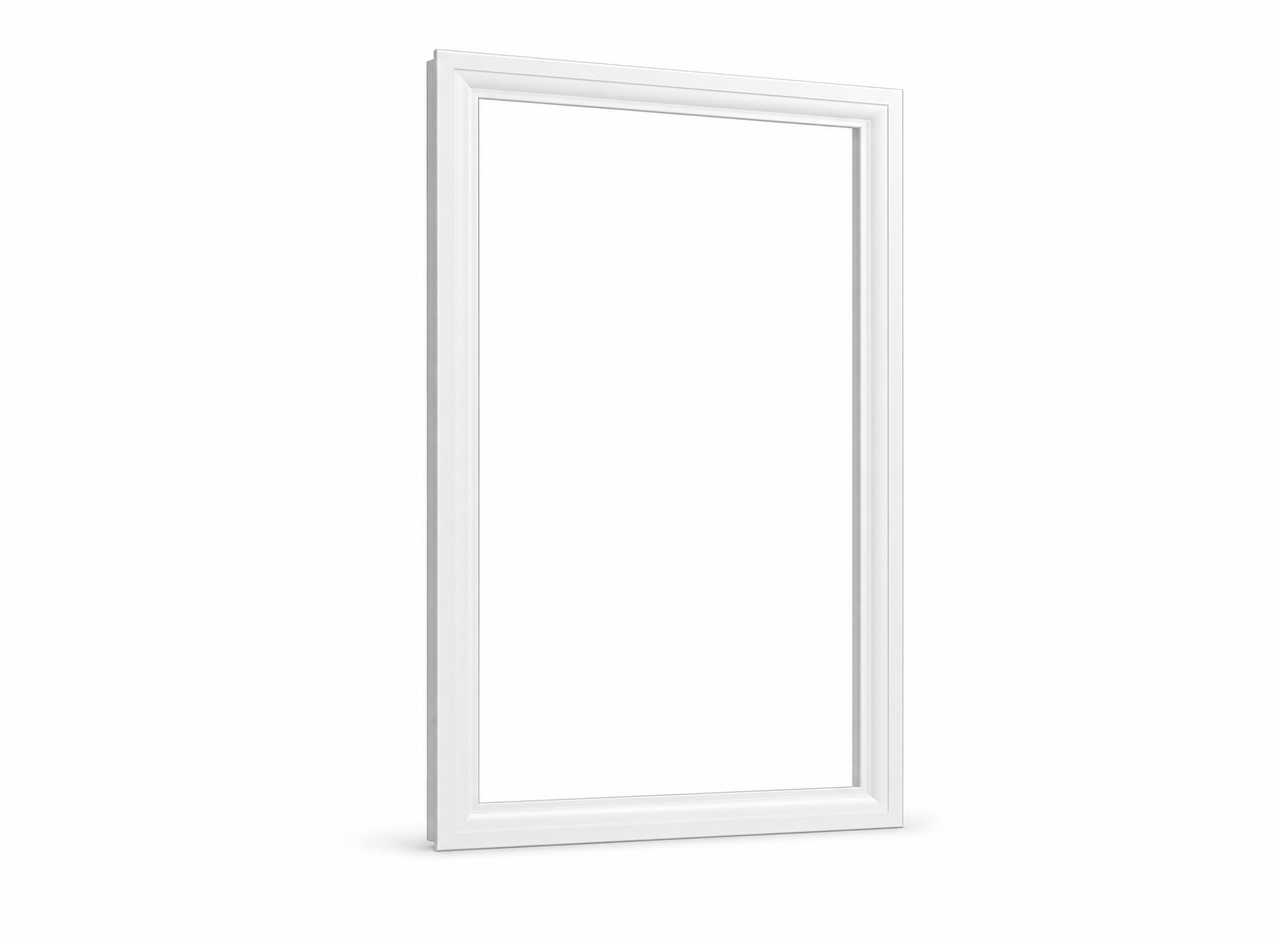
 PGT
WinGuard Aluminum Series
PGT's flagship aluminum impact platform since 1998, with one of the deepest Miami-Dade NOA libraries in the industry. Single hung through sliding doors on one HVHZ-certified frame system.
HVHZ-approved across the series 11 models in the series
Explore the WinGuard Aluminum Series
, ES Windows
PGT
WinGuard Aluminum Series
PGT's flagship aluminum impact platform since 1998, with one of the deepest Miami-Dade NOA libraries in the industry. Single hung through sliding doors on one HVHZ-certified frame system.
HVHZ-approved across the series 11 models in the series
Explore the WinGuard Aluminum Series
, ES Windows
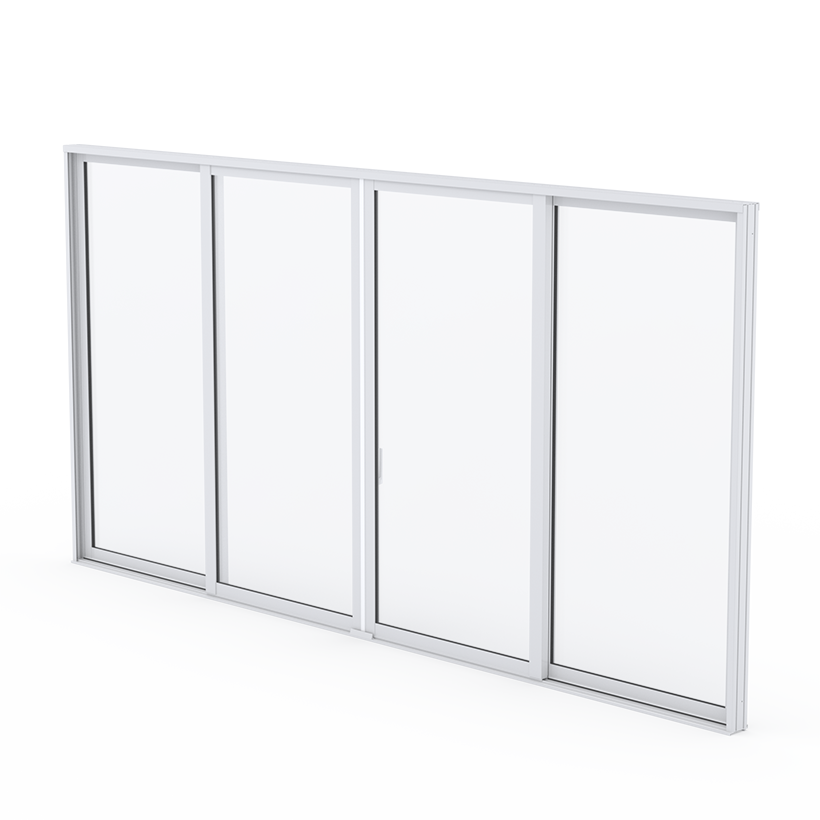
 ES Windows
Tecnoglass-owned, vertically integrated impact windows and doors with in-house glass and aluminum.
Miami-Dade NOA / HVHZ approved 145 models across 9 product lines
Explore ES Windows
, ECO
ES Windows
ES Windows
Tecnoglass-owned, vertically integrated impact windows and doors with in-house glass and aluminum.
Miami-Dade NOA / HVHZ approved 145 models across 9 product lines
Explore ES Windows
, ECO
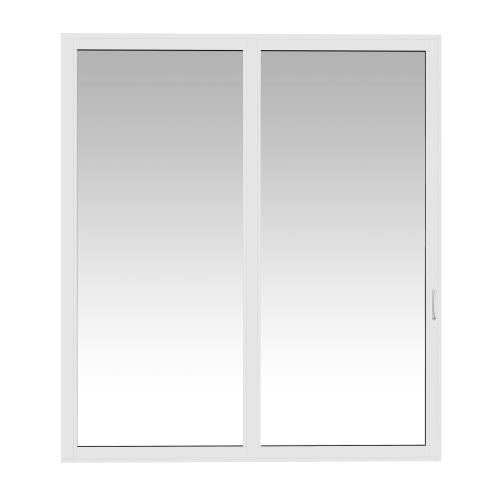
 ECO
ECO Window Systems
Miami-made impact windows and doors with vertical glass integration and Miami-Dade NOA coverage.
Miami-Dade NOA / HVHZ approved 41 models across 10 product lines
Explore ECO
, WinDoor
ECO
ECO Window Systems
Miami-made impact windows and doors with vertical glass integration and Miami-Dade NOA coverage.
Miami-Dade NOA / HVHZ approved 41 models across 10 product lines
Explore ECO
, WinDoor
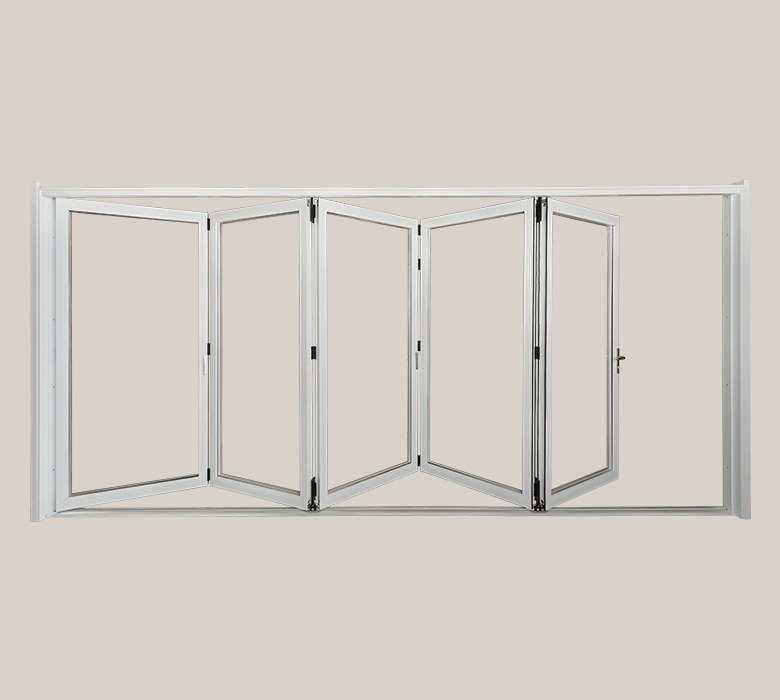
 WinDoor
Luxury aluminum impact windows and doors with industry-leading panel sizes and corner configurations.
9 impact models Manufacturing since 2001
Explore WinDoor
, CWS
WinDoor
WinDoor
Luxury aluminum impact windows and doors with industry-leading panel sizes and corner configurations.
9 impact models Manufacturing since 2001
Explore WinDoor
, CWS
 CWS
Custom Window Systems
Florida-based impact specialist within the Pella family, with 700,000 sq ft of in-state manufacturing.
Miami-Dade NOA / HVHZ approved 52 models across 6 product lines
Explore CWS
, or EAS
CWS
Custom Window Systems
Florida-based impact specialist within the Pella family, with 700,000 sq ft of in-state manufacturing.
Miami-Dade NOA / HVHZ approved 52 models across 6 product lines
Explore CWS
, or EAS
 EAS
Eastern Architectural Systems
Fort Myers manufacturer of vinyl and aluminum impact windows and doors, makers of the Bertha line.
18 models across 6 product lines
Explore EAS
land in this range depending on opening size and exposure.
EAS
Eastern Architectural Systems
Fort Myers manufacturer of vinyl and aluminum impact windows and doors, makers of the Bertha line.
18 models across 6 product lines
Explore EAS
land in this range depending on opening size and exposure.
What changes in daily life is the part homeowners remember most. The house gets quieter. Laminated glass dampens sound transmission far better than monolithic float glass; STC ratings of 30-35 are common, with acoustic interlayer variants pushing 35-40. During a Cat 3 hurricane, the inside of an impact-windowed home is quiet enough that residents routinely report sleeping through the worst hours of the storm.
UV transmission drops to under 1%. Furniture, hardwood floors, and art stop fading. Energy performance improves: an IGU configuration with laminated outboard lite, Low-E coating, argon fill, and a thermal-broken frame achieves U-factor 0.28-0.32 and SHGC 0.20-0.30. ENERGY STAR Version 7.0 thresholds are reachable, and cooling-load reductions of 20-40% are typical for older Florida homes; energy savings alone run $500-$800 per year.
Insurance savings show up automatically. The all-openings-protected requirement triggers a 22-25% reduction on the wind portion of the premium, which is 60-70% of total premium in coastal Miami-Dade and Broward. For a coastal Miami-Dade home with $8,000-$12,000 annual premium, that is $1,500-$3,500 per year. The April 2026 OIR-B1-1802 update tightened documentation but kept the credit structure intact. The deployment burden goes to zero: protection is on for every storm, including the Cat 1 nobody bothered to prep for and the storm that hits while the homeowner is on a flight. Seasonal residents stay protected whether they are in Florida or not.
Cost ranges are real, and we list them honestly. A small home with 8-10 openings runs $10,000-$15,000 budget tier and $22,000-$35,000 premium tier. An average 12-15 opening home runs $15,000-$25,000 budget and $40,000-$65,000 premium. Aluminum impact windows from ECO or ES Windows install for $55-$90 per square foot; mid-range PGT WinGuard or CWS runs $90-$130 per square foot; premium WinDoor lands $130-$160+ per square foot. Eight-foot sliding glass doors run $3,500-$6,000 installed each. See impact windows for current tier comparisons, and single-hung windows and sliding glass doors for common configurations.
Cost Comparison: What Each Option Actually Costs Over 10 Years
Comparing sticker prices misleads. The honest comparison adds installation, annual labor at conservative rates, the insurance line item, and the replacement cycle. We model a 14-opening single-family home in Broward or Miami-Dade over 10 years.
| Factor | Plywood | Accordion Shutters | Impact Windows |
|---|---|---|---|
| Upfront install (whole home) | $500-$1,500 | $7,500 mid-range | $32,000 mid-range |
| Annual deployment time | 6-12 hrs | 30-60 min | 0 hrs |
| Annual labor cost (at $40/hr) | $400-$800 | $40 | $0 |
| Annual insurance credit | $0 | $1,200-$2,500 | $1,200-$2,500 |
| Replacement during 10 years | Yes ($300-$800) | None | None |
| Stucco/anchor damage | Cumulative | Minimal | None |
| Daily sound reduction | None | None | STC 30-35 |
| Daily UV protection | None | None | 99% blocked |
| 10-year total cost (mid) | $5,500-$8,500 | $8,500-$11,000 | $32,000 |
| 10-year insurance offset | $0 | $12,000-$25,000 | $12,000-$25,000 |
| 10-year net cost (mid Broward) | $5,500-$8,500 | -$3,500 to -$14,000 | $7,000 to $20,000 |
Plywood looks cheap and ends up neutral or losing money over a decade once labor is counted honestly. Accordion shutters often clear themselves through insurance savings inside seven years and run net-negative after that, which is why they remain the best ROI for homeowners on a fixed budget. Impact windows cost more out of pocket and pay back over a longer horizon, but they include energy savings, UV protection, sound reduction, property value increase of 7-10%, and zero deployment hours.
Florida OIR insurance data shows the geographic spread. In Monroe County the simple insurance-and-energy payback on impact windows is 17.9 years, dropping to 10-12 years when property value and avoided hurricane deductibles are included. Palm Beach and Broward run 22-23 years simple, 13-15 years full. Inland counties (Orange, Duval) push past 50 years on the simple model and only justify impact glass when code compliance, daily comfort, or property value drive the decision.
Financing reshapes the upfront number. PACE financing tied to property tax bills, dealer-arranged HELOC, and the My Safe Florida Home program all matter. The 2026-2027 proposed MSFH appropriation of $600+ million would clear the 45,000-person backlog and put $10,000 grants into low-income homeowners' hands and a 2:1 match into moderate-income projects. See financing options for how this plays out for a real project budget.
Insurance Credits and the All-or-Nothing Rule
The most underrated fact in this comparison: shutters and impact windows earn the same wind mitigation credit. Florida's OIR-B1-1802 form does not award one method more than the other. A $7,500 accordion shutter installation pulls the same opening protection credit as a $32,000 impact window installation, provided both cover every glazed opening to code.
The all-or-nothing rule controls everything. The OIR form rates the entire home by the weakest opening. Fourteen impact windows plus one bathroom window the contractor skipped means zero credit. Fifteen impact windows plus a garage door with decorative glass inserts that lacks impact rating means zero credit. The April 2026 form update added photographic documentation requirements and applied insurance credits starting July 2026 with a 3-month implementation lag.
What qualifies for the credit:
| Method | Qualifies | Notes |
|---|---|---|
| Impact windows (laminated, NOA-rated) | Yes | Always-on; no deployment required |
| Impact doors (SGD, French, entry, garage with rated glass) | Yes | Always-on |
| Accordion, roll-down, Bahama, Colonial shutters | Yes | Deployment not required for credit |
| Aluminum storm panels (with permanent anchors) | Yes | Anchors must be installed and accessible |
| Hurricane fabric/screen (HVHZ certified) | Yes | Must be installed and storable on-site |
| Polycarbonate clear panels (HVHZ certified) | Yes | Must be installed |
| Plywood | No | Never qualifies |
Hybrid configurations qualify as long as every opening has certified protection. Impact windows on the great room and master suite with accordion shutters on guest bedrooms and the garage earn full credit if both have current Florida Product Approval or Miami-Dade NOA. This is the strategy most cost-conscious homeowners eventually land on.
Savings range matters when you decide what to invest. A coastal Miami-Dade home with $8,000-$12,000 premium saves $1,500-$3,500 per year on opening protection alone. Coastal Broward saves $1,000-$2,500. Tampa Bay area saves $700-$1,500. Inland Palm Beach and most of Central Florida save $200-$500. The further inland and the lower the wind percentage, the longer the insurance-only payback and the more the case rests on code compliance, comfort, and property value.
The other six categories on the OIR-B1-1802 (roof covering, roof deck attachment, roof-to-wall connection, roof geometry, secondary water resistance, and wind zone) compound with opening protection to drive total wind mitigation credit up to 40% of the wind portion. This is why hardening as a multi-year sequence beats one-shot upgrades. Read the five-year plan to harden a Florida home for the priority order most veterans use, and the insurance breakdown for how wind, flood, and standard homeowners coverage fit together.
When Shutters Are the Right Call
A fair version of this conversation has to acknowledge where shutters or hybrid configurations beat full impact windows. The cases are not rare.
Budget-constrained primary residences with $7,500-$15,000 available. A whole-home accordion shutter system fully covers the openings, qualifies for the same insurance credit, and leaves capital for the roof, generator, or impact doors that come next.
Vacation properties or second homes occupied less than four months a year. Motorized roll-downs with smart-home integration close the house from a phone screen and deliver impact-glass-level convenience at a fraction of the cost.
Recently replaced standard windows that still have 10-15 years of service life. Tearing out 5-year-old non-impact windows to install impact glass throws away a depreciable asset. Shutters around the existing windows capture the insurance credit while preserving value in the wall.
Homes targeting a sale within 3-5 years. Property value increase from impact windows compounds over a longer holding period; shutters return more of the spend within a short window.
Hybrid approaches earn special mention. Impact windows on the great room, kitchen, and primary bedroom where the daily-life benefits of sound reduction, UV protection, and view-without-deployment matter most. Accordion shutters on guest rooms, utility rooms, and bathrooms. An impact-rated sliding glass door on the patio because deploying shutters across an 8-foot SGD is its own annual ritual. Shutters on smaller openings where the cost-per-opening of impact glass would not pay off. This configuration runs roughly half the cost of full impact glass, captures the full insurance credit, and concentrates lifestyle improvements where they pay off.
Some homeowners choose impact glass on south-facing and west-facing openings where afternoon sun, view value, and hurricane-track exposure are highest, then cover north and east elevations with shutters. The principle of putting passive protection on highest-traffic and highest-exposure openings while accepting deployment on the rest is sound.
How South Florida Homeowners Actually Choose
We see the same conversation play out in living rooms across Coral Springs, Plantation, Pinecrest, and the Keys. It rarely goes the way the brochure assumes.
The first thing homeowners describe is what they did during the last storm. They put up plywood for Wilma in 2005, when they were 20 years younger and still had teenage kids to help. They are now in their sixties, the kids are gone, and deploying plywood across 14 openings before Milton or Helene is no longer realistic. The math that matters is not "$32,000 versus $7,500." It is "I cannot do this anymore."
The second thing is sleep. A Cat 3 hurricane sustained at 120 mph generates noise inside an unprotected home that nobody sleeps through. With plywood up the noise dampens but the house sits in total darkness for 36 to 72 hours. With shutters closed the house is dark again and the rattle of the panels becomes part of the soundscape. With impact windows the house stays at room-light during the day, the wind outside is audible but muted, and residents routinely report sleeping in shifts rather than huddling awake all night. Homeowners in Sarasota and Manatee counties reinforced that detail after Milton in October 2024 more than any other.
The third thing is the side of the house. A homeowner who deployed plywood through Andrew, Wilma, Charley, and Frances ends up with stucco that has been drilled, anchored, and repainted a dozen times. The damage is real and the weather barrier has been compromised more than once.
The fourth thing is insurance. Most homeowners genuinely do not know that shutters and impact windows pull the same credit. The credit is identical when both options cover all openings to current code. What differs is the long tail: energy savings, property value increase at sale, noise reduction, no deployment, and resale appeal. Coastal Florida home buyers increasingly filter for impact windows in MLS searches, and impact-equipped homes sell roughly 20% faster than comparable homes without.
The fifth thing is what their neighbor did. The version we hear most often: they used to do plywood until they updated the house, got the impact windows, and during Milton it was quiet inside, they could sleep, no screws into the side of the house, and the insurance went down. The houses on the block that look unprotected during a storm are usually the ones with impact windows. You would not know unless somebody told you.
That last detail trips up first-time buyers. Drive a South Florida neighborhood the day before a hurricane and the houses with no plywood and no shutters drawn are not the underprepared ones. They are usually the impact-windowed ones. The protection is invisible because it is the glass itself.
Next Steps
-
Get a free wind mitigation inspection. Use the My Safe Florida Home program for a no-cost OIR-B1-1802 inspection. It identifies which mitigation upgrades will earn insurance credit and may immediately enable discounts for existing features.
-
Ask for a multi-option quote. Request a quote covering full impact windows, permanent hurricane shutter alternatives, and a hybrid configuration. Compare 10-year totals including insurance, not just upfront cost. Schedule a free estimate and we will price all three.
-
Verify product approvals before signing. HVHZ installations require current Miami-Dade NOA on every product; statewide installations need active Florida Product Approval. Check NOAs at the Miami-Dade Product Control portal. FEMA's Building Science library and the Insurance Institute for Business and Home Safety document field performance for both impact glass and shutters.
-
Plan the financing. Compare PACE financing, dealer financing, HELOC, and MSFH grants for your income tier. See financing options and review Florida Building Commission research on which mitigation upgrades drive the largest insurance credits.
-
Sequence the upgrades. If the budget cannot cover impact windows this year, install code-compliant shutters now to capture the insurance credit and replace with impact glass on the next remodel cycle. Read the five-year plan to harden a Florida home for the priority order.
-
Confirm county-specific code paths. Miami-Dade and Broward fall under HVHZ rules; Miami-Dade County and Broward County requirements differ from the rest of the state's WBDR.