
What Ian Proved
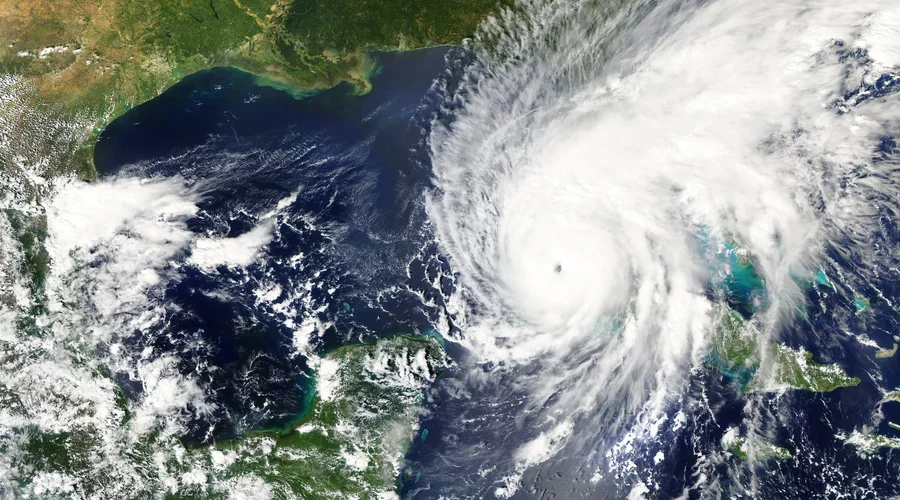
On September 28, 2022, Hurricane Ian made landfall at Cayo Costa, roughly 20 miles west of Cape Coral, as a Category 4 storm with peak gusts of 150-160 mph and catastrophic storm surge reaching 10-15 feet along the Lee County coast. Total losses: $113 billion, the costliest hurricane in Florida history and the third-costliest in U.S. history.
The destruction was concentrated in older construction. The Insurance Institute for Business & Home Safety (IBHS) conducted the most comprehensive building performance study ever undertaken after a Florida hurricane, evaluating 3,646 single-family homes, 327 light commercial buildings, and 133 multifamily structures. The findings:
- Among 455 single-family homes built to modern Florida Building Code standards: zero had structural damage from wind
- Pre-2002 homes showed structural damage rates 2x higher than modern code structures
- In areas with peak winds above 130 mph (which includes most of Cape Coral): pre-2002 homes showed 2.3x higher damage rates
- The modern FBC is estimated to have prevented $1-3 billion in structural losses in Ian alone
- Only 1 building total constructed under the modern FBC showed any visible structural damage across the entire 4,106-structure study
Ian also proved the limits of wind protection. Impact windows defend against wind and debris. They do not defend against storm surge. Waterfront structures that survived wind forces structurally still lost windows to surge forces of 10-15 feet, pressures that exceed anything in debris-impact testing protocols. Cape Coral homeowners on canals and waterfront lots need both wind hardening (impact windows) and flood awareness (elevation, flood insurance, flood vents).
The Post-Ian Landscape
Building Permits and Reconstruction
Lee County issued over 61,000 building permits from October 2022 through May 2023, an extraordinary volume reflecting the scale of damage. The total reconstruction value is estimated at $60-110 billion over five years. As of 2026, approximately 70-80% of reconstruction is expected to be complete, with demand remaining elevated for an estimated 10 years post-storm.
Insurance Market Transformation
Ian devastated the Florida insurance market. Several carriers exited the state entirely. Homeowners who retained coverage saw premiums increase 30-100% in the 12-24 months following Ian. Cape Coral was among the hardest-hit markets for rate increases.
This transformed the economics of impact windows. Before Ian, many Cape Coral homeowners viewed impact windows as optional (the city hadn't taken a direct major hit in decades). After Ian, insurance premiums are high enough that the wind mitigation discount ($700-$1,500 per year for a typical Cape Coral home) can offset a significant portion of the impact window investment. The financial case for upgrading has never been stronger.
Demand and Lead Times
Post-Ian demand for impact windows in the Lee County market followed the documented hurricane demand cycle:
- Months 0-6 (Oct 2022 - Mar 2023): Cleanup and insurance claims. Minimal window demand.
- Months 6-18 (Mar 2023 - Mar 2024): Permits pulled. Demand surged. Lead times extended to 12-16+ weeks.
- Months 18-36 (2024-2025): Sustained elevated demand from rebuilding plus "upgrade while we're at it" retrofits on undamaged homes.
- 2026 and beyond: Demand normalizing at elevated levels. Lead times returning to 6-10 weeks for most products.
If you're planning an impact window project in Cape Coral, current lead times are manageable but still longer than pre-Ian norms. Start the process 3-4 months before your target completion date.
Cape Coral Building Code Requirements
Wind Zone Classification
Cape Coral and Lee County fall in the Wind-Borne Debris Region (WBDR), not the HVHZ. Design wind speeds are 150-160 mph per the FBC 8th Edition (2023).
| Requirement | Cape Coral |
|---|---|
| Wind zone | Wind-Borne Debris Region |
| Design wind speed | 150-160 mph |
| Product approval required | Florida Product Approval (or Miami-Dade NOA) |
| Impact testing standard | ASTM E1996/E1886 |
| New construction | All openings must be impact-rated or shutter-protected |
| 25% rule | Replacing >25% of glazed area triggers mandatory impact standard |
| Permits | Required; submitted through Lee County Accela portal |
Partial Exemption
Lee County Development Code Section 6-117 provides a partial exemption: window replacement under 25% of total glazed area is exempt if combined minor repair costs do not exceed $500 in 12 months. If you're replacing just one or two windows, this exemption may apply. For anything larger, the 25% rule kicks in and impact-rated products are required.
Product Recommendations for Cape Coral
Why Cape Coral Is Different from South Florida
Cape Coral's building stock and environment create specific considerations:
CBS (concrete block) construction throughout. The vast majority of Cape Coral homes are built with concrete block (CBS) walls. This means standard window openings with consistent rough opening dimensions, making impact window installation straightforward compared to wood-frame homes where opening conditions vary. CBS also provides inherently good wall-to-foundation connection, reducing one variable in the hurricane hardening hierarchy.
Canal-front exposure. Cape Coral has over 400 miles of canals, more than any other city in the world. Homes on canals face water exposure that increases wind loads (higher exposure category) and salt air (though less severe than direct Gulf oceanfront). Canal-facing openings may require higher DP ratings than landward-facing openings on the same home.
Moderate salt air. Cape Coral sits 5-15 miles from the open Gulf (depending on neighborhood), placing most homes in the moderate salt-air zone (1-3 miles equivalent exposure due to canal systems). This is less severe than barrier island conditions but more aggressive than fully inland locations.
Frame Material: Vinyl Works Well Here
Unlike the HVHZ where aluminum dominates due to broader NOA selection and higher DP requirements, Cape Coral's WBDR classification and moderate wind speeds make vinyl impact windows an excellent choice for most applications.
| Factor | Vinyl | Aluminum |
|---|---|---|
| Cost | 15-30% less | Baseline |
| Energy efficiency | U-factor 0.28-0.32 (superior) | U-factor 0.80-1.07 (without thermal break) |
| Salt resistance | Excellent (no corrosion) | Good with proper coating |
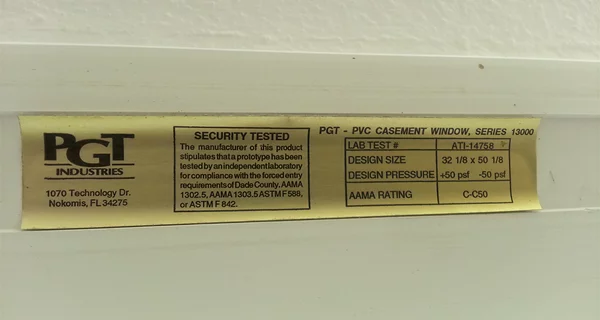
| Max DP | +65/-70 PSF (PGT WinGuard Vinyl) | +90/-130 PSF |
| Code-compliant in Cape Coral | Yes | Yes |
| HVHZ-approved | Some products | Broadest selection |
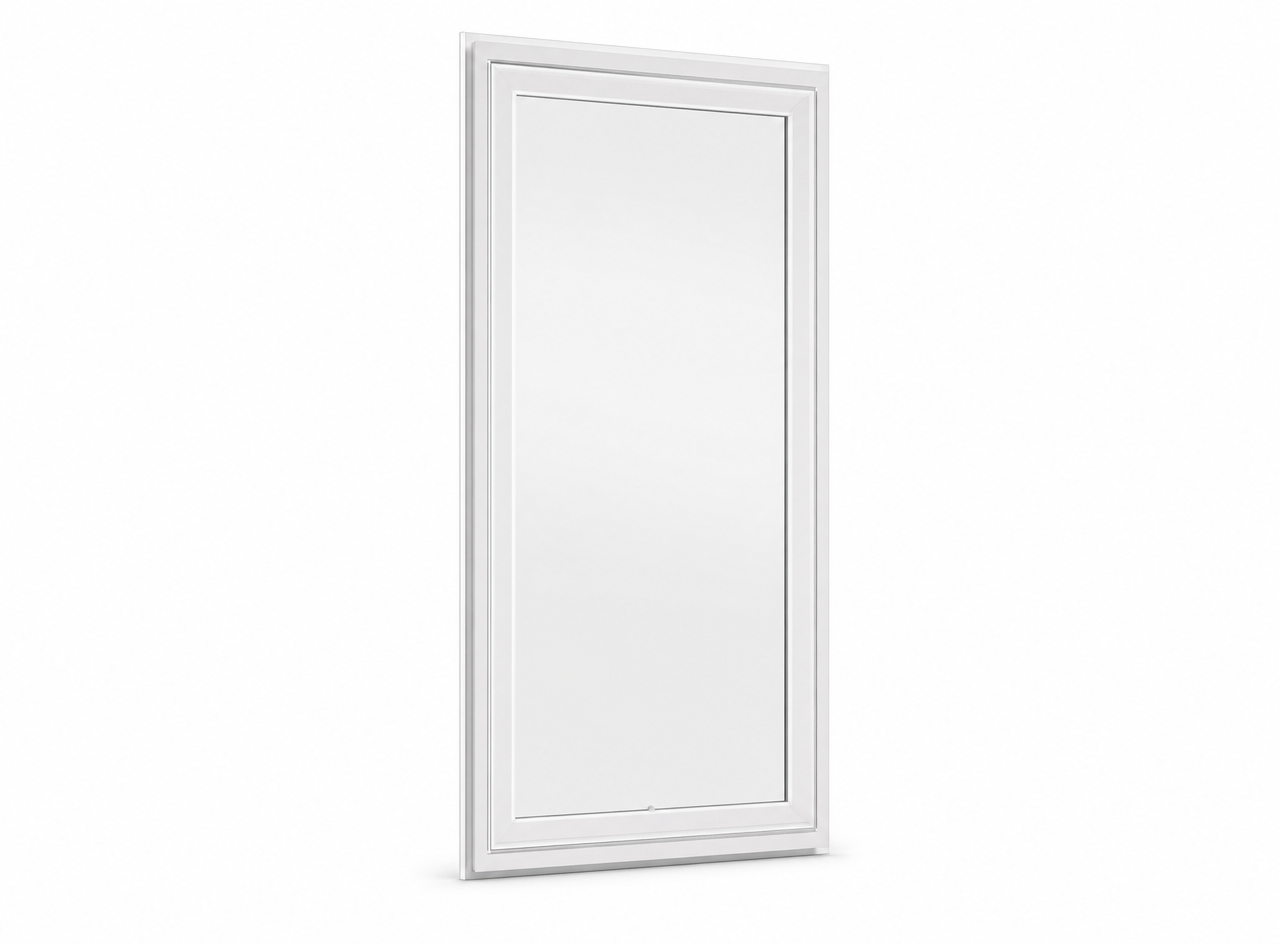
For most Cape Coral homes (single-story, standard openings, canal-front but not direct Gulf-front), **PGT WinGuard Vinyl**
 PGT
WinGuard Vinyl Series
The best-selling impact vinyl line in the U.S., built on a 3-1/2 inch welded vinyl frame with Diamond Glass laminated glazing. Nine operation styles mull cleanly into all-vinyl elevations.
HVHZ-approved across the series 12 models in the series
Explore the WinGuard Vinyl Series
at DP +65/-70 or **EAS Bertha**
PGT
WinGuard Vinyl Series
The best-selling impact vinyl line in the U.S., built on a 3-1/2 inch welded vinyl frame with Diamond Glass laminated glazing. Nine operation styles mull cleanly into all-vinyl elevations.
HVHZ-approved across the series 12 models in the series
Explore the WinGuard Vinyl Series
at DP +65/-70 or **EAS Bertha**
 EAS
176 Series Bertha
Flagship HVHZ-rated vinyl impact line with lifetime warranty on both frame and insulated glass. Single hung up to 120 psf, with SentryGlas Plus upgrades available on HR and Picture.
3 models in the series Covers Fixed Window, Horizontal Roller Window, Single-Hung Window
Explore the 176 Series Bertha
provides adequate design pressure at a significant cost savings. Reserve aluminum for:
EAS
176 Series Bertha
Flagship HVHZ-rated vinyl impact line with lifetime warranty on both frame and insulated glass. Single hung up to 120 psf, with SentryGlas Plus upgrades available on HR and Picture.
3 models in the series Covers Fixed Window, Horizontal Roller Window, Single-Hung Window
Explore the 176 Series Bertha
provides adequate design pressure at a significant cost savings. Reserve aluminum for:
- Large sliding glass doors where higher DP is needed
- Upper-floor corner windows (Zone 5) on two-story homes
- Direct waterfront lots on the Caloosahatchee River or near the Gulf
Recommended Manufacturers for Cape Coral
| Manufacturer | Why It Fits Cape Coral | Price Tier |
|---|---|---|
| ES Windows Elite | ~20% below PGT, Low-E and Kynar standard, 5-6 week delivery | Budget-value |
| PGT WinGuard Vinyl | Best vinyl DP (+65/-70), broadest selection | Mid-range |
| ECO Window Systems | Most affordable, full Florida Product Approval | Budget |
| EAS Bertha | HVHZ-approved vinyl, Good Housekeeping Seal, manufactured in Fort Myers | Budget-value |
EAS is headquartered in Fort Myers (part of Eastern Metal Supply), making them the only major impact window manufacturer with local manufacturing in the Lee County market. This can mean faster delivery and responsive service for Cape Coral projects.
 PGT · WinGuard Aluminum Series
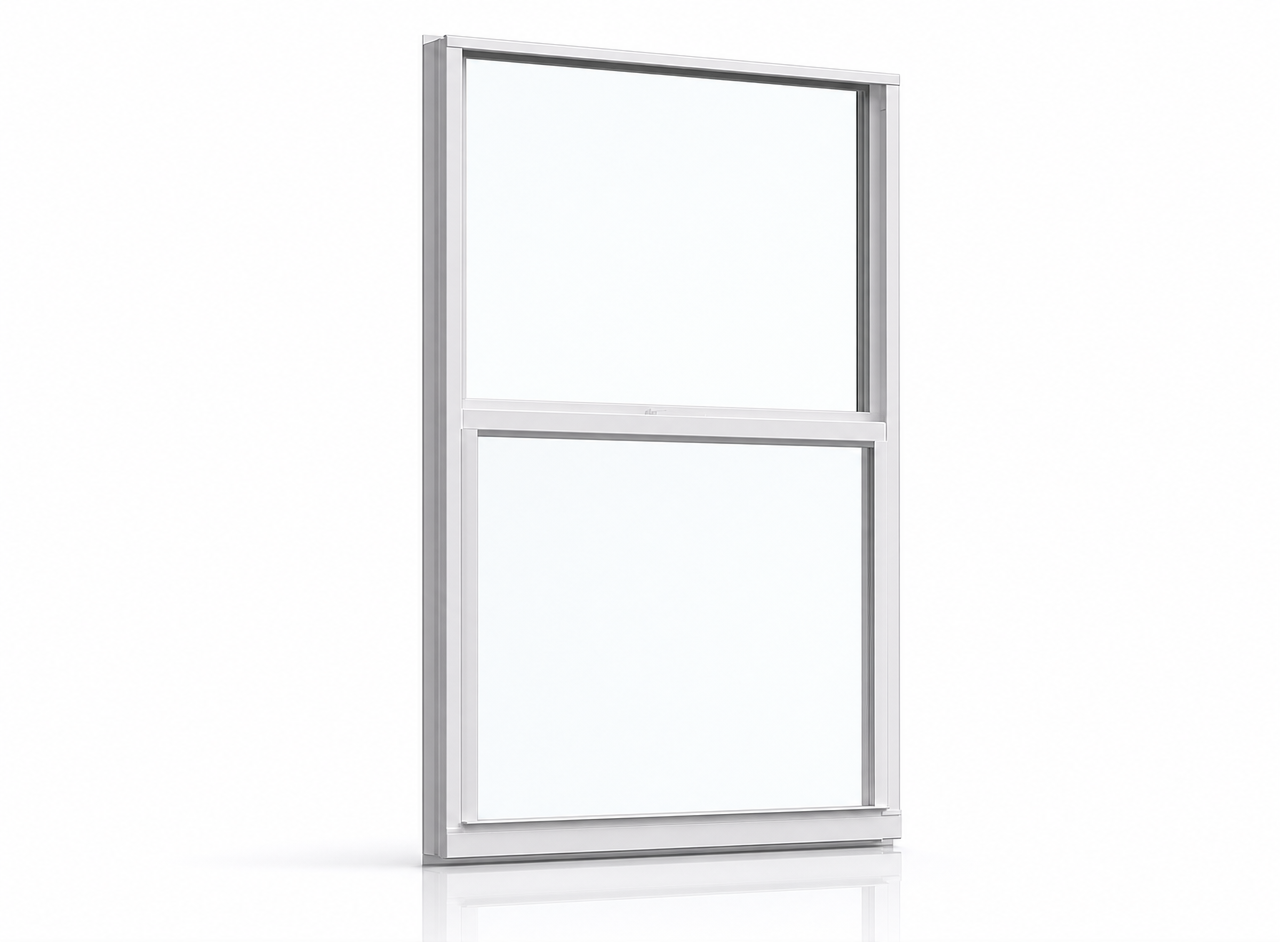
PGT WinGuard Aluminum Single Hung SH7700A
Aluminum impact single-hung on the WinGuard 7700-series frame with Diamond Glass laminated glazing. LMI impact-rated for Miami-Dade and Broward HVHZ installations.
 ECO · Eco-Guard Single Hung Series
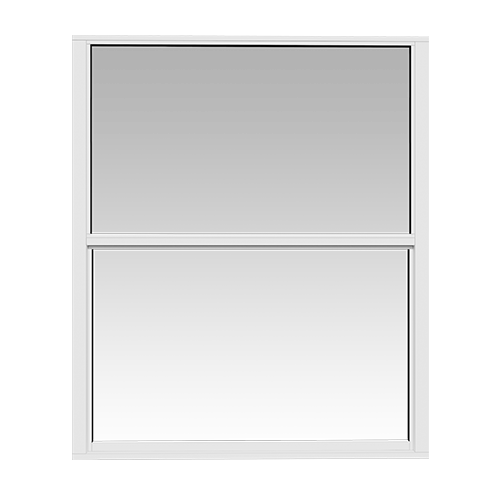
Eco-Guard Single Hung Series 50
Entry aluminum impact single hung on a 2-1/8 in. frame, +55/-60 psf, LMI for HVHZ, with block-and-tackle balances.
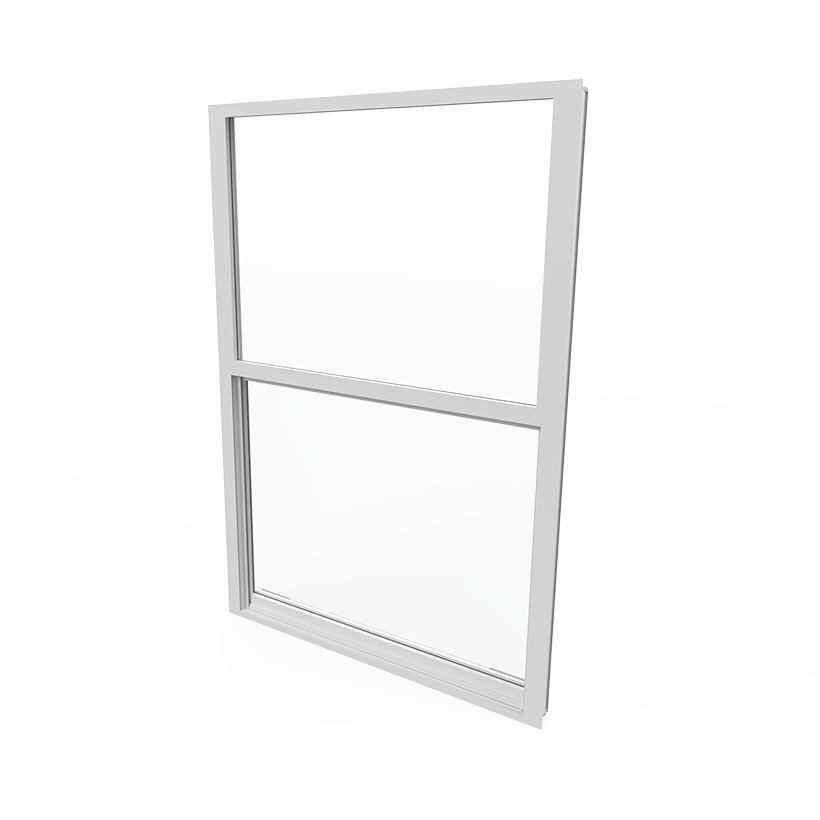
 ES Windows · Elite Series
ES Windows Elite ES-EL100 Single Hung
Aluminum impact single-hung on a 2-15/16 inch frame with block-and-tackle or ultra-lift balances. Saflex/Kuraray PVB, Vanceva Storm, and SentryGlas Plus interlayers available.
Cost Expectations
Current Pricing (2026)
Post-Ian demand has moderated but pricing remains elevated compared to pre-storm levels:
| Home Size | Budget Tier | Mid-Range | Premium |
|---|---|---|---|
| Small (8-10 openings) | $10,000-$14,000 | $14,000-$20,000 | $20,000-$30,000 |
| Average (12-15 openings) | $15,000-$22,000 | $22,000-$35,000 | $35,000-$50,000 |
| Large (18-25 openings) | $22,000-$35,000 | $35,000-$50,000 | $50,000-$75,000+ |
Cape Coral pricing is generally 5-10% below Miami-Dade/Broward (no HVHZ NOA premium) but 5-10% above pre-Ian levels due to sustained reconstruction demand and tariff-driven material cost increases.
For detailed pricing by window type and frame material, see our impact windows cost guide and impact doors cost guide.
Insurance Savings
| Home Value | Annual Premium (Post-Ian) | Savings with Full Opening Protection |
|---|---|---|
| $300,000 | $3,500-$6,000 | $700-$1,200/year |
| $400,000 | $4,500-$8,000 | $900-$1,500/year |
| $600,000 (waterfront) | $7,000-$12,000 | $1,200-$2,500/year |
Post-Ian premiums are high enough that the insurance ROI on impact windows is among the strongest in the state. A $22,000 mid-range project for an average Cape Coral home, offset by $10,000 in MSFH grants, has a net cost of $12,000 and generates $900-$1,500/year in insurance savings. That's an 8-13 year payback on insurance alone, before energy savings ($500-$800/year) and property value increase (7-10%) are factored in.
Cape Coral Neighborhoods
| Neighborhood | Characteristics | Product Notes |
|---|---|---|
| Cape Coral Parkway / Downtown | Mixed commercial and residential; some newer construction | Standard WBDR products; both vinyl and aluminum |
| SW Cape Coral (canal-front) | Largest residential area; extensive canal network | Vinyl is optimal for standard homes; aluminum for waterfront-facing SGDs |
| Pelican / Tarpon Point | Upscale waterfront; newer construction | Higher DP products; premium finishes; some homes post-FBC already |
| Pine Island Road corridor | Established neighborhoods; many pre-2002 homes | Prime retrofit market; 25% rule applies for replacements |
| NW Cape Coral | Mix of established and new development; canal access | Standard WBDR products; cost-effective vinyl |
| Burnt Store area | Newer development near Charlotte County line | Many homes already FBC-compliant; check for first-gen replacements |
Hurricane Shutters in Cape Coral
Hurricane shutters are a legitimate alternative for Cape Coral homeowners, particularly for:
- Large sliding glass doors opening to lanais and pools (common in Cape Coral homes)
- Budget-constrained projects where full impact window replacement exceeds current affordability
- Second homes where the hybrid approach (impact windows on primary openings, accordion shutters on secondary) makes financial sense
For shutter pricing, see our hurricane shutters cost guide.
Flood Protection: The Other Half of the Equation
Ian's surge damage in Lee County proved that impact windows protect against wind, not water. Cape Coral's canal system means many homes are in or near flood zones.
- Check your flood zone at FEMA's Flood Map Service Center
- Flood insurance is separate from homeowners insurance and is required in high-risk zones
- Impact windows do not reduce flood insurance premiums
- Elevated electrical systems, flood vents, and proper drainage complement impact windows; they don't replace them
Next Steps
- Get a free estimate with product recommendations matched to your Cape Coral neighborhood, canal exposure, and design pressure requirements.
- Check your MSFH eligibility for grants up to $10,000. Cape Coral homes built before 2008 are eligible.
- Get a wind mitigation inspection to document your current features and claim insurance discounts. The free MSFH inspection is available to all Florida homeowners.
- Check your flood zone and ensure you have adequate flood insurance separate from your homeowners policy.
- Plan ahead for hurricane season. Impact window lead times of 6-10 weeks mean projects started in April finish before peak season.