
Florida's building code is a document written in storm damage. Every chapter traces back to a specific hurricane that revealed a specific weakness in how Florida homes were built. The code exists because storms kept exposing gaps, and people kept dying in homes that should have protected them.
This is the story of how it happened, starting before any of it existed.
Before Andrew: 400 Codes, Zero Standards
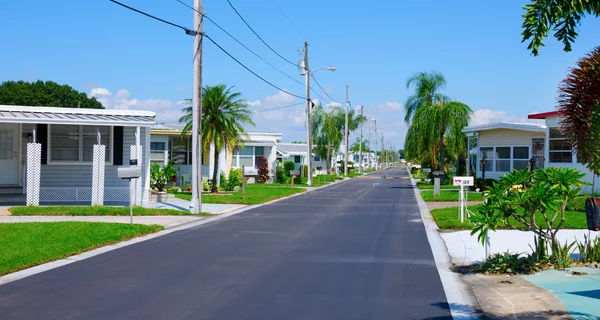
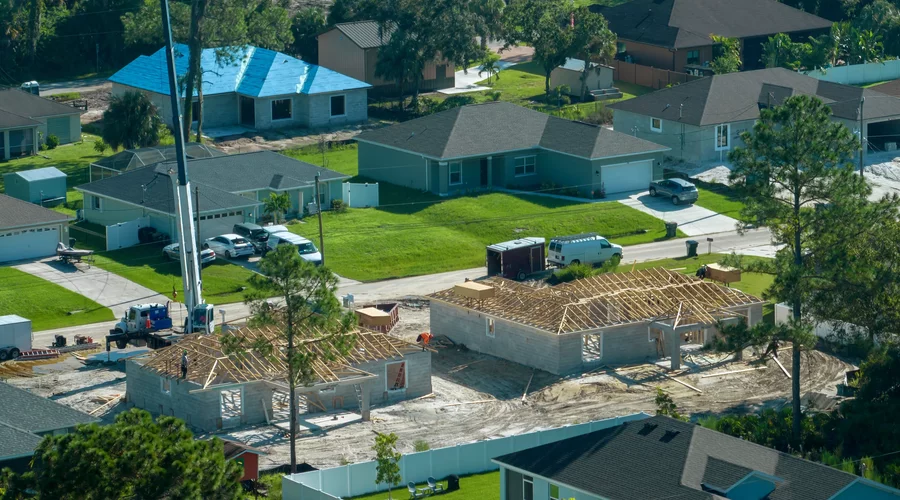
In the late 1980s, Florida was one of the fastest-growing states in the country. The population had exploded through the 1970s and 1980s, fueling a construction boom across South Florida, the Gulf Coast, and Central Florida. Hundreds of thousands of homes were built during this period.
Those homes were built under a patchwork of over 400 separate building codes spread across Florida's 67 counties and hundreds of municipalities. There was no statewide standard. No unified wind resistance requirement. No product certification for hurricane protection. A home in Miami-Dade might be built to a different standard than a home in Fort Lauderdale 30 miles north, which was built to a different standard than a home in West Palm Beach 40 miles further.
Hurricane protection was entirely DIY. If a storm was coming, you went to Home Depot, bought plywood, and nailed it over your windows. The other options were corrugated metal storm panels stored in your garage between seasons, or permanently mounted accordion shutters on either side of the window. None of these protected the glass itself. They merely covered the opening when you had time, strength, and the presence of mind to deploy them.
The concept of an impact-resistant residential window did not exist as a product category. Laminated glass had been used in automotive windshields since the 1930s (French chemist Edouard Benedictus accidentally discovered the principle in 1903 when he dropped a glass flask coated with cellulose nitrate and noticed it cracked without shattering). But nobody had applied the technology to residential hurricane protection.
That was about to change in a single night.
Hurricane Andrew: The Day Everything Changed
On August 24, 1992, Hurricane Andrew made landfall in southern Miami-Dade County as a Category 5 storm with 165 mph sustained winds. It crossed the state in roughly four hours. Andrew was not an outlier for the place it hit: Homestead and Florida City sit within 50 nautical miles of 23 hurricane-strength landfalls since 1900, roughly one every five and a half years, more than any other community on the U.S. coast (where hurricanes hit most, on the full NOAA record). In its wake, southern Dade County looked like a war zone.
The numbers:
- 63,500 homes destroyed, 100,000+ damaged
- 250,000 people left homeless
- $27.3 billion in insured losses (2017 dollars)
- 16 insurance companies failed in the aftermath
- The insurance industry had predicted $4-5 billion in losses; actual losses were three times greater
But the numbers don't explain why the destruction was so complete. Post-storm analysis by FEMA, university researchers, and structural engineers revealed a specific mechanical sequence that caused the majority of catastrophic residential losses:
- Wind-borne debris (roofing tiles, tree branches, 2x4 lumber, gravel) struck standard windows at hurricane speed
- The glass shattered on impact
- Wind rushed into the home through the broken window
- Internal positive pressure of 30-60 PSF built up inside the structure
- Meanwhile, wind flowing over the roof created suction of 40-80 PSF pulling the roof upward from outside
- Combined, the internal push and external pull generated 70-140 PSF of total uplift on the roof
- Roof systems, designed to resist external loads only, couldn't handle this combined force
- Roofs lifted off. Walls lost lateral support and collapsed. Total structural failure followed.
A single broken window could destroy an entire home. This was the critical finding. The majority of homes that were totally destroyed during Andrew failed not because the walls were too weak or the roofs were too light, but because a window broke and the resulting pressure cascade tore the structure apart from the inside.
The insurance industry grasped the implication immediately: if you could keep the windows intact, you could prevent the cascade. If you could prevent the cascade, you could prevent most catastrophic losses. The question was how.
The South Florida Building Code (1994): Creating an Industry
Miami-Dade County moved first. In 1994, the county adopted the South Florida Building Code, the most significant building code reform in American hurricane history. It established three precedents:
The HVHZ concept. The code created the High Velocity Hurricane Zone, designating Miami-Dade County as a region requiring the strictest building standards in the nation. Structures had to be designed for wind speeds of 175 mph or higher.
Mandatory opening protection. For the first time, all new construction in the HVHZ was required to have impact-resistant windows and doors, or approved hurricane shutters, on every glazed opening. Not recommended. Required.
Missile impact testing. The code specified a test that simulated wind-borne debris: a 9-lb section of 2x4 lumber fired at 50 feet per second from a pneumatic cannon at the window. If the glass held (cracked but not penetrated), and then survived 9,000 cycles of alternating pressure simulating sustained hurricane winds, the product passed.
This test created an entirely new product category overnight. Manufacturers who had been making standard windows and porch enclosures suddenly had to develop products that could withstand a test nobody had imagined five years earlier.
PGT
 PGT
PGT Custom Windows & Doors
America's largest impact window and door manufacturer, with 45 years of Florida-specific engineering.
Miami-Dade NOA / HVHZ approved 57 models across 7 product lines
Explore PGT
, founded in 1980 in Venice, Florida, had been making vinyl porch enclosures and standard windows with three employees. After Andrew, the company pivoted to become the first manufacturer offering a full suite of residential impact windows and doors. CGI Windows, founded in 1992 (the year of Andrew itself), was born specifically to serve this new market. These two companies, along with others that followed, built a product category from nothing into what is now a multi-billion-dollar industry.
PGT
PGT Custom Windows & Doors
America's largest impact window and door manufacturer, with 45 years of Florida-specific engineering.
Miami-Dade NOA / HVHZ approved 57 models across 7 product lines
Explore PGT
, founded in 1980 in Venice, Florida, had been making vinyl porch enclosures and standard windows with three employees. After Andrew, the company pivoted to become the first manufacturer offering a full suite of residential impact windows and doors. CGI Windows, founded in 1992 (the year of Andrew itself), was born specifically to serve this new market. These two companies, along with others that followed, built a product category from nothing into what is now a multi-billion-dollar industry.
The Statewide Florida Building Code (2002): One State, One Standard
The 1994 South Florida Building Code applied only to Miami-Dade County. Broward County adopted similar provisions, but the rest of the state continued under its patchwork of 400+ local codes with no hurricane protection mandates.
On March 1, 2002, the statewide Florida Building Code (FBC) took effect, superseding every local code across the state. This was a landmark moment. Florida went from hundreds of inconsistent standards to a single unified code.
The 2002 FBC accomplished three critical things:
It absorbed the South Florida Building Code. The HVHZ provisions developed after Andrew became the top tier of a statewide system. Miami-Dade and Broward Counties retained their HVHZ status with the strictest requirements in the nation.
It established the Wind-Borne Debris Region. Outside the HVHZ, the code created a second tier of protection requirements for areas at elevated hurricane risk: within 1 mile of the coastal mean high-water line where design wind speed is 130 mph or greater, or anywhere design wind speed is 140 mph or greater. In these Wind-Borne Debris Regions, all new construction required impact-rated glazing or approved coverings on every opening.
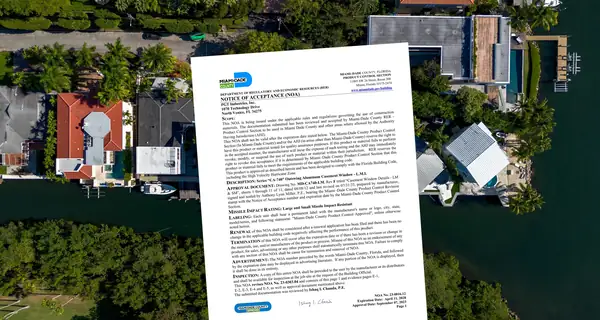
It created a single product approval system. Manufacturers could now get products tested and approved through one system (the Florida Product Approval) accepted across the state outside the HVHZ, or through the Miami-Dade NOA (accepted everywhere, including the HVHZ).
For the first time, a home buyer anywhere in coastal Florida could be confident that their new home met a meaningful hurricane protection standard. But the code hadn't yet been tested by a real storm.
2004: Four Hurricanes in Six Weeks
The 2004 hurricane season was the first large-scale test of the new statewide code. And it was brutal.
Hurricane Charley (August 13): Category 4, 150 mph winds, struck Southwest Florida. The strongest hurricane to hit the U.S. since Andrew.
Hurricane Frances (September 5): Category 2, damaged 73,000+ homes statewide.
Hurricane Ivan (September 16): $26.1 billion in total damage across the Panhandle and Southeast.
Hurricane Jeanne (September 26): Category 3, devastating flooding.
Four hurricanes producing hurricane-force winds in one state in a single season, the first time since 1886. Combined losses exceeded $60 billion. Approximately 20% of Florida homes sustained damage.
But within the destruction, a pattern emerged that validated the code. FEMA's Mitigation Assessment Team produced detailed reports (FEMA 488 and FEMA 490) documenting building performance across the state. The finding was stark: homes built after the 2002 FBC took effect fared dramatically better than older construction. Post-code homes showed less roof damage, fewer envelope breaches, and significantly lower total loss rates.
The insurance industry noticed. The impact window industry responded. PGT's revenue jumped from $250 million in 2004 to $330 million in 2005 to $370 million in 2006, representing 48% growth over two years. The code had been validated, and demand for impact products surged.
Hurricane Wilma (2005): The High-Rise Blind Spot
Hurricane Wilma crossed South Florida on October 24, 2005, as a Category 2 storm with downtown Fort Lauderdale gusts barely exceeding 100 mph. By hurricane standards, it should have been manageable.
Instead, it produced some of the most dramatic building damage imagery of the decade. Hundreds of windows blew out in dozens of high-rise buildings across Fort Lauderdale, Miami, and Miami Beach. The Broward County Courthouse. The Espirito Santo Plaza. Dozens of Brickell Avenue office towers. Police closed five blocks of Brickell. The police chief described the aftermath as looking "like Berlin after the war."
Herb Saffir, co-developer of the Saffir-Simpson Hurricane Wind Scale and a resident of the area, was "dumbfounded" by the widespread glass failures in buildings constructed after the post-Andrew code reforms.
The root cause: The building code at the time only required impact-resistant or laminated glass on the first 30 feet of a building. Above that height, less protective glass was permitted under the assumption that large missile debris (the 2x4 projectiles that impact windows are tested against) wouldn't reach upper floors. The assumption was wrong. And worse, when upper-floor glass shattered, the falling shards became missiles themselves, cascading damage to adjacent buildings at ground level.
The code response (2007, 3rd Edition): Miami-Dade revised the code to require laminated or tempered glass for insulated windows above 30 feet. Wilma had revealed a blind spot, and the code closed it. The 3rd Edition FBC incorporated these changes statewide.
The Quiet Years and the Recession (2006-2016)
The decade after Wilma was relatively quiet for major Florida hurricanes. No Category 3 or higher storm struck the state between Wilma (2005) and Irma (2017). This lull had two effects.
On the code: The FBC continued its triennial update cycle. The 4th Edition (2010) enhanced testing protocols. The 5th Edition (2014) updated fenestration standards. The 6th Edition (2017) further tightened requirements. Each edition incorporated advances in engineering knowledge and product testing, even without a major storm to drive changes.
On the market: The 2007-2008 housing crisis and Great Recession devastated the impact window industry alongside the broader construction market. PGT's revenue fell from $370 million in 2006 to $160 million in 2009, a 57% collapse. Recovery was slow. It took until 2015 for PGT to surpass $380 million and return to pre-recession levels.
On homeowner behavior: The absence of major storms bred complacency. Researchers call it "hurricane amnesia": the well-documented phenomenon where homeowner urgency for hurricane protection fades 2-3 years after the last major storm in their area. By 2015, many Florida homeowners who had lived through the 2004-2005 seasons had shifted their priorities to other home improvements. The urgency returned in September 2017.
Hurricane Irma (2017): The Statewide Stress Test
Hurricane Irma was the first major hurricane to test impact windows installed under the modern FBC at scale across the entire state. The Category 4 storm tracked through all of Florida, affecting both coasts, with sustained hurricane-force winds lasting approximately 16 hours over the peninsula.
What the code got right: HVHZ-compliant homes in Sunny Isles Beach and Fort Lauderdale sustained minimal damage. Impact windows held. Doors held. Building envelopes stayed intact. Insurance payouts averaged 30% higher for non-compliant homes. The structural protection that the code was designed to provide worked exactly as intended.
What the code didn't anticipate: Irma's 16-hour wind duration far exceeded the 15-minute TAS 203 test cycle. Impact windows survived structurally but leaked water through stressed gaskets and weatherstripping. This wasn't a structural failure (the envelope breach cascade didn't happen), but it was a surprise to thousands of homeowners who expected their impact windows to be watertight. The observation prompted the FBC to fund research into wind-driven rain and water intrusion testing that continues through 2025.
The market response: Irma ended a 12-year hurricane drought. The "amnesia" broke. PGT's revenue surged from $510 million in 2017 to $690 million in 2018, a 35% increase in one year. Across the state, the Irma recovery generated an estimated $36+ billion in residential repairs. More importantly, homeowners who had deferred upgrades during the quiet years were now motivated to act.
Hurricane Michael (2018): The Panhandle Gap
One year after Irma, Hurricane Michael made landfall near Mexico Beach in the Florida Panhandle with 160 mph sustained winds, the first Category 5 to hit the Panhandle in recorded history.
The destruction was catastrophic. In Bay County, 45,000 structures were damaged and 1,500 were completely destroyed. Mexico Beach was effectively erased. The damage patterns looked like pre-1994 Miami-Dade: homes failing from envelope breach, roofs departing walls, structures reduced to slabs.
The code gap: The Panhandle had historically weaker building code enforcement than South Florida. Some communities only required buildings to withstand 130 mph winds, far below Michael's 155+ mph sustained speeds. The vast majority of destroyed structures were built before the 2002 statewide FBC.
The code-compliant survivors: Amid total devastation, a handful of homes built to modern standards survived largely intact. The most famous was a home built by Sand Palace Development in Mexico Beach on reinforced pilings with impact-rated windows. It became a nationally covered case study in the value of modern building codes. The impact windows, rated for lower wind speeds than Michael actually delivered, held. The laminated glass cracked but stayed in the frame. The envelope was never breached.
Michael prompted widespread calls for tougher codes throughout northern Florida. The governor and FEMA's chief both publicly stated that Panhandle building codes needed to be stronger. The 7th and 8th Edition FBC incorporated lessons from Michael, including updated wind speed maps and stricter provisions for the northern part of the state.
Hurricane Ian (2022): The Costliest Storm
Hurricane Ian made landfall near Fort Myers on September 28, 2022, with peak gusts of 150-160 mph and catastrophic storm surge reaching 10-15 feet along the Lee County coast. Total losses: $112 billion, the costliest hurricane in Florida history.
What Ian confirmed: The Insurance Institute for Business & Home Safety studied 3,646 single-family homes and found the same pattern documented after every previous storm: newer construction built to modern FBC standards concentrated in the lowest damage categories, while nearly one-third of pre-code construction reached complete destruction. The code worked. Again.
What Ian added: A critical lesson about the limits of wind protection. Impact windows are a wind and debris defense, not a flood defense. Waterfront structures that survived wind forces structurally still lost windows to storm surge forces of 10-15 feet, pressures that exceed anything in debris-impact testing protocols. This finding reinforced the distinction between wind hardening and flood protection, and drove enhanced flood-resistant requirements in subsequent code development.
The market impact: Ian contributed to PGT's record $1.49 billion revenue year in 2022. Fort Myers and Naples experienced an initial sales freeze for months during cleanup, followed by massive rebuilding demand that extended through 2025. Lead times for some impact window products stretched to 16+ weeks.
Hurricanes Helene and Milton (2024): Zero
The Helene and Milton building performance data is the strongest validation of the Florida Building Code to date. Not because the numbers are different from previous storms (post-code homes have outperformed pre-code homes after every major hurricane), but because the sample size and methodological rigor are the most comprehensive to date, and because the result is zero.
University of Florida and Auburn University researchers assessed 358 structures across both storms. Helene (Category 4, 140 mph, Big Bend coast) and Milton (Category 3, 120 mph, 46 confirmed tornadoes). The results:
- Zero post-FBC homes were destroyed in Helene's coastal hazard zones. 46% of pre-FBC homes were.
- Zero post-FBC homes were destroyed in Milton's tornado paths. 16% of pre-FBC homes were.
- All 78 collapsed or shifted structures across both storms were pre-FBC. Every one.
Not "lower." Not "significantly reduced." Zero.
The study also revealed the building code's remaining weak point: garage doors. FBC Section 609.4 allows garage doors at only 60% of ASCE 7 wind pressures. During Milton's tornadoes, this proved insufficient. The only two post-FBC homes that suffered structural roof damage both had garage doors facing the tornado, and both failed from the same sequence (debris impact breached the door, wind entered the garage, internal pressurization lifted the roof). The 9th Edition FBC is expected to address this.
The Code Edition Timeline
| Edition | Effective Date | Wind Standard | Key Provisions |
|---|---|---|---|
| Pre-FBC | Before 2002 | 400+ local codes | No unified standard; no impact requirements |
| 1st | March 2002 | Local wind maps | Statewide code; HVHZ and WBDR established; impact glazing required in designated zones |
| 2nd | 2004 | Updated | Post-2004 season adjustments |
| 3rd | 2007 | Updated | High-rise glazing above 30 ft (post-Wilma); refined WBD requirements |
| 4th | 2010 | Updated | Enhanced testing protocols |
| 5th | 2014 | Updated | Updated fenestration standards |
| 6th | 2017 | Updated | Further tightening of requirements |
| 7th | Dec 31, 2020 | ASCE 7-16 | New wind load methodology; updated wind speed maps |
| 8th | Dec 31, 2023 | ASCE 7-22 | Updated hurricane simulation models; refined WBDR boundaries; stricter provisions |
| 9th | ~2026-2027 | TBD | Expected: inland WBDR expansion, higher SGD water testing, garage door DP increases |
Each edition generally tightened requirements. A home built to the 8th Edition (2023) meets a measurably higher standard than a home built to the 1st Edition (2002), which itself was a quantum leap from the pre-FBC patchwork.
The Industry That the Code Built
The Florida impact window industry grew from essentially zero in 1992 to a multi-billion-dollar market over three decades, with every phase of growth driven by code requirements and hurricane events.
| Period | Market Condition | Driver |
|---|---|---|
| 1992-2000 | Early development | Andrew; few manufacturers; products expensive and limited |
| 2002-2006 | First growth phase | Statewide FBC + 2004 hurricane season validation |
| 2006-2010 | Recession collapse | Housing crisis; PGT revenue fell 57% (from $370M to $160M) |
| 2010-2017 | Steady recovery | Housing market recovery; growing retrofit demand |
| 2017-2022 | Explosive growth | Irma, COVID construction boom, Ian; PGT revenue $510M to $1.49B |
| 2022-present | Normalization + consolidation | Market at elevated levels; MITER acquired PGT for $3.1B; Tecnoglass approaching $1B |
Today, the Florida impact window market represents an estimated $2.5-3.5 billion annually. Approximately 1.9 million impact window units were sold in Florida in the 2024-2025 fiscal year. The industry employs thousands across manufacturing (PGT in Venice, ECO in Medley, ES Windows/Tecnoglass in Barranquilla and Miami, WinDoor in Orlando, CWS in Ocala, EAS in Fort Myers), distribution, and installation.
Why This History Matters to You
If You Own a Pre-2002 Home
Approximately 4.7 million Florida homes predate the modern FBC. These homes were not required to have impact protection when they were built. Many still don't.
The data from every major hurricane is consistent: pre-code homes are destroyed at rates of 16-46% in major storms. Post-code homes are destroyed at 0%.
The 25% rule means that if you replace more than 25% of your glazed openings in a Wind-Borne Debris Region, the replacements must meet current impact standards. And each new FBC edition raises the bar, meaning the longer you defer, the more expensive the upgrade becomes when you eventually need to make it.
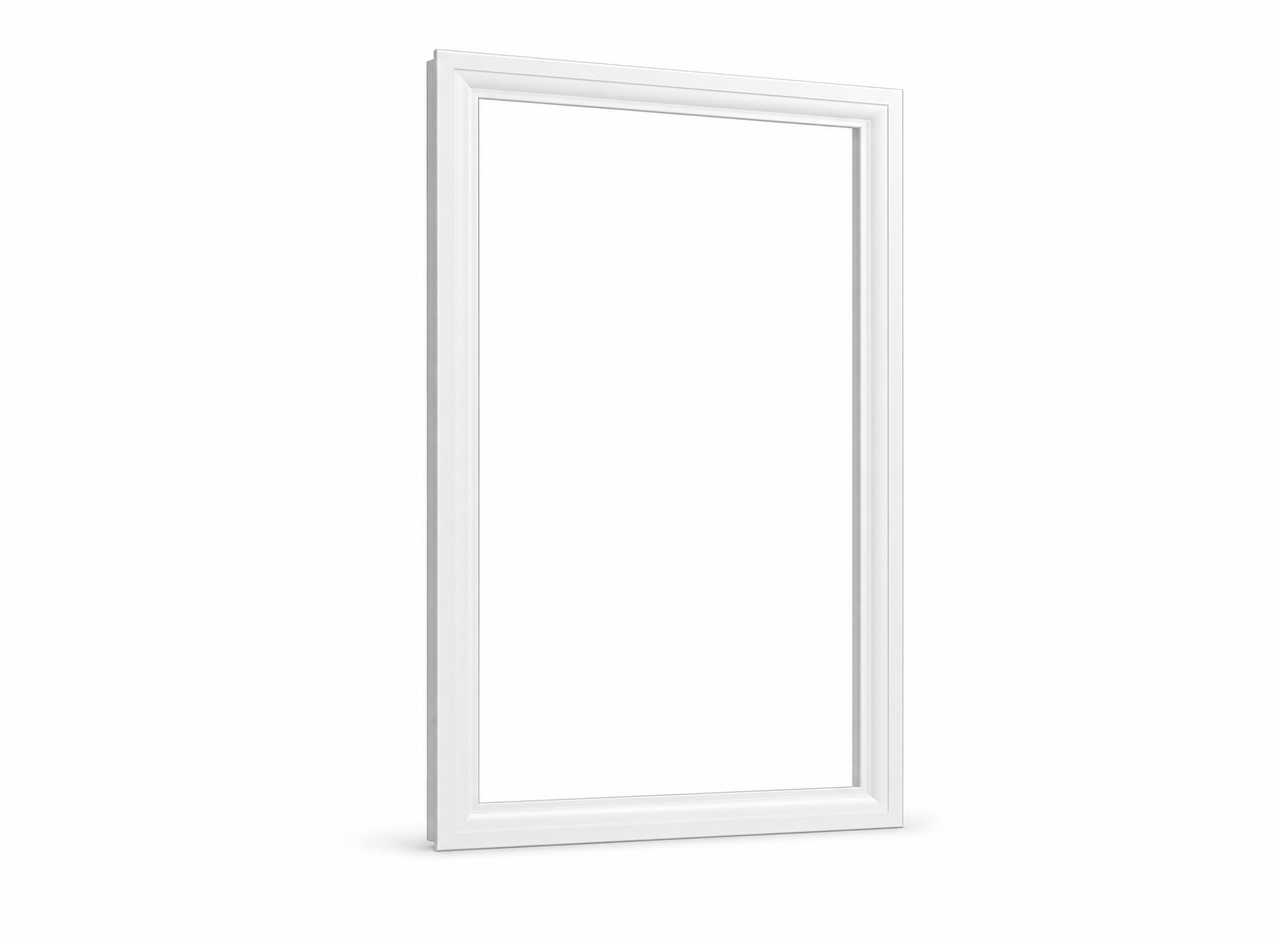 PGT · WinGuard Aluminum Series
PGT WinGuard Aluminum Casement CA740A
Aluminum impact casement on the WinGuard 740-series frame, side-hinged with a crank-out sash. Mulls cleanly with AW740A and PW740A in the 740-family.
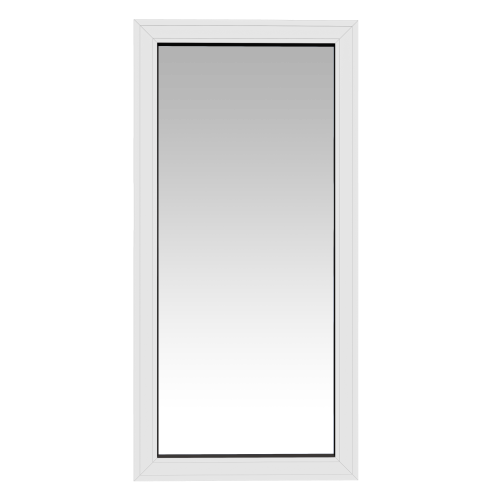
 ECO · Eco-Guard Casement & Awning Series
Eco-Guard Casement Window Series 500
Outswing aluminum impact casement, 2-3/4 in. frame, +70/-75 psf, LMI+SMI, NFRC-certified, with a stainless operator + multipoint lock.
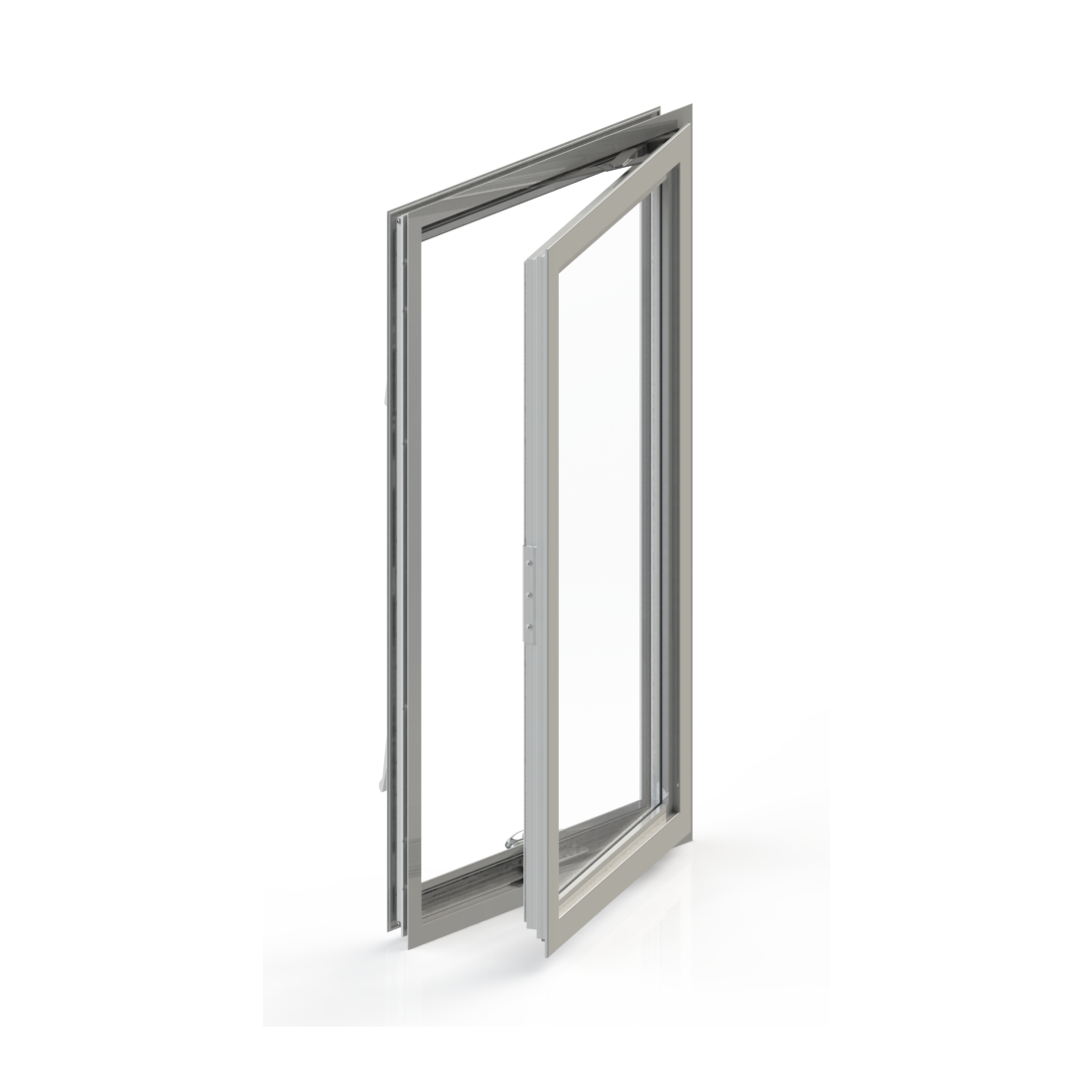
 ES Windows · Elite Series
ES Windows Elite ES-5000 Casement
Flagship aluminum impact casement in Elite, available in X and XX configurations on a 2-1/8 inch frame depth. Stainless 4-bar hinges, rated to 90 psf.
The My Safe Florida Home program offers grants up to $10,000 for qualifying improvements, and financing options like PACE provide $0 down with income-verified approval.
If You Own a Post-2002 Home
Your home was built to a code that has a documented 0% destruction rate in major hurricanes. That's not a marketing claim. It's a dataset from 358 structures across Category 4 winds and EF-3 tornadoes.
Still: check your garage door. If it's the original builder unit, it was rated to the minimum code requirement, which Helene and Milton data suggests is insufficient. A wind-rated replacement costs $800-$2,500.
And make sure your wind mitigation inspection is current (valid for 5 years). Post-FBC homes with full opening protection often qualify for premium discounts of 50% or more on the windstorm portion of their insurance.
If You're Building New
You're building at the best point in the code's 30-year history. The 8th Edition (2023) incorporates ASCE 7-22 wind loads and updated hurricane simulation models. Impact-resistant fenestration adds only 1.7-2.7% to new construction cost. That is the smallest investment you can make for the largest documented reduction in hurricane damage risk.
Specify above-code features where practical: a hip roof instead of a gable, enhanced roof deck attachment, a garage door rated above the minimum. The insurance savings alone will offset the additional cost within a few years, and the data from every major hurricane confirms that every increment of code compliance translates directly into reduced damage.
The Code Is Not Finished
The 9th Edition FBC is currently in development, expected to take effect in late 2026 or 2027. Based on technical research funded by the Florida Building Commission, it will likely include:
- Expanded Wind-Borne Debris Region boundaries to cover large inland water bodies (affecting homes near Central Florida lakes)
- Higher water penetration testing for sliding glass doors, driven by FIU Wall of Wind research and two FEMA MAT recommendations
- Strengthened garage door requirements, prompted by the Helene/Milton performance data
- Updated wind speed maps incorporating data from the 2024 hurricane season
Every major hurricane reveals something the code didn't anticipate. Every code revision closes the gap. The Florida Building Code is not a static document. It's a living record of what Florida has learned about hurricanes, written in the damage from every storm that tested it.
The homes that survive the next storm will be the ones that were built or upgraded to today's code. The data on that is no longer debatable.
Next Steps
- Find out when your home was built and which code it was built under. Pre-2002 homes are categorically more vulnerable.
- Check your opening protection. Do all your windows and doors have impact-rated products or approved shutters? One unprotected opening is one potential failure point.
- Get a free estimate for impact windows, doors, and a complete assessment of your home's hurricane readiness.
- Check eligibility for the My Safe Florida Home program (grants up to $10,000) and financing options including PACE ($0 down, income-verified approval).
- Get a wind mitigation inspection to document your home's features and claim all available insurance discounts. The free MSFH inspection is available to any Florida homeowner regardless of income.