
Why Palm Beach County Is Different
Palm Beach County is the fourth most populous county in Florida with approximately 1.54 million residents, and it faces the same hurricane threats as its southern neighbors. Design wind speeds of 160-170 mph (3-second gust, Risk Category II) are comparable to what Miami-Dade and Broward face. The county sits entirely within the Wind-Borne Debris Region (WBDR), meaning every window and door opening must have impact-rated glazing or an approved shutter system.
But Palm Beach is not in the High Velocity Hurricane Zone. The HVHZ covers only Miami-Dade and Broward counties. This single distinction changes the product requirements, the available options, and the cost profile for every impact window project in the county.
If you have been quoted for impact windows and were told you need a Miami-Dade NOA, that is incorrect for Palm Beach County. You need a Florida Product Approval (FPA) with ASTM E1886/E1996 testing. Understanding this difference can save you thousands of dollars and give you access to products that are not available to homeowners 20 minutes south in Broward.
Palm Beach County Building Code Requirements
What the Code Requires
Every window, door, skylight, and garage door in Palm Beach County must meet the requirements of the Florida Building Code for the Wind-Borne Debris Region:
| Requirement | Palm Beach County |
|---|---|
| Wind zone | Wind-Borne Debris Region (NOT HVHZ) |
| Design wind speed | 160-170 mph (3-second gust, Risk Category II) |
| Product approval | Florida Product Approval (FPA); NOA accepted but not required |
| Impact testing | ASTM E1886/E1996 |
| Tear tolerance | 5" x 3" |
| Exposure category | B (inland), C (suburban/near-coast), or D (beachfront) |
| Permits | Online portal or PZB Main Office, 2300 N Jog Road, West Palm Beach |
| Inspection deadline | At least one inspection within 180 days of permit issuance |
How This Compares to Miami-Dade and Broward
The distinction between Palm Beach County and the HVHZ counties to the south affects nearly every aspect of an impact window project:
Product approval. Miami-Dade requires a Notice of Acceptance (NOA), which is the strictest product certification in the country. Broward accepts both NOA and FPA with HVHZ compliance. Palm Beach requires only a standard Florida Product Approval. This means manufacturers who offer products with FPA certification but have not pursued the more expensive and restrictive NOA testing can sell in Palm Beach, giving homeowners more options.
Testing standard. The HVHZ uses TAS 201/202/203 (Florida-specific tests developed after Hurricane Andrew). Palm Beach uses ASTM E1886/E1996 (the national standard). Both test missile impact and cyclic pressure, but the ASTM standard has a more lenient tear tolerance: 5" x 3" compared to the HVHZ's 5" x 1/16". That 48x difference in allowable tear width is why HVHZ-rated products cost 10-20% more.
More product lines available. Some manufacturers offer product lines that carry FPA but not NOA. Others offer broader size ranges or configurations for non-HVHZ markets. If you are comparing quotes and a product is available in Palm Beach but not in Broward, this is why.
Wind speeds are still high. Do not confuse "not HVHZ" with "not dangerous." Palm Beach County's 160-170 mph design wind speeds are similar to the HVHZ's 170-175 mph. Many Palm Beach builders and informed buyers choose HVHZ-rated products anyway because they offer superior protection. If your budget allows it, this is a reasonable choice, especially for coastal properties.
The 25% Rule
If your home was built before the Florida Building Code took effect (March 1, 2002), the 25% rule applies. When you replace more than 25% of total glazed openings in a 12-month period, all openings must be brought into compliance with the current code—not just the ones you are replacing.
This matters for project planning. If you have a pre-FBC home with 20 windows and you want to replace six of them (30%), you will need to address all 20. Some homeowners phase their projects to stay under 25% in each 12-month period, though the better long-term strategy is usually to do the whole house at once and capture the full insurance discount.
For a detailed breakdown, see our guide on whether impact windows are required in Florida.
Permitting
Palm Beach County permits can be submitted through the county's online building permit portal or in person at the PZB Main Office at 2300 N Jog Road, West Palm Beach. Your installer should handle the permit application, but you should verify this upfront.
Fees vary more here than anywhere in Florida. Under the adopted schedules in our permit fee dataset, unincorporated Palm Beach County charges a flat $100 per 20 openings, while the Town of Palm Beach prices per opening ($200 per window, $300 per exterior door, per its schedule revised August 2026). That puts the same $30,000, 10-opening job at $100 in the county and $2,000 in the Town, a 20x spread inside one county. Delray Beach (about $678) and Boca Raton (about $616) land in between. Formulas for every verified jurisdiction are in our Florida window permit cost guide.
Key permitting details:
- At least one inspection must pass within 180 days of permit issuance or the permit expires
- The Florida Building Commission maintains the statewide product approval database where you can verify any product's FPA number
- Your installer must be a licensed Florida contractor (CGC or SCC license)
Luxury Market: Product Selection for the Gold Coast
Palm Beach County is one of Florida's most affluent markets. Median home prices run well above the state average, and buyers expect premium aesthetics alongside hurricane protection. Choosing impact windows here is not just about passing code; it is about matching the architectural character of the home and the expectations of the community.
Premium Product Options
ES Windows Prestige. The flagship of one of South Florida's most respected impact window manufacturers. The Prestige series offers frameless butt glass corners (where two glass panels meet at a 90-degree corner without a vertical frame member), creating unobstructed views that luxury buyers demand. Jumbo fixed windows are available up to 7 feet by 15 feet, single panels of laminated glass that turn a wall into a window. This is the product of choice for waterfront estates in Palm Beach, Jupiter Island, and Manalapan.
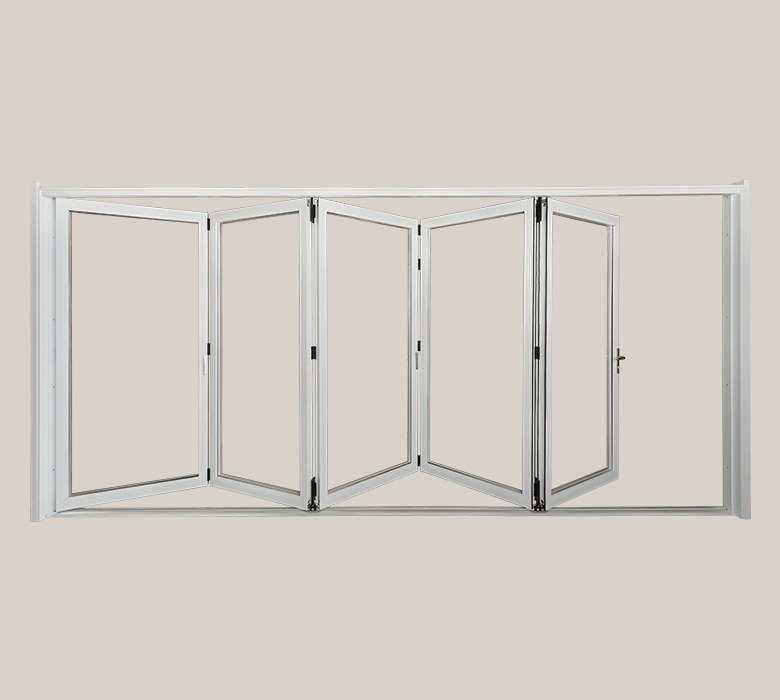
WinDoor Estate Series. Engineered for extreme performance with design pressures up to +110/-195 PSF, the Estate Series is specified for the most demanding coastal installations. Features include ogee glazing beads (a decorative molding profile that matches traditional architecture), stainless steel hardware throughout, and custom finishes. WinDoor
 WinDoor
Luxury aluminum impact windows and doors with industry-leading panel sizes and corner configurations.
9 impact models Manufacturing since 2001
Explore WinDoor
is the go-to for architects who need both aesthetic refinement and structural performance that exceeds code minimums.
WinDoor
WinDoor
Luxury aluminum impact windows and doors with industry-leading panel sizes and corner configurations.
9 impact models Manufacturing since 2001
Explore WinDoor
is the go-to for architects who need both aesthetic refinement and structural performance that exceeds code minimums.
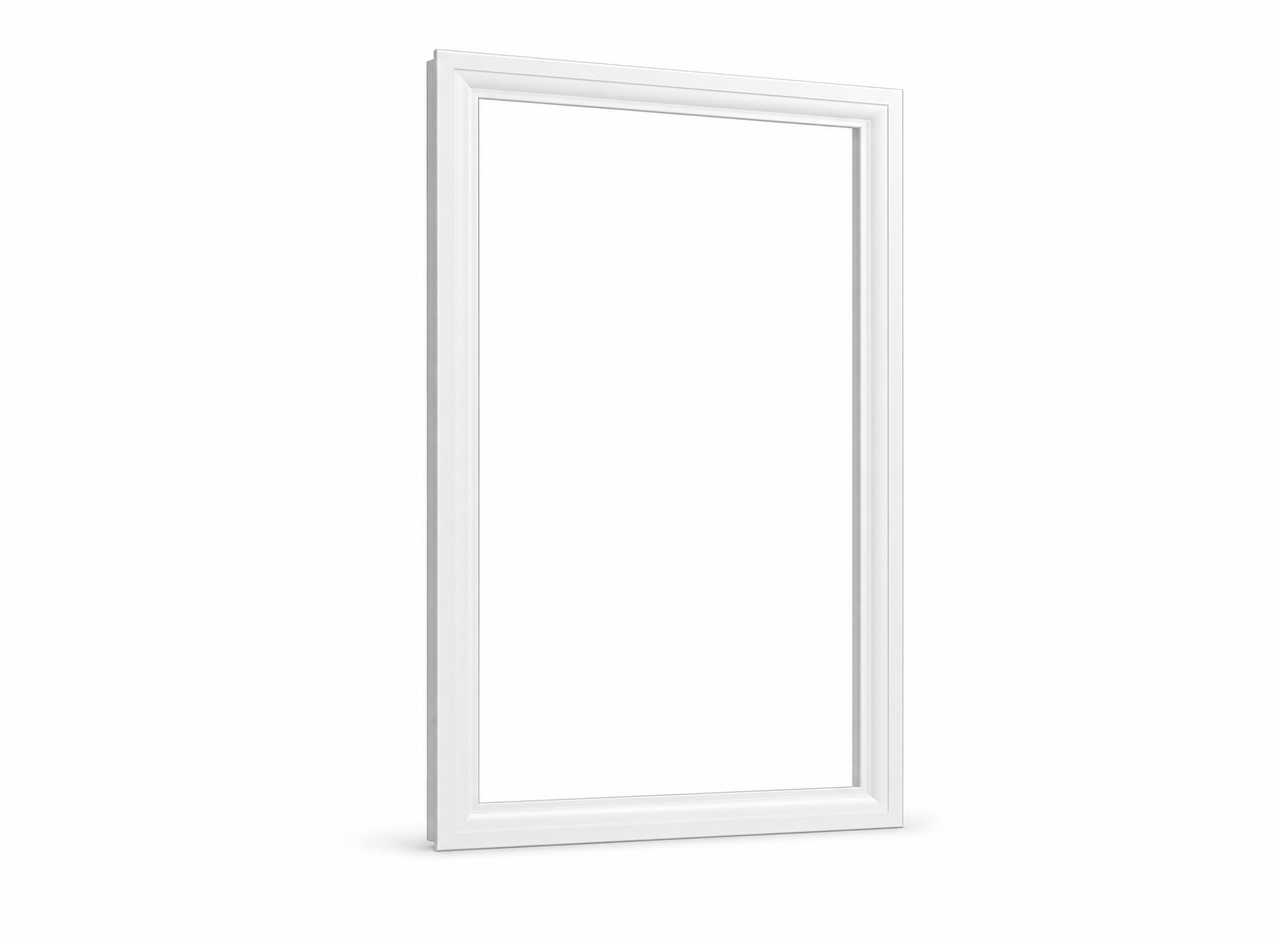
PGT WinGuard with Premium Options. The most widely installed impact window brand in Florida, PGT offers WinGuard
 PGT
WinGuard Aluminum Series
PGT's flagship aluminum impact platform since 1998, with one of the deepest Miami-Dade NOA libraries in the industry. Single hung through sliding doors on one HVHZ-certified frame system.
HVHZ-approved across the series 11 models in the series
Explore the WinGuard Aluminum Series
in configurations that range from builder-grade to premium. For Palm Beach luxury projects, specify the thermal break aluminum frame (which reduces heat transfer and condensation), spectrally selective Low-E glass, and specialty hardware finishes. PGT's product breadth means it can serve both the main residence and the guest house or pool cabana with consistent aesthetics.
PGT
WinGuard Aluminum Series
PGT's flagship aluminum impact platform since 1998, with one of the deepest Miami-Dade NOA libraries in the industry. Single hung through sliding doors on one HVHZ-certified frame system.
HVHZ-approved across the series 11 models in the series
Explore the WinGuard Aluminum Series
in configurations that range from builder-grade to premium. For Palm Beach luxury projects, specify the thermal break aluminum frame (which reduces heat transfer and condensation), spectrally selective Low-E glass, and specialty hardware finishes. PGT's product breadth means it can serve both the main residence and the guest house or pool cabana with consistent aesthetics.
Glass Options That Matter in Luxury Installations
Spectrally selective Low-E coatings are standard expectation in Palm Beach luxury installations. These coatings allow high visible light transmission (VT) while blocking solar heat gain (low SHGC). The result: bright, naturally lit interiors without the energy penalty of untreated glass. In South Florida's climate, this can reduce cooling costs by 25-40%.
Low-iron glass is popular for luxury projects because it eliminates the slight green tint that standard glass produces. The difference is visible: low-iron glass provides truer color rendering, making views look more natural and interior finishes appear as intended. The cost premium is modest (typically 10-15% per panel) relative to the overall project cost.
Custom sizes and configurations are common in Palm Beach. Oversized fixed panels, multi-slide doors that stack into wall pockets, radius windows matching Mediterranean arch details, and corner windows without mullions. These are standard requests in the luxury segment. Not every manufacturer can accommodate them, which is why product selection matters as much as pricing.
Neighborhood Guide
West Palm Beach
Wind zone: 160-170 mph. Exposure: varies from B (inland) to C/D (waterfront).
West Palm Beach encompasses historic neighborhoods, a growing downtown, and waterfront luxury. That mix is why impact windows in West Palm Beach projects range from historic-board coordination to high-rise engineering.
El Cid Historic District, Flamingo Park, and Northwood are designated historic areas with architectural restrictions on exterior modifications. Impact windows in these neighborhoods must match the existing architectural character: frame profiles, muntin patterns, and proportions. Work with a manufacturer that offers custom configurations and expect the project to include coordination with the city's historic preservation board.
Downtown high-rises (3+ stories) require threshold building inspections by a licensed Professional Engineer serving as Special Inspector. This adds cost and coordination but is non-negotiable per Florida Statute 553.79.
CityPlace/Rosemary Square features mixed-use with condo and commercial properties. Condo associations handle product selection for common elements; individual owners may have latitude on interior-facing windows depending on the association's declarations.
Boca Raton
Wind zone: 160-170 mph. Exposure: B to D depending on proximity to coast.
Boca Raton's architectural character is defined by the Addison Mizner Mediterranean influence that runs through much of the city. Barrel tile roofs, stucco exteriors, arched openings, and earth-tone color palettes set the standard.
Royal Palm Yacht & Country Club, Woodfield, and Broken Sound are gated communities with strict HOA architectural review. These communities require uniform appearance across homes, which typically means matching specific frame colors (bronze, white, or custom), profiles (typically aluminum to match existing), and sometimes specific manufacturers.
Mizner-style homes often require arched or radius-top windows to match existing openings. Not every manufacturer offers these in impact-rated configurations, so verify product availability before committing to a quote.
Boca Raton has a strong mix of mid-rise condos and single-family homes. For condos, the association typically controls product selection for exterior-facing elements.
Delray Beach
Wind zone: 160-170 mph. Exposure: B (west of I-95) to D (barrier island).
Delray Beach combines historic charm with a growing population of younger buyers renovating older homes.
Pineapple Grove Arts District has historic preservation requirements that affect window replacement. Expect additional review for any changes to street-facing facades.
Atlantic Avenue corridor features commercial and mixed-use properties with different code requirements than residential.
Barrier island properties along A1A face Exposure D, the highest wind-load classification. These properties require windows with significantly higher design pressure (DP) ratings than inland homes at the same wind speed. A window rated for +50/-60 PSF inland may need to be +70/-85 PSF or higher on the barrier island. This directly affects product selection and cost, and it is the first thing we check when quoting impact windows in Delray Beach.
Jupiter
Wind zone: 160-170 mph. Exposure: C to D.
Jupiter's coastal setback properties face extreme exposure, and the community includes some of Florida's most exclusive addresses.
Jupiter Island is an ultra-luxury barrier island with very strict HOA requirements. Homes here are typically custom-built with large-format glass: floor-to-ceiling panels, multi-slide doors, and expansive fixed windows. Product selection leans toward ES Windows Prestige and WinDoor for their ability to produce oversized impact-rated panels.
Abacoa and Jupiter Country Club are planned communities where architectural review governs exterior modifications. Standard premium products (PGT WinGuard
PGT
WinGuard Aluminum Series
PGT's flagship aluminum impact platform since 1998, with one of the deepest Miami-Dade NOA libraries in the industry. Single hung through sliding doors on one HVHZ-certified frame system.
HVHZ-approved across the series 11 models in the series
Explore the WinGuard Aluminum Series
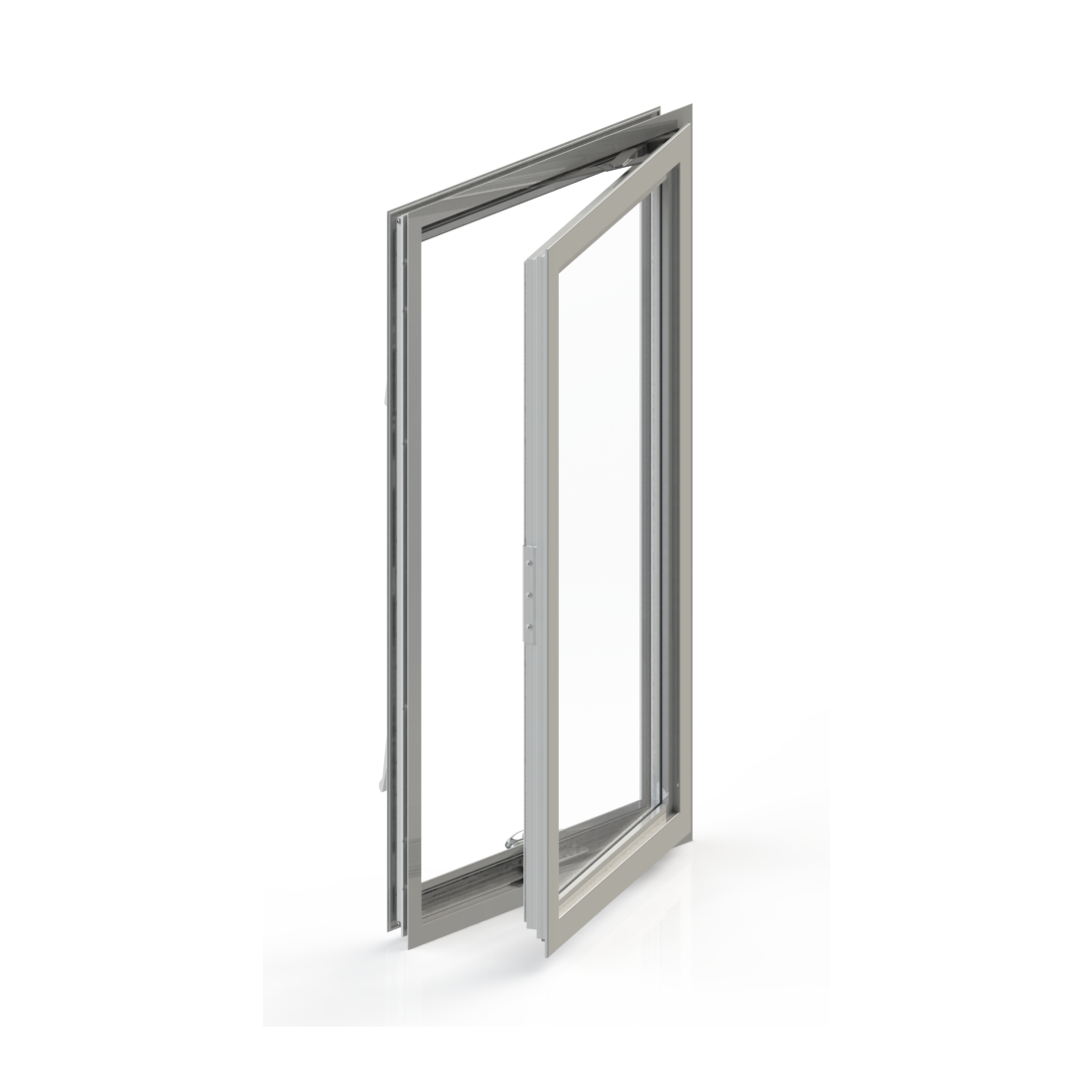
, ES Windows Elite
 ES Windows
Elite Series
Mid-tier aluminum impact line for residential builders, with current 2023 FBC Miami-Dade NOAs across casement, single hung, fixed, sliding window, French door, and SGD.
HVHZ-approved across the series 8 models in the series
Explore the Elite Series
) are typically appropriate here.
ES Windows
Elite Series
Mid-tier aluminum impact line for residential builders, with current 2023 FBC Miami-Dade NOAs across casement, single hung, fixed, sliding window, French door, and SGD.
HVHZ-approved across the series 8 models in the series
Explore the Elite Series
) are typically appropriate here.
Palm Beach Gardens
Wind zone: 160-170 mph. Exposure: predominantly B and C (inland).
Palm Beach Gardens is home to several of the county's premier gated communities.
PGA National, Old Palm, and Frenchman's Reserve are luxury planned developments where HOA standards govern aesthetics. The inland location (Exposure B or C) means lower required design pressures than coastal properties, which can reduce cost.
Modern new construction in Palm Beach Gardens increasingly comes standard with impact windows from the builder. If you are buying a resale home built after 2002, check whether the existing windows already meet current code before planning a replacement project.
Wellington
Wind zone: 160 mph. Exposure: B (inland).
Wellington's equestrian community is generally inland with lower wind speeds than coastal areas, though it remains entirely within the WBDR. The lower exposure category means standard impact window products are appropriate; you do not need the extreme DP ratings required on the coast.
Cost-effective options like ES Windows Elite
ES Windows
Elite Series
Mid-tier aluminum impact line for residential builders, with current 2023 FBC Miami-Dade NOAs across casement, single hung, fixed, sliding window, French door, and SGD.
HVHZ-approved across the series 8 models in the series
Explore the Elite Series
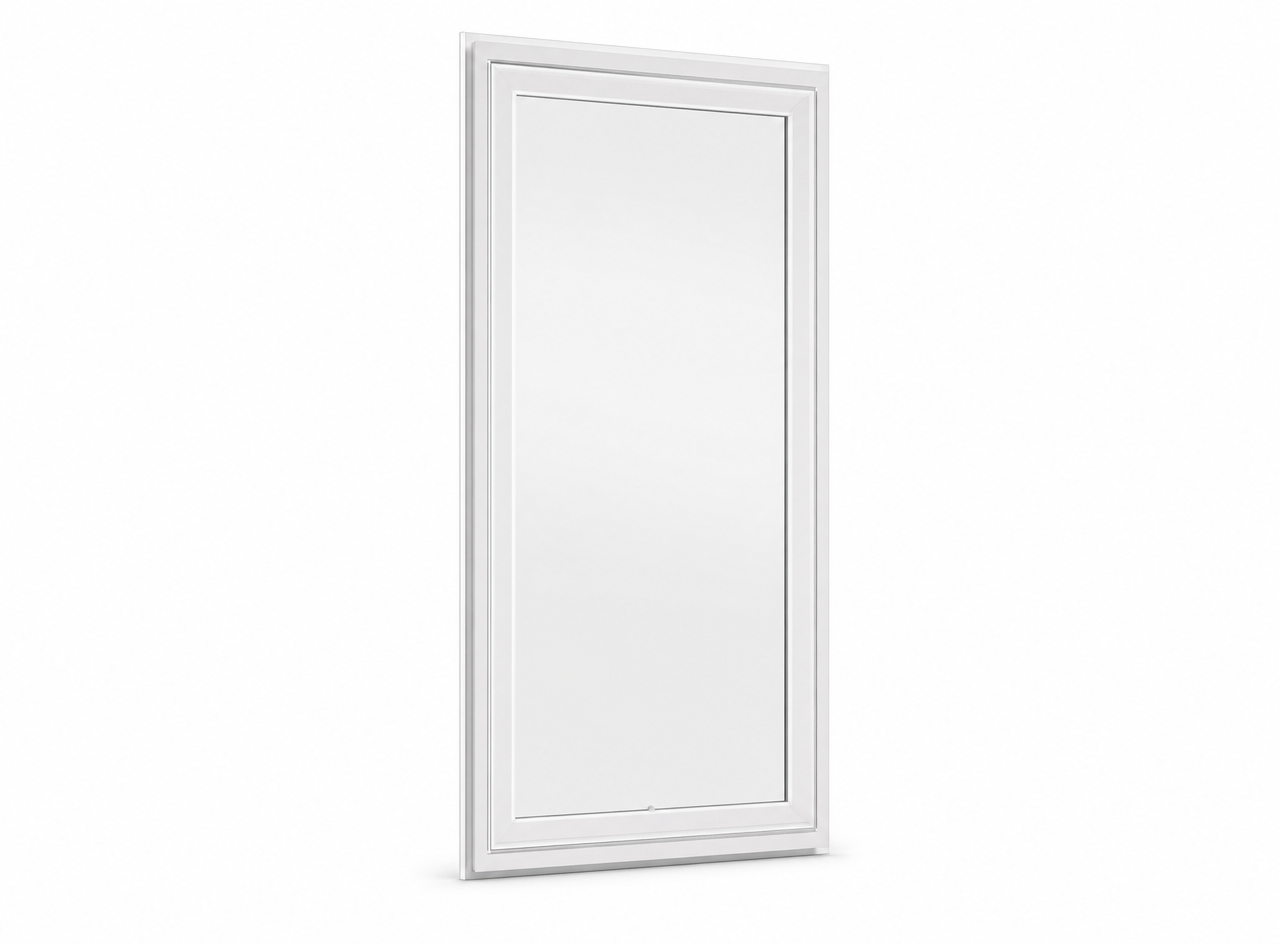
and PGT WinGuard Vinyl
 PGT
WinGuard Vinyl Series
The best-selling impact vinyl line in the U.S., built on a 3-1/2 inch welded vinyl frame with Diamond Glass laminated glazing. Nine operation styles mull cleanly into all-vinyl elevations.
HVHZ-approved across the series 12 models in the series
Explore the WinGuard Vinyl Series
perform well in Wellington's exposure conditions. This is a market where the value tier delivers excellent protection without paying for coastal-grade performance you do not need.
PGT
WinGuard Vinyl Series
The best-selling impact vinyl line in the U.S., built on a 3-1/2 inch welded vinyl frame with Diamond Glass laminated glazing. Nine operation styles mull cleanly into all-vinyl elevations.
HVHZ-approved across the series 12 models in the series
Explore the WinGuard Vinyl Series
perform well in Wellington's exposure conditions. This is a market where the value tier delivers excellent protection without paying for coastal-grade performance you do not need.
Boynton Beach and Lantana
Wind zone: 160-170 mph. Exposure: B (inland) to D (barrier island).
Boynton Beach and Lantana have a significant stock of older homes built before the 2002 Florida Building Code, making them prime candidates for impact window retrofits. That pre-2002 stock is also why the 25% rule comes up so often on Boynton Beach impact windows projects.
Ocean Ridge (barrier island between Boynton Beach and Delray Beach) faces Exposure D with the highest wind loads in the area. Product selection here mirrors Jupiter Island: premium products with high DP ratings and corrosion-resistant finishes.
Many homeowners in Boynton Beach and Lantana qualify for the My Safe Florida Home program, which offers grants up to $10,000 for hurricane hardening. For a pre-2008 home with a homestead exemption and insurance value at or below $700,000 (low-income homeowners are exempt from the value cap), this grant can offset a meaningful portion of the project cost. Apply at mysafeflhome.com.
HOA and Architectural Review
Palm Beach County HOAs are among the strictest in Florida. If you live in a community with an HOA, your impact window project will almost certainly require architectural review board approval.
What the Law Says
Florida HB 293 (2024) makes it clear: an HOA cannot prohibit hurricane protection measures, including impact windows and hurricane shutters. This is state law, and it overrides any contrary provision in your community's covenants.
However, the HOA can regulate the color, style, and appearance of the products you install. They can require that your new windows match the community's established aesthetic: same frame color, same profile, same general appearance. What they cannot do is tell you that you are not allowed to install impact protection at all.
For a detailed walkthrough of the approval process, see our HOA approval guide.
Best Practices for Palm Beach HOA Approval
- Submit detailed product specifications with your application: manufacturer name, product line, model number, frame color (with manufacturer's color code), and Florida Product Approval number.
- Match existing frame color and profile as closely as possible. If the community standard is bronze aluminum, do not submit for white vinyl.
- Include manufacturer cut sheets showing the profile cross-section. This lets the review board see exactly what the installed product will look like.
- Request a pre-application meeting if your community has a formal architectural review board. This can save weeks of back-and-forth.
- Know the timeline. Some Palm Beach HOAs take 30-60 days for architectural review. Build this into your project schedule.
Colonial-style hurricane shutters generally receive the easiest approval because they look like traditional shutters when closed. Accordion shutters may face pushback in luxury communities due to their industrial appearance. Impact windows, which look like normal windows, are almost always the most architecturally compatible option.
Cost Expectations
Palm Beach County installation costs tend to run 10-20% above the state average due to several factors:
- Higher labor costs in an affluent market where skilled tradespeople are in demand
- More complex architectural requirements: arched windows, oversized panels, custom configurations
- Stricter HOA compliance that sometimes requires specific (and more expensive) products
- Larger average home size with more openings per project
Typical Cost Ranges
| Project Scope | Mid-Range | Premium | Luxury/Custom |
|---|---|---|---|
| Small home (8-10 openings) | $15,000-$25,000 | $25,000-$40,000 | $40,000-$65,000 |
| Average home (12-15 openings) | $25,000-$40,000 | $40,000-$65,000 | $65,000-$100,000 |
| Large home (18-25 openings) | $35,000-$55,000 | $55,000-$85,000 | $85,000-$150,000+ |
Inland vs. coastal: Coastal properties (Exposure C and D) require higher DP-rated products, which cost more. An identical-looking window in a +70/-85 PSF rating costs significantly more than the same window at +45/-55 PSF.
Non-HVHZ advantage: Because Palm Beach does not require NOA-certified products, homeowners have access to product lines that are not available in Miami-Dade or Broward. Some of these offer competitive pricing at comparable performance levels. This is the one area where being outside the HVHZ works in your favor.
For detailed cost breakdowns by window type and frame material, see our impact windows cost guide.
Insurance Savings
Impact windows are one of the most effective ways to reduce homeowner's insurance premiums in Florida. The state average annual premium reached $14,140 in 2024, and Palm Beach County tends to run above average for coastal properties.
How the Discount Works
Florida insurers are required to offer a wind mitigation credit when your home meets specific hurricane-hardening criteria. The largest single credit comes from opening protection: having all windows, doors, skylights, and garage doors protected with impact-rated products or approved shutters.
The opening-protection credit typically reduces the wind portion of your premium by 30-45%. Since wind accounts for 45-55% of most Palm Beach premiums, this translates to meaningful dollar savings.
Estimated Savings by Location
| Location | Typical Annual Premium | Wind Portion | Estimated Annual Savings |
|---|---|---|---|
| Inland (Wellington, western PBG) | $3,500-$5,500 | 45-55% | $500-$1,200/year |
| Mid-county (Boca, Delray inland) | $5,000-$8,000 | 50-60% | $750-$1,800/year |
| Coastal (Jupiter Island, Ocean Ridge) | $8,000-$18,000+ | 55-65% | $1,500-$4,000+/year |
To qualify, you need a wind mitigation inspection using the current OIR-B1-1802 form (updated April 2026). The inspector verifies opening protection, roof-to-wall connections, roof geometry, and secondary water resistance. All openings must be protected to receive the opening-protection credit; missing even one window or door voids the credit.
For the complete insurance analysis, see our insurance savings guide and our breakdown of what a wind mitigation inspection actually checks.
Grants and Financing
My Safe Florida Home Program
Palm Beach County homeowners may qualify for the My Safe Florida Home program, which provides grants up to $10,000 for hurricane hardening improvements including impact windows.
Eligibility requirements:
- Home built before 2008
- Homesteaded property
- Insured value at or below $700,000 (low-income homeowners are exempt from this cap)
- Must complete a free wind mitigation inspection through the program
Apply at mysafeflhome.com. The program covers impact windows, impact doors, hurricane shutters, roof upgrades, and other hardening measures. Grants are awarded on a first-come, first-served basis with annual funding appropriated by the Florida Legislature.
Grants rarely cover the entire project, and not every homeowner qualifies. For the remaining balance, we offer financing through our lending partner—predictable monthly payments rather than one large upfront payment.
Property Tax Exemption
Florida offers an ad valorem tax exemption for hurricane-hardening improvements. This prevents your property tax assessment from increasing due to the added value of impact windows and related improvements.
Frequently Asked Questions
Do I need Miami-Dade NOA-approved windows in Palm Beach County?
No. Palm Beach County is not in the HVHZ. Your windows need a Florida Product Approval (FPA) with ASTM E1886/E1996 impact testing. Products with a Miami-Dade NOA are accepted (because they exceed the requirement), but they are not required. Choosing FPA-only products can save you 10-20% compared to NOA-rated equivalents.
Are impact windows required for all homes in Palm Beach County?
The county sits entirely within the Wind-Borne Debris Region, which means all new construction and replacement glazing must meet impact standards. If you are replacing existing windows, the 25% rule determines whether you must bring all openings into compliance or only the ones you are replacing. Pre-FBC homes (built before March 2002) replacing more than 25% of glazed openings in 12 months must upgrade everything.
What is the difference between HVHZ and WBDR requirements?
The HVHZ (Miami-Dade and Broward) requires products tested to TAS 201/202/203 with a tear tolerance of 5" x 1/16". Palm Beach County's WBDR requires ASTM E1886/E1996 testing with a tear tolerance of 5" x 3", which is 48x more lenient. Both require missile-impact testing, but the stricter HVHZ standard makes products more expensive and limits the available product selection. See our full HVHZ vs. impact rating comparison.
How long does the permit process take in Palm Beach County?
Permit review targets are set by the Florida Building Code at 30 working days (Section 105.3.1). Actual processing times vary. Your installer should handle the entire permit process, including application, plan review, and scheduling inspections. Remember that at least one inspection must pass within 180 days of permit issuance. The Palm Beach County Building Division provides an online portal for permit applications and status tracking.
Will my HOA let me install impact windows?
Florida law (HB 293, 2024) prohibits HOAs from blocking hurricane protection measures. Your HOA can regulate the appearance (frame color, profile style, and uniformity) but cannot prevent you from installing impact windows. Submit your application early with complete product specifications, and match existing frame colors and profiles as closely as possible. For more detail, see our HOA approval guide.
How much can I save on insurance with impact windows?
Savings depend on your location, home value, and current policy. Inland Palm Beach homeowners typically save $500-$1,200/year, while coastal homeowners can save $1,500-$4,000+/year. The savings require all openings to be protected (not just windows; doors, skylights, and garage doors too) and a current wind mitigation inspection.
Should I choose HVHZ-rated products even though Palm Beach does not require them?
It depends on your priorities. HVHZ-rated products are tested to a stricter standard and offer incrementally better protection. If your home is on the coast (Exposure C or D) and your budget allows the 10-20% premium, choosing HVHZ-rated products is a defensible decision. For inland homes in Exposure B, standard FPA-certified products provide excellent protection at lower cost. Either way, any properly installed, code-compliant impact window is a massive upgrade over unprotected openings.
What about vinyl vs. aluminum frames in Palm Beach County?
Both vinyl and aluminum frames are appropriate in Palm Beach County, but the choice depends on location. Coastal properties (within 3,000 feet of saltwater) should use aluminum with premium finishes (Kynar/PVDF or anodized) for superior corrosion resistance. Inland properties can use either material: vinyl offers lower cost and better thermal performance, while aluminum provides a slimmer profile and wider color selection. In luxury communities, aluminum is more common because it matches the architectural expectations of Mediterranean and contemporary homes.
Next Steps
If you are a Palm Beach County homeowner considering impact windows, the process starts with understanding your specific requirements:
- Know your exposure category. Coastal, suburban, or inland. This determines the DP rating your windows need.
- Check your HOA requirements. If you live in a governed community, get the architectural guidelines before requesting quotes.
- Understand the 25% rule. If your home predates 2002, know whether a partial replacement will trigger whole-house compliance.
- Compare products, not just prices. The non-HVHZ market gives you more options. Use that advantage to find the right product for your home and budget.
- Factor in insurance savings and grants. The My Safe Florida Home program and insurance credits can offset a significant portion of your investment.
Request a free estimate for your Palm Beach County home. We serve every community from Jupiter to Boca Raton, including barrier island properties, historic districts, and gated communities with strict HOA requirements.