
The Simple Distinction
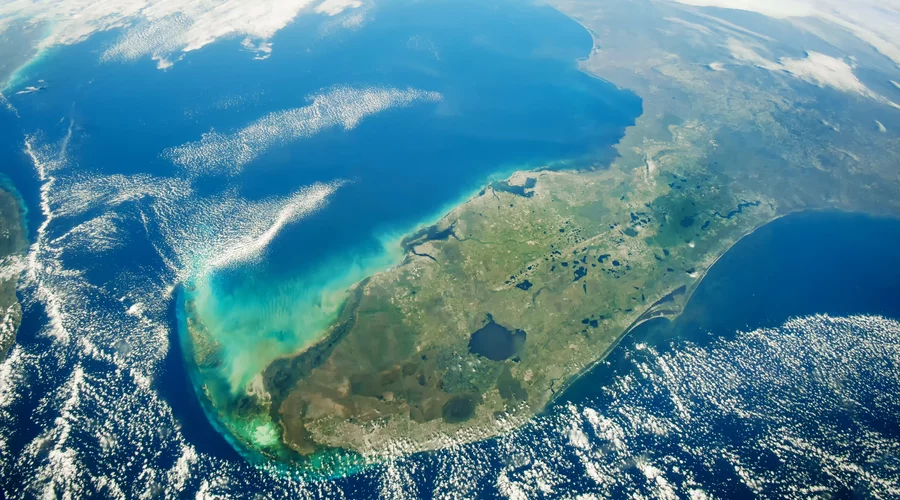
HVHZ is a place. It stands for High Velocity Hurricane Zone, a geographic designation in the Florida Building Code that covers all of Miami-Dade County and all of Broward County. If your home is in one of these two counties, you're in the HVHZ. If it's anywhere else in Florida, you're not.
Impact rating is a product test. It means a specific window or door has been tested and certified to resist wind-borne debris (a 9-lb 2x4 fired at 50 fps from a pneumatic cannon) and sustained hurricane pressure (9,000 cycles of alternating pressure). An impact-rated product can be sold and installed across Florida and other hurricane-prone states.
The confusion arises because the two concepts overlap: all HVHZ-approved products are impact-rated, but not all impact-rated products are HVHZ-approved. And the gap between the two approval levels is not small. It's a 48x difference in how much damage the product can sustain after testing.
Why People Confuse Them
If you've been shopping for impact windows, you've probably seen these terms used loosely:
- "HVHZ-rated windows" (conflating the zone with the product)
- "HVHZ impact windows" (implying HVHZ is a type of impact rating)
- "Impact-rated for HVHZ" (closer to accurate but still muddled)
The industry itself contributes to the confusion. Manufacturer spec sheets list "HVHZ" in their product approvals alongside design pressure ratings and impact test results, making it look like HVHZ is just another performance specification. It's not. It's a geographic and regulatory designation that determines which testing standard and product approval your product must carry.
The Two Testing Standards
Here's where the practical difference lives. Both HVHZ and standard Florida impact products are tested by firing a 2x4 at a window. Both must survive cyclic pressure after the impact. The difference is in what happens after:
TAS 201/202/203 (HVHZ Standard)
Used for Miami-Dade NOA certification. Required in Miami-Dade County. Accepted in Broward County.
- Missile impact (TAS 201): 9-lb 2x4 at 50 fps. Impact locations include center of glass, near corners, and at frame/glass junctions. Three specimens tested, two impacts each. Structural shots (impacts on or near the frame) required on two of three specimens.
- Cyclic pressure (TAS 203): 9,000 cycles of alternating positive and negative pressure at 1.5x rated design pressure, with simultaneous wind-driven rain.
- Tear tolerance: After all testing, the interlayer tear cannot exceed 5 inches long and 1/16 inch wide.
- Certification: Miami-Dade Notice of Acceptance (NOA). Costs manufacturers $15,000-$50,000 per product. Requires annual renewal with factory inspections.
ASTM E1996/E1886 (Standard Florida Impact)
Used for Florida Product Approval. Required in the Wind-Borne Debris Region (most of coastal Florida outside the HVHZ).
- Missile impact (ASTM E1996): Same 9-lb 2x4 at 50 fps for Level D (the standard residential test). Same projectile, same speed.
- Cyclic pressure (ASTM E1886): Cyclic testing required, similar protocol.
- Tear tolerance: After testing, the interlayer tear cannot exceed 5 inches long and 3 inches wide.
- Certification: Florida Product Approval number. Lower certification cost and faster timeline than NOA.
The 48x Gap
The tear tolerance difference is the critical distinction:
| Standard | Allowable Tear | Effective Tear Area |
|---|---|---|
| TAS (HVHZ) | 5" x 1/16" (0.0625") | 0.3125 sq inches |
| ASTM (standard FL) | 5" x 3" | 15 sq inches |
| Difference | 48x larger opening allowed |
A product that passes the ASTM standard with a 2-inch tear would catastrophically fail the TAS standard. The HVHZ standard demands that the interlayer remain essentially intact after impact and 9,000 pressure cycles. The standard Florida test allows a tear wide enough to admit significant wind-driven rain and some wind pressure.
This is not a minor technicality. It's the reason HVHZ products use higher-quality materials, tighter manufacturing tolerances, and more rigorous quality control, and why they cost 10-20% more.
The Three-Tier System
Florida uses a three-tier product approval hierarchy:
| Tier | Approval | Testing | Tear Tolerance | Required In | Accepted In |
|---|---|---|---|---|---|
| 1 (Strictest) | Miami-Dade NOA | TAS 201/202/203 | 5" x 1/16" | Miami-Dade | All of Florida + most U.S. hurricane jurisdictions |
| 2 | Broward County BC | TAS or ASTM | Varies | Broward | Broward only |
| 3 | Florida Product Approval | ASTM E1886/E1996 | 5" x 3" | Wind-Borne Debris Region | Non-HVHZ Florida |
Key principle: A product approved at a higher tier is automatically accepted at all lower tiers. A Miami-Dade NOA product can be installed anywhere in Florida. But a product with only a Florida Product Approval cannot be installed in the HVHZ.
What This Means for You
If You're in Miami-Dade or Broward (HVHZ)
You need products with a current Miami-Dade NOA (or Broward-accepted equivalent). A standard Florida Product Approval is not sufficient. Your building permit will be denied if you specify non-NOA products, and if installed without a permit, the installation will fail inspection and you'll be required to remove and replace at your own expense.
When comparing quotes, verify the NOA number for every product at Miami-Dade Product Control. Make sure the NOA is current (they expire annually) and covers the specific configuration being installed.
Products cost 10-20% more in the HVHZ because of the stricter testing, annual certification renewal, and the higher-quality materials needed to pass the 1/16" tear tolerance. This is the "HVHZ premium" reflected in your quote.
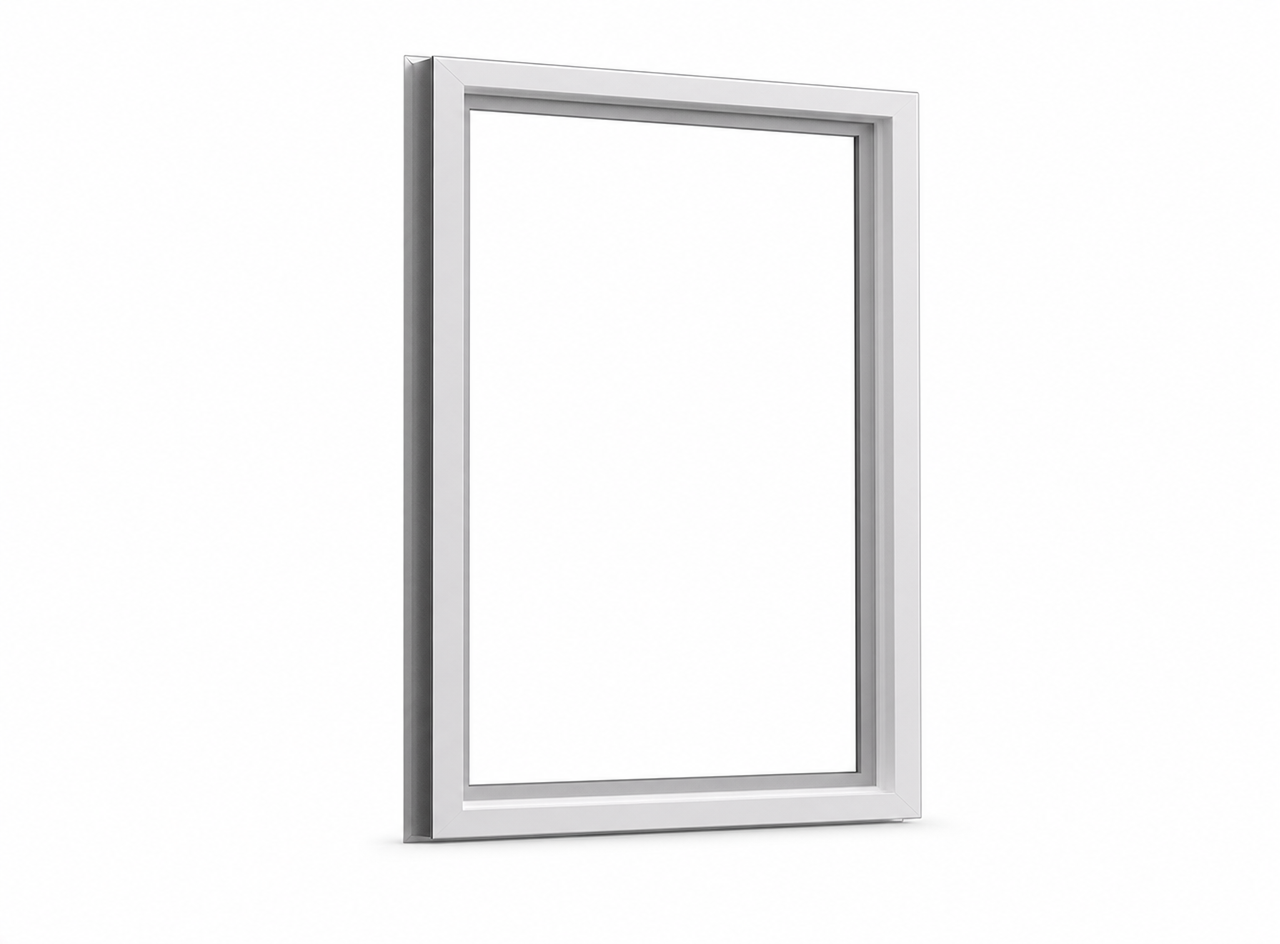
 PGT · WinGuard Aluminum Series
PGT WinGuard Aluminum Casement Picture PW740A
Aluminum impact casement-companion picture window that mulls seamlessly with CA740A and AW740A in the 740-family for multi-window assemblies.
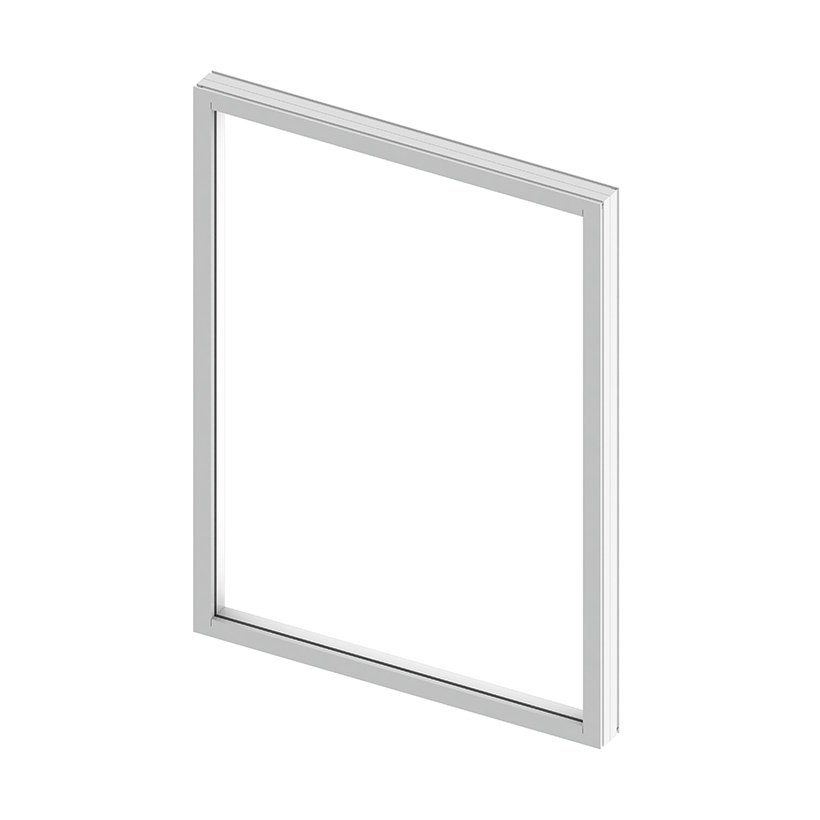
 ES Windows · Elite Series
ES Windows Elite ES-EL150 Fixed Window
Aluminum impact fixed window on a 2-15/16 inch frame, matching the rest of the Elite residential line for clean sightline continuity.
 Air Master · Standard Windows
Fixed picture window with up to 7/16-inch laminated impact glass. Miami-Dade NOA 23-1113.03 plus Florida Product Approval for HVHZ installations.
For the complete Miami-Dade homeowner guide, see our impact windows in Miami-Dade article. For Broward, see our Broward County guide.
If You're in the Wind-Borne Debris Region (Most of Coastal Florida)
You need products with a Florida Product Approval and impact rating meeting ASTM E1996/E1886. Miami-Dade NOA products are accepted (and offer the highest protection level) but are not required.
This gives you broader product selection and lower prices than HVHZ homeowners. Palm Beach, Lee, Collier, Pinellas, Sarasota, Brevard, and other coastal counties fall in this category.
Both aluminum and vinyl impact windows are available with Florida Product Approval. Vinyl options are more accessible here than in the HVHZ (where some vinyl products don't carry the NOA).
If You're Outside the WBDR (Inland/North Florida)
Impact-rated products are not code-required in your area. Standard wind-rated windows meeting your location's design wind speed are sufficient for code compliance.
However, impact windows still qualify for insurance wind mitigation discounts statewide, and they deliver year-round benefits (energy savings, noise, UV, security) regardless of your wind zone. If you choose to install impact windows voluntarily, any Florida Product Approval product is appropriate.
How to Verify Product Certifications
For Miami-Dade NOA
- Ask your installer for the NOA number for each product
- Search at Miami-Dade Product Control
- Verify the NOA is current (not expired; annual renewal required)
- Verify it covers the specific product configuration (size, frame material, glass type) being installed
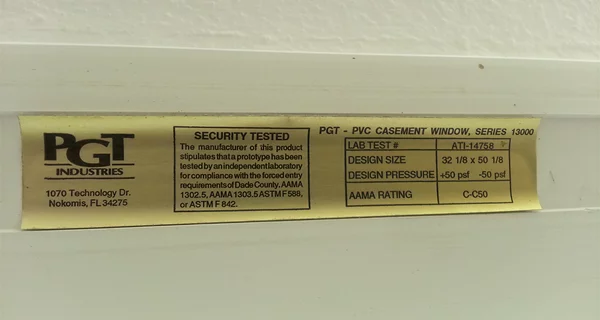
- The NOA number should be printed on the product label (do not remove labels before building inspection)
For Florida Product Approval
- Ask for the Florida Product Approval (FL) number
- Search at the Florida Product Approval System
- Verify the approval covers impact rating (not just wind-load rating)
- Verify it covers your specific wind zone and design pressure requirements
Red Flags
- "Florida-approved" without a specific number. Ask for the FL number or NOA number. "Approved" without documentation means nothing.
- A product quoted for HVHZ without an NOA. If your home is in Miami-Dade or Broward and the product carries only a Florida Product Approval, it cannot be installed. Your permit will be denied.
- An expired NOA. NOAs are renewed annually. If the manufacturer let the certification lapse, the product is no longer HVHZ-compliant even if it was previously.
- CWS StormStrong Vinyl quoted for an HVHZ project. This product is explicitly not HVHZ-approved (DP +/-50, no NOA). It can only be installed outside the HVHZ.
HVHZ-Approved Products Worth Knowing
Not every manufacturer has HVHZ certification for every product line. Here's what's available:
| Manufacturer | HVHZ-Approved Lines | Key Limitation |
|---|---|---|
| PGT | WinGuard Aluminum, WinGuard Vinyl, Sparta | Vinyl maxes at DP +65/-70 |
| ES Windows | Elite, Prestige, Commercial | Vinyl line still early stage |
| ECO | Full catalog (Series 50-1500) | Aluminum only |
| WinDoor | 8100 SGD, 9000 Series, Estate | Premium/luxury pricing |
| CWS (Pella) | Hurricane Guard (aluminum only) | StormStrong Vinyl NOT approved |
| EAS | Bertha (vinyl), select aluminum | Bertha DP +60/-60 |
Next Steps
- Determine your zone. Are you in the HVHZ, WBDR, or outside both? This determines which product approval you need.
- Get a free estimate with products matched to your zone's specific requirements.
- Verify every product approval number on your quote before signing. Check at Miami-Dade Product Control (HVHZ) or Florida Product Approval (WBDR).
- For the complete HVHZ guide, see our HVHZ article, Miami-Dade guide, and Broward guide.
- For code requirements by county, see are impact windows required in Florida.