
The Condo Difference
If you own a condo in Florida and you're considering impact windows, the process is fundamentally different from replacing windows in a single-family home. The questions are different. The approval path is different. The engineering can be different. And the financial structure (who pays and how) is almost certainly different.
In a single-family home, you decide, you get a permit, and you install. In a condo, you need to determine whether the windows are your responsibility or the association's, navigate an architectural review process, potentially coordinate with dozens or hundreds of other unit owners, and address building-specific engineering requirements that don't exist in low-rise residential construction.
This guide walks through every step: who pays, how to get approval, what makes high-rise installations different, how building-wide programs work, what insurance implications matter, and what it all costs. Whether you're a unit owner exploring your options or a board member evaluating a building-wide project, this is the information you need.
Who Is Responsible: Unit Owner or Association?
This is the first question every condo owner asks, and the answer is not as simple as most people assume.
The Declaration of Condominium Controls Everything
Under Florida Statute 718 (the Condominium Act), the governing document for every condominium is the Declaration of Condominium. This document defines the boundaries of each unit, identifies common elements and limited common elements, and assigns maintenance and replacement responsibility for every component of the building.
Windows sit at a critical boundary, literally. They are part of the exterior envelope of the building, but they serve an individual unit. How the declaration classifies them determines who is responsible for replacement.
Most declarations assign windows and sliding glass doors to the unit owner. In these communities, each owner is responsible for the maintenance, repair, and replacement of the windows and doors within their unit. The association maintains the building structure, roof, and common areas, but windows belong to you.
Some declarations classify windows as common elements. In these communities, the association owns and maintains the windows for the entire building. Replacement is an association project, funded through reserves or special assessments. Individual owners do not have the authority to replace their own windows unilaterally.
A smaller number of declarations classify windows as limited common elements. This means the windows serve a specific unit but are technically owned by the association. Responsibility for maintenance, repair, and replacement may be split between the owner and the association depending on how the declaration is written.
How to Find Out
Pull out your Declaration of Condominium. Look for the section that defines "unit" and "unit boundaries," and the section that defines "common elements" and "limited common elements." These sections will tell you exactly how windows are classified in your building.
If the language is unclear (and it often is in older declarations), consult your association's property manager or the association's attorney. Getting this right at the start prevents disputes, delays, and unexpected costs later.
Your Right to Install Hurricane Protection
Regardless of how your declaration classifies windows, Florida Statute 718.113(5) provides a critical protection for unit owners. The statute states that unit owners have the right to install hurricane protection that conforms to or exceeds the applicable building code, and the association may not refuse the request.
This is a powerful provision. Even if your declaration says that windows are common elements, you still have the statutory right to install impact windows or hurricane shutters on your unit. The association can regulate the color, style, and placement to maintain architectural uniformity, but they cannot say no.
This parallels the HOA protections under Florida Statute 163.04 and HB 293, but the condo statute (718.113(5)) is specific to condominium associations and has been in place for decades.
The Association Approval Process
Even with the statutory right to install hurricane protection, you will almost certainly need to go through your association's architectural review process before starting work. This is normal, manageable, and, if you prepare correctly, straightforward.
What the Association Can Regulate
Under FS 718.113(5), the association can impose specifications to maintain a uniform exterior appearance. This typically includes:
- Frame color: Most associations require that all windows match a community-standard color (white, bronze, black, or a custom match).
- Frame profile and style: The association may require that replacement windows maintain a similar visual profile to the existing windows.
- Glass appearance: Reflective coatings, tint levels, and visible light transmittance may be specified to maintain a uniform appearance from the exterior.
- Contractor qualifications: Many associations require proof of contractor licensing, insurance certificates, and sometimes a minimum experience threshold.
The association cannot use aesthetic regulations as a pretext to deny hurricane protection. If you propose impact windows that match the building's existing color, style, and profile, the association has no legal basis to refuse.
What to Submit
A complete architectural review application for impact window installation should include:
- Formal application form (provided by your association or property management company)
- Product specifications for every window and door being replaced: manufacturer, product line, model, and frame color
- Florida Product Approval number or Miami-Dade NOA number for each product
- Design pressure (DP) ratings showing the products meet or exceed the building code requirements for your floor and exposure
- Color and finish samples or manufacturer color chips
- Contractor license verification: state license number and proof of active status
- Insurance certificates: general liability and workers' compensation from the installing contractor
- Scope of work description: what is being removed, what is being installed, how installation waste will be handled, and the estimated timeline
Timeline
Approval timelines vary widely across associations. Some boards meet monthly and can approve in 30 days. Others require committee review followed by full board approval, pushing the timeline to 60-90 days. A few associations with pre-approved product lists can process applications in as little as two weeks.
Start the approval process well before hurricane season. If you wait until May or June to submit your application, you may not have approval, let alone installed windows, before the peak of the season in August and September.
Pre-Approved Product Lists
Some associations maintain lists of pre-approved manufacturers, product lines, and frame colors. If your building has a pre-approved list, choosing from that list dramatically simplifies the approval process. Ask your property manager whether one exists before you start selecting products.
If there is no pre-approved list, your installer can help you identify products that match the building's existing windows in color, profile, and performance. At Armor Pro, we handle condo association submissions regularly and can prepare the full specification package for your application.
Building-Wide Replacement Programs
When an association decides to replace all windows and sliding glass doors across the entire building as a common-element project, it changes the economics and logistics significantly, usually for the better.
Why Associations Choose Building-Wide Programs
Uniform protection. A building-wide program ensures that every opening in the building is protected with impact-rated products. This matters enormously for insurance. A wind mitigation inspection evaluates the entire building, and the building receives the rating of its weakest unit. If 90% of units have impact windows but 10% do not, the building gets the weaker rating, and no one receives the full opening-protection credit.
Bulk pricing. A building ordering windows for 50, 100, or 200 units at once has significant purchasing power. Bulk pricing discounts of 15-25% compared to individual unit replacements are common. For a 100-unit building where the average unit replacement is $15,000, a 20% discount saves the association $300,000.
Single manufacturer, single contractor. Building-wide programs use one manufacturer and one installation contractor for the entire project. This eliminates the patchwork of different products, colors, and quality levels that results from decades of individual owner replacements. The building looks better, performs better, and is easier to maintain.
Coordinated logistics. One contractor managing the entire project can schedule unit access, freight elevator time, and common-area protection efficiently. Individual replacements, happening at random times over years, cause far more cumulative disruption.
How Building-Wide Programs Are Funded
Reserve funds. Under post-Surfside reforms (SB 4-D and HB 1021), condominium associations with buildings of three or more stories must now maintain structural integrity reserves. Associations can no longer vote to waive or reduce reserves for structural components, which include windows and doors that are part of the building envelope. Buildings that have been properly funding reserves may have sufficient funds for a full or partial window replacement program.
Special assessments. When reserves are insufficient, the association levies a special assessment, a one-time charge divided among unit owners, typically based on each unit's percentage of ownership interest. Special assessments for building-wide window replacement can range from $10,000 to $40,000+ per unit depending on unit size, building height, and product selection.
Combination funding. Many associations use a combination of reserves and a smaller special assessment to fund the project. Some also explore association loans (available from banks that specialize in community association lending) to spread the cost over several years.
The My Safe Florida Condominium Pilot Program
The My Safe Florida Condominium Pilot Program provides grants of up to $175,000 per condominium association for hurricane mitigation improvements, including impact window and door replacement. The program targets buildings of three or more stories with two or more units located within 15 miles of the coast. The program received $30 million in funding from the Florida Legislature.
Under HB 393, the voting threshold for an association to participate in the program was reduced from 100% to 75% of unit owners, making it significantly more practical for larger buildings to apply. If your association has not explored this program, it is worth investigating; $175,000 can offset a meaningful portion of a building-wide project.
High-Rise Specific Considerations
Condo buildings above three or four stories introduce engineering and logistical challenges that do not exist in single-family or low-rise residential construction. These challenges affect product selection, cost, installation timeline, and permitting.
Wind Loads Increase with Height
This is the single most important engineering factor for high-rise impact windows. Wind pressure on a building increases with elevation because wind speed increases as you move away from ground-level friction. The Florida Building Code accounts for this through the velocity pressure exposure coefficient (Kz), which rises with height:
| Height Above Ground | Kz (Exposure C) | Relative Wind Pressure |
|---|---|---|
| 15 ft (ground floor) | 0.85 | Baseline |
| 40 ft (4th-5th floor) | 1.04 | +22% |
| 60 ft (6th-7th floor) | 1.13 | +33% |
| 80 ft (9th-10th floor) | 1.21 | +42% |
| 100 ft (12th-13th floor) | 1.27 | +49% |
What this means in practice: a window that requires a +40/-60 design pressure rating on the ground floor of a building may need a +60/-90 or higher rating at the 12th floor. Corner units (Zone 5 in the code) face even higher negative (outward suction) pressures than center-of-wall units (Zone 4), which means corner windows often require the highest-rated products in the building.
This is why you cannot simply take a product that works on a single-family home and install it on the 15th floor of a beachfront condo. The engineering must be specific to each floor and exposure zone.
The Hurricane Wilma Lesson
Hurricane Wilma in 2005 exposed a dangerous gap in the code. At the time, the Florida Building Code required impact-rated or laminated glass below 30 feet, but above that threshold, monolithic tempered glass was permitted. When Wilma hit Fort Lauderdale and Miami, hundreds of upper-floor windows in high-rise buildings blew out. The shattered glass created a cascade of secondary missiles: debris from upper floors striking windows on lower floors that had no defense against projectiles coming from above.
The damage was severe enough that the code was revised in 2007 to require laminated glass above 30 feet. Today, all glazed openings in the Wind-Borne Debris Region must be impact-rated or protected by approved shutters, regardless of height. But many older high-rises built before the 2007 revision still have non-compliant upper-floor glazing. If your building falls into this category, replacement is not just an upgrade—it is a critical safety correction.
Threshold Building Inspections
For buildings of three or more stories, Florida Statute 553.79 classifies the structure as a "threshold building" and requires a licensed Professional Engineer to serve as a Special Inspector during construction activities that affect the structural integrity of the building.
Window replacement on the third floor and above triggers threshold inspection requirements. This means:
- A licensed P.E. must be retained as the Special Inspector
- Threshold Affidavits #1 through #4 must be completed at various stages of the project
- The Special Inspector reviews the installation at critical points to verify structural adequacy
This adds cost and time to the project compared to single-family or low-rise work, but it is a non-negotiable code requirement that exists to protect the structural integrity of the building.
Installation Logistics
Replacing windows in a high-rise building involves logistical challenges that affect both the timeline and cost of the project:
- Freight elevator scheduling. Materials, tools, and debris must be moved via the freight elevator, which is shared among all building operations. The contractor must coordinate elevator reservations with the property manager, and access is typically limited to specific hours.
- Floor protection. Common-area hallways, lobbies, and elevators must be protected during material transport. The association typically requires floor coverings, corner guards, and elevator pads.
- Noise restrictions. Most condo associations prohibit construction noise during early morning, evening, and weekend hours. Some restrict work to specific days of the week.
- Unit access coordination. The installer needs access to each unit for measurement, installation, and inspection. Coordinating schedules with dozens or hundreds of individual unit owners (some of whom are seasonal residents or investors with tenants) adds complexity.
- Weather sensitivity. Windows cannot be left open or partially installed overnight. Each unit must be completed and sealed in a single work session, which limits how many units can be done per day.
High-Rise Product Selection
Not every impact window manufacturer produces products rated for high-rise applications. The design pressure requirements at upper floors (particularly in the HVHZ where design wind speeds reach 170-175 mph) demand specialized engineering. WinDoor
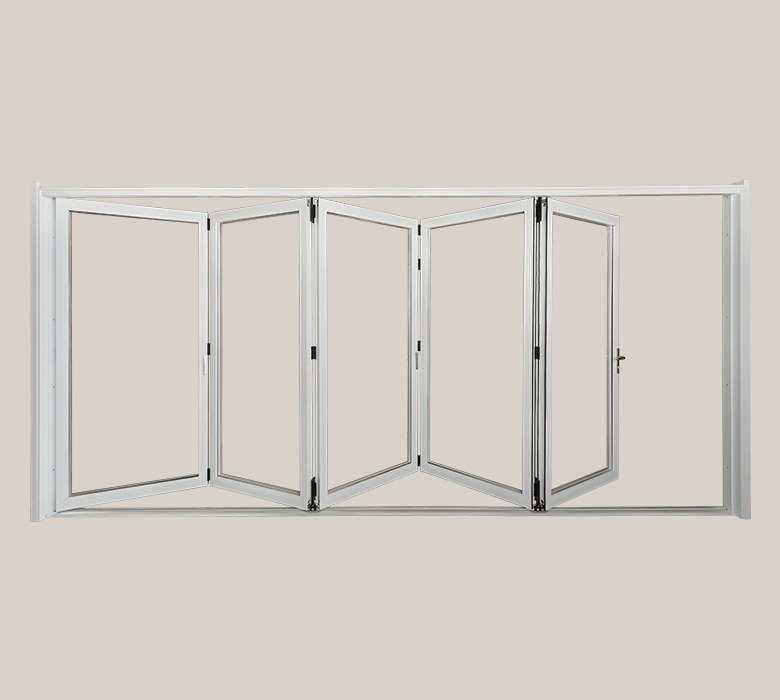
 WinDoor
Luxury aluminum impact windows and doors with industry-leading panel sizes and corner configurations.
9 impact models Manufacturing since 2001
Explore WinDoor
, for example, specializes in luxury high-rise applications with products rated up to +125/-150 PSF, well above what standard residential products achieve.
WinDoor
WinDoor
Luxury aluminum impact windows and doors with industry-leading panel sizes and corner configurations.
9 impact models Manufacturing since 2001
Explore WinDoor
, for example, specializes in luxury high-rise applications with products rated up to +125/-150 PSF, well above what standard residential products achieve.
Your contractor should perform a floor-by-floor, zone-by-zone analysis of the required design pressures and specify products accordingly. Using a product rated for a 4th-floor center-of-wall position on a 15th-floor corner unit is a code violation and a safety hazard.
Insurance for Condo Impact Windows
Insurance for condo owners works differently than for single-family homeowners, and the interaction between unit-owner policies and the association's master policy creates both complications and opportunities when it comes to impact windows.
HO-6 Policy vs. Master Policy
A condo unit owner carries an HO-6 policy, which covers the interior of the unit, personal property, and improvements or betterments made by the owner. The association carries a master policy that covers the building structure and common elements.
Which policy covers the windows depends on how your Declaration of Condominium classifies them:
- If windows are assigned to the unit owner: Your HO-6 policy covers them. You are responsible for insuring them, and any damage is a claim against your policy.
- If windows are common elements: The association's master policy covers them. Damage is a claim against the master policy, and the cost of replacement comes from association funds.
This distinction matters for insurance purposes. Make sure your HO-6 policy's coverage limits account for the value of your windows and doors if the declaration assigns them to you.
The Building-Level Wind Mitigation Problem
Here is where condo insurance gets complicated, and where building-wide impact window programs become especially valuable.
The wind mitigation inspection for a condominium evaluates the building, not individual units. When the inspector fills out the OIR-B1-1802 form, they are rating the entire structure. The opening-protection credit, worth 30-45% of the windstorm premium, requires that all openings in the building be protected.
If your building has 100 units and 95 have impact windows but 5 do not, the building does not qualify for the full opening-protection credit. The building receives the rating of its weakest link. Those five unprotected units cost every other owner in the building their insurance discount.
This is the single strongest financial argument for building-wide replacement programs. When every unit has impact windows and every opening is protected, the entire building qualifies for the maximum credit. In coastal South Florida, where condo insurance premiums can run $5,000 to $15,000+ per year for high-rise units, an opening-protection credit of 30-45% of the wind portion translates to meaningful savings for every owner.
Florida's average homeowners insurance premium was $14,140 in 2024. Condo premiums vary based on building type and location, but coastal high-rise units are among the most expensive to insure in the state. Every available discount matters.
Making the Case to Your Board
If your association is debating a building-wide window replacement program, the insurance argument is often the most persuasive. Calculate the total annual insurance savings across all unit owners if the building qualifies for the full opening-protection credit, then compare that to the cost of the project amortized over 20 years. In many coastal buildings, the insurance savings alone justify the investment, before accounting for energy savings, property value increases, noise reduction, and the actual hurricane protection.
Milestone Inspections and the Post-Surfside Reality
The collapse of Champlain Towers South in Surfside in June 2021 transformed how Florida regulates condominium buildings. The legislative response (SB 4-D and subsequent bills) created new requirements that are directly driving impact window replacement demand across the state.
25-Year and 30-Year Milestone Inspections
Florida now requires milestone structural inspections for condominium buildings of three or more stories:
- Buildings within 3 miles of the coast: First inspection at 25 years of age, then every 10 years thereafter
- Buildings more than 3 miles from the coast: First inspection at 30 years of age, then every 10 years thereafter
These inspections, conducted by a licensed engineer or architect, evaluate the structural integrity of the building, including the building envelope, which includes windows and doors. Buildings that fail to address identified deficiencies face serious consequences, including potential condemnation.
Structural Integrity Reserve Studies
Associations with buildings of three or more stories must now conduct structural integrity reserve studies and fully fund reserves for structural components. The critical change: associations can no longer vote to waive or reduce funding of reserves for structural items. Windows and doors that are part of the building envelope fall under this requirement.
For decades, many condo associations routinely voted to waive reserve funding to keep monthly assessments low. The post-Surfside reforms ended that practice for structural components. Buildings that deferred maintenance for years, including window replacement, now face the accumulated cost all at once.
This is why so many older coastal condos in Florida are currently undertaking or planning major window replacement projects. The combination of milestone inspections revealing aging windows, reserve study requirements mandating funding, and the inability to waive reserves is creating a wave of replacement activity that will continue for years.
Florida Markets with Heavy Condo Demand
Impact window replacement demand in condos is concentrated in coastal markets with older high-rise inventory. The specific requirements vary by location:
HVHZ Markets (Miami-Dade and Broward)
- Miami Beach, Sunny Isles Beach, Aventura, Bal Harbour: Design wind speed of 175 mph. All products must carry a Miami-Dade Notice of Acceptance (NOA). Dense concentration of 1960s-1990s high-rise condos now reaching milestone inspection age. See our pages on Aventura high-rise impact windows and impact windows in Miami Beach for the local specifics.
- Fort Lauderdale Beach, Pompano Beach, Hollywood: Design wind speed of 170 mph. NOA required. Heavy high-rise condo inventory along A1A.
Wind-Borne Debris Region Markets
- Boca Raton, Delray Beach, Palm Beach: Non-HVHZ but within the Wind-Borne Debris Region. Florida Product Approval (not NOA) is sufficient. Significant mid-rise and high-rise condo inventory.
- Clearwater Beach, St. Pete Beach: Design wind speeds of 140-150 mph. Major concentration of beachfront condos.
- Sarasota, Naples: Design wind speeds of 150-160 mph. Growing condo market with aging inventory.
The 25-year milestone inspection requirement for coastal buildings is particularly impactful in these markets, where many buildings constructed in the 1970s-1990s are now reaching or passing the inspection threshold.
What Condo Impact Windows Cost
Condo impact window pricing starts at the same per-unit level as single-family work, but several factors push the total cost higher.
Per-Window Pricing
The base cost per impact window in a condo is comparable to single-family pricing: $1,000 to $3,000 per window, depending on size, type, manufacturer, and performance rating. Sliding glass doors range from $3,000 to $8,000+ depending on configuration and size.
High-Rise Installation Premium
Installation in high-rise buildings costs 20-40% more than comparable single-family work due to:
- Freight elevator logistics and scheduling constraints
- Floor and common-area protection requirements
- Threshold building inspection costs (Special Inspector fees, affidavits)
- Limited work hours due to noise restrictions
- Material staging and debris removal logistics
- Higher design pressure requirements (more expensive products at upper floors)
Typical Condo Project Costs
| Unit Type | Openings | Estimated Installed Cost |
|---|---|---|
| 1BR condo (4-6 openings) | 4-6 windows | $6,000-$18,000 |
| 2BR condo (6-8 openings) | 6-8 windows | $10,000-$25,000 |
| 3BR condo (10-12 openings + balcony SGD) | 10-12 windows + sliding glass door | $20,000-$40,000 |
Building-Wide Bulk Discount
Building-wide replacement programs typically achieve 15-25% savings compared to individual unit pricing. For a 100-unit building, this can mean $200,000 to $500,000 in total savings across the project, money that stays in the association's reserves or reduces the special assessment for each owner.
For an accurate estimate based on your specific building, unit, and floor, request a free estimate. We will evaluate the design pressure requirements for your floor and exposure zone, identify products that meet both the code and your association's aesthetic standards, and provide a detailed proposal.
Frequently Asked Questions
Can my condo association stop me from installing impact windows?
No. Florida Statute 718.113(5) gives unit owners the right to install hurricane protection that meets or exceeds the building code. The association cannot refuse the installation. They can regulate color, style, and placement to maintain architectural uniformity, but they cannot deny the request outright. This is similar to the protections HOA homeowners have under Florida law.
Who pays for impact windows in a condo: the owner or the association?
It depends on your Declaration of Condominium. Most declarations assign windows to the unit owner, making them the owner's financial responsibility. Some declarations classify windows as common elements, making them the association's responsibility. Check your declaration or ask your property manager. The classification also determines which insurance policy (your HO-6 or the association's master policy) covers them.
Do upper-floor condos need different impact windows than lower-floor units?
Yes. Wind pressure increases with height. A window on the 15th floor experiences significantly higher wind loads than the same-size window on the 2nd floor. The Florida Building Code requires that products be rated for the specific design pressure at each floor and zone (corner vs. center of wall). Your contractor should specify products floor by floor, not use the same product throughout the building.
How long does the condo association approval process take?
Typically 30-90 days, depending on your association's review structure. Some associations with pre-approved product lists can process applications in two weeks. Others require committee review followed by full board approval. Start the process well before hurricane season to ensure you have approval and installed windows before the peak months.
What is a threshold building inspection, and does my condo need one?
A threshold building inspection is required under Florida Statute 553.79 for buildings of three or more stories. It requires a licensed Professional Engineer to serve as Special Inspector during construction activities (including window replacement on the 3rd floor and above). Threshold Affidavits #1 through #4 must be completed at various project stages. This adds cost but is a non-negotiable requirement for structural safety.
Will my insurance go down if I install impact windows in my condo?
It depends on the building, not just your unit. The wind mitigation inspection evaluates the entire building. If every opening in the building is protected with impact-rated products, the building qualifies for the full opening-protection credit (30-45% of the wind premium). If even a few units lack protection, the building gets the weaker rating. This is why building-wide programs are so valuable: complete coverage unlocks credits for every owner.
What is the My Safe Florida Condominium Pilot Program?
The My Safe Florida Condominium Pilot Program provides grants of up to $175,000 per association for hurricane mitigation improvements. It targets buildings of 3+ stories with 2+ units within 15 miles of the coast. The program has $30 million in funding. HB 393 reduced the unit-owner voting threshold from 100% to 75%, making participation more practical for large buildings.
Are the post-Surfside reserve requirements forcing condo associations to replace windows?
Not directly, but effectively yes in many cases. The structural integrity reserve study requirement means associations must fund reserves for building envelope components, including windows and doors. Associations can no longer vote to waive these reserves. Combined with 25/30-year milestone inspections that often identify aging or non-compliant glazing, many associations that deferred window replacement for decades are now compelled to address it. The Florida Division of Condominiums oversees compliance with these requirements.
Next Steps
Whether you are a unit owner planning an individual window replacement or a board member evaluating a building-wide program, the path forward starts with understanding your specific building's requirements.
For unit owners:
- Review your Declaration of Condominium to determine whether windows are your responsibility or the association's.
- Contact your association's property manager to request any pre-approved product lists or architectural review guidelines.
- Request a free estimate so we can evaluate the design pressure requirements for your specific floor and exposure, identify code-compliant products that meet your association's aesthetic standards, and prepare the specification package for your architectural review submission.
For association boards and property managers:
- Review your most recent milestone inspection report and structural integrity reserve study for window-related findings.
- Determine whether a building-wide replacement program makes sense based on the age and condition of existing windows, insurance implications, and reserve funding status.
- Contact us for a building-wide assessment. We will survey the building, calculate floor-by-floor design pressure requirements, prepare product specifications, and provide a comprehensive proposal that your board can evaluate alongside your reserve study and insurance analysis.
The combination of post-Surfside reserve reforms, milestone inspection requirements, and the insurance benefits of complete opening protection means that condo window replacement in Florida is no longer a matter of if—for most coastal buildings, it is a matter of when. Starting the process proactively, with accurate information and proper planning, produces better outcomes and lower costs than waiting for an inspection finding or an insurance non-renewal to force the issue.