
Hurricane windows and impact windows are the same product. Same laminated glass, same reinforced frames, same testing, same certifications, same insurance treatment. The difference between the two phrases is who is talking: contractors, building departments, and the Florida Building Code say "impact"; homeowners searching after a storm say "hurricane."
The difference that actually matters sits one level down. Several products that sound like hurricane windows are not: storm windows, hurricane window film, tempered-only glass. Buying one of those when you need opening protection is an expensive mistake, and it happens.
Here is one way to see how little the naming means. We ran a census across our catalog database: of the 489 active products we track, only 32 use "hurricane" in the product name, and all 32 come from just two lines (CWS Hurricane Guard and Pella HurricaneShield). The other 93% are named "impact" or carry a brand name like WinGuard. Behind all of them sit 507 active certifications, 85 Miami-Dade NOAs and 422 Florida Product Approvals, and "hurricane window" is not a certification category in either system. The paperwork says impact-resistant glazing, missile level, design pressure.
This guide sorts every term you'll meet, walks through the comparisons people usually mean when they ask this question, and covers cost, pros and cons, and how to verify you're getting the real thing.
One Product, Two Names
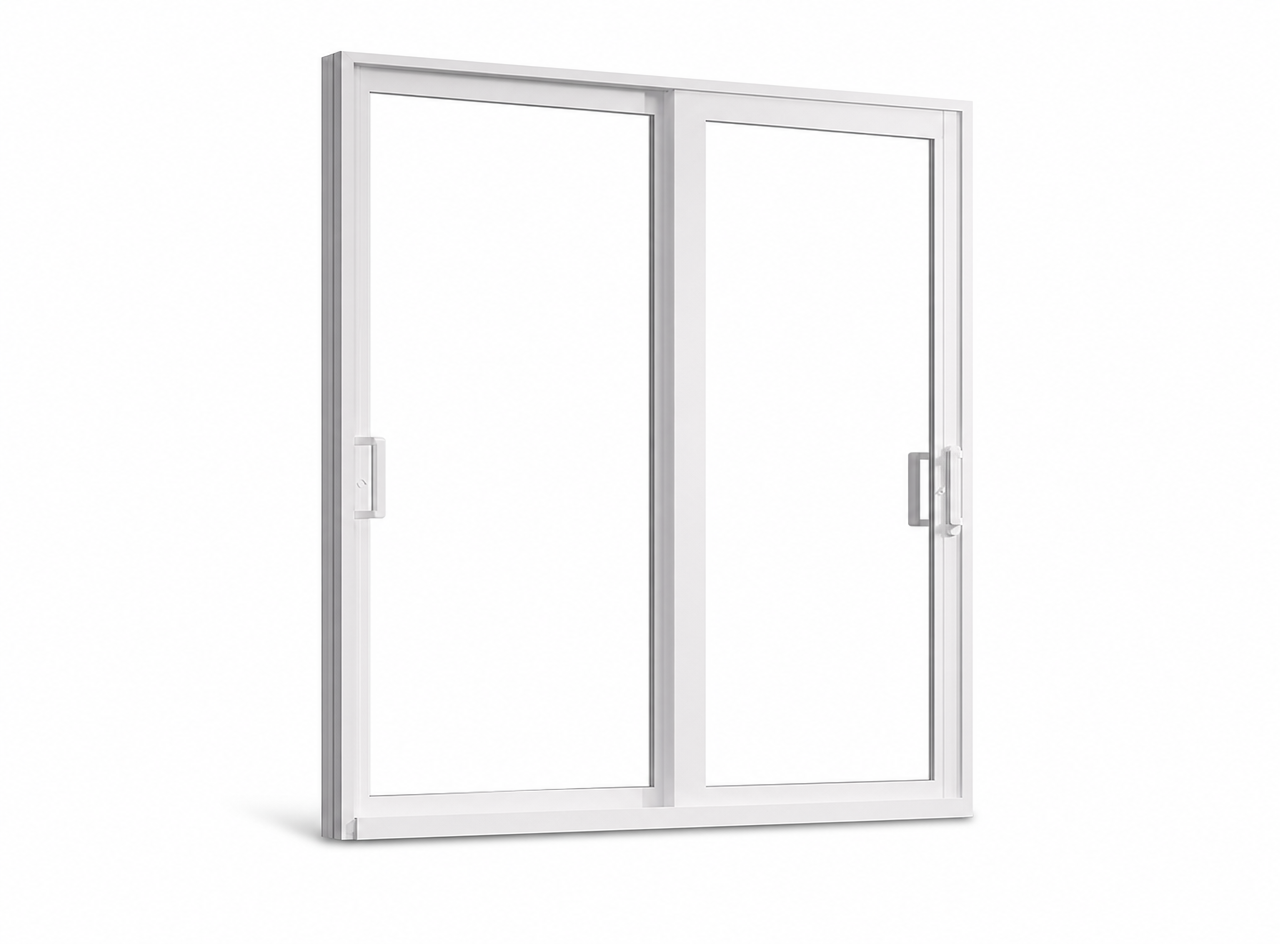
"Impact windows" is the industry's term. Manufacturers, installers, building departments, and product-approval databases use it because it names the engineering: the window resists the impact of wind-borne debris. PGT
 PGT
PGT Custom Windows & Doors
America's largest impact window and door manufacturer, with 45 years of Florida-specific engineering.
Miami-Dade NOA / HVHZ approved 57 models across 7 product lines
Explore PGT
's flagship line is called "WinGuard," but the category is "impact windows" in every technical document and approval filing.
PGT
PGT Custom Windows & Doors
America's largest impact window and door manufacturer, with 45 years of Florida-specific engineering.
Miami-Dade NOA / HVHZ approved 57 models across 7 product lines
Explore PGT
's flagship line is called "WinGuard," but the category is "impact windows" in every technical document and approval filing.
"Hurricane windows" is the homeowner's term. It names the reason you're buying: hurricanes. Consumer media and search behavior lean this way, which is why sales pages often say "hurricane impact windows," a redundant merge of both.
"Impact-resistant windows" is the formal language of the Florida Building Code. FBC Section 1609.2 speaks of "impact-resistant coverings" and "impact-resistant glazing." That wording flows through product approvals, permit applications, and engineering specs.
All three describe laminated glass bonded to a polymer interlayer inside a reinforced frame, tested by firing a 9-lb 2x4 at 50 feet per second and then cycling the cracked specimen through 9,000 alternating pressure loads, and certified under ASTM E1996/E1886 statewide or TAS 201/202/203 in the High-Velocity Hurricane Zone.
Every Term You'll Hear, Sorted
Same Product, Different Name
| Term | Used by | Notes |
|---|---|---|
| Impact windows | Industry, contractors, codes | Standard professional term |
| Hurricane windows | Homeowners, consumer media | Most common consumer phrasing |
| Hurricane impact windows | Marketing, some manufacturers | Redundant merge, widely used |
| Impact-resistant windows | Florida Building Code | Formal code language |
| Hurricane-rated windows | Insurers, real estate agents | Points at the certification |
| Impact-rated windows | Technical specifications | Points at the testing |
| High-impact windows | Some marketing materials | Less common, same meaning |
| Hurricane glass windows | Consumer searches | Points at the glass |
Different Products (Not the Same)
| Term | What it actually is | Why it's different |
|---|---|---|
| Storm windows | Secondary windows for thermal performance | Not impact-rated. Built for cold climates, mounted over existing windows for insulation |
| Hurricane-proof windows | Marketing phrase for impact windows | No window is "proof" against every scenario. The accurate word is resistant |
| Hurricane window film | Adhesive polyester film on existing glass | Does not meet Florida Building Code and does not stop debris penetration |
| Tempered glass | Heat-treated safety glass | Stronger than standard glass but not laminated. Shatters into granules and gives up the building envelope |
| Security glass | Forced-entry-resistant products | May or may not be hurricane-rated. Check for a Florida Product Approval before assuming |
| Laminated glass (generic) | Any glass with an interlayer | Impact windows use laminated glass, but not all laminated glass passes hurricane impact testing |
The Storm-Windows Trap
This one causes real-world problems. In northern states, "storm windows" are secondary panels mounted over existing windows to cut heat loss in winter. They have nothing to do with hurricanes.
If a Florida contractor says "storm windows," make them define it. If they mean impact-resistant windows tested to ASTM E1996/E1886 or TAS 201/202/203 with a Florida Product Approval or Miami-Dade NOA, good. If they mean thermal secondary windows, that product fails Florida's opening-protection code, fails inspection, and earns no wind mitigation insurance credit.
The "Hurricane-Proof" Problem
No window is hurricane-proof. The phrase implies a guarantee no building product can honor. A Category 5 storm brings 157+ mph sustained winds, embedded tornadoes, and storm surge that can damage any structure.
What impact windows deliver is hurricane resistance: keeping the building envelope closed under tested debris strikes and pressure cycling, which prevents the internal pressurization cascade behind the worst structural failures. Treat "hurricane-proof" in an ad as a red flag about the seller, not a promise about the glass.
The Comparison People Usually Mean: Impact vs Standard Windows
When homeowners ask about "hurricane windows vs impact windows," the practical question underneath is usually "what separates these from the regular windows I have now?" That difference is large:
| Standard windows | Impact windows | |
|---|---|---|
| Glass | Single or dual pane, annealed or tempered | Laminated: two panes bonded to a PVB or ionoplast interlayer |
| After a debris strike | Breaks open; wind and rain enter | Cracks but stays sealed in the frame |
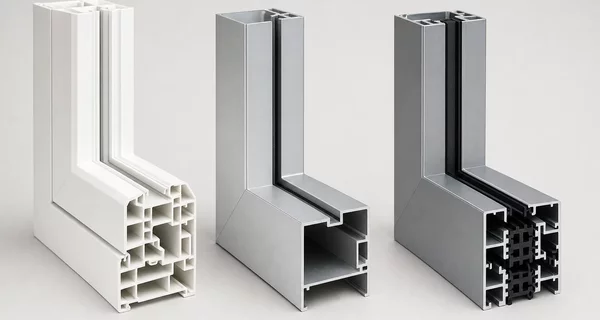
| Frame | Light aluminum or vinyl | Reinforced profiles, multi-point locks, heavier hardware |
| Testing | None for impact | 9-lb 2x4 at 50 fps, then 9,000 pressure cycles |
| Code standing in WBDR/HVHZ | Needs shutters or other approved protection | Approved opening protection on its own |
| Insurance | No opening-protection credit by itself | Qualifies for wind mitigation credits when all openings are protected |
| Everyday extras | Baseline | Quieter interiors, 99%+ UV block from the interlayer, better forced-entry resistance |
Two related comparisons get their own guides: impact windows vs hurricane shutters covers the protection-method decision, and window operating styles covers which window types the product comes in.
Pros and Cons of Impact Windows
Whatever name they're sold under, the tradeoffs are the same.
What you gain:
- Permanent protection. Nothing to deploy, no ladders before a storm, protection that works when you're out of town.
- Insurance savings. Opening-protection credits reduce the windstorm portion of premiums; the discount depends on county, carrier, and protecting every opening. How the credits work.
- Quiet. Laminated glass reaches STC ratings of 32-40 against 26-28 for standard single-pane.
- UV block. The interlayer stops 99%+ of UV, which slows fading of floors and furniture.
- Security. The same laminate that stops a 2x4 resists smash-and-grab entry.
- Energy performance. Insulated impact glass with Low-E coatings meets ENERGY STAR southern-zone criteria in many configurations.
What you accept:
- Price. This is a structural product, priced like one; see the cost section below.
- Lead times. Impact units are made to order; measure-to-install commonly runs several weeks to a few months depending on manufacturer.
- Weight. Heavier sashes and panels; large sliders need engineered rollers and occasional adjustment.
- Repairs cost more. A cracked laminated pane holds together, but replacing it costs more than replacing standard glass.
- Not invincible. The rating covers wind pressure and debris, not storm surge, and not every possible tornado embedded in a major hurricane.
What Hurricane Windows Cost (Same as Impact Windows)
Because the two names describe one product, there is no price difference between "hurricane windows" and "impact windows." Anyone quoting one price for the first and another for the second is describing two product tiers, not two products.
Across the 177 window products in our catalog with per-window installed pricing, typical installed cost runs about $1,100 to $2,700 per window. Small standard units start near $490 installed, and large architectural units run well past $10,000. Frame material, glass package, size, and floor height move the number.
For a figure matched to your opening count and zip code, use the impact windows cost calculator, or see costs by county. If the budget is the obstacle, financing options and the My Safe Florida Home program both apply to this product category regardless of which name it's sold under.
How the One Product Works
The laminated glass is two sheets of glass bonded to a polymer interlayer (PVB or ionoplast/SentryGlas) at roughly 280 degrees F and 180 PSI in an autoclave. When debris hits, the outer pane cracks and the interlayer absorbs the energy by stretching. The cracked panel stays sealed in the frame, keeping wind out of the structure.
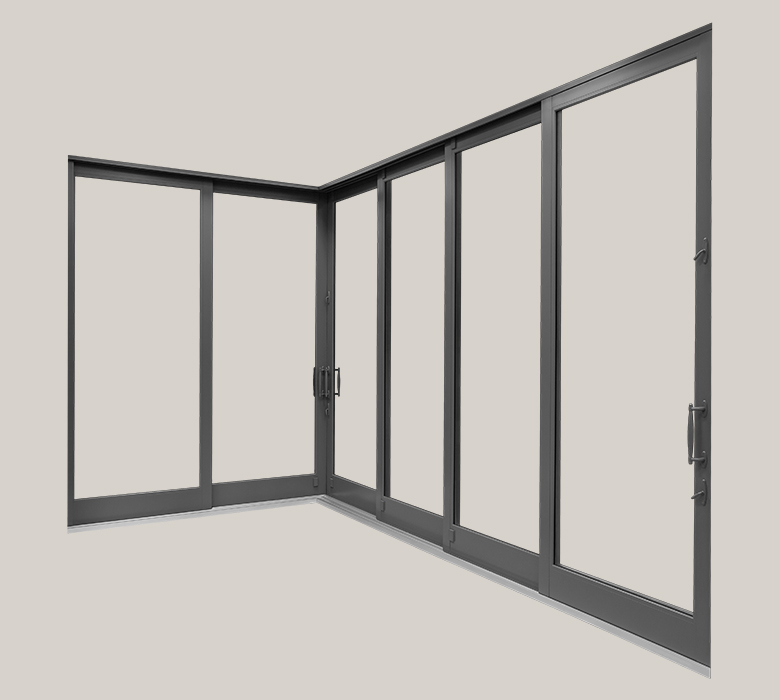
The reinforced frame (aluminum or vinyl) holds that glass under sustained wind load. Design pressure ratings run from DP +/-50 PSF for standard residential up to +125/-150 PSF for products like the WinDoor 8100 SGD
 WinDoor
 8100 Sliding Glass Door
Flagship aluminum sliding glass door with one of the industry's largest certified panel sizes (up to 60 by 144 inches). 2 through 5 tracks, corner geometries at 90 or 135 degrees.
HVHZ approved for South Florida Design pressure +100/-100 psf
See sliding glass door details
built for high-rise exposure.
WinDoor
WinDoor 8100 Sliding Glass Door
Flagship aluminum sliding glass door with one of the industry's largest certified panel sizes (up to 60 by 144 inches). 2 through 5 tracks, corner geometries at 90 or 135 degrees.
HVHZ approved for South Florida Design pressure +100/-100 psf
See sliding glass door details
built for high-rise exposure.
The hardware finishes the system: multi-point locks, heavy-duty rollers, and reinforced operators that keep the seal under loads standard hardware cannot hold. Performance ratings, decoded.
Will They Hold in a Category 5?
The testing does not carry a category label, so here is the honest translation. Certification proves two things: the glazing survives a 9-lb 2x4 strike at 50 feet per second, and the cracked assembly then survives 9,000 alternating pressure cycles at its rated design pressure. Products are engineered and approved opening-by-opening for the wind loads at your address, height, and exposure, which in South Florida means design wind speeds in the 170-180 mph range for many coastal sites.
Field evidence backs the system. After Hurricanes Helene and Milton in 2024, a 358-structure assessment found zero homes built to the modern Florida Building Code destroyed.
The honest limits: storm surge is a flood load no window rating covers, and an EF-3 tornado embedded in a major hurricane can exceed any residential rating. That is why the accurate claim is resistance under tested conditions, not "proof."
What to Check Before You Buy
Whatever the sticker says, verify the product underneath:
 PGT · WinGuard Aluminum Series
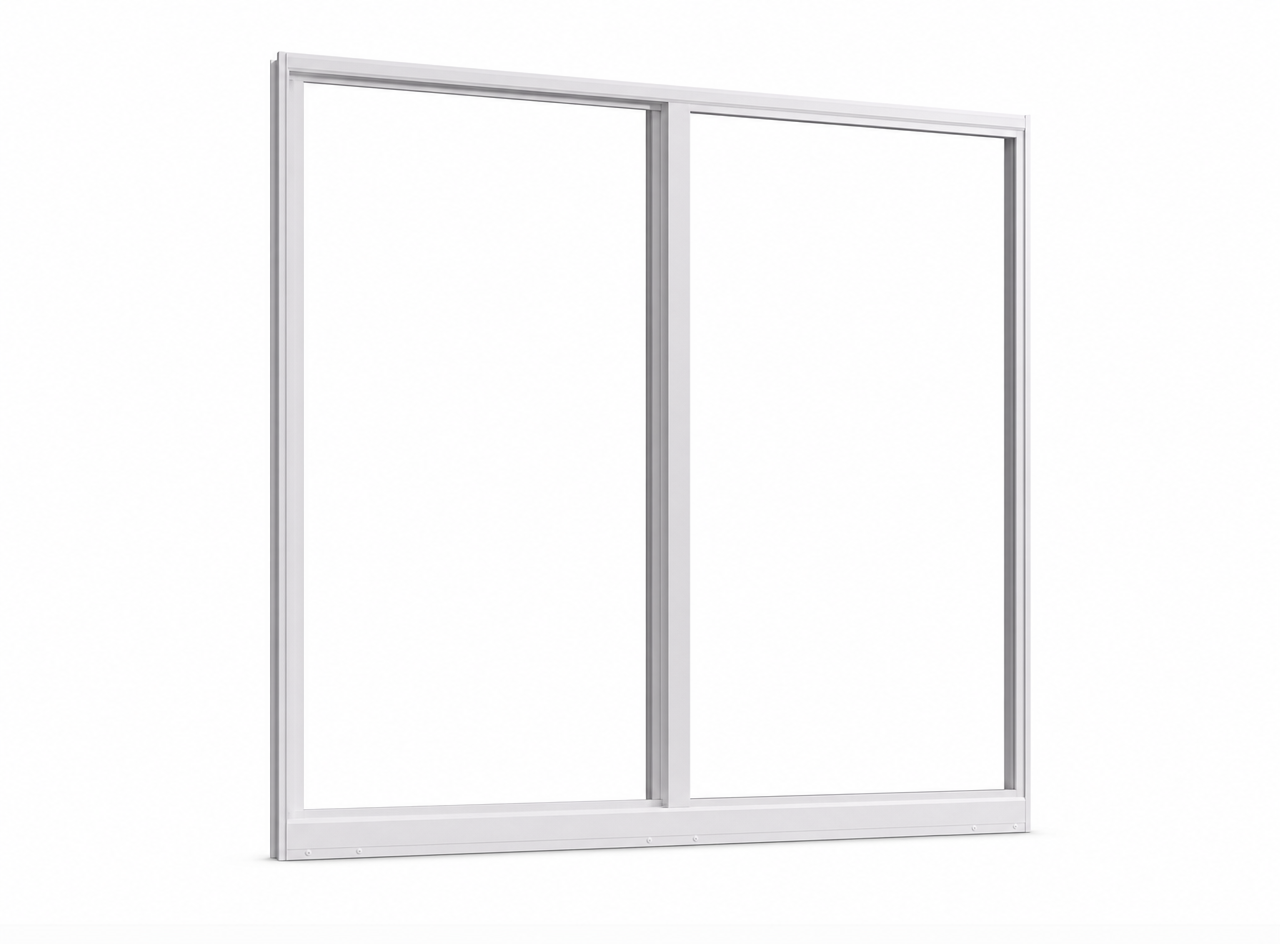
PGT WinGuard Aluminum Horizontal Roller HR7710A
Aluminum impact horizontal roller on the WinGuard 7700-series frame, opening side-to-side for wider residential openings. Diamond Glass, LMI for HVHZ.
 ECO · Eco-Guard Horizontal Rolling Series
Eco-Guard Horizontal Rolling Series 60
Entry 2-panel aluminum impact roller, 2-1/8 in. frame, +55/-60 psf, LMI for HVHZ.
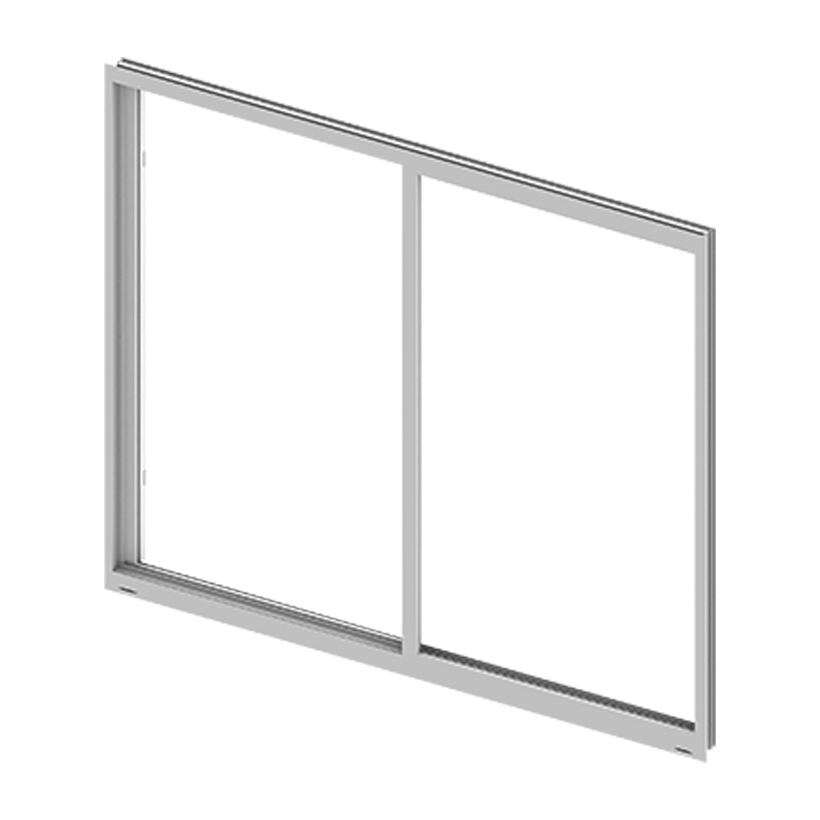
 ES Windows · Elite Series
ES Windows Elite ES-EL200 Sliding Window
Aluminum impact horizontal slider in XO, OX, and XOX configurations on a 2-15/16 inch frame. Polyamide rollers with needle bearings.
Product approval. Every unit needs a Florida Product Approval (statewide Wind-Borne Debris Region) or a Miami-Dade NOA (HVHZ). Ask for the approval number and check it at the Florida Product Approval System or Miami-Dade Product Control.
Design pressure (DP) rating. The unit must meet the engineering requirement for your specific opening. Your installer calculates this; don't accept a product that falls short of it.
Impact test level. Large missile (the 9-lb 2x4) applies below 30 feet; small missile (steel ball bearings at 130 fps) applies above. The HVHZ adds stricter tear tolerances and additional structural shots.
Energy ratings. U-factor and SHGC on the NFRC label tell you how the unit performs in Florida heat. Insulated impact glass with Low-E coatings can meet ENERGY STAR southern-zone criteria.
Frame material. Aluminum vs vinyl drives cost, energy performance, structural capacity, and HVHZ availability.
Next Steps
- Get a free estimate for impact windows (the same product as "hurricane windows") matched to your wind zone and budget.
- Confirm whether your address requires impact protection and which approval type applies.
- Price your project with the cost calculator.
- Weigh the alternative in our impact windows vs hurricane shutters guide.
- Check eligibility for My Safe Florida Home grants and financing.