
The My Safe Florida Home grant is the largest hurricane-hardening subsidy available to Florida homeowners, and impact windows and doors are among the improvements it funds most often. It is also smaller than a whole-home window project in most houses, which means the homeowners who get the most from it are the ones who plan the spend before the grant offer arrives.
This guide covers the window-specific rules: which products qualify, what the money realistically covers, how the state's insurance-credit structure should shape your priorities, and how the reimbursement sequence works. For program-wide rules, start with our complete My Safe Florida Home guide; for the portal mechanics, see the application walkthrough.
What the Grant Will Fund on the Opening Side
Grant money follows your program inspection report. If the free wind-mitigation inspection recommends opening protection, these improvements are eligible:
- Impact-rated windows
- Impact-rated exterior doors, including sliding glass doors and French doors
- Impact-rated or reinforced garage doors
- Hurricane shutters and other approved opening protection
The program does not fund improvements the inspection did not recommend, and it does not fund like-for-like replacement of already-protected openings. If your 2005 home already has shutters on every window, expect the report to point the money at your roof instead.
The scope-lock rules, precisely
The program's Homeowner's Guide states the controlling rule plainly: only improvements recommended by the inspector in the Initial Inspection Report, and later observed complete by the final inspector, are eligible for funding. In practice:
- You cannot add openings later. An opening the report did not flag stays ineligible even if the crew is already on site. Installing fewer than recommended is allowed; the reimbursable scope simply shrinks to what the final inspector observes.
- Already-protected openings cannot be traded up. A home with compliant shutters cannot use grant money to swap them for impact glass; the program treats that as exchanging one approved protection for another, and denies it.
- Unprotected openings can go either way. Where the report recommends opening protection, impact windows and shutters are both eligible forms of the same improvement, which is what makes the mixed strategy below work.
- The model is not locked, the openings are. If a quoted product is discontinued or unavailable at order time, substituting an equivalent unit is routine, as long as the substitute carries a current Florida Product Approval or Miami-Dade NOA and protects the same openings at a compliant impact rating. The paper trail follows the openings and ratings, not the brand name.
Product requirements
Florida requires window and door products installed in permitted work to carry state Florida Product Approval or a Miami-Dade Notice of Acceptance (NOA), matched to your wind zone. In the High-Velocity Hurricane Zone (Miami-Dade and Broward), the NOA is the standard. This is not a grant-specific hurdle; it is the building code, and any legitimate installer handles the paperwork as part of the permit. It does mean bargain products without Florida approval documents cannot be used in grant work, whatever an online listing claims. Our HVHZ explainer covers the zone rules.
What $10,000 Actually Covers
Installed impact windows in South Florida run $1,000-$2,000 per standard opening, with large sliders and specialty shapes above that. Set against the grant:
| Scenario | Budget | Typical coverage |
|---|---|---|
| Low-income, no match | $10,000 | 5-7 standard windows, or a garage door plus entry door and 2-3 windows |
| Moderate-income, $5,000 in | $15,000 | 8-12 openings; whole-home on some townhomes and smaller houses |
| Moderate-income, more in | $10,000 state cap + your funds | Whole-home projects with the grant as a fixed discount |
Full pricing by product and county is in our impact windows cost guide and county-by-county cost breakdown.
Where a given opening lands inside that $1,000-$2,000 band depends on things a phone estimate cannot see: opening size and shape, second-story access, whether the frame sits in block or wood, stucco repair after the old frame comes out, and local permit costs. This is why grant applicants should insist on a measured, written quote rather than a per-window guess multiplied by a window count. The program reimburses documented invoices against an approved scope, and a quote that survives contact with the actual house is the one that keeps the paperwork clean.
The honest framing: on a typical 12-16 opening home, the grant alone is a partial retrofit. That is still a meaningful outcome, and the program counts it as success. But partial retrofits interact badly with one insurance rule that deserves its own section.
Spending Strategy: Protection First, Credits Second
Florida's wind-mitigation insurance credits treat opening protection as all-or-nothing. The large "hurricane protection" premium credit generally applies only when every opening (windows, doors, garage door, skylights) carries rated protection. Protect 7 of 14 openings and your home is safer, but the biggest credit does not trigger. The mechanics are covered in our guides to impact window insurance savings and the OIR-B1-1802 form.
That rule produces three sound strategies for a grant-sized budget:
Strategy 1: Whole-home with mixed protection. Impact windows on the openings that matter most for daily life (egress, visibility, noise, the ones you would board up first) and code-approved shutters or panels on the rest. Mixed protection still completes the all-or-nothing requirement, so the credit triggers, and shutters cost a fraction of glass. This is often the highest-return use of exactly $10,000-$15,000.
Strategy 2: Grant plus financing to finish the glass. Use the grant as a down payment on a whole-home impact window project and finance the remainder. The premium credit plus the elimination of shutter labor every storm season offsets part of the payment, and the projects we see clear this math most often on homes already facing a reroof or insurance renewal shock. Our financing guide runs the numbers.
Strategy 3: Partial now, complete later. Take the 5-7 highest-priority openings now (typically the big sliders and the windward face), then finish in a later phase. You forgo the all-or-nothing credit until complete, but the free inspection has already documented your other features, and about 49% of program participants report discounts averaging near $981 per year from inspection findings alone.
Which strategy wins depends on your opening count, premium, and cash position. Bring your inspection report to a free estimate and price all three before you sign your grant paperwork; the approved scope should match the strategy.
A Worked Example: The 14-Opening Home
Numbers make the strategy choice concrete. Take a 1998 single-story home in Broward County: 11 windows, one sliding glass door, one entry door, one two-car garage door. Moderate-income tier, so $5,000 of homeowner money unlocks the $10,000 match for a $15,000 budget.
Mixed protection (Strategy 1). Impact glass where it changes daily life: the sliding door ($3,500-$5,500 installed), the entry door ($2,500-$4,000), and the three front-elevation windows ($4,000-$5,500). Accordion shutters on the remaining eight windows ($2,500-$4,000) and a rated garage door or bracing (~$2,500-$4,500). Total lands in the $15,000-$19,000 range: the grant budget covers most of it, every opening ends up protected, and the all-or-nothing credit triggers at the next insurance renewal.
All glass, financed (Strategy 2). Whole-home impact windows and doors on this house price in the $22,000-$32,000 range. The $10,000 grant works as a fixed discount, and the financed remainder runs against a premium reduction that Florida homeowners in the program report averaging near $981 per year, plus the end of shutter installation every warning cone.
Phased glass (Strategy 3). The $15,000 covers the sliding door, entry door, and 5-6 windows now. The home is meaningfully harder to breach, but with eight openings bare, the big credit waits for phase two.
Same house, same grant, three different five-year cost curves. The reason we push homeowners to price all three before signing the grant scope: the approved improvement list is what the program reimburses against, and changing strategy after approval means amending paperwork while your window slot ages.
Where the Garage Door Fits
One more window-adjacent note, because inspection reports flag it constantly: the garage door is the largest single opening on most Florida homes, and a failed garage door is a catastrophic pressurization event, the failure mode that peels roofs. Impact-rated garage doors run $2,500-$6,000 installed depending on size and wind rating, which makes the garage door the cheapest large-opening protection per square foot on the list. When a grant budget cannot stretch to every window, covering the garage door and the big glass first is usually the engineering-correct order. Our hurricane garage doors guide covers ratings and bracing options.
The Rules That Protect Your Reimbursement
The grant pays for completed, verified work, and the deadlines around it are hard-edged. Six rules keep the money safe:
- No work before written approval. No contract deposits, no permits, no ordering windows. Per the Homeowner's Guide, you may not perform any work, sign with a contractor, or purchase materials before the approval email, and work started early is denied with no exceptions. This rule ends more applications than any other.
- The 60-day contractor window. Grant approval starts a 60-day clock to complete the Contractor Confirmation step with your chosen installer. Miss it and the case is administratively closed; closed cases cannot be reopened, and you start over in a future cycle. Have your contractor selected and quotes current before the approval arrives.
- The 1-year completion deadline. You must request the program's final inspection within one year of grant approval. One 6-month extension is available, and it must be requested before the year runs out, not after.
- Licensed Florida contractor, your choice. Any properly licensed Florida contractor qualifies; the program's old authorized-contractor list was discontinued in mid-2024. Treat any company still advertising itself as "MSFH-approved" or "on the program's contractor list" as a red flag, because no such list exists. Verify the actual license at MyFloridaLicense.com.
- Permit closed before final inspection. The work must be permitted, pass your local building department's final, and have the permit formally closed out before you request the program's final inspection. An open permit stalls everything behind it.
- One final inspection, total. The program grants each homeowner exactly one final-inspection request. It must happen after every recommended item is installed and the punch list is zero, because nothing can be added or re-inspected afterward.
How the money actually moves
The payment mechanics differ by tier, and this is the single most misunderstood part of the program:
- Low-income grants are paid by the program directly to your contractor. You do not front the money, and you are exempt from the paid-in-full documentation the matching track requires.
- Matching (moderate-income) grants are pure reimbursement. You pay the contractor the full project amount on the normal schedule, then submit the draw request; the state's share comes back to you afterward by mailed check, to the mailing address you verify in the portal, so make sure it is one where a paper check reliably reaches you. On a clean file, homeowners typically see the check about 4-6 weeks after requesting the final inspection; files that draw an information request run 8-12 weeks. If that bridge is uncomfortable, arrange financing before you contract rather than mid-project.
- The match runs on total project cost. The statutory formula in section 215.5586 is $2 of state money per $1 of yours, up to $10,000 of state funds, computed on the whole project (product, labor, permit fees, disposal). A $15,000 project hits the cap exactly; a $9,000 project draws $6,000 of state money, not $10,000.
- Keep grant work on its own contract. An invoice mixing grant-eligible openings with unrelated remodeling can flag the entire draw. Concurrent non-grant work belongs on a separate agreement.
- One paperwork trap worth flagging early: the draw request asks for proof you requested your insurance discount, dated after the final inspection report. A helpful agent who sends the new quote while the job is still in progress creates a document the program will not accept; ask for it again after the final inspection clears.
What Installers Wish Every Grant Applicant Knew
We install grant-funded openings across South Florida every season, and the same handful of process facts would save applicants weeks if they arrived knowing them.
Quotes are free and approvals are slow, so get quoted early and often. A written quote does not violate the start-work rule; contracts, deposits, and permits do. The applicants who move fastest hold two or three current quotes when the approval email lands.
Window pricing has a shelf life. Aluminum and glass costs move, and most installers honor quotes for 30-60 days. If your quote is eight months old at approval, expect a refresh, and build that into the grant scope rather than discovering it at contract.
The approval paperwork should match the quote line for line. The program reimburses the approved scope. If the quote says nine openings and the approval says seven, the two orphaned openings are yours alone; reconcile before signing anything.
Product approval documents are the installer's job, but verifying them is cheap insurance. Every window and door in the scope should trace to a current Florida Product Approval or Miami-Dade NOA number on the quote. An installer who cannot produce those numbers on request is a red flag on any project, grant or not.
What the Grant Does to Project Timing
Add the program's clock to your project plan. Applications move through the queue by tier (low-income 60+ first), inspections happen in scheduled groups, and grant offers follow funding availability. Historically that meant 4-6 months for priority applicants and 8-12 for typical ones; the June 2026 budget's $405M+ carry-forward for the backlog should improve those numbers this cycle.
The practical move while waiting: get your quotes now. Window lead times run 4-8 weeks for common configurations after ordering, and permit review adds weeks depending on your municipality. An applicant with a contractor selected and a quote in hand converts a grant approval into installed protection a full season earlier than one who starts shopping at approval. During hurricane season that difference is not academic.
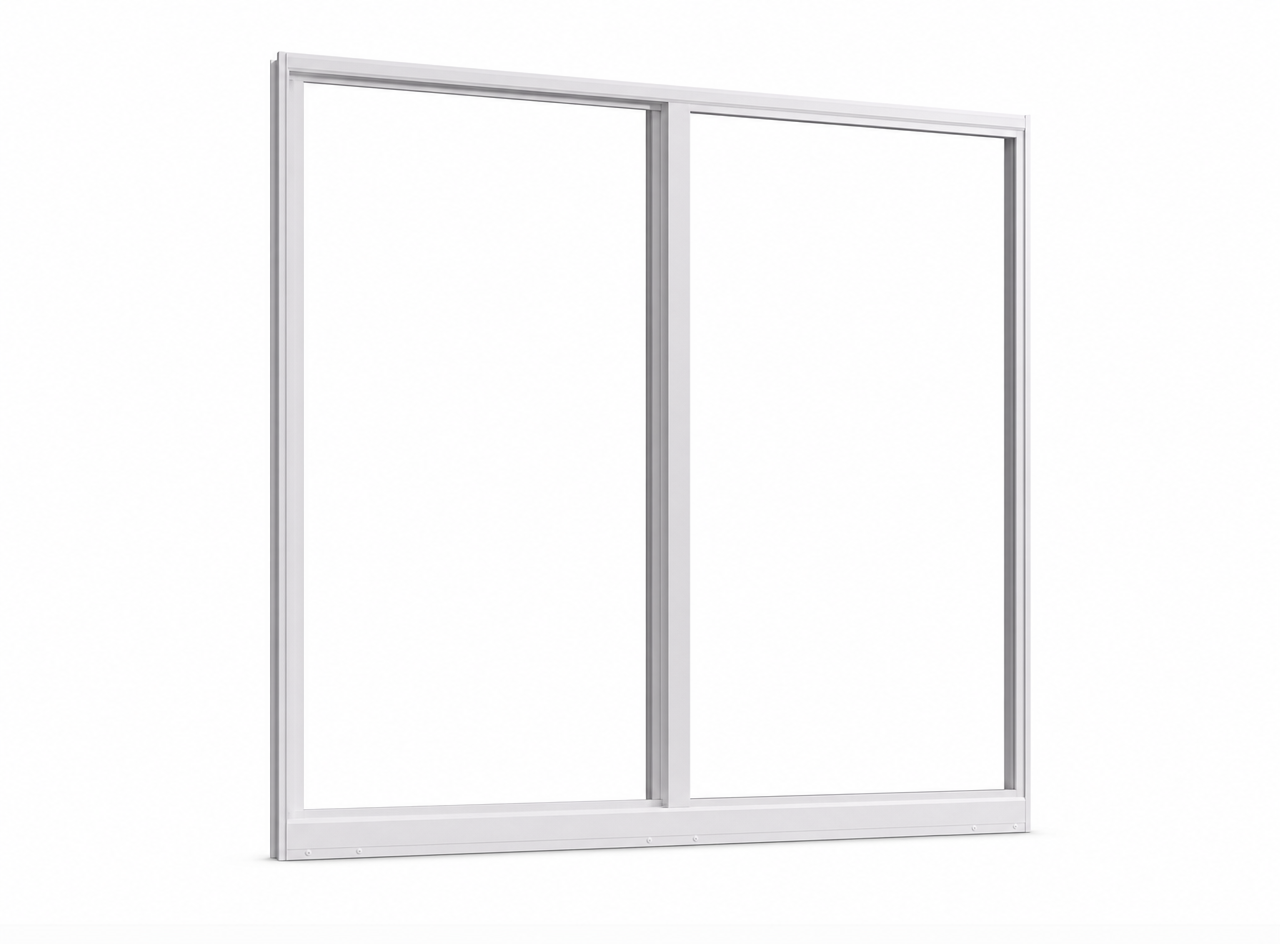
 PGT · WinGuard Aluminum Series
PGT WinGuard Aluminum Horizontal Roller HR7710A
Aluminum impact horizontal roller on the WinGuard 7700-series frame, opening side-to-side for wider residential openings. Diamond Glass, LMI for HVHZ.
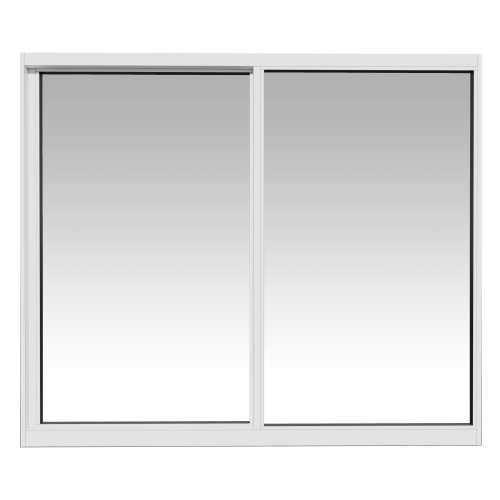
 ECO · Eco-Guard Horizontal Rolling Series
Eco-Guard Horizontal Rolling Series 60
Entry 2-panel aluminum impact roller, 2-1/8 in. frame, +55/-60 psf, LMI for HVHZ.
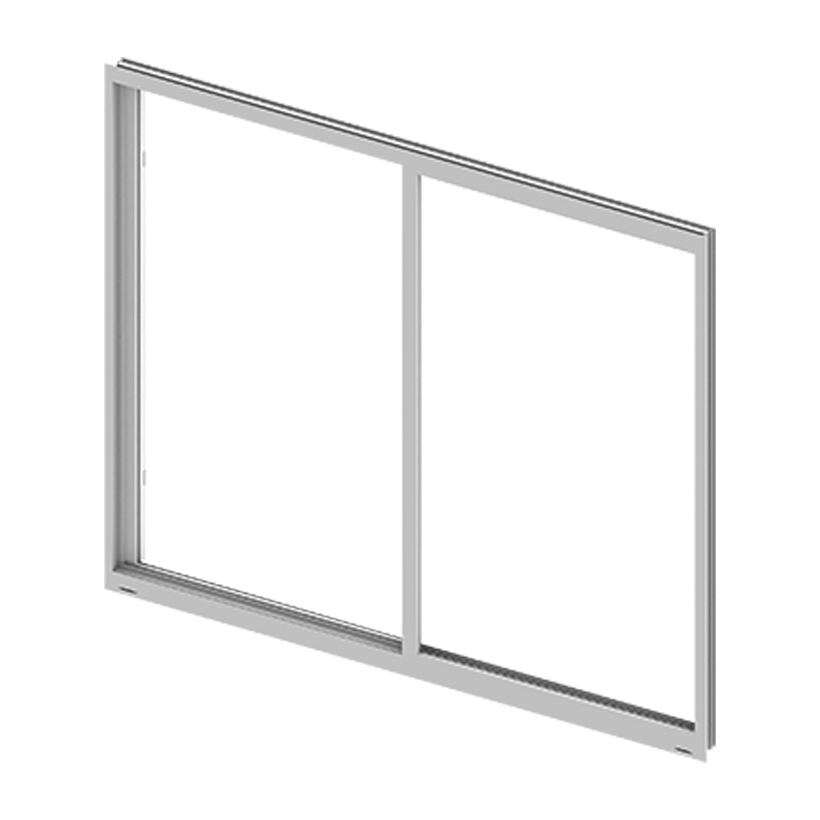
 ES Windows · Elite Series
ES Windows Elite ES-EL200 Sliding Window
Aluminum impact horizontal slider in XO, OX, and XOX configurations on a 2-15/16 inch frame. Polyamide rollers with needle bearings.
Next Steps
- Read your inspection report's recommended improvements and count your total openings, protected and not.
- Price all three strategies (mixed protection, grant-plus-financing, phased) with a free estimate.
- Verify your contractor's license at MyFloridaLicense.com and confirm they know the program's approval-before-work rule.
- Line up financing if you are bridging a 2-to-1 match or finishing the whole home.
- Keep the sequence straight with our application walkthrough, and check your tier in the income limits guide.