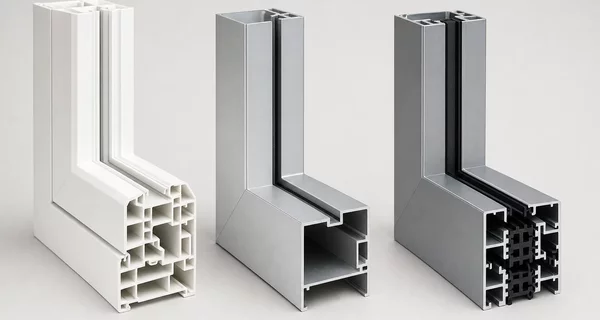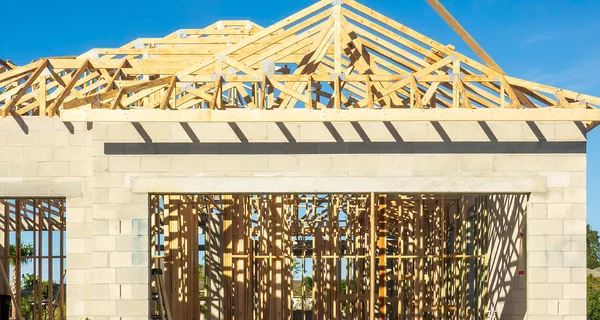


Impact window types matter more than most homeowners expect. The operating style you choose changes the wind rating, the air tightness, the price, and even whether a window is legal to put in a bedroom. Two units with the same brand and the same glass can perform very differently because one is a casement and the other a single-hung.
This guide compares the main impact window styles for a Florida home. We install every type from several manufacturers, so the goal is to help you match the style to the room and read the trade-offs honestly, not to steer you toward one shape.
The One Idea That Explains the Ratings: How the Window Seals
Before the individual styles, one principle explains most of the differences you will see on a spec sheet. It comes down to how the window seals against wind.
Compression-seal windows press their sash into a gasket, and wind pressure pushes the sash tighter against that seal. Casement, awning, and fixed windows work this way. The harder the wind blows, the better they seal, which is why they post the lowest air-leakage numbers.
Sliding-seal windows move their sash along a track, past brush or fin seals. Single-hung, double-hung, and horizontal-roller windows work this way. They cannot squeeze shut under load, so at the same size they seal more loosely and post higher air-leakage numbers.
That difference drives air tightness, and it is the pattern in the table below. It is worth being careful about design pressure, though, because the two are often lumped together. Across our own certified product data, casements do not reliably out-rate hung windows on DP; the rating is dominated by size, frame depth, and reinforcement, and hung windows are usually ordered in smaller sizes that certify higher. So read air leakage off the operating style, and read DP off the approval for the exact size you are buying. Neither family is "better." They are built for different jobs. For what those ratings actually mean, see our guide to impact window performance ratings.
| Style | Seal type | Air leakage | Egress capable |
|---|---|---|---|
| Casement | Compression | Lowest (often ≤ 0.10 cfm/sf) | Yes, easily |
| Awning | Compression | Very low | Rarely (opening is short) |
| Picture / Fixed | None (does not open) | Lowest | No |
| Single-hung | Sliding | Higher (near 0.30) | Only if sized large enough |
| Double-hung | Sliding | Higher | Sometimes |
| Horizontal roller | Sliding | Higher | Sometimes |
Design pressure is deliberately left out of that table. Every style here is available at the pressures a Florida opening needs; what varies is the size at which a given line certifies to them.

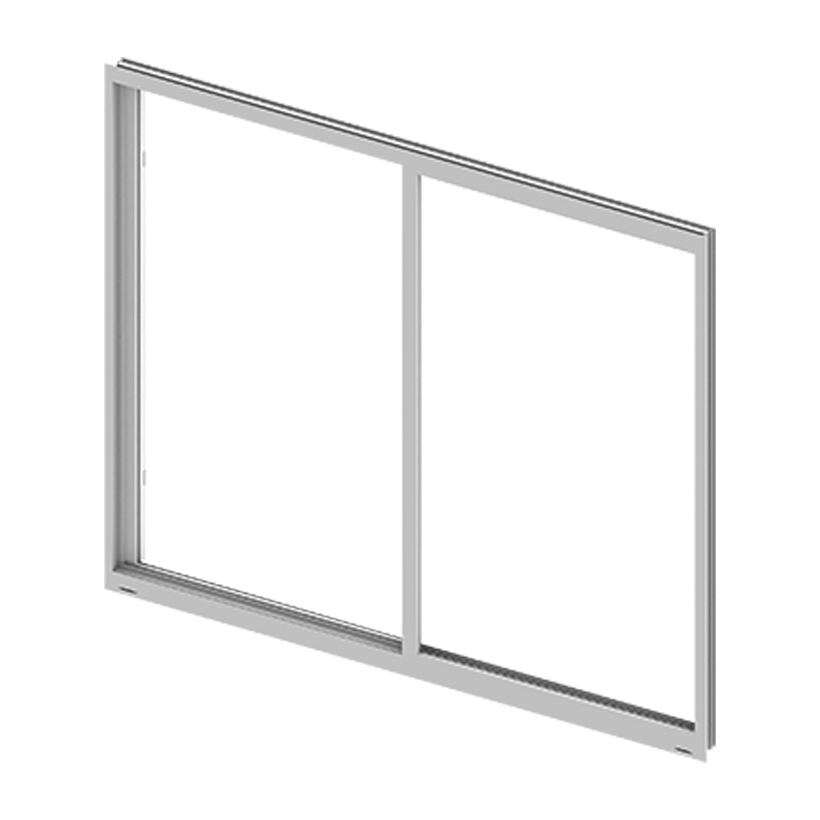



The Sliding Styles: Single-Hung, Double-Hung, and Horizontal Roller
These are the familiar, economical workhorses of Florida homes.
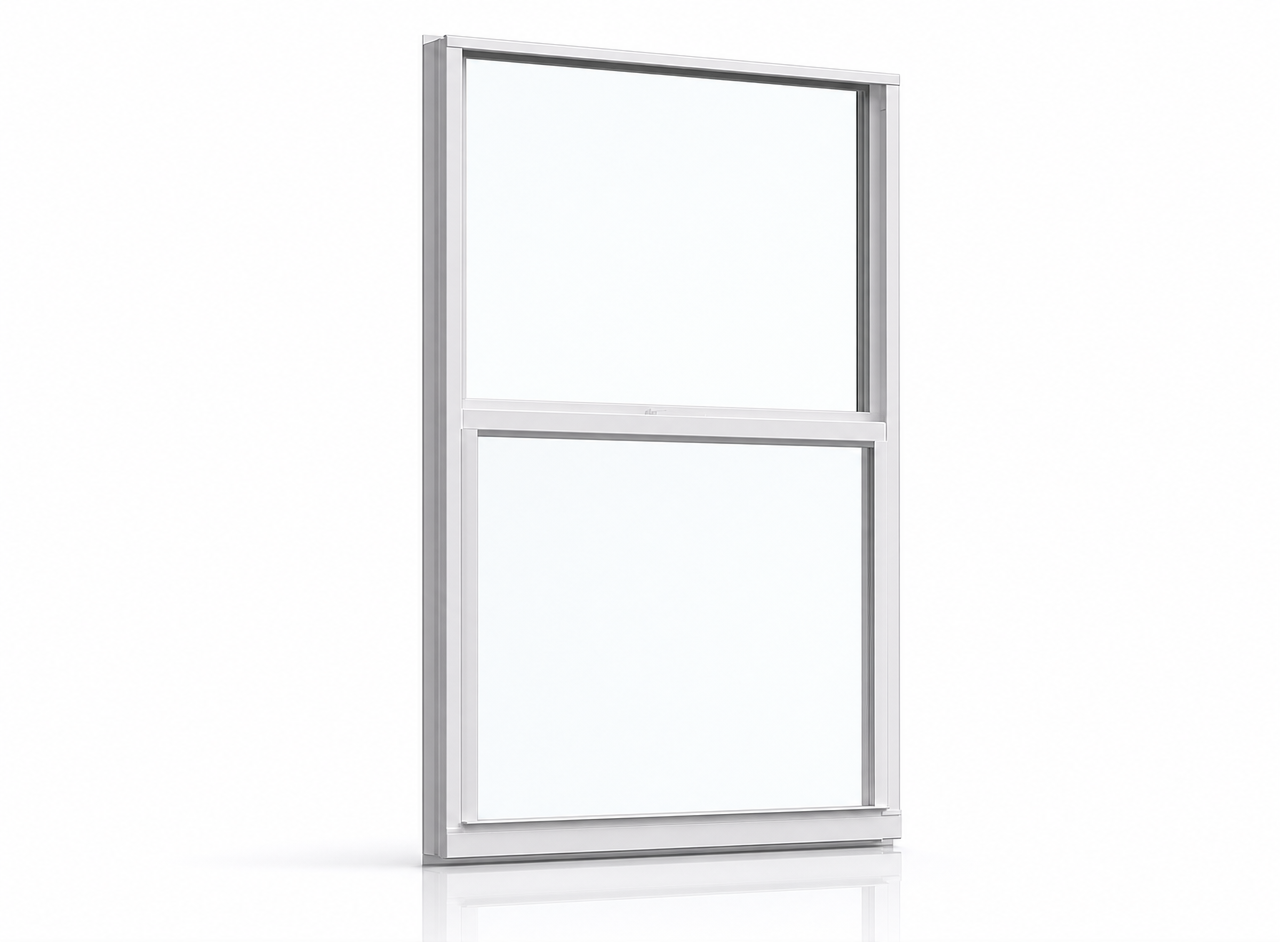
Single-hung windows have two sashes stacked vertically, but only the bottom one slides up to open. They are the most common and usually the most affordable impact window, which makes them the default for whole-home projects on a budget. The trade-off is that only half the window opens, which matters for airflow and, as we will see, for egress.
Double-hung windows look similar but both sashes move, top and bottom. That improves ventilation and makes cleaning easier, since many tilt in. They cost a bit more than single-hungs and are less common in South Florida, where single-hungs dominate.
Horizontal roller (or horizontal sliding) windows slide side to side instead of up and down. They suit wide, short openings well and are popular for their simple operation. Like the hung styles, they use a sliding seal, so expect similar air and pressure numbers.
All three are fully impact-rated when you buy an impact line. The sliding seal simply means they will not top the charts on air tightness, which is fine for most openings.
The Compression Styles: Casement, Awning, and Picture
These are the tight-sealing styles, and the ones an architect reaches for when air infiltration or a wide clear opening matters most.
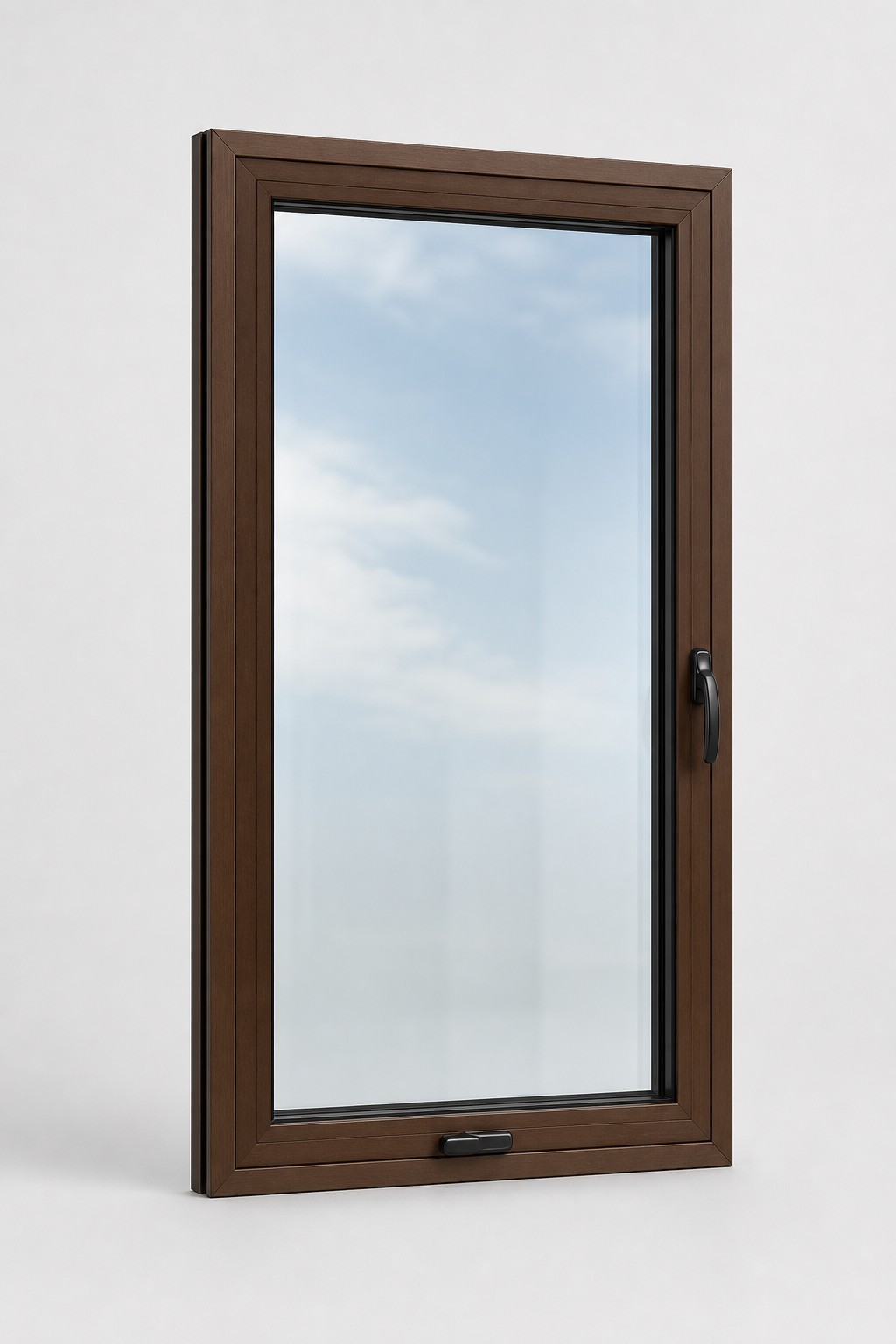
Casement windows are hinged on the side and swing open like a door using a crank. Because the whole sash swings clear, a casement gives you the largest possible opening for its size, the best ventilation, and, thanks to the compression seal, the tightest air ratings. That combination also makes casements the easiest style to satisfy bedroom egress.
Awning windows are hinged at the top and crank outward from the bottom, so they can stay open during light rain. They share the compression seal's tight ratings. Their limitation is that the opening is short, so a small awning rarely provides enough clear area to count as egress.
Picture (or fixed) windows do not open at all. That gives them the cleanest sightlines, the lowest cost per square foot of glass, and the tightest air ratings, since there is no moving sash to seal. The catch is obvious: a fixed window offers no ventilation and can never serve as an emergency exit, so it cannot be the only window in a bedroom.
Homeowners often pair a large fixed picture window with operable casements or single-hungs on either side, capturing the view in the middle and the ventilation and egress on the flanks.
Bay, Bow, and Architectural Shapes
A few styles are less about operation and more about form, and all of them are available impact-rated.
Bay and bow windows project outward from the wall to add space and light. A bay uses flat panels set at angles, usually a fixed picture center with operable casements or single-hungs on the sides, while a bow uses a gentle curve of several units. Because they combine styles, they follow the same rules as their parts: the center light protects and frames the view, and the operable flanks handle ventilation and, in a bedroom, egress.
Architectural shapes such as arched, half-round, trapezoid, and other geometric units are typically fixed and made to order to impact specification. They are an aesthetic choice for entryways, gables, and transoms rather than a performance one, and they carry custom pricing and longer lead times. As with any fixed unit, a shaped window cannot serve as a bedroom's required exit, so pair it with an operable window where egress is needed.
The Rule Most Homeowners Miss: Bedroom Egress
Here is a code requirement that quietly rules out certain window choices, and it surprises people mid-project.
Every bedroom in Florida needs at least one emergency escape and rescue opening, an egress window a person can climb out of, or a firefighter can climb in through. The Florida Building Code sets the minimum size:
- 5.7 square feet of net clear opening (5.0 for a ground-floor opening)
- 24 inches minimum clear height
- 20 inches minimum clear width
- Sill no higher than 44 inches above the floor
The key phrase is net clear opening, meaning the actual unobstructed hole when the window is open, not the glass size or the frame size. This is where window type decides the outcome:
- A single-hung only opens on the bottom half, so its clear opening is roughly half the window. A small single-hung bedroom window can easily fall short of 5.7 square feet, forcing a larger unit than you planned.
- A casement swings the entire sash out of the way, so it delivers nearly its full size as clear opening. It is the simplest way to hit egress in a tight space.
- A fixed or picture window never qualifies, and a small awning usually does not.
If you are replacing bedroom windows, confirm the egress math before you order, especially when downsizing or switching styles. Getting it wrong means a failed inspection and a reorder.
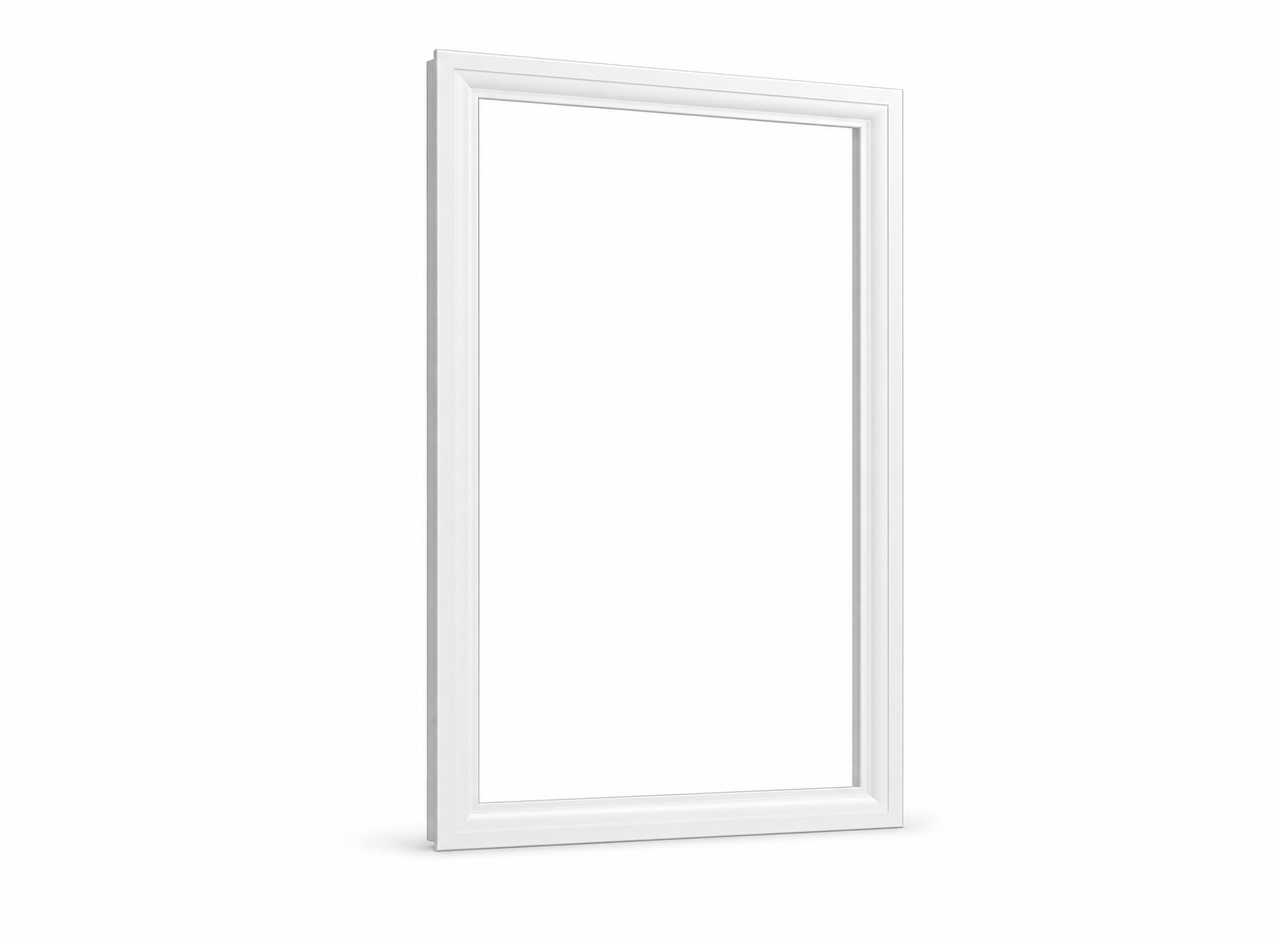
 PGT · WinGuard Aluminum Series
PGT WinGuard Aluminum Casement CA740A
Aluminum impact casement on the WinGuard 740-series frame, side-hinged with a crank-out sash. Mulls cleanly with AW740A and PW740A in the 740-family.

 ECO · Eco-Guard Casement & Awning Series
Eco-Guard Casement Window Series 500
Outswing aluminum impact casement, 2-3/4 in. frame, +70/-75 psf, LMI+SMI, NFRC-certified, with a stainless operator + multipoint lock.
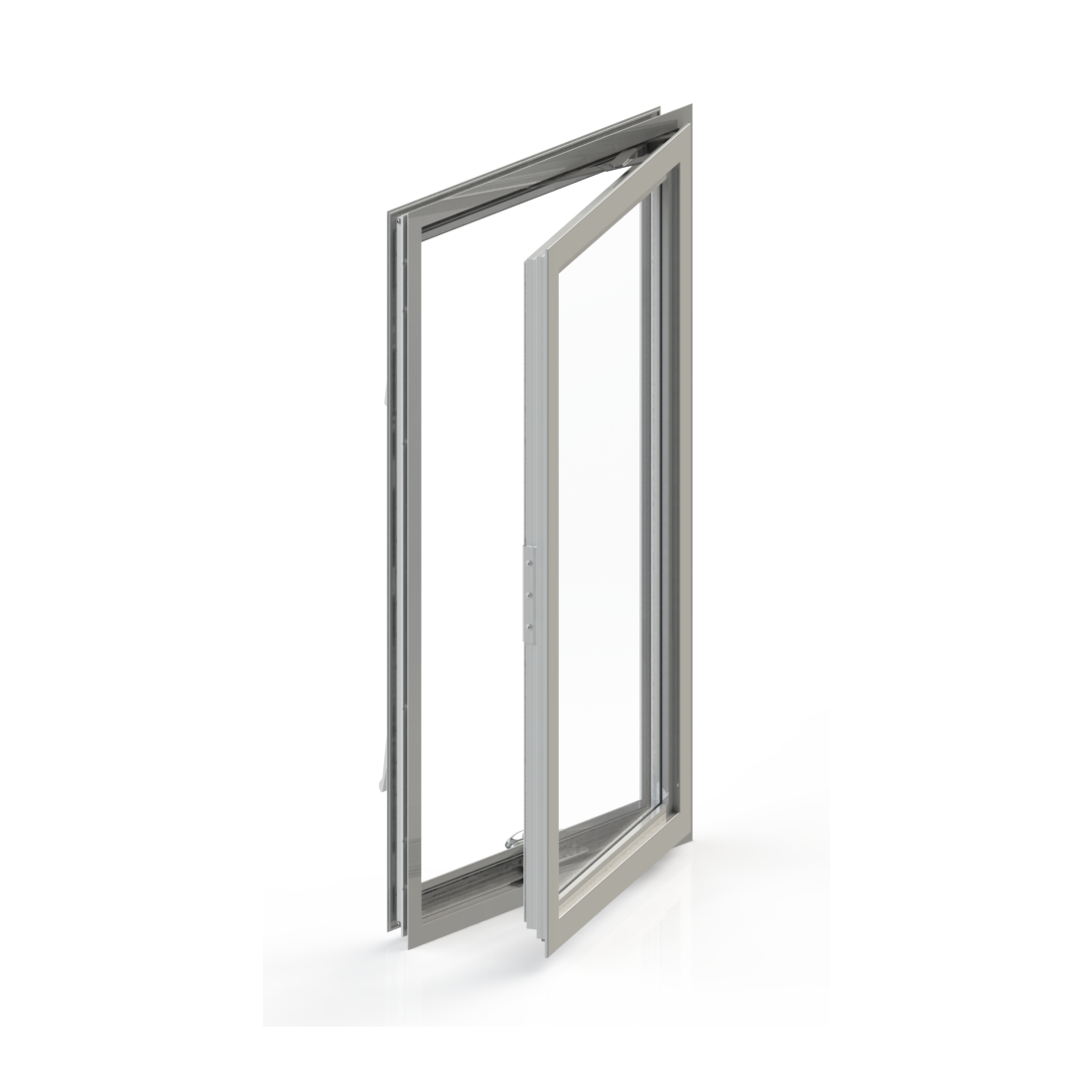
 ES Windows · Elite Series
ES Windows Elite ES-5000 Casement
Flagship aluminum impact casement in Elite, available in X and XX configurations on a 2-1/8 inch frame depth. Stainless 4-bar hinges, rated to 90 psf.
Energy and Cost by Type
The operating style also nudges energy performance and price, though the glass coating matters more for energy than the frame style does.
On energy, the tighter compression seals of casements and awnings give a small edge in blocking air infiltration, which helps comfort near the window. But your cooling bill is driven far more by the glass coating and its SHGC than by the window style, which we cover in how impact window glass works.
On cost, the rough order from most to least affordable runs single-hung, horizontal roller, double-hung, casement, awning, with fixed picture windows cheap per square foot but often large. Custom shapes, architectural sizes, and specialty hardware add more. Our impact window cost guide breaks pricing down by type and material.
Which Type Fits Each Room
Putting it together, here is how the styles tend to land room by room in a Florida home.
- Bedrooms: at least one egress-capable window. A casement is the surest way to meet the rule; a large enough single-hung or horizontal roller can also work if you check the clear-opening math.
- Over the kitchen sink or a countertop: a casement or awning with a crank, since you can reach the handle without leaning across the counter.
- Living areas with a view: a large picture window flanked by operable casements or single-hungs for ventilation and egress.
- Bathrooms and laundry: an awning, which can stay cracked for ventilation during light rain while keeping privacy.
- High-pressure corners and upper floors: whichever style your installer can source at the required DP in that size; a casement is the usual pick for its tighter seal.
- Whole-home budget replacement: single-hung windows for their value, upgrading to casements only where egress, high pressure, or reach demand it.
Every one of these is available as a fully impact-rated unit. The style choice is about the room's job, not about storm protection, since all of them protect the same way once you buy an impact line. When you are ready, our team will walk your home opening by opening and match the type, rating, and glass to each one. You can start with a free estimate, and browse the styles on our impact windows page. Standards bodies like the Fenestration and Glazing Industry Alliance define the performance classes these window types are tested against.
Next Steps
- List each opening by room and note which bedrooms need an egress-capable window.
- Get a free estimate and ask your installer to confirm the net clear opening for every bedroom window before ordering.
- Match the style to the job: casements for egress, reach, and high-pressure corners; single-hungs for value elsewhere; picture windows for views, paired with operable flankers.
- Read the ratings so you can compare quotes fairly, using our guide to impact window performance ratings.
- Check the glass, which drives both your SHGC and much of the price, in how impact window glass works.