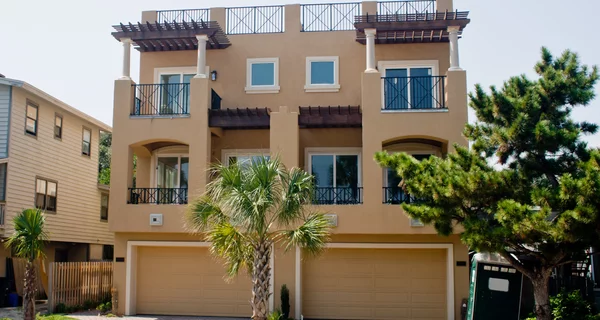


A wind mitigation inspection costs $75 to $150 for most single-family homes in Florida. The state's My Safe Florida Home program performs the same inspection free for eligible homeowners, and many inspectors discount it when you add it to a home inspection you already need. The report you receive, Form OIR-B1-1802, stays valid for up to five years and tells your insurance company which windstorm credits your home has earned.
We install impact windows and doors across South Florida, and the 1802 is the paperwork that turns those projects into lower premiums. Across the 17 Florida counties in our insurance payback model, built from Florida OIR average-premium data, the modeled annual credit for documented full opening protection on the average insured home runs from about $138 in Duval County to $1,174 in Monroe County. Measured against a $75 to $150 fee, the inspection usually earns its cost back within the first year, then keeps paying at every renewal after that.
This guide covers the price you should expect to pay, what pushes it up or down, the two legitimate ways to get the inspection free or reimbursed, and when a re-inspection makes financial sense. For a category-by-category look at what the inspector examines and how each item cuts your premium, see our companion guide to what a wind mitigation inspection actually checks.
What a Wind Mitigation Inspection Costs in Florida
Here is what Florida homeowners pay for the OIR-B1-1802, depending on how they book it:
| How you get the inspection | Typical cost | Notes |
|---|---|---|
| Standalone wind mitigation inspection | $75 to $150 | A licensed inspector, contractor, engineer, or architect visits for this single report |
| Add-on to a full home or 4-point inspection | Below the standalone price; quoted by the inspector | One trip covers both reports; common during a home purchase |
| My Safe Florida Home inspection | $0 | State-funded through mysafeflhome.com; eligibility rules below |
| Carrier-ordered verification inspection | Arranged by the insurer | Citizens and other carriers can order their own inspection to verify a form on file |
| Re-inspection after upgrades | $75 to $150 | Same form and price as the first visit; needed before new credits apply |
Three things move the quote inside that range. Size and stories come first: a larger roof, more openings, and a longer attic crawl add time, and inspectors price time. Booking method comes second: a standalone visit carries the whole trip cost, while an add-on to a four-point or full home inspection shares it, which is why the bundled price runs lower almost everywhere.
Documentation comes third. The April 2026 form requires at least one photograph or supporting document for every attribute the inspector marks in sections 2 through 9. A homeowner with roof permits and product approvals ready makes for a shorter visit than one where the inspector has to dig for proof.
One preparation note from Citizens' underwriting guidance: clear a path to your attic before the visit. If the inspector cannot get into the attic, you may not qualify for roof-deck attachment, roof-to-wall attachment, or sealed roof deck credits, three of the items the visit exists to document.
What the Inspection Fee Buys: the OIR-B1-1802 Report
The product of the visit is a completed OIR-B1-1802, the uniform mitigation verification form every Florida insurer accepts. The April 2026 revision, the first major update since 2012, has nine numbered sections: building code, wind region, roof slope, roof covering, roof deck attachment, roof-to-wall attachment, roof geometry, sealed roof deck (SWR), and opening protection. The 2012 version had seven; the new form adds the wind region question under ASCE 7-22 and a roof slope question, and it asks for far more supporting photographs and documents.
Florida law limits who can sign it. Per the Florida Office of Insurance Regulation, an authorized inspector under section 627.711(2)(a), Florida Statutes means a licensed home inspector, a licensed general, building, or residential contractor, a professional engineer, or an architect. The form only counts with one of those active license numbers on it, and carriers reject forms signed by inspectors whose licenses have lapsed.
Once filed, the form works quietly for years. FLOIR states the form "is valid for up to five (5) years provided no material changes are made to the structure or inaccuracies are found on the form." Your carrier applies the credits at renewal and keeps applying them while the form stays valid.
This article stays on cost. For a field-by-field walkthrough of the form itself, see our OIR-B1-1802 guide; the companion checklist article linked above covers what the inspector physically examines and the discount logic behind each item.
Wind Mitigation Savings: What the Report Unlocks
The inspection has no value by itself. The credits it documents are the point, and published data frames what those credits look like on real bills.
First, state program data. The Florida Department of Financial Services reports that 49% of My Safe Florida Home grant recipients see insurance discounts after completing their upgrades, averaging about $981 per year. That is the best published real-homeowner figure we know of, and it reflects households that both inspected and upgraded.
Second, our own county model. It starts from Florida OIR average-premium data for 17 counties, applies an actuarial midpoint for the wind share of each county's premium, then applies filed opening-protection credit rates of 18 to 22 percent of that wind portion. For a home with every opening protected, the modeled annual credit runs from about $138 a year in Duval County to about $1,174 in Monroe County. That is an eight-to-one spread on identical products, because the credit discounts the windstorm portion of the premium, and that portion is far larger on the coast.
Those are county averages, not quotes for a particular house, and the distinction matters whenever you compare savings figures. Each one starts from the average premium across every insured home in the county, blending barrier islands with inland subdivisions and $900,000 dwellings with $200,000 ones.
Ranges reported for specific homes are a separate measurement, and in coastal markets they sit higher. For a $500,000 home in coastal Miami-Dade, Florida OIR premium data and published Florida premium surveys put the annual credit at $1,500 to $3,500 a year, against $852 for the Miami-Dade county average. Two measures, two different homes, no contradiction between them.
Treat all of it as a range, not a promise. Credits discount the windstorm portion of your premium rather than the whole bill. Your carrier's filed rates, your home's construction, and what the inspector can document on the day decide your number.
Our impact windows insurance savings guide walks through how those numbers change once openings are protected. The county-by-county breakdown, set beside the reported market ranges, is a longer story than this article needs. What matters here is smaller: even Duval's modeled $138 clears a $150 inspection fee inside the first year.
There is also a cheaper win hiding in the report. Plenty of homes already qualify for credits nobody claimed: a post-2002 roof, a hip shape, the straps a builder installed decades ago. The My Safe Florida Home program makes the same point in its own materials, urging homeowners to share the report with their carrier to confirm they are receiving every discount already available. In those cases the $75 to $150 fee buys a discount with no construction at all.
Free Wind Mitigation Inspections Through My Safe Florida Home
My Safe Florida Home (MSFH) is a state program under section 215.5586, Florida Statutes, run by the Department of Financial Services. As of this writing in late August 2026, its portal advertises free wind mitigation inspections and grants of up to $10,000, with account sign-ups open.
The free inspection does not depend on income. If the home qualifies, the state pays for the same OIR-B1-1802 visit you would otherwise buy. Grant money is income-based: low-income homeowners (at or below 80% of county median income) can receive up to $10,000 with no match required, and moderate-income homeowners (80% to 120% of county median) receive $2 in state funds for every $1 they spend, up to the same $10,000 cap.
Home eligibility rules, from the program's materials:
- Single-family detached home or townhouse, up to three stories
- Building permit issued before January 1, 2008
- Your homestead, with an active homestead exemption on file
- Insured dwelling value of $700,000 or below (the cap does not apply to low-income applicants)
The path runs: create a portal account, complete the prioritization questionnaire, wait for placement in an inspection group, submit the inspection application, host the inspector, then read the report and, if eligible, apply for a grant toward the recommended upgrades.
Two cautions from the program's history. Demand swamps funding: in the 2023-2024 cycle, DFS data shows the program's $200 million appropriation was claimed in about two weeks and roughly 45,000 homeowners landed on a waitlist, so apply early in a funding cycle rather than late. And never start construction before written grant approval, because starting early disqualifies the grant. Our My Safe Florida Home program guide covers the application in more depth, and our financing options cover how homeowners bridge the gap between grant money and total project cost. If one of the four gates rules your house out entirely, a permit newer than 2008, a second home, a value above the cap, the inspection and the retrofit still work exactly the same way; you are simply pricing the project without the state match, and the booking routes below still get the 1802 into your insurer's hands at little or no cost.
The Other Free Route: Bundles and Your Insurance Agent
The second legitimate route is not a program. It is a set of booking habits that push the fee toward zero.
Bundle it with an inspection you already need. During a home purchase, the same visit that produces your general home inspection or four-point report can produce a 1802. Inspectors quote the add-on below the standalone price because the trip, the ladder time, and the attic crawl are already paid for. If you are buying a Florida home, ask for the wind mitigation form before the inspection is scheduled, not after; a return trip erases the discount. The same logic applies any time an authorized inspector is already on your property for other work.
Ask your insurance agent before paying anyone. Agents order and review these forms constantly, and many keep a list of inspectors whose forms carriers accept without pushback. Your agent can also check whether your policy already carries wind mitigation credits, which occasionally makes a new inspection unnecessary. What each agency can arrange varies, so a five-minute call before you book on your own can save the whole fee.
Know what a carrier-ordered inspection is. Insurers sometimes send their own inspector: Citizens, the state-backed carrier, reserves the right to verify any wind mitigation form on file by ordering an independent inspection. That visit is the carrier's project, arranged on the carrier's terms, and its purpose is verifying paperwork rather than hunting new discounts. Do not plan around one, but if your carrier schedules a verification visit, cooperate; a form that survives verification is the strongest form there is.
How Long the Inspection Lasts and When to Re-Inspect
The five-year validity period changes the math on the fee. At $150 and five years, the report costs $30 per year of service, set against credits our model places in the hundreds or thousands. Four situations justify paying for the visit again before the clock runs out:
- You upgraded the home. A new roof, impact windows, impact doors, or hurricane shutters change your answers in the form's highest-value sections, and no credit applies until a new 1802 documents the change. Time it after the last opening is finished: the 2026 form rates the weakest wind-borne debris protection on the structure, so a form filed one window early gives up the opening-protection credit.
- Your form is aging out. Past five years, carriers can decline the credits at renewal. If your form dates to 2021 or earlier, a fresh inspection ahead of renewal protects the discount.
- Your old form has unverified boxes. Missing permits or product approvals force inspectors to mark features as unverified, which earns nothing. If you have since located the paperwork, a re-inspection converts those boxes into credits.
- You fixed the weak point the last report flagged. One unprotected opening, one bad strap photo, one undocumented roof: whatever held back a credit last time earns it back once corrected and re-documented.
One thing that does not force a re-inspection is the April 2026 form change itself. FLOIR's validity rule is written against the form's five-year life, not the revision date, so a recent pre-2026 form does not expire just because the blank changed. If in doubt, your agent can confirm what your carrier accepts at renewal.
Next Steps
If your home was permitted before 2008 and carries a homestead exemption, start with the free route: create an account at mysafeflhome.com and let the state pay for the inspection. Everyone else, price the bundle first, then book standalone; either way the report will tell you exactly which openings and roof items are holding back credits. If unprotected openings turn out to be the gap, request a free estimate and we will price the impact windows and doors that turn that report into a yearly discount.
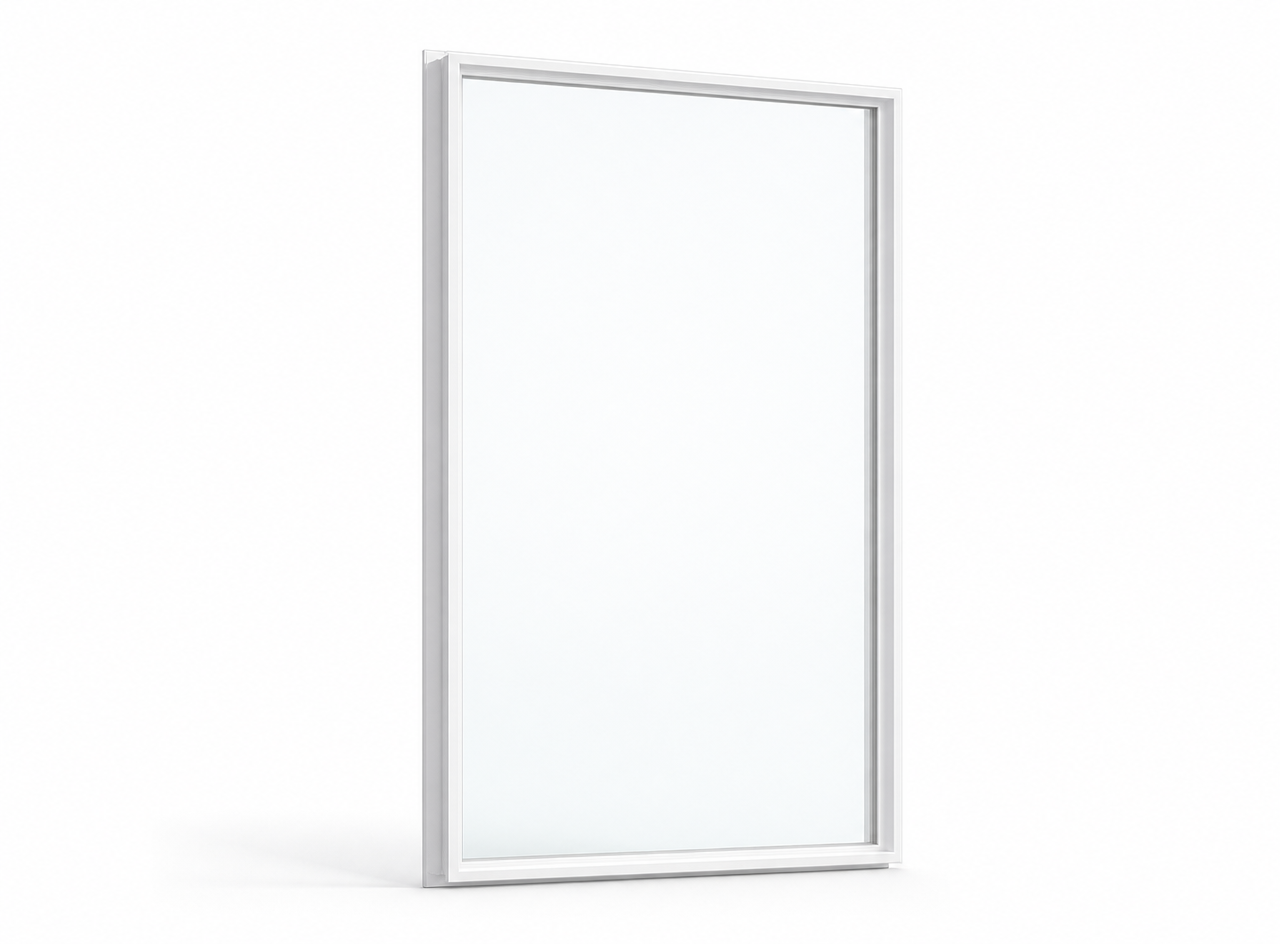
 PGT · WinGuard Aluminum Series
PGT WinGuard Aluminum Picture PW7720A
Aluminum impact fixed picture window on the WinGuard 7720 picture platform for unobstructed view installations. Diamond Glass, LMI for HVHZ.
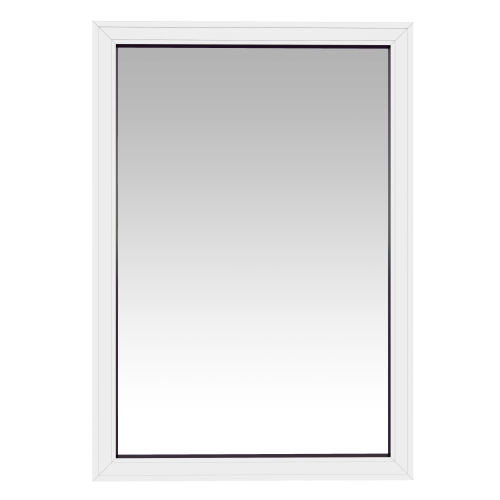
 ECO · Eco-Guard Casement & Awning Series
Eco-Guard Casement Fixed Window Series 550
Fixed lite styled to match the Series 500 casement, 2-3/4 in. frame, +70/-75 psf, LMI+SMI, NFRC-certified.
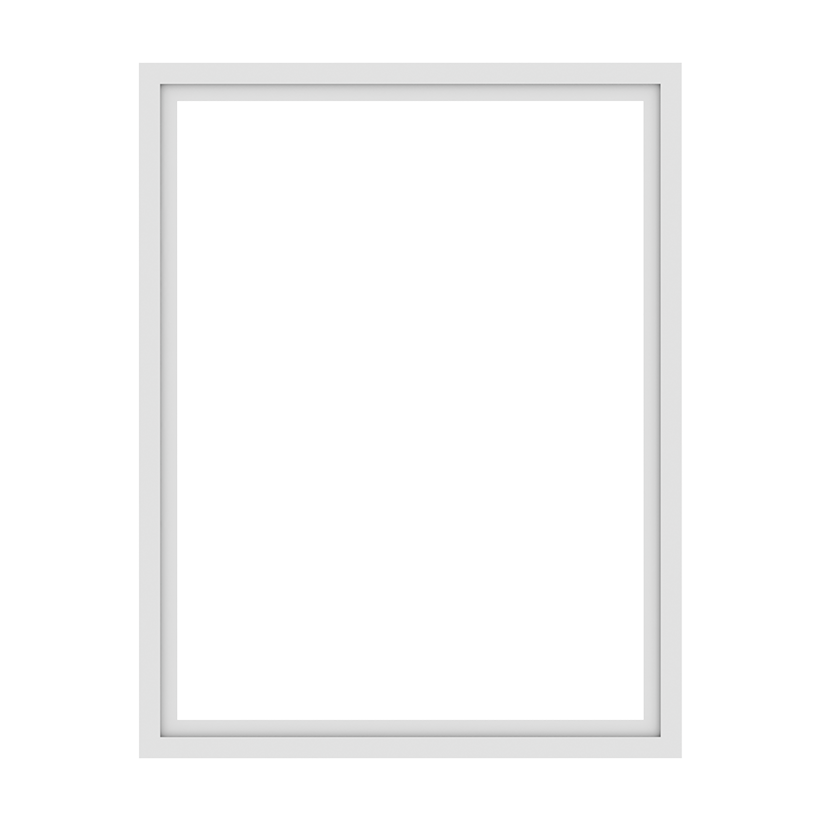
 ES Windows · Multimax Series
ES Windows Multimax ES-MX1500 Fixed Window
Value-tier aluminum impact fixed window up to 36 by 120 inches on a 2-3/8 inch frame. Dual LMI+SMI at 100 psf positive, 140 psf negative for low-rise and high-rise HVHZ.