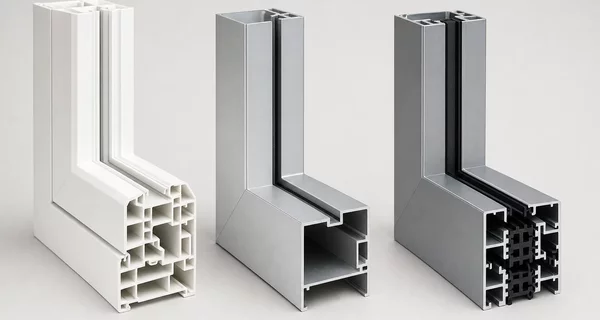


ES Windows vs PGT is the comparison we get asked about more than any other, and for good reason: they are the two brands most Florida homeowners end up shortlisting. We install both, so this is not a brochure summary. It is what the two companies actually deliver, from lineups and lead times to the warranty documents, and where each one wins on a real project.
If you want the deep single-brand treatments first, our PGT review and ES Windows review cover each company on its own terms. This page is the head-to-head.
The short answer: choose ES Windows when price and timeline lead your decision, and PGT when breadth, vinyl frames, or long-term warranty paper lead it. The honest trade-offs each way:
| Pick it for | Trade-offs to accept | |
|---|---|---|
| ES Windows | ~20% spec-for-spec savings; 5-6 week lead times; premium glass and finishes standard | Thinner warranty paper (3-year hardware, no transfer, 90-day registration rule); vinyl line still young |
| PGT | Broadest catalog including mature vinyl; strongest warranty terms; deepest dealer ecosystem | Typically ~20% higher quotes; lead times around twice as long |
If a single factor decides for you: deadline, ES. Vinyl frames, PGT. An oversized glass wall, ES Prestige. Selling the house with the warranty attached, PGT. The rest of this page is the evidence.
Two Different Companies, Two Different Strengths
The brands arrive at impact windows from opposite directions, and most of the practical differences trace back to that.
PGT
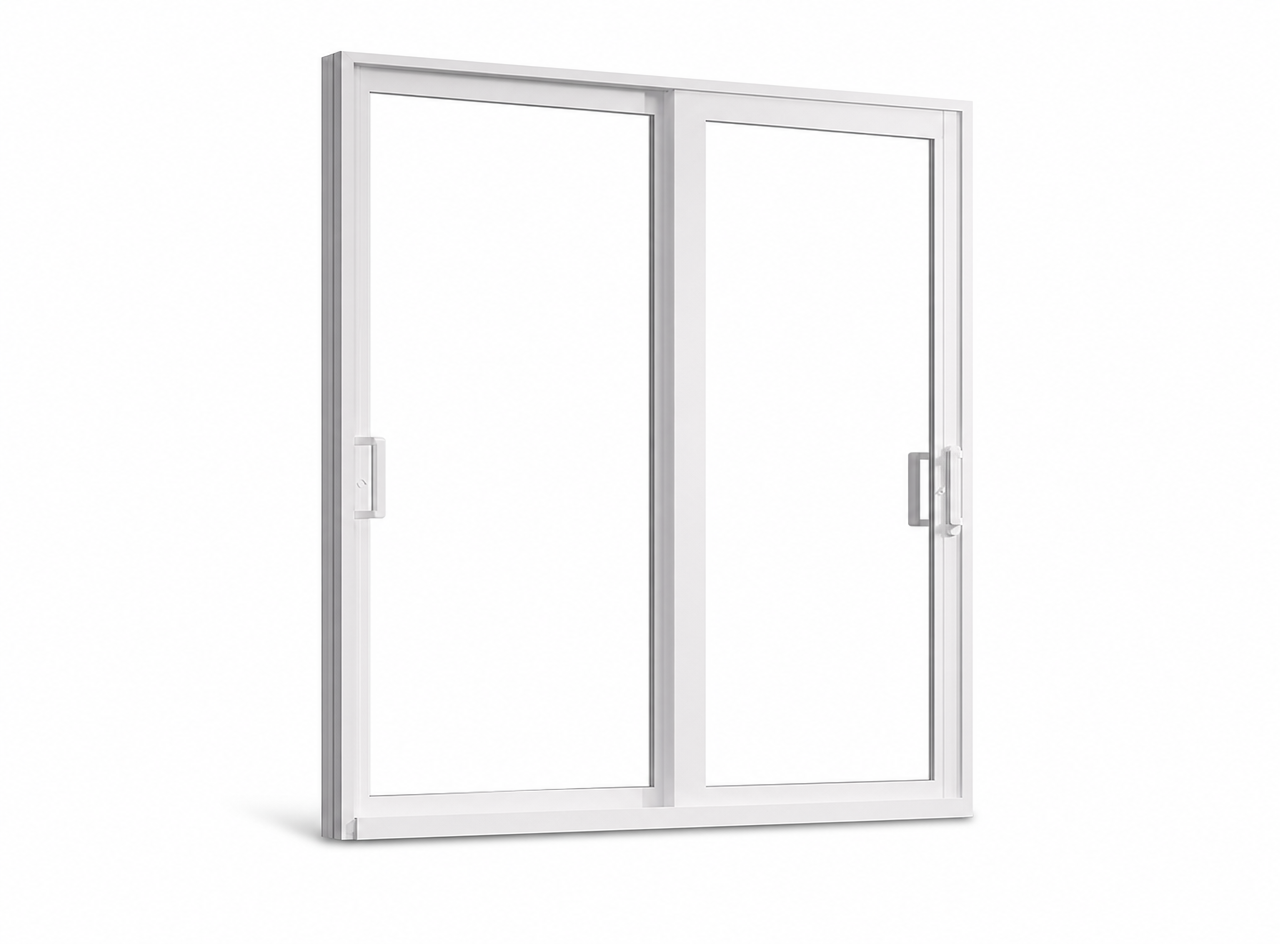
 PGT
PGT Custom Windows & Doors
America's largest impact window and door manufacturer, with 45 years of Florida-specific engineering.
Miami-Dade NOA / HVHZ approved 57 models across 7 product lines
Explore PGT
is the incumbent. Founded in Venice, Florida in 1980, it launched WinGuard in 1996 as the first complete impact-resistant collection and has anchored the category since. Today PGT sits inside MITER Brands, the family that Koch's $3.1 billion acquisition assembled, and its strengths are what three decades of category leadership buys: the broadest product range, mature aluminum and vinyl lines, the state's deepest dealer and parts ecosystem, and approval paperwork every building department knows on sight.
PGT
PGT Custom Windows & Doors
America's largest impact window and door manufacturer, with 45 years of Florida-specific engineering.
Miami-Dade NOA / HVHZ approved 57 models across 7 product lines
Explore PGT
is the incumbent. Founded in Venice, Florida in 1980, it launched WinGuard in 1996 as the first complete impact-resistant collection and has anchored the category since. Today PGT sits inside MITER Brands, the family that Koch's $3.1 billion acquisition assembled, and its strengths are what three decades of category leadership buys: the broadest product range, mature aluminum and vinyl lines, the state's deepest dealer and parts ecosystem, and approval paperwork every building department knows on sight.
ES Windows
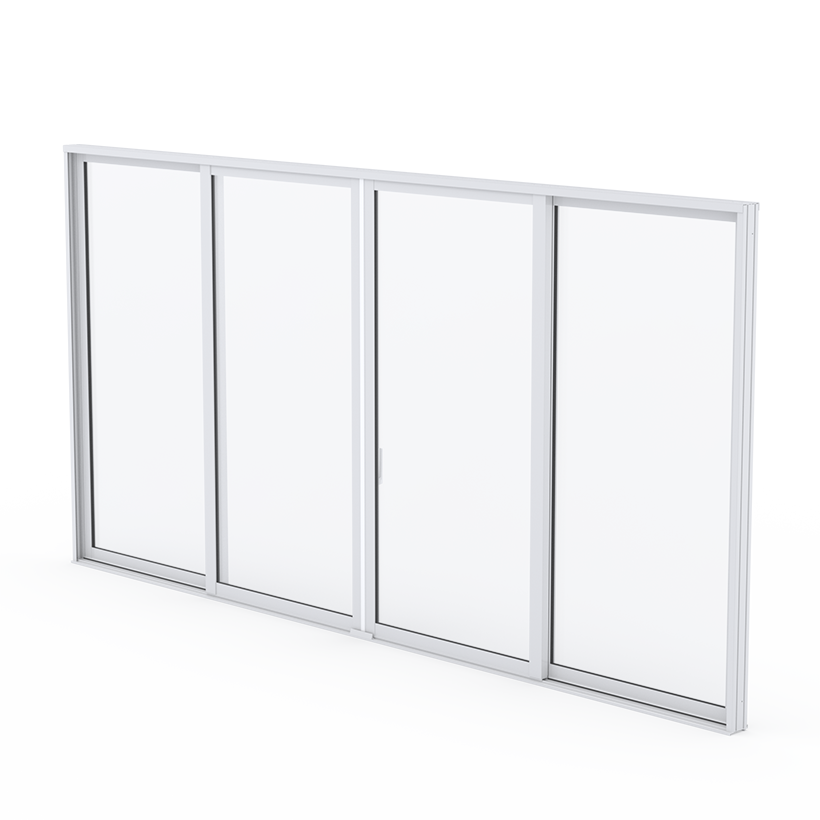
 ES Windows
Tecnoglass-owned, vertically integrated impact windows and doors with in-house glass and aluminum.
Miami-Dade NOA / HVHZ approved 145 models across 9 product lines
Explore ES Windows
is the challenger built like a heavyweight. It is the residential brand of Tecnoglass (NYSE: TGLS), the Barranquilla, Colombia manufacturer founded by brothers José Manuel and Christian Daes, with US operations centered in Medley, Florida. Tecnoglass passed $983 million in revenue in 2025 and runs the only fully vertically integrated production chain in the market: its own aluminum extrusion (Alutions), its own glass cutting and lamination, and its own $50 million Low-E coating plant. That integration shows up for homeowners as speed and standard features.
ES Windows
ES Windows
Tecnoglass-owned, vertically integrated impact windows and doors with in-house glass and aluminum.
Miami-Dade NOA / HVHZ approved 145 models across 9 product lines
Explore ES Windows
is the challenger built like a heavyweight. It is the residential brand of Tecnoglass (NYSE: TGLS), the Barranquilla, Colombia manufacturer founded by brothers José Manuel and Christian Daes, with US operations centered in Medley, Florida. Tecnoglass passed $983 million in revenue in 2025 and runs the only fully vertically integrated production chain in the market: its own aluminum extrusion (Alutions), its own glass cutting and lamination, and its own $50 million Low-E coating plant. That integration shows up for homeowners as speed and standard features.
| PGT | ES Windows | |
|---|---|---|
| Founded | 1980, Venice, FL | 1984 (Tecnoglass), Barranquilla; US hub Medley, FL |
| Ownership | MITER Brands (Koch) | Tecnoglass, NYSE: TGLS |
| Flagship lines | WinGuard Aluminum, WinGuard Vinyl | Elite, Prestige |
| Vertical integration | Assembly + some lamination | Extrusion, glass, Low-E coating, lamination, assembly |
| Typical lead time | ~10-12 weeks | 5-6 weeks |
| Sales channel | Authorized dealers | Authorized dealers |
Product Lines: PGT Breadth vs ES Windows Specialties
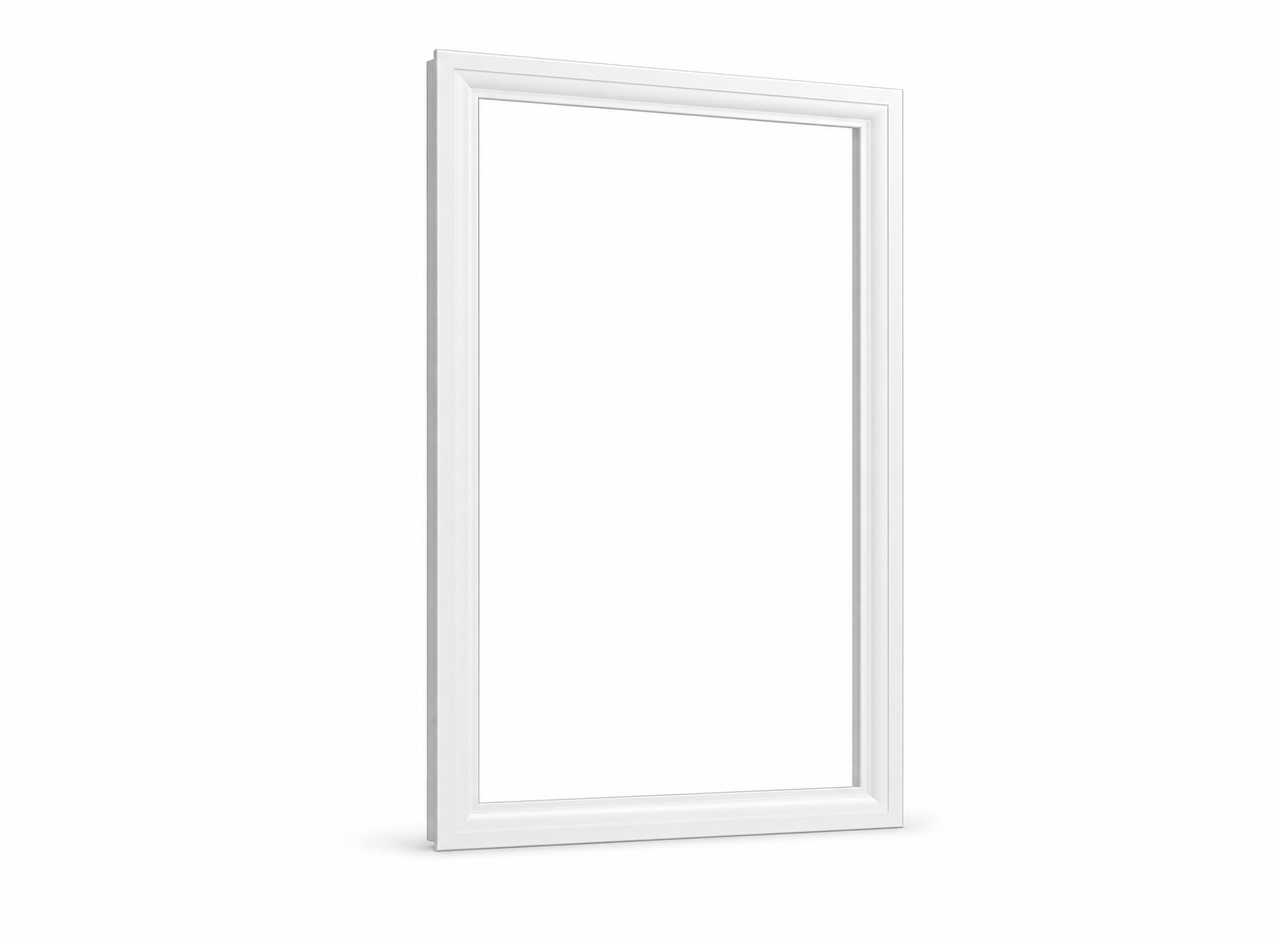
PGT's range is the widest in the market. WinGuard Aluminum
 PGT
WinGuard Aluminum Series
PGT's flagship aluminum impact platform since 1998, with one of the deepest Miami-Dade NOA libraries in the industry. Single hung through sliding doors on one HVHZ-certified frame system.
HVHZ-approved across the series 11 models in the series
Explore the WinGuard Aluminum Series
(ten models, panels to 5x8 feet) and WinGuard Vinyl
PGT
WinGuard Aluminum Series
PGT's flagship aluminum impact platform since 1998, with one of the deepest Miami-Dade NOA libraries in the industry. Single hung through sliding doors on one HVHZ-certified frame system.
HVHZ-approved across the series 11 models in the series
Explore the WinGuard Aluminum Series
(ten models, panels to 5x8 feet) and WinGuard Vinyl
 PGT
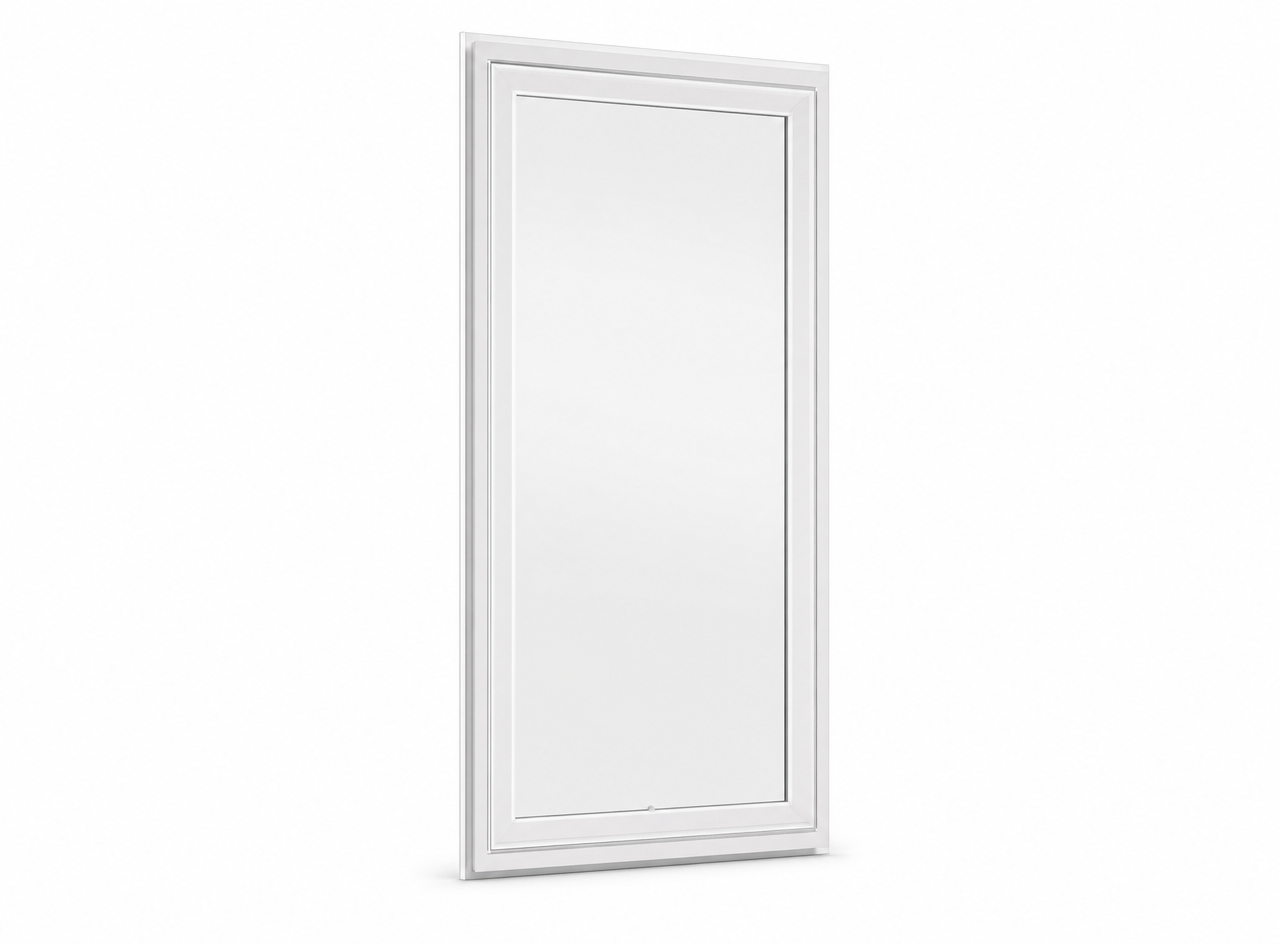
WinGuard Vinyl Series
The best-selling impact vinyl line in the U.S., built on a 3-1/2 inch welded vinyl frame with Diamond Glass laminated glazing. Nine operation styles mull cleanly into all-vinyl elevations.
HVHZ-approved across the series 12 models in the series
Explore the WinGuard Vinyl Series
(twelve models, including the family's only double hung) cover every operation style in both frame materials, with the non-impact EnergyVue line running parallel for inland work. If your project mixes styles, or you want vinyl's insulation with aluminum's strength in different rooms, PGT covers the whole matrix from one catalog. Our WinGuard review walks the full lineup.
PGT
WinGuard Vinyl Series
The best-selling impact vinyl line in the U.S., built on a 3-1/2 inch welded vinyl frame with Diamond Glass laminated glazing. Nine operation styles mull cleanly into all-vinyl elevations.
HVHZ-approved across the series 12 models in the series
Explore the WinGuard Vinyl Series
(twelve models, including the family's only double hung) cover every operation style in both frame materials, with the non-impact EnergyVue line running parallel for inland work. If your project mixes styles, or you want vinyl's insulation with aluminum's strength in different rooms, PGT covers the whole matrix from one catalog. Our WinGuard review walks the full lineup.
ES Windows runs two aluminum tiers and a set of specialty formats nobody else builds. The Elite
 ES Windows
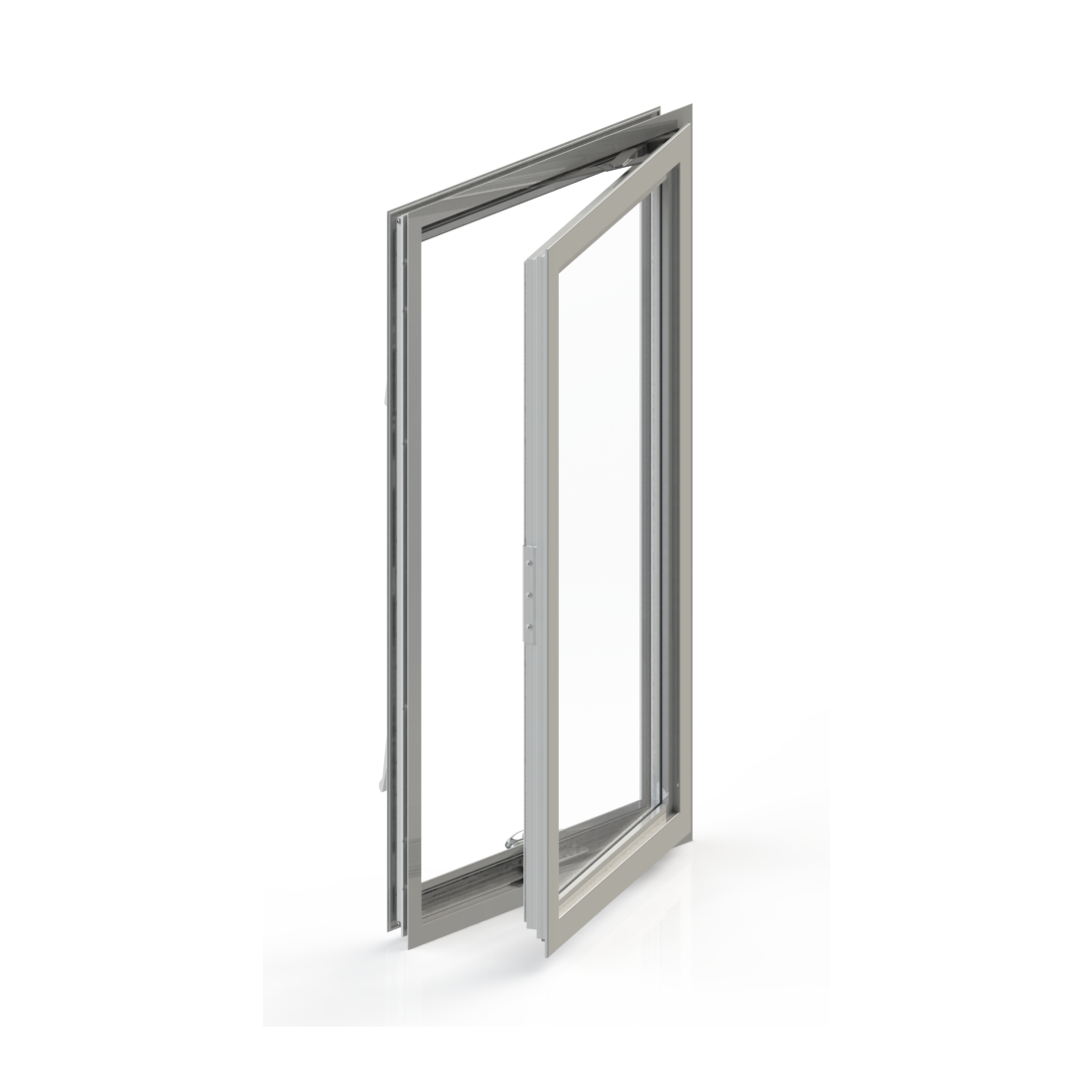
Elite Series
Mid-tier aluminum impact line for residential builders, with current 2023 FBC Miami-Dade NOAs across casement, single hung, fixed, sliding window, French door, and SGD.
HVHZ-approved across the series 8 models in the series
Explore the Elite Series
line is the workhorse: single hung (ES-EL100), horizontal roller (ES-EL200), casement, awning, fixed (ES-EL150), sliding glass door (ES-EL400, panels to 47x108 inches), and French door, all at +80/-80 PSF standard. Prestige
ES Windows
Elite Series
Mid-tier aluminum impact line for residential builders, with current 2023 FBC Miami-Dade NOAs across casement, single hung, fixed, sliding window, French door, and SGD.
HVHZ-approved across the series 8 models in the series
Explore the Elite Series
line is the workhorse: single hung (ES-EL100), horizontal roller (ES-EL200), casement, awning, fixed (ES-EL150), sliding glass door (ES-EL400, panels to 47x108 inches), and French door, all at +80/-80 PSF standard. Prestige
 ES Windows
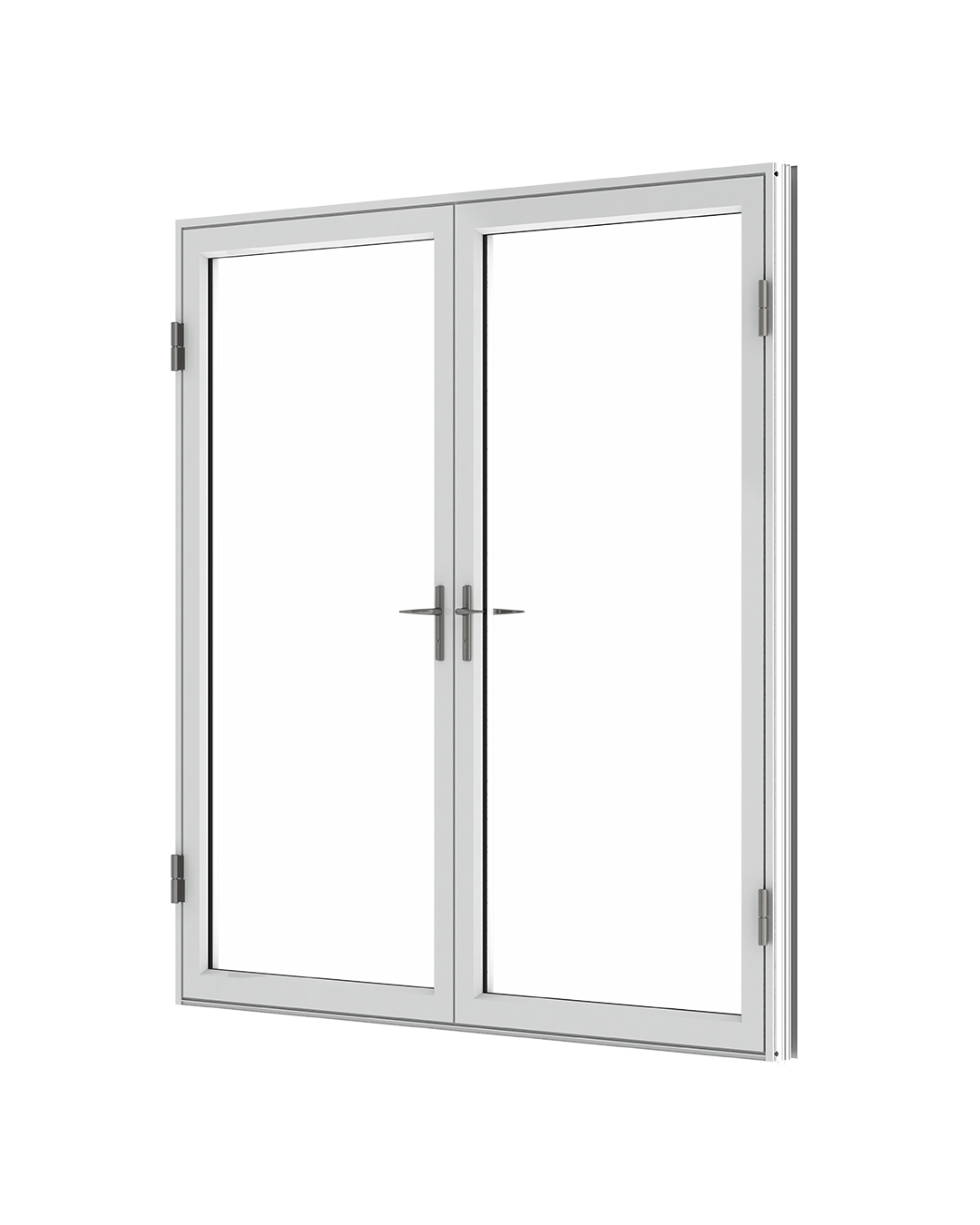
Prestige Series
Premium architectural aluminum impact and thermally broken line, anchored by the Glass Magazine 2024 award-winning Pivot Door and the industry-leading ES-FX3050 folding door.
HVHZ-approved across the series 18 models in the series
Explore the Prestige Series
is the premium tier, and it is where ES gets interesting: the ProSlide sliding door on a 6-1/2 inch frame spanning openings past 23 feet, a pivot door to 5x12 feet, the ES-8000T jumbo fixed lite at 7x15 feet (the largest single-pane impact window on the market), and the frameless butt-glazed ES-FX3050, an impact-rated glass wall with no vertical aluminum between panels. No other manufacturer offers that last capability in an impact product.
ES Windows
Prestige Series
Premium architectural aluminum impact and thermally broken line, anchored by the Glass Magazine 2024 award-winning Pivot Door and the industry-leading ES-FX3050 folding door.
HVHZ-approved across the series 18 models in the series
Explore the Prestige Series
is the premium tier, and it is where ES gets interesting: the ProSlide sliding door on a 6-1/2 inch frame spanning openings past 23 feet, a pivot door to 5x12 feet, the ES-8000T jumbo fixed lite at 7x15 feet (the largest single-pane impact window on the market), and the frameless butt-glazed ES-FX3050, an impact-rated glass wall with no vertical aluminum between panels. No other manufacturer offers that last capability in an impact product.
ES also launched a vinyl line in late 2023; it is young and growing, and for now the vinyl conversation in this comparison belongs to PGT.
The short version: PGT wins on breadth and frame-material choice; ES wins on large-format and frameless specialty work.
Strength, Glass, and What Comes Standard
Both brands are fully HVHZ approved with Miami-Dade NOAs across their impact lines, and both build laminated glass on heat-strengthened lites. The engineering differences sit at the edges.
On design pressure, ES Elite's +80/-80 PSF standard rating is unusually high for a volume line; PGT's WinGuard spans +/-50 to +/-70 on standard products and reaches +90/-110 on the flagship SGD770A
PGT · WinGuard Aluminum Series
PGT WinGuard Aluminum SGD770A Sliding Glass Door
Flagship aluminum impact sliding glass door in WinGuard, the workhorse SGD across the catalog. Diamond Glass laminated glazing, LMI for HVHZ.
HVHZ approved for South Florida Design pressure +90/-90 psf
See sliding glass door details
sliding door, with the platform extending past DP 100 for high-rise work. In practice, both clear typical residential load calculations everywhere in Florida, including the HVHZ; oversized openings and corner-zone conditions decide which spec sheet you end up reading.
On glass and finishes, the structural difference is what is included. ES makes heat-strengthened glass, Kynar-class (PVDF) finishes, and Low-E with tint standard on lines where much of the market prices them as upgrades. PGT counters with its EnergyShield, EnergyShield Max, and Solar Control Low-E2 packages and a four-finish aluminum palette (white, bronze, black, clear anodize) that gives it the deeper color story on the frame side. If frame color is part of your decision, our Window and Door Designer and Visualizer renders black, bronze, or white frames on a photo of your own home in about a minute.
Lead Times and the Service Question
This is the comparison's sharpest practical difference. Tecnoglass's integrated production runs ES lead times at 5-6 weeks in normal conditions. PGT orders typically run about 10-12 weeks, with the exact figure moving with season and configuration.
That gap decided a lot of projects during the 2020-2022 supply crunch, when domestic backlogs stretched to many months and ES kept delivering; it was the moment ES broke through in the Florida market. Under normal conditions the gap is smaller but real: if your project is driven by an insurance deadline, a closing date, or a hurricane season calendar, a six-week window versus a twelve-week window can be the whole decision.
On service, PGT's three decades and dealer density mean parts, reps, and institutional knowledge are everywhere; it is the ecosystem advantage of the market leader. ES runs a leaner dealer network that has been expanding fast (20%-plus dealer growth in 2025), backed by a manufacturer with industry-leading margins and a balance sheet that removes any question about long-term warranty backing. We have had good service experiences with both; the difference is texture, not tier. It is worth knowing how warranty service actually routes, too: both brands take claims through the dealer who sold the job, shipping parts while the installer handles the swap, so the installer relationship you choose matters as much as the logo on the glass. Our warranties guide walks through that claims path step by step.
ES Windows vs PGT Prices
In the broader market, ES typically quotes about 20% below PGT for comparable specifications, before counting the features ES includes standard. That gap is the vertical integration showing up on the invoice.
At our shop, per-style installed ranges overlap heavily between the two brands: roughly $1,000-$2,000 for a single hung, $1,400-$3,000 for a casement, $1,200-$2,400 for a picture window, with sliding glass doors starting around $2,200 and scaling by panel count. Where the brands separate is configuration: the glass package you choose on a PGT order, and the large-format work where ES's specialty products occupy price territory of their own. For a whole-home number, our impact windows cost calculator prices your actual opening list, and financing options cover the payment side.
PGT vs ES Windows Warranty Terms
We compared both manufacturers' current warranty documents line by line in our impact window warranties guide; here is the head-to-head summary.
| Term | PGT WinGuard | ES Windows (residential certificate) |
|---|---|---|
| Frame | Limited lifetime | Finish coverage 10-15 years by coating class |
| Hardware | 10 years aluminum; limited lifetime vinyl | 3 years |
| Laminated glass | 10 years | 10 years |
| Insulating glass | 100% to year 25, then 50% of glass price | 10 years |
| Registration | Encouraged | Required within 90 days, or coverage defaults to 1 year |
| Transfer to home buyer | Yes: 10 years, 30-day notice | No |
| Burglary rider | 10 years, up to $1,000 | None |
PGT's paper is stronger, and it is not close: longer schedules, a transfer that survives a home sale, and the intruder rider. Quantified from the two current documents: PGT's insulating-glass schedule runs at 100% coverage to year 25 while ES's registered certificate runs 10 years on every glass category, a 2.5x term gap (document revisions compared, August 2026). ES's counterweights are real but different in kind: the financial strength of a public company with 42.8% gross margins standing behind claims, and a value proposition where the money you save buys the features other brands charge for. Two practical notes for ES owners: register within the 90-day window (it is the difference between a decade of coverage and one year), and keep the quarterly maintenance documentation the certificate requires.
The Tariff Question
One difference buyers ask about in 2026 is manufacturing geography. Tecnoglass builds in Colombia and imports finished products, which exposed it to the Section 232 tariff environment; the company guided to a $50 million net tariff impact for 2026 and trimmed its margin outlook accordingly. PGT manufactures in Florida, which insulates it from import tariffs while leaving it exposed to the same aluminum input costs the whole industry pays.
What does that mean at the quote level? So far, spread pressure rather than a flipped ranking: ES entered the tariff era with an unusually wide margin cushion (42.8% gross margins, roughly double some domestic peers), which gives it room to absorb costs that thinner manufacturers pass straight through. We watch both brands' pricing monthly, and the practical advice is simple: if you are comparing quotes across a span of months in a tariff-moving year, re-confirm them before you sign, whichever brand you choose.
Which Brand Fits Your Project
| Your project | Our pick | Why |
|---|---|---|
| Whole-home retrofit on a budget | ES Elite | ~20% spec-for-spec savings with premium glass and finishes standard |
| Deadline-driven timeline | ES | 5-6 week lead times, half the typical wait |
| Vinyl frames for insulation | PGT | WinGuard Vinyl is the mature, complete vinyl impact line |
| Double hung style | PGT | The DH5560 is the only impact double hung between them |
| Black or anodized aluminum look | PGT | Four-finish palette on WinGuard Aluminum |
| Glass walls, frameless corners | ES Prestige | ES-FX3050 butt glazing is unique in the impact market |
| Oversized single lites | ES Prestige | The 7x15-ft ES-8000T is the market's largest |
| Maximum warranty and resale paper | PGT | Lifetime frame, 25-year glass schedule, transferable |
| High-rise or top-of-chart wind loads | Either | ES commercial heritage vs PGT's DP-100+ platform; the spec decides |
Plenty of our projects use both: ES for the big slider and the budget-sensitive bulk of the openings, PGT vinyl where insulation matters most, or WinGuard throughout with an ES Prestige feature wall. The brands share the dealer-install model, so mixing is a spec exercise, not a logistics problem.
An Installer's Honest Bottom Line
Neither brand is a compromise. PGT is the category's reference point: the broadest catalog, the strongest warranty paper, the deepest ecosystem. ES Windows is the market's efficiency story: integrated manufacturing that converts into speed, standard features, and price room, plus specialty products nobody else attempts.
When a homeowner asks us which one, our first questions are about the project: the timeline, the largest opening, the frame material, and how long you plan to own the home. The answer usually falls out of those four. When it does not, you are choosing between two good outcomes, which is the best position a buyer can be in.
Manufacturer · Venice, FL
57 models across 7 lines
Manufacturer · Barranquilla
145 models across 9 lines
Next Steps
- List your openings and flag the decision-drivers: largest span, frame material preference, timeline, and how long you will own the home.
- Read the deep dives on whichever side you are leaning: our PGT review, WinGuard review, and ES Windows review.
- Run your opening count through the impact windows cost calculator for a whole-home range.
- Check the warranty comparison if resale or transfer matters to your plans.
- Request a free estimate; we quote both brands side by side on the same opening list, which is the cleanest comparison there is.