
Impact window prices in Florida run 5-10% higher than they did in 2024, and tariffs are the main reason. As of September 2026, three federal actions are working through every quote: a 50% Section 232 tariff on imported aluminum, a 10% tariff on imported finished aluminum windows and doors that took effect in April 2026, and a rule change that applies those duties to the full value of a finished product rather than just its metal content. On a typical South Florida whole-home project, the modeled tariff surcharge comes to $5,000-$7,000 compared with 2024 pricing.
We install impact windows across South Florida, and we read the same manufacturer price letters your contractor does. This article walks through the mechanism: what the tariff actions actually say, how much aluminum sits in a window frame, why glass, freight, and labor move too, and which manufacturers carry the most exposure.
It also takes on the sales tactic that trails every real cost increase: the manufactured deadline. Urgency claims are usually closing devices, not market facts. By the end, you will be able to tell a genuine cost pass-through, which shows up as a dated price letter and a cut in a public company's earnings guidance, from a discount that conveniently expires the weekend you got the quote.
What Changed: The 2026 Tariff Actions on Windows
Three layers of federal trade action now touch impact window pricing:
| Action | Timing | What it does |
|---|---|---|
| Section 232 aluminum tariff | In force through 2025-2026 | 50% duty on imported aluminum used by window manufacturers |
| Finished-goods extension | Proclamation signed April 2, 2026; effective April 2026 | 10% tariff on imported finished aluminum windows and doors |
| Full customs value rule | April 2026 | Duties assessed on the whole product value, not just the metal content |
The April 2026 action matters most for Florida buyers. The proclamation, published in the Federal Register on April 9, 2026, restructured the Section 232 regime for aluminum, steel, and copper. Before it, a tariff on aluminum touched only the metal share of an imported window. After it, an imported finished window is dutiable on its entire customs value: frame, laminated glass, hardware, and weatherstripping together. That is a much larger base, which is why manufacturers who build finished units abroad announced fresh increases within weeks.
What Our Own Installed Price Data Shows
Our pricing database holds our retail installed figures for 428 product configurations across the manufacturers we install, all generated in June 2026. Because that is a single vintage, we cannot yet publish a measured change in our own price points from one date to another; what the data shows instead is the spread a tariff percentage lands on.
| Window type | Configurations priced | Installed range per opening |
|---|---|---|
| Single-hung | 40 | ~$520 to ~$3,750 |
| Horizontal roller | 30 | ~$490 to ~$5,050 |
| Casement | 28 | ~$760 to ~$6,600 |
That is a roughly 7-to-1 spread inside a single window type, set by manufacturer tier, size, frame series, and glass makeup. It changes how a pass-through feels: a 6% increase adds about $31 to a $520 budget single-hung and about $225 to a $3,750 premium one. The percentage is the same; the dollars are not. You can see where your own openings fall with our impact windows cost calculator.
Aluminum: The LME Price and the Midwest Premium
Aluminum is the dominant frame material in the Florida impact market, so the metal's price path sets the floor for everything else. Two numbers matter.
The first is the global benchmark: LME aluminum traded above $3,500 per tonne in April 2026, above its five-year average. The second is the Midwest Premium, the surcharge US buyers pay on top of the LME price to take delivery of metal in the United States. It reached a record $1.05 per pound in April 2026, nearly double its 2023 level. Tariffs feed the premium directly, because imported metal clears customs with the duty priced in, and domestic smelters price against that landed cost.
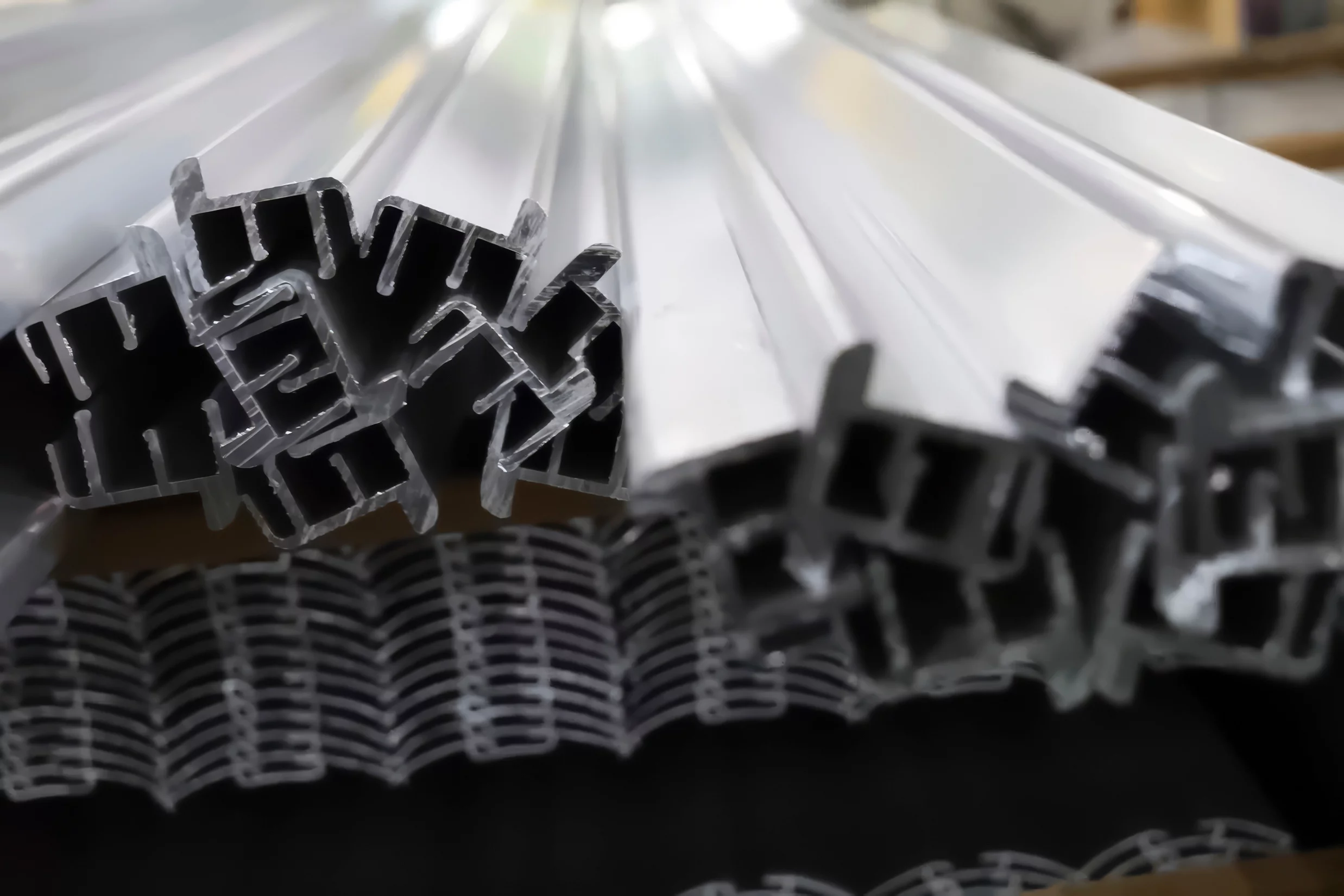
Here is the arithmetic that surprises most homeowners. A typical impact window frame contains 15-30 pounds of aluminum; a door frame runs 30-100 pounds. At $3,500 per tonne (about $1.59/lb) plus the $1.05 premium, the raw metal in one window frame costs roughly $40-$80 delivered. Set that against installed prices of $520-$6,600 per opening and the metal itself looks almost trivial. So why do quotes move by thousands?
From Raw Metal to Your Quote: The Pass-Through Chain
Because the tariff does not act once. It acts at every layer of the supply chain, and each layer applies its margin to a higher cost base. The smelter's price rises, then the extruder's, then the finisher's, then the assembler's, then the distributor's. For imported finished units, the full customs value rule adds duty on the glass and hardware too. By the time the increase reaches a dealer price list, it has compounded well past the raw metal delta.
The manufacturer actions on record show the result:
| Manufacturer | Action | Effective |
|---|---|---|
| ES Windows (Tecnoglass) | Up to 6% increase, with further increases from early May 2026 | May 2025 orders onward |
| ECO Window Systems | Across-the-board tariff adjustment | 2025 |
| PGT (MITER Brands) | Adjustments on all fixed, slider, and casement styles | 2025 |
| Industry-wide | 5-10% increases | 2025-2026 |
The clearest evidence that these are real costs rather than sales theater sits in securities filings. On April 9, 2026, Tecnoglass told investors it was cutting its 2026 EBITDA guidance from $265-305 million to $225-245 million, a $50 million net tariff impact. Public companies do not cut their own earnings outlook to help dealers close deals. Added up across a whole house, the modeled surcharge on a typical South Florida project, built from the aluminum content per opening and the compounding pass-through, runs $5,000-$7,000 against 2024 pricing.
Project-scale math makes the range concrete. An average Florida home replaces 12 to 15 openings, and mid-range product for that count ran $25,000-$40,000 installed before the latest round of increases. Apply the industry's 5-10% and the same house prices $1,250-$4,000 higher than it did two years ago, before any change in glass package or frame series. That is real money. It is also smaller than the gap between a budget line and a premium line on the identical opening count, which is worth remembering when a single quote feels high.
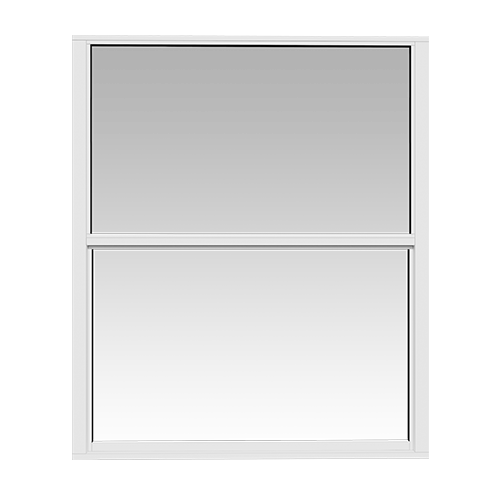
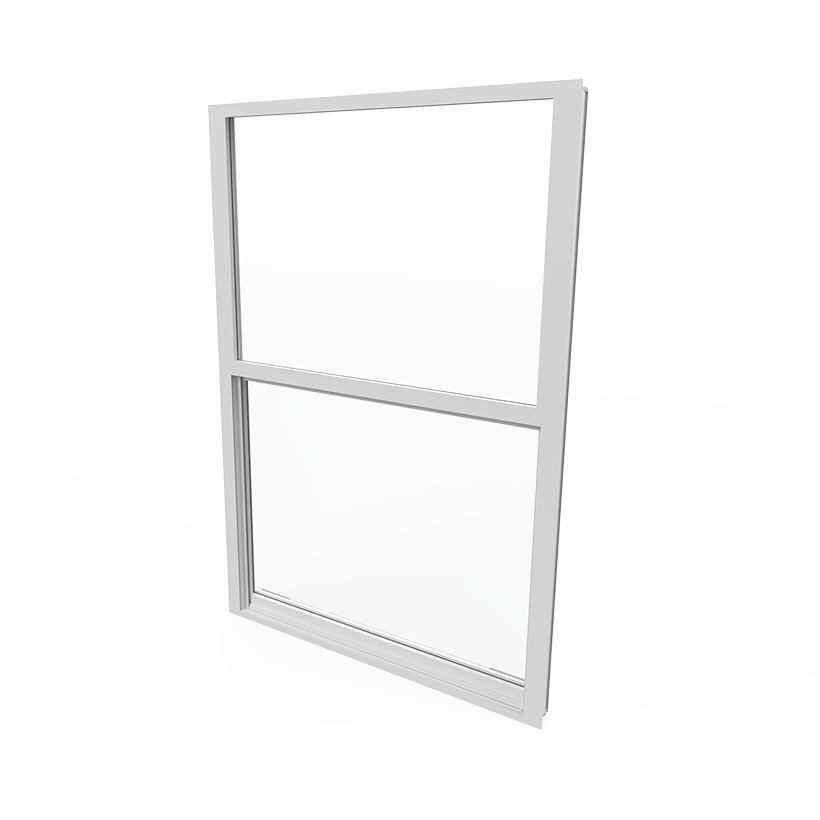
 ECO · Eco-Guard Single Hung Series
Eco-Guard Single Hung Series 50
Entry aluminum impact single hung on a 2-1/8 in. frame, +55/-60 psf, LMI for HVHZ, with block-and-tackle balances.
 ES Windows · Elite Series
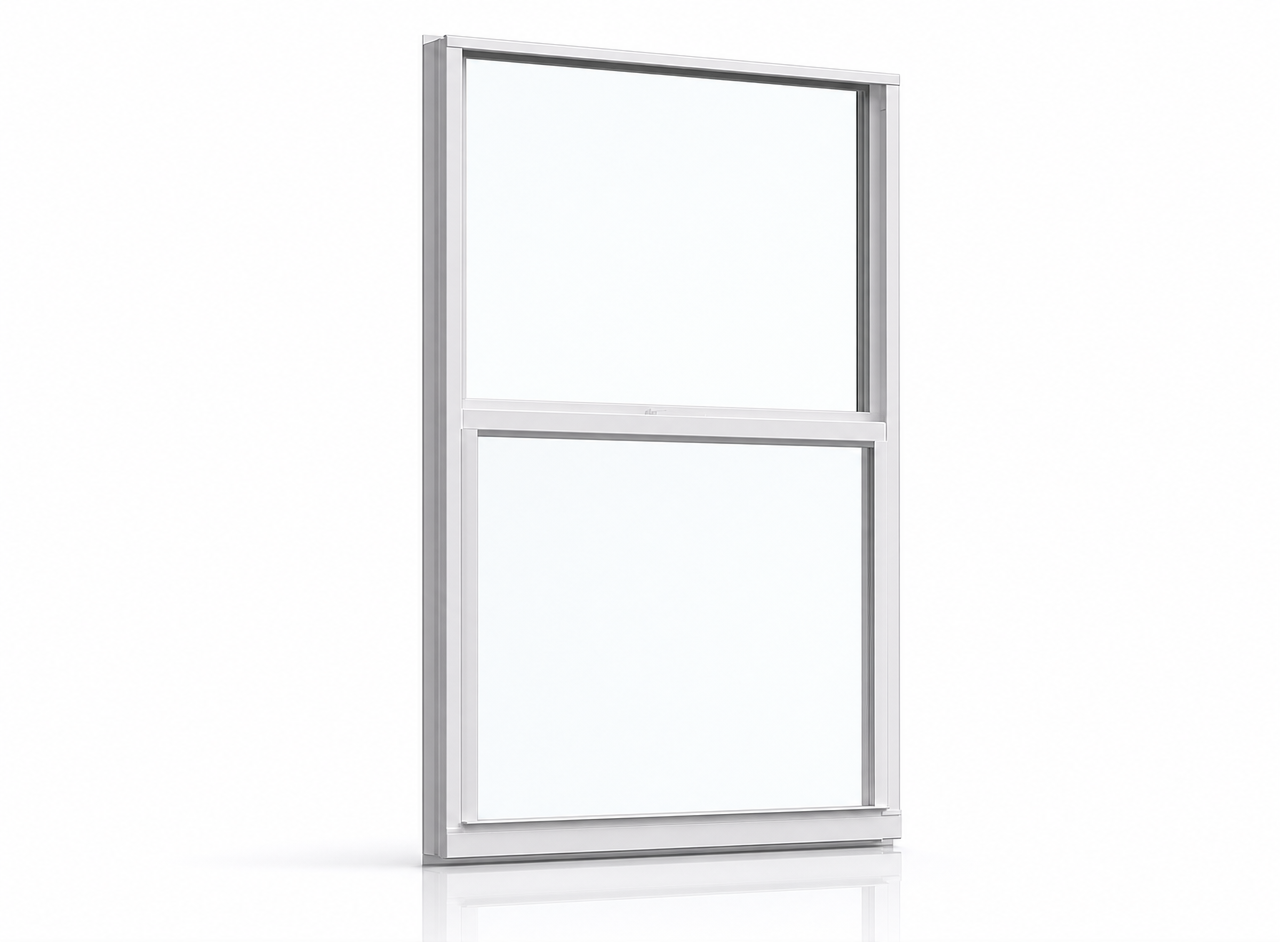
ES Windows Elite ES-EL100 Single Hung
Aluminum impact single-hung on a 2-15/16 inch frame with block-and-tackle or ultra-lift balances. Saflex/Kuraray PVB, Vanceva Storm, and SentryGlas Plus interlayers available.
 PGT · WinGuard Aluminum Series
PGT WinGuard Aluminum Single Hung SH7700A
Aluminum impact single-hung on the WinGuard 7700-series frame with Diamond Glass laminated glazing. LMI impact-rated for Miami-Dade and Broward HVHZ installations.
Glass, Freight, and Labor: The Slow Movers
Tariffs grabbed the 2026 headlines, but three quieter lines keep drifting upward underneath them.
Laminated impact glass is the other large input: two lites of float glass bonded around a PVB or ionoplast interlayer, an energy-intensive product in its own right. For units assembled abroad, that glass now sits inside the dutiable customs value, which is part of why finished-goods importers felt the April action hardest.
Freight and labor tell a longer story. The 30-40% price surge of 2021-2022, built on doubled aluminum, shipping delays, and labor shortages, never reversed. Supply chains eased, but manufacturers folded those increases into the new baseline, leaving 2026 impact window prices about 25-35% above 2019 levels before any tariff surcharge. Window + Door Magazine's annual industry survey caught the mood: 73% of manufacturers expected to raise prices in 2025, by an average of 3.6%, and 76.2% named trade uncertainty their foremost challenge. Installation carries its own cost lines beyond the unit price; our guide to the hidden costs of impact window installation itemizes them.
Which Manufacturers Feel It Most
Tariff exposure is not evenly distributed, because manufacturing footprints are not:
| Manufacturer | Exposure | Why |
|---|---|---|
| EAS (Eastern Architectural Systems) | Lowest | Made in USA Certified (99.9% US origin); parent company is a domestic aluminum distributor |
| PGT / MITER Brands | Moderate | US manufacturing; imports raw aluminum and glass |
| CWS / Pella | Moderate | US manufacturing; some imported materials |
| ECO Window Systems | Moderate | US manufacturing; imports some materials |
| ES Windows (Tecnoglass) | Highest | Colombian manufacturing plus the 10% finished-goods tariff |
Exposure is not the same thing as final price position. Tecnoglass
 ES Windows
Tecnoglass-owned, vertically integrated impact windows and doors with in-house glass and aluminum.
Miami-Dade NOA / HVHZ approved 145 models across 9 product lines
Explore ES Windows
held prices through 2023-2024 while competitors raised theirs, and its value lines still undercut premium domestic product even after the increases. The company has also announced a $350-400 million US manufacturing investment aimed at removing its tariff exposure by 2027, a move that could sharpen price competition once it comes online.
ES Windows
ES Windows
Tecnoglass-owned, vertically integrated impact windows and doors with in-house glass and aluminum.
Miami-Dade NOA / HVHZ approved 145 models across 9 product lines
Explore ES Windows
held prices through 2023-2024 while competitors raised theirs, and its value lines still undercut premium domestic product even after the increases. The company has also announced a $350-400 million US manufacturing investment aimed at removing its tariff exposure by 2027, a move that could sharpen price competition once it comes online.
Real Pass-Through or Manufactured Deadline: How to Tell
Every real cost increase spawns a wave of fake urgency. "Prices go up Monday" closes deals, so it gets said whether or not a price letter exists. The two look different up close:
| Signal | Real pass-through | Manufactured deadline |
|---|---|---|
| Source | Dated manufacturer price letter tied to a public action | A salesperson's verbal warning |
| Scope | Applies to every dealer buying that price list | Applies only to your appointment |
| Form | A percentage on the list, with an effective date | A discount that expires this weekend |
| Paper trail | Federal Register notices, SEC filings, guidance cuts | None you can check |
| Price hold | A written 60-90 day lock in the contract | A promise that moves when you push |
The 2025-2026 increases came with exactly that paper trail. When the May 2025 round hit, contracts signed before May 15, 2025 were generally honored at original pricing, and manufacturers offered 60-90 day price locks on signed contracts. A real cut-over has a date, a document, and a protection window; it does not depend on you signing before the salesperson leaves your kitchen.
Two questions expose most fake deadlines. Ask which manufacturer price list your quote was built on and what its effective date is. Then ask for the price-hold period in writing. A contractor passing through a real increase can answer both in a minute. A contractor inventing one will change the subject.
What This Means for Timing a Purchase
The honest read, without a pitch attached:
Prices are unlikely to fall. The corrections after 2022 never came; increases got absorbed into the baseline. Through 2026-2028, the best realistic case is flat pricing, and the most likely path is continued 3-5% annual increases from labor, materials, and regulatory costs even if no new tariff lands.
The calendar risk is smaller than the quote spread. A one-quarter delay at 3-5% annual drift costs about 1% on a project. The spread between installed prices on the same opening in our own database is several hundred percent, tier to tier, and the spread between contractor bids on identical product is routinely larger than a year of price drift. Time spent collecting a second and third bid pays better than time saved beating a price letter.
Watch 2027. If Tecnoglass's US plant lands on schedule, the finished-goods exposure on Florida's volume leader goes away, and price competition may firm up. Nobody should promise that shows up as lower quotes; new capacity has a way of arriving into whatever price the market bears.
Do not let urgency compress your diligence. Permits, product approvals, and HVHZ ratings take the time they take, and choosing the wrong product to dodge a 5% increase is a bad trade. If cash flow is the constraint rather than total price, financing options exist that decouple the install date from the outlay, including the structures covered in our no-money-down guide.
A note on freshness: this article describes the market as of September 2026. Tariff policy on aluminum has moved repeatedly since early 2025, and it can move again. We refresh our pricing database and this page as new manufacturer letters land, so the figures above reflect what we can document today, not what anyone can promise about next quarter.
Next Steps
- Price your own openings against current post-tariff lists with our cost calculator.
- Collect at least two written quotes and ask each contractor for the price list effective date behind the number.
- Get any price-hold commitment in writing before you sign.
- If you want our read on your specific project, request a free estimate and we will quote it against the manufacturers whose exposure fits your budget tier.