
Impact windows in Aventura are a high-rise problem before they are anything else. This is a city of condo towers with walls of glass facing the ocean, the Intracoastal, and the golf course, and protecting that glass is a different engineering and approval question than replacing the windows on a single-family home in the suburbs.
Two things make Aventura distinct. The wind loads on a 30th-floor unit are far higher than on a ground-floor opening, and the decision to replace the glass usually belongs to a condo board, not to you alone. This guide covers both, plus the question almost every Aventura owner asks first: will impact glass ruin the view? The short answer is no, and the longer answer is the most useful part of this article.
Why High-Rise Condos Change the Impact Window Equation
Wind does not blow with the same force at the 30th floor as it does at street level. As elevation increases, so does the velocity pressure the glass has to resist. The building code captures this with a height coefficient, and the numbers are not subtle.
| Height above ground | Exposure C pressure coefficient (K_z) |
|---|---|
| 15 ft (ground floor) | 0.85 |
| 30 ft | 0.98 |
| 60 ft | 1.13 |
| 100 ft | 1.27 |
The practical result: upper-floor windows may require 50 to 100% higher design-pressure (DP) ratings than the same window at ground level. A unit on a high floor of an oceanfront Aventura tower is one of the most demanding residential glazing environments in the country, which is why some manufacturers build product lines specifically for luxury high-rise work with extreme DP ratings.
Aventura sits in a part of Miami-Dade where towers face open water, which pushes many of them toward Exposure C or D, the categories with the highest wind multipliers. The glass is not just fighting a stronger wind at height; it is doing it with less surrounding terrain to slow that wind down.
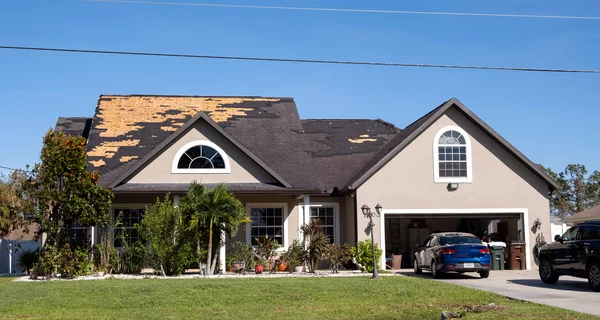
This is not a theoretical concern. When Hurricane Wilma crossed South Florida in 2005 as only a Category 2 storm, with gusts barely topping 100 mph, hundreds of windows blew out of dozens of high-rises across Miami, Miami Beach, and Fort Lauderdale.
The failures were nationally visible and prompted a 2007 code revision requiring laminated or tempered glass for insulated windows above 30 feet. You can read the National Hurricane Center's report on Wilma for the storm's full track and intensity record. Modern impact windows are the direct answer to what Wilma exposed.
HVHZ Glass Requirements in Aventura
Aventura is inside Miami-Dade County, which means it falls under the High Velocity Hurricane Zone, the most stringent set of building product requirements in the country. The HVHZ baseline applies to every floor of every tower:
| Requirement | Aventura / Miami-Dade HVHZ |
|---|---|
| Product approval | Miami-Dade Notice of Acceptance (NOA) required; statewide approval alone is not accepted |
| Design wind speed | 175 mph (3-second gust, Risk Category II) |
| Exposure category | Exposure C minimum; oceanfront and Intracoastal towers often Exposure C or D |
| Testing standard | TAS 201, 202, and 203 |
The single most useful thing an Aventura condo owner or board member can do is confirm the Miami-Dade NOA number on every product specified, and confirm the DP rating matches the floor. A product that is perfectly compliant on the third floor may be under-rated for the twenty-third. Our Miami-Dade County impact window guide covers the HVHZ baseline that every Aventura project builds on.
The View Question: Does Impact Glass Ruin the View?
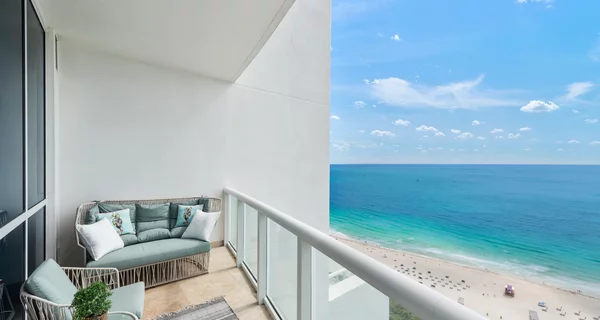
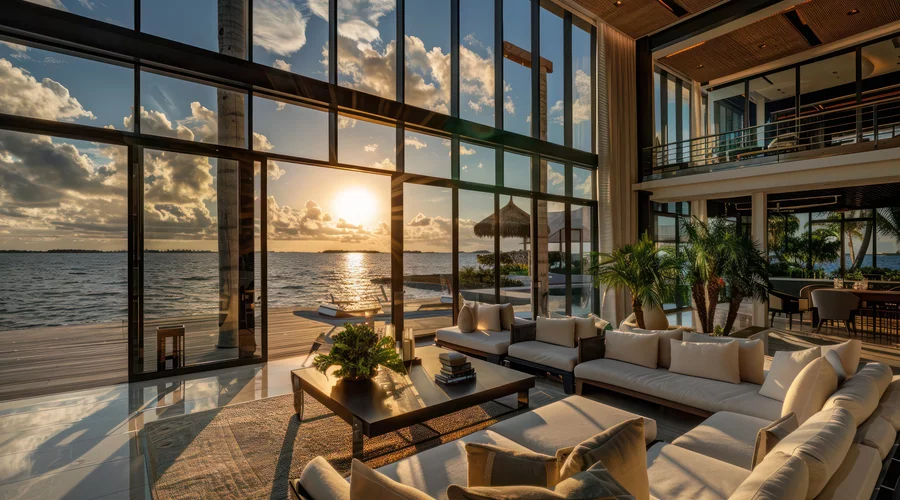
This is the question Aventura buyers ask before any other, and the fear is understandable. People pay for the view. The good news is that the fear is based on an outdated picture of what impact glass is.
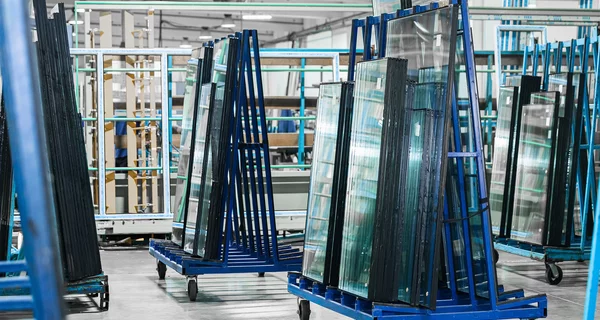
Impact resistance does not come from a dark or thick pane. It comes from a laminated interlayer, a clear plastic membrane (PVB or a stiffer ionoplast like SentryGlas) bonded between two sheets of glass. When debris strikes, the glass may crack, but the interlayer holds the fragments and keeps the opening sealed.
That interlayer is transparent. It does not cloud or tint the view.
The numbers back this up. Standard laminated impact glass transmits about 89% of visible light, and low-iron ultra-clear glass, the kind specified for showcase views, transmits roughly 91% with no green edge cast. For a high floor where the view is the entire point, low-iron glass is the upgrade that matters far more than most buyers realize.
So the honest framing for an Aventura tower is this: impact glass protects the view in two senses. It keeps the window in the opening during a storm, and the glass itself stays as clear as the single-pane glass it replaces. The same logic runs along the rest of the high-rise coast, from the oceanfront towers of Hollywood just to the north, through Sunny Isles, down to Miami Beach, where condos face the same trade-off and reach the same answer.
Managing Sun, Heat, and Glare on a Glass Tower
The real glazing challenge on an Aventura high floor is not clarity. It is the sun. A west-facing wall of glass 200 feet up takes intense, unobstructed solar load, and that is a heat and glare problem, not an impact problem. The two are solved separately.
Solar heat is managed with a Low-E coating, a microscopically thin metallic layer that reflects infrared heat while letting visible light through. The best triple-silver coatings (such as Solarban 70 or Cardinal LoE3-366) give the highest ratio of visible light to heat rejection, which is exactly what a view-driven tower wants. High-performance Florida glazing targets a solar heat gain coefficient (SHGC) of 0.20 to 0.25, and you can compare independently certified SHGC and visible-transmittance numbers through the NFRC label on any product.
| Glazing choice | What it does for a high floor |
|---|---|
| Low-iron + Low-E | Maximum clarity with strong heat rejection; the premium view package |
| Triple-silver Low-E | SHGC near 0.20; cuts cooling load on sun-exposed walls |
| Light body tint (gray, bronze) | Glare and privacy control where the sun is harsh |
| Acoustic interlayer | Dampens wind noise and city noise common at height |
Two more high-floor realities are worth specifying up front. Acoustic interlayers cut the wind and traffic noise that carries at elevation, and self-cleaning coatings reduce how often a tower has to pay for exterior glass cleaning, which is expensive and logistically complex on a high-rise. None of these change the impact rating; they are quality-of-life upgrades that make the most of a glass tower.
The Condo Approval Reality: It Is a Building Decision
Here is where Aventura differs most from a single-family project. In a condo tower, the exterior windows are usually part of the building envelope the association controls, so replacing them is typically a board-level decision made for the whole façade, not a choice an individual owner makes for one unit.
Florida law protects the right to install code-compliant hurricane protection, and associations cannot deny it, though they can specify color, style, and frame finish for consistency across the building. In practice, a serious Aventura re-glaze is a building-wide capital project: one specified product, one NOA, one look across every floor. That consistency is not just aesthetic. A uniform, properly rated assembly is what protects the whole structure, since a single failed opening in a storm can pressurize a unit and cascade damage.
If you own in an Aventura condo and want impact windows, the most effective path is rarely a solo installation. It is getting the topic onto the board's agenda. Our guide to impact windows in Florida condos covers how association approval and the building envelope rules actually work.
Funding a Tower Re-Glaze: The Condominium Pilot Program
A building-wide window replacement is a major expense, and Florida has created a program aimed squarely at it. The state's Condominium Pilot Program offers grants for hurricane-hardening work on multifamily buildings.
| Feature | Detail |
|---|---|
| Statutory basis | Florida Statutes §215.55871 |
| Total funding | $30 million |
| Maximum grant | $175,000 per association |
| Eligibility | Buildings 3+ stories, 2+ units, within 15 miles of the coast |
| Approval threshold | Reduced from 100% to 75% owner approval under HB 393 |
That voting change matters more than it looks. Reaching unanimous owner consent in a condo association is nearly impossible, and the 100% threshold was the single biggest barrier keeping otherwise eligible buildings out of the program. Dropping it to 75% put real Aventura buildings within reach. Program details and current application status are on the My Safe Florida Home portal, and our overview of the My Safe Florida Home program explains how the homeowner and condo tracks differ.
There is a structural tailwind here too. Florida's post-Champlain Towers reforms shortened the condo recertification timeline and now require structural integrity reserve studies, which means aging Aventura towers face recurring, funded pressure to replace windows and doors on schedule rather than deferring it.
Choosing Products Built for High-Rise Work
Not every impact window line is engineered for a 40-story oceanfront tower. The high floors are where product selection separates serious manufacturers from the rest, on two fronts: design pressure and weight.
A few high-rise-oriented options we install:
- WinDoor is positioned as the gold standard in the luxury high-rise market, with extreme DP ratings and a client list that includes major resort and hospitality projects.
- PGT Diamond Glass is a proprietary laminated formulation roughly half the weight of standard impact glass, which matters on high floors and large openings where panel weight is a structural constraint.
- PGT WinGuard aluminum runs up to DP 100+ for high-rise applications, well above the standard residential range.
Specifying the right product for the floor and exposure is the whole game. For a realistic sense of what a tower-grade impact window package costs across product tiers, see our breakdown of what impact windows cost, and review the manufacturers we install to understand the high-rise tiers. The way we approach impact window installation in Aventura starts with matching the DP rating to the floor, not with a one-size catalog price.
Next Steps
- Confirm the DP rating for your floor. Ask for the design-pressure rating and the Miami-Dade NOA number on every product, and make sure the rating fits the elevation and exposure of your unit, not just the building's ground floor.
- Prioritize the glass package for the view. For a high floor, specify low-iron glass for clarity and a triple-silver Low-E coating for solar control before worrying about anything else.
- Get the project onto the board's agenda. If you own in a condo, a building-wide approach is almost always more effective than a solo installation. Bring the product specs and the grant program to the association.
- Check condo grant eligibility. Review the My Safe Florida Condominium Pilot's $175,000 per-association grant and the 75% approval threshold with your board.
- Request an Aventura estimate. Get a free estimate from an installer experienced with high-rise and condo work, who can match products to the floor and help the association specify one consistent assembly.