

The Short Answer
For most Florida homeowners who plan to own their home for 5 or more years: yes, impact windows are worth it. The combination of insurance savings, energy savings, property value increase, and hurricane protection makes them a net-positive investment over 10-20 years, not just a safety expense.
But "worth it" depends on your specific situation. This article lays out every pro, every con, and the actual financial math so you can make the decision with data rather than marketing claims.
The Pros
1. Hurricane Protection (Permanent, Always-On)
Impact windows prevent the envelope breach cascade that is responsible for most catastrophic home losses during hurricanes. When a standard window shatters from wind-borne debris, wind enters the home, builds 30-60 PSF of internal pressure, combines with external roof suction of 40-80 PSF, and the resulting 70-140 PSF of uplift tears the roof off from the inside.
After Hurricanes Helene and Milton (2024), University of Florida researchers assessed 358 structures. Zero post-FBC homes were destroyed. 46% of pre-code coastal homes were destroyed during Helene. The protection is not theoretical. It's documented.
Unlike hurricane shutters, impact windows require no deployment. They work whether you're home, traveling, sleeping, or evacuated. With rapid intensification events tripling since 1980, the value of always-on protection keeps increasing.
2. Insurance Savings ($1,000-$3,500/Year in South Florida)
Florida Statute 627.0629 requires insurers to offer premium discounts for verified wind-mitigation features. Impact windows on all openings qualify for the opening-protection credit, the single largest discount on the wind mitigation form (30-45% of your wind premium).
| Location | Annual Premium | Typical Annual Savings |
|---|---|---|
| Coastal Miami-Dade | $8,000-$12,000 | $1,500-$3,500 |
| Coastal Broward | $5,000-$8,000 | $1,000-$2,500 |
| Tampa Bay | $4,000-$7,000 | $700-$1,500 |
| Central Florida (Orlando) | $2,500-$4,000 | $300-$800 |
These are not promotional estimates. They're derived from the discount structure mandated by state law. Your insurer cannot refuse them when documented on the wind mitigation form (OIR-B1-1802).
3. Energy Savings ($500-$800/Year)
Impact windows with insulated glass (IGU) and Low-E coating reduce cooling costs by 20-40%, according to Lawrence Berkeley National Laboratory testing. For a typical Florida home spending $2,000-$2,400/year on cooling, that's $500-$800 in annual savings.
The PVB interlayer provides inherent UV blocking, and the sealed IGU construction reduces air infiltration (drafts) beyond what standard windows allow. ENERGY STAR Version 7.0 requirements (U-factor 0.32, SHGC 0.23 for the Southern Climate Zone) are met or exceeded by quality impact IGU products.
4. Property Value (+7-10%)
Impact windows add 7-10% to your home's value. On a $500,000 home, that's $35,000-$50,000.
Additional resale benefits:
- Homes with impact windows sell up to 20% faster than comparable homes without them
- Homeowners recover 70-85% of their impact window investment at resale
- In the Florida market, buyers increasingly expect hurricane protection; homes without it are seen as needing a major upgrade
5. UV Protection (99%)
The PVB interlayer blocks 99%+ of UV radiation as an inherent material property. This prevents furniture, flooring, artwork, and fabrics from fading. Over 10 years, this can save thousands in replacement costs for sun-exposed interiors.
6. Noise Reduction (STC 32-40)
Impact laminated glass achieves Sound Transmission Class ratings of 32-40, compared to 26-28 for standard single-pane windows. For homes near airports, highways, or busy streets, the difference is immediately noticeable every day.
7. Security (24/7)
Impact laminated glass resists forced entry far better than standard glass. A burglar can break through a standard window in seconds; penetrating laminated impact glass requires sustained effort with heavy tools and generates significant noise. PGT offers a 10-year burglary protection warranty on WinGuard
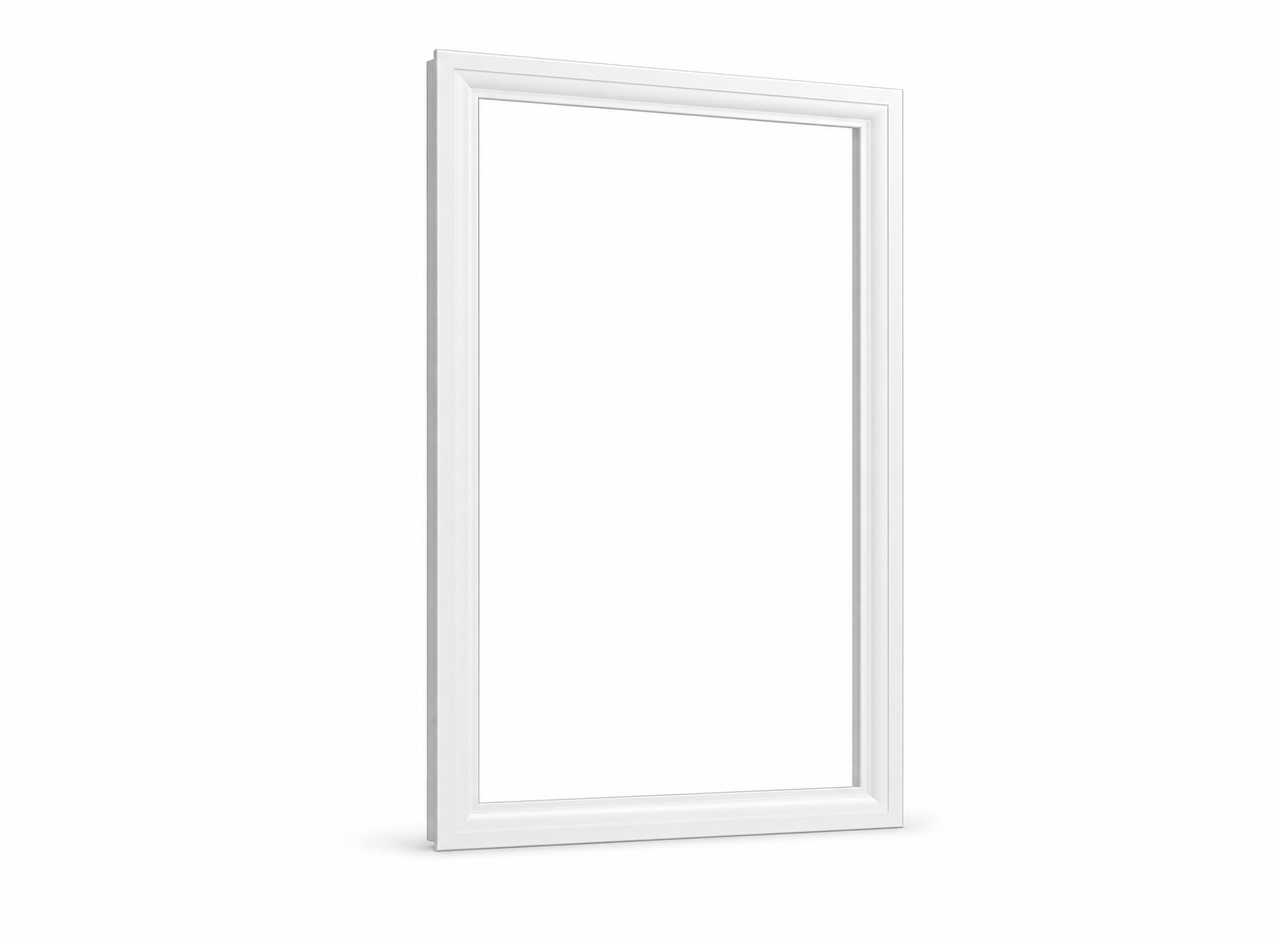
 PGT
WinGuard Aluminum Series
PGT's flagship aluminum impact platform since 1998, with one of the deepest Miami-Dade NOA libraries in the industry. Single hung through sliding doors on one HVHZ-certified frame system.
HVHZ-approved across the series 11 models in the series
Explore the WinGuard Aluminum Series
products.
PGT
WinGuard Aluminum Series
PGT's flagship aluminum impact platform since 1998, with one of the deepest Miami-Dade NOA libraries in the industry. Single hung through sliding doors on one HVHZ-certified frame system.
HVHZ-approved across the series 11 models in the series
Explore the WinGuard Aluminum Series
products.
8. No Storm Preparation Needed
No shutters to deploy, no panels to carry, no ladders, no helpers, no lead time. When a storm forms in the Gulf, your home is already protected. This is the benefit that homeowners cite most frequently after living with impact windows through a hurricane season.
The Cons (Honest Assessment)
1. High Upfront Cost
This is the primary barrier, and it's real.
| Home Size | Budget Tier | Mid-Range | Premium |
|---|---|---|---|
| Small (8-10 openings) | $10,000-$15,000 | $15,000-$22,000 | $22,000-$35,000 |
| Average (12-15 openings) | $15,000-$25,000 | $25,000-$40,000 | $40,000-$65,000 |
| Large (18-25 openings) | $25,000-$40,000 | $40,000-$60,000 | $60,000-$100,000+ |
For detailed pricing by window type, frame material, and manufacturer, see our impact windows cost guide.
The upfront cost can be reduced through the My Safe Florida Home program (grants up to $10,000), PACE financing ($0 down, income-verified approval), and other financing options. But the investment is still significant.
Explore 0% APR financing for your project*
Predictable monthly payments — and Florida's wind-mitigation insurance discount can offset much of it.
*0% APR is promotional, for qualified buyers. Subject to approval.

2. Installation Disruption
A whole-home impact window project takes 2-5 days of active installation work. During that time, installers are removing old windows, preparing openings, and installing new units. There will be noise, dust, brief periods where openings are exposed, and workers in and around your home.
This is temporary (a few days), but it's a real inconvenience, particularly for families with young children, elderly residents, or pets.
3. Professional Installation Required
Impact windows cannot be installed as a DIY project. Florida law requires a licensed contractor for impact window installation because it is structural work affecting the building envelope. Unpermitted or unlicensed installation will not pass building inspection, will void the manufacturer's warranty, and will not qualify for insurance discounts.
4. You Can't Take Them With You
Impact windows are permanently installed into your home's structure. If you move, the windows stay. You benefit at resale (70-85% recovery rate, 20% faster sale, 7-10% value increase), but the specific dollars you invested go to the next owner's benefit, not yours.
For homeowners planning to move within 2-3 years, the payback period may not close before the sale. For homeowners staying 5+ years, the compounding insurance and energy savings typically exceed the unrecovered portion of the investment.
5. Some Styles Limit Ventilation
Impact windows are heavier than standard windows (laminated glass + reinforced frames), which can make operable units slightly harder to open. Single-hung and sliding windows are the easiest to operate. Casement and awning windows use crank operators that handle the extra weight well but require more deliberate effort than a standard push-up window.
Fixed (picture) windows provide no ventilation at all, which is fine for rooms where views and light are the priority but limits airflow options.
6. Lead Times
Impact window manufacturing and installation takes 5-16 weeks from contract signing to completed installation, depending on the manufacturer (ES Windows: 5-6 weeks, PGT: 10-12 weeks) and permit processing (2-6 weeks). You cannot decide to install impact windows on Wednesday and have them by Friday.
The Financial Math
20-Year ROI: Mid-Range South Florida Project
| Factor | Amount |
|---|---|
| Impact window investment | -$30,000 |
| My Safe Florida Home grant | +$10,000 |
| 20-year insurance savings ($1,500/yr) | +$30,000 |
| 20-year energy savings ($600/yr) | +$12,000 |
| Property value increase (7-10% of $500K) | +$35,000-$50,000 |
| Net 20-year position | +$57,000 to +$72,000 |
20-Year ROI: Budget Central Florida Project
| Factor | Amount |
|---|---|
| Impact window investment | -$18,000 |
| MSFH grant | +$10,000 |
| 20-year insurance savings ($500/yr) | +$10,000 |
| 20-year energy savings ($600/yr) | +$12,000 |
| Property value increase (7% of $350K) | +$24,500 |
| Net 20-year position | +$38,500 |
Break-Even Timeline
| Location | Annual Savings (Insurance + Energy) | Net Cost After MSFH | Break-Even |
|---|---|---|---|
| Coastal Miami-Dade | $2,000-$4,300 | $20,000 | 5-10 years |
| Coastal Broward | $1,500-$3,300 | $20,000 | 6-13 years |
| Tampa Bay | $1,200-$2,300 | $15,000 | 7-13 years |
| Central Florida | $800-$1,400 | $8,000 | 6-10 years |
Break-even occurs when cumulative savings (insurance + energy) equal the net cost after grants. After break-even, every additional year of savings is pure return. Given impact windows' 25-30 year lifespan, most homeowners enjoy 10-20 years of net-positive return after break-even.
FEMA's National Institute of Building Sciences documented that every $1 invested in hazard mitigation saves $6 in avoided losses. A FEMA Broward County study found a 4.8:1 benefit-cost ratio. My Safe Florida Home program data shows 49% of grant recipients report insurance discounts averaging approximately $981 annually.
The Alternative: Hurricane Shutters
If the upfront cost of impact windows is prohibitive, hurricane shutters are a legitimate code-compliant alternative:
| Factor | Accordion Shutters | Impact Windows |
|---|---|---|
| Whole-home cost | $5,000-$12,000 | $15,000-$65,000 |
| Insurance credit | Same (30-45% when all openings covered) | Same |
| Energy savings | $0/year | $500-$800/year |
| Property value | Minimal | +7-10% |
| Deployment | 15-30 minutes each storm | None |
| Daily benefits | None | Energy, noise, UV, security |
| 20-year net return | +$16,000-$28,000 | +$45,000-$96,000 |
Shutters are worth it for the insurance savings alone. But impact windows deliver a significantly larger total return because they generate returns (energy, property value) that shutters cannot. For the complete analysis, see our impact windows vs. hurricane shutters guide.
The hybrid approach (impact windows on primary rooms, accordion shutters on large doors and secondary openings) captures most of the benefits at 20-30% lower cost.
Who Should Definitely Get Impact Windows
- You live in the home full-time and plan to stay 5+ years
- You're in the HVHZ or WBDR where impact protection is code-required anyway
- You travel during hurricane season and can't deploy shutters
- You're elderly or mobility-limited (zero deployment effort)
- Your existing windows need replacement anyway (impact windows solve two problems at once)
- You value quiet, comfort, and security in addition to storm protection
- You plan to sell within 10 years and want maximum resale value and fastest sale
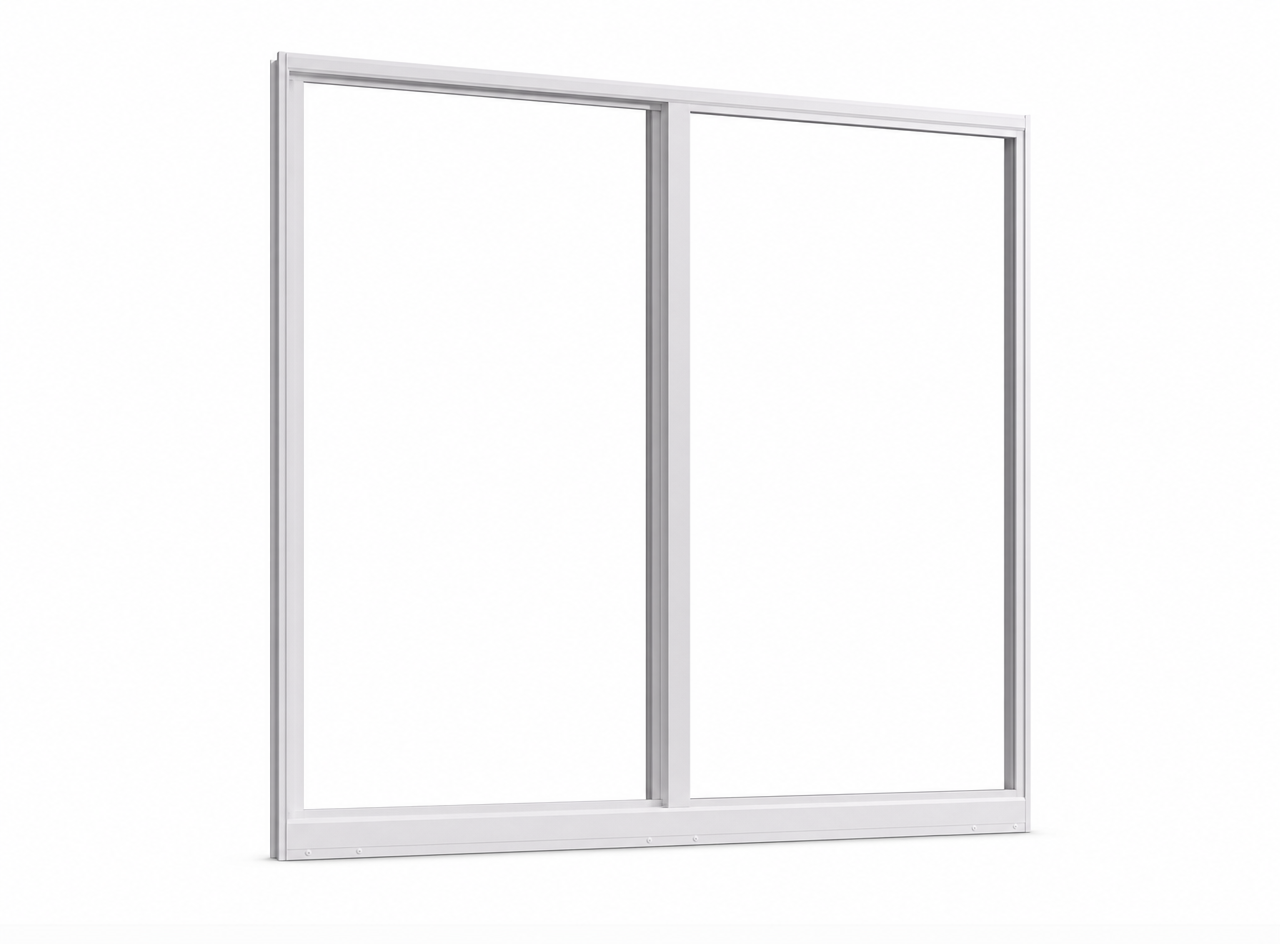 PGT · WinGuard Aluminum Series
PGT WinGuard Aluminum Horizontal Roller HR7710A
Aluminum impact horizontal roller on the WinGuard 7700-series frame, opening side-to-side for wider residential openings. Diamond Glass, LMI for HVHZ.
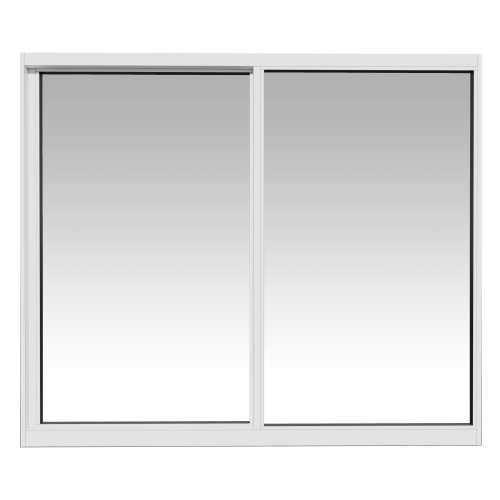
 ECO · Eco-Guard Horizontal Rolling Series
Eco-Guard Horizontal Rolling Series 60
Entry 2-panel aluminum impact roller, 2-1/8 in. frame, +55/-60 psf, LMI for HVHZ.
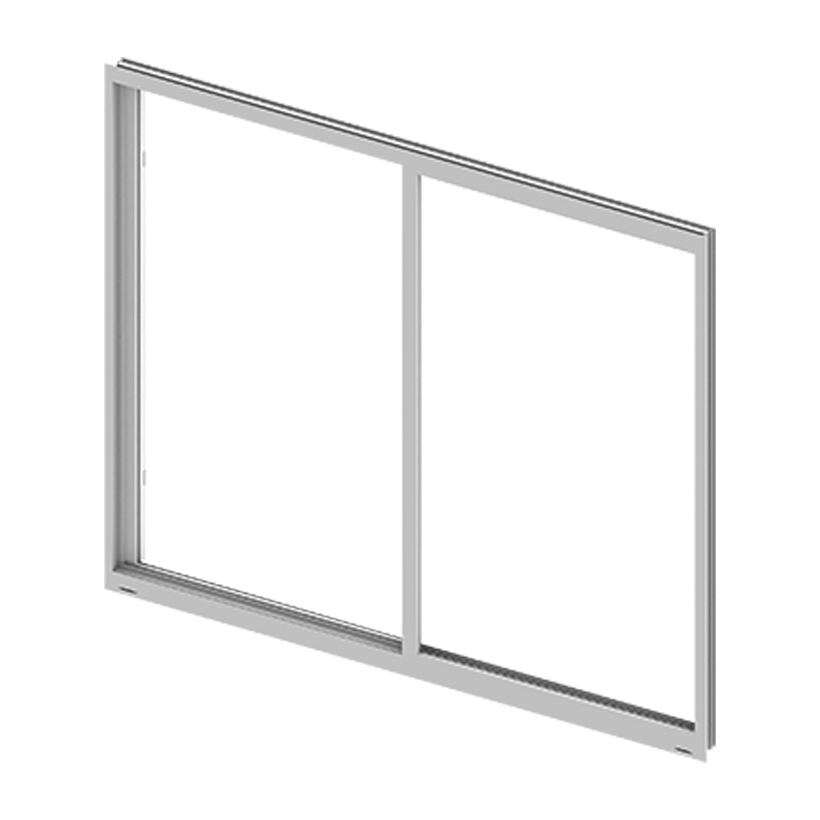
 ES Windows · Elite Series
ES Windows Elite ES-EL200 Sliding Window
Aluminum impact horizontal slider in XO, OX, and XOX configurations on a 2-15/16 inch frame. Polyamide rollers with needle bearings.
Who Might Want to Consider Alternatives
- Tight budget under $12,000 for whole-home protection: accordion shutters cover every opening within this range
- You're selling within 1-2 years and the payback period won't close
- Investment/rental property where daily benefits don't accrue to you
- Very large openings (16+ ft SGDs) where impact replacement is prohibitively expensive: shutters on large doors with impact windows on standard openings
Next Steps
- Run your own ROI calculation using the framework above. Your specific numbers (home value, insurance premium, number of openings) will tell you whether the investment makes sense for your situation.
- Get a free estimate for your specific home. The estimate should include product options across price tiers so you can see the cost at each level.
- Check MSFH eligibility for grants up to $10,000 that directly reduce your upfront cost and accelerate the break-even.
- Get a wind mitigation inspection to understand your current insurance discount potential.
- Compare against hurricane shutters if budget is the constraint. The right protection at any budget is better than no protection.