
Why the Keys Are Different
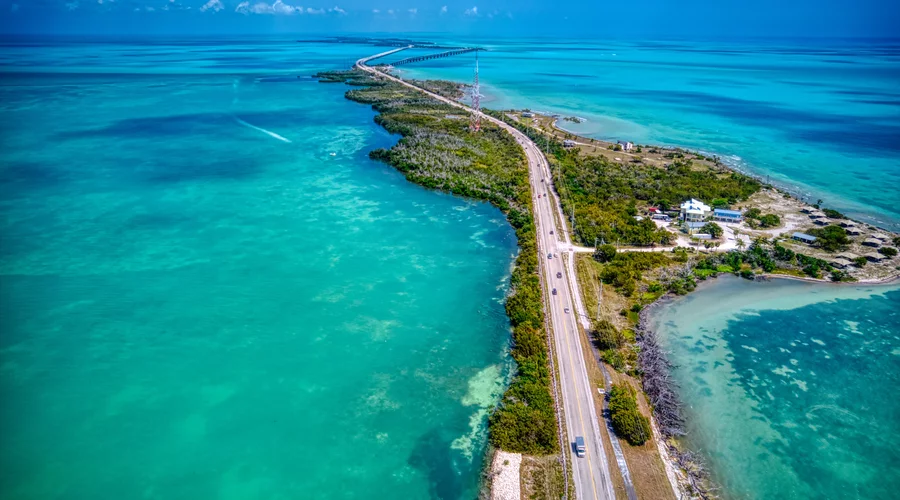
The Florida Keys are not just another coastal community. They are a 120-mile chain of barrier islands connected by a single highway, surrounded by open water on every side, and exposed to some of the highest design wind speeds in the continental United States. For homeowners in Monroe County, hurricane protection is not an upgrade—it is a structural necessity that the building code and the geography both demand.
Most of South Florida deals with serious hurricane risk. But the Keys amplify every factor that makes hurricanes dangerous to buildings:
- Design wind speeds of 170-190 mph. Monroe County's design wind speeds under the Florida Building Code 8th Edition (ASCE 7-22 wind loads) are among the highest in the state. By comparison, most of mainland South Florida falls in the 140-160 mph range.
- Exposure D classification everywhere. Wind exposure categories describe how much the surrounding terrain slows wind down before it reaches a building. Exposure B is suburban, with buildings and trees providing friction. Exposure D is flat, unobstructed water surfaces, which describes virtually every property in the Keys. This classification produces 40-60% higher design pressures than the same wind speed would generate in an Exposure B location. A 170 mph design wind speed in the Keys hits harder than 170 mph in a suburban Miami neighborhood.
- Complete barrier island geography. Every home sits on a narrow strip of land between the Atlantic Ocean and Florida Bay. There is no inland buffer, no elevation relief, no tree canopy large enough to provide meaningful wind friction. Storms approach from the ocean and blow straight across.
- Extreme marine salt environment. The Keys' salt exposure is more severe than any location on the Florida mainland. Salt-laden air accelerates corrosion of aluminum frames, degrades weatherstripping, pits hardware, and breaks down sealants. Products that last 20 years in Fort Lauderdale may show visible degradation in 5-7 years in the Keys without marine-grade specifications.
- No way out. US-1 is the only road connecting the Keys to the mainland. During mandatory evacuation orders, traffic from Key West to Florida City can take 12-24+ hours. Many homeowners physically cannot evacuate in time, and those who leave cannot return to deploy shutters or board up windows before a storm hits. This single fact changes the entire calculus of hurricane protection: you need protection that is always in place and requires no deployment. That means impact windows and doors, not shutters.
Hurricane Irma: The Modern Benchmark
Hurricane Irma in September 2017 provided a devastating proof of concept for everything that makes the Keys vulnerable. Irma made landfall on Cudjoe Key (Mile Marker 23) as a Category 4 hurricane with sustained winds of 130 mph.
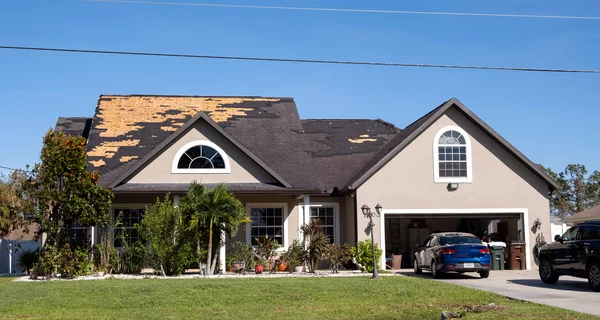
The damage was staggering: 25% of all homes in Monroe County were damaged or destroyed, with $6.7 billion in damage to the Keys alone. The Lower Keys took the worst of it. Entire mobile home communities were wiped out. Concrete block homes with unprotected windows lost their envelopes when debris breached the glass, allowing wind and water to enter and destroy interiors from the inside.
Irma also exposed the evacuation problem in the starkest terms. The mandatory evacuation order for Monroe County was issued days before landfall, and still, traffic on US-1 stretched to 12+ hours. Homeowners who stayed behind, whether by choice or circumstance, had no option but to shelter in place. Those with impact windows maintained their building envelope. Those without them faced a far more dangerous situation.
The post-Irma rebuilding effort has driven significant impact window adoption across the Keys, particularly in Marathon and the Lower Keys. But thousands of pre-code homes still have unprotected openings.
Monroe County Building Code Requirements
Understanding what the code requires, and what it does not, is essential before selecting products for a Keys installation.
Wind-Borne Debris Region, Not HVHZ
This is a common point of confusion. The entire Florida Keys falls within the Wind-Borne Debris Region (WBDR), which means all openings on new construction must have impact-resistant glazing or approved protective coverings. However, Monroe County is not in the High Velocity Hurricane Zone (HVHZ). The HVHZ designation applies only to Miami-Dade and Broward Counties.
This distinction matters for product selection:
- HVHZ products require a Miami-Dade Notice of Acceptance (NOA), which involves testing to the Miami-Dade Protocol (including large and small missile impact, cyclic pressure, and 9,000-cycle structural tests that are approximately 48x more rigorous than standard Florida testing).
- Monroe County products require a Florida Product Approval (FPA) with ASTM E1886/E1996 impact testing, the standard Florida impact test protocol. This is a less demanding certification pathway than the NOA.
That said, many installers and homeowners in the Keys choose HVHZ-rated products anyway. The reasoning is sound: when your home faces 170-190 mph design wind speeds, you want the most thoroughly tested product available. An NOA-certified window has been tested to a higher standard than an FPA-only product, and the price premium for NOA products is modest relative to the overall cost of a Keys installation. We generally recommend HVHZ-rated products for Keys installations when budget allows.
For a deeper comparison, see our guide on HVHZ vs. standard impact ratings.
The 25% Rule
If you own a pre-Florida Building Code home in the Wind-Borne Debris Region and you are replacing more than 25% of your total glazed area (window and door openings), the replacement products must comply with current impact requirements. This means that a large-scale window replacement project on an older Keys home will trigger a full upgrade to impact-rated products, which is ultimately the right outcome for safety and insurance purposes.
For full details on Florida's impact window requirements, see Are Impact Windows Required in Florida?.
Permitting
Monroe County Building Department handles all permits for window and door replacement. Permits are required for every installation; there are no exceptions for "like-for-like" replacements in the WBDR. The permitting process requires product approval documentation (FPA number or NOA number), engineering calculations showing the product meets the site-specific design pressure requirements, and contractor licensing verification.
FEMA Flood Zone Considerations
Many Keys properties are located in FEMA VE or AE flood zones with base flood elevation (BFE) requirements. These flood zone designations can affect window and door installation in several ways:
- Openings below the BFE may require flood-resistant materials or breakaway wall construction
- Substantial improvement thresholds (50% of structure value) can trigger full flood zone compliance
- Monroe County's Rate of Rise (ROR) ordinance limits rebuilding density, which can affect permit timelines
You can check your property's flood zone at FEMA's Flood Map Service Center.
Marine-Grade Product Requirements
The single biggest difference between specifying impact windows for the Keys versus the mainland is material durability in a salt environment. Products that perform adequately in Fort Lauderdale, West Palm Beach, or even Miami Beach will degrade noticeably faster in the Keys' more severe marine exposure.
Frame Material: Aluminum Only for Extreme Coastal
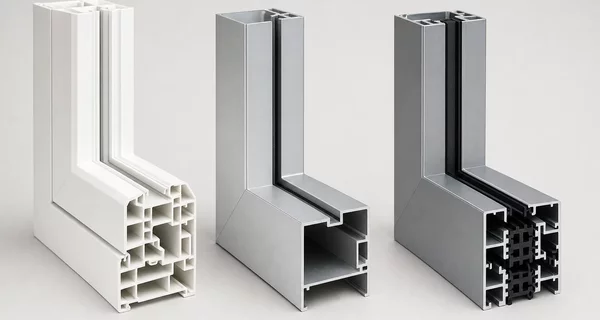
For most Keys applications, marine-grade aluminum is the recommended frame material. Vinyl frames are generally not recommended for extreme coastal Keys locations for two reasons:
- Structural rigidity. Vinyl softens in high heat and does not achieve the structural rigidity needed for very high DP ratings (the design pressures required at 170-190 mph in Exposure D). Aluminum maintains its structural properties across the full temperature range the Keys experience.
- DP rating limitations. The highest DP-rated products on the market, the ones engineered for 170-190 mph wind speeds in Exposure D, are aluminum-framed. Vinyl product lines typically max out at lower DP ratings that may not meet the engineering requirements for certain Keys applications.
For a detailed comparison of the two frame materials, see Vinyl vs. Aluminum Impact Windows.
Coatings and Finishes
Standard aluminum finishes (mill finish or basic anodizing) degrade rapidly in Keys salt air. The recommended coatings for the Keys, in order of durability:
- Kynar/PVDF fluoropolymer coatings. The gold standard for salt-air resistance. Kynar coatings provide superior chalk and fade resistance and are rated for 20+ years in severe marine environments. ES Windows includes Kynar coatings standard on all product lines, a meaningful advantage for Keys installations.
- Heavy anodizing (15-25 micrometer oxide layer). Provides excellent corrosion resistance. The thicker the anodized layer, the better the protection. Standard anodizing (5-10 micrometers) is insufficient for the Keys.
- Premium powder coating (60-120 micrometers). Thicker than standard powder coating and formulated for marine exposure. Look for AAMA 2605 specification compliance.
Hardware: Stainless Steel Is Non-Negotiable
Standard zinc-plated or chrome-plated hardware, the type included with most impact windows, will corrode within 2-3 years in the Keys. Pitted locks, frozen operators, and degraded hinges are among the most common post-installation failures we see on Keys projects where standard hardware was specified.
Stainless steel hardware is mandatory for any Keys installation. Full stop. This is not an optional upgrade—it is a requirement for the products to maintain functionality over their expected lifespan.
ES Windows
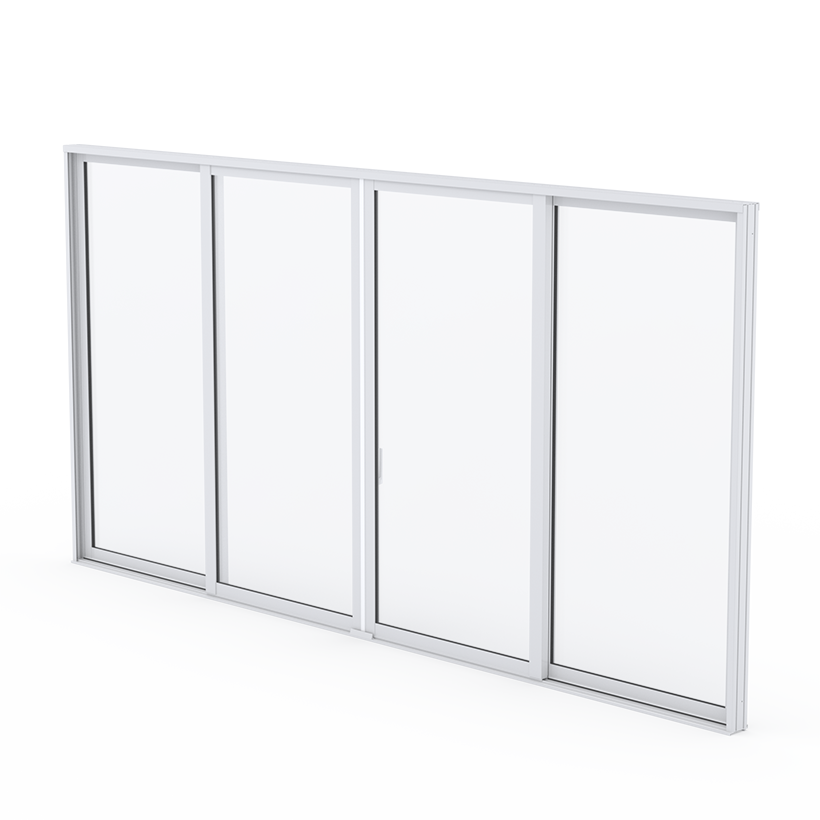
 ES Windows
Tecnoglass-owned, vertically integrated impact windows and doors with in-house glass and aluminum.
Miami-Dade NOA / HVHZ approved 145 models across 9 product lines
Explore ES Windows
includes stainless steel hardware standard across all product lines, which is one reason we frequently specify ES for Keys projects. With other manufacturers, stainless hardware is typically available as an upcharge.
ES Windows
ES Windows
Tecnoglass-owned, vertically integrated impact windows and doors with in-house glass and aluminum.
Miami-Dade NOA / HVHZ approved 145 models across 9 product lines
Explore ES Windows
includes stainless steel hardware standard across all product lines, which is one reason we frequently specify ES for Keys projects. With other manufacturers, stainless hardware is typically available as an upcharge.
Weatherstripping and Sealants
- Weatherstripping: Silicone bulb seals are preferred over standard EPDM rubber for Keys applications. Silicone handles a temperature range of -60 degrees C to +200 degrees C, compared to -40 degrees C to +120 degrees C for EPDM. More importantly, silicone resists UV degradation and ozone exposure better than EPDM, both of which are amplified in the Keys' intense sun and salt environment.
- Exterior sealants: All sealants used at the window-to-wall interface must be marine-rated. Standard silicone or polyurethane sealants break down faster in constant salt exposure.
Island-by-Island Challenges
The Keys are not monolithic. Each island or island group has distinct characteristics that affect product selection, permitting, and installation logistics. Here is what you need to know about the major Keys markets.
Key West (Mile Marker 0)
Design wind speed: 170-175 mph
Key West is the most architecturally complex market in the Keys, and possibly in all of Florida, for impact window installation. The reason is the Old Town Key West National Historic Landmark District, which covers the core of the island and subjects all exterior modifications to review by the Historic Architecture Review Commission (HARC).
HARC review imposes constraints that do not exist anywhere else in the Keys:
- Impact windows must match historic window profiles and proportions. You cannot replace a traditional wood double-hung window with a modern aluminum slider. The replacement must replicate the sightlines, muntin patterns, and proportional relationships of the original window.
- Wood-clad or specialty aluminum profiles may be required. Standard aluminum impact window profiles are often too bulky for historic openings. Manufacturers that offer narrower sightlines or wood-clad exterior options are necessary for HARC approval.
- Custom fabrication is common. Many historic Key West homes have non-standard window sizes that do not correspond to any manufacturer's standard product line. Custom sizing adds cost and lead time.
For Key West properties outside the historic district, standard marine-grade impact windows with appropriate DP ratings apply. But even these homes face the full force of Key West's Exposure D conditions and severe salt environment.
Islamorada (Mile Markers 73-90)
Design wind speed: 175-180 mph in some locations
Islamorada represents the Keys' luxury market. Waterfront estates here feature very large openings: 10+ foot sliding glass doors, floor-to-ceiling fixed windows, and expansive glass walls designed to capture ocean views.
Large openings in Exposure D at 175-180 mph design wind speeds create some of the highest design pressure requirements you will encounter in residential construction. The engineering demands are significant:
- Very high DP ratings required for large openings. A 10-foot sliding glass door at 180 mph in Exposure D may require a DP rating that only premium product lines can achieve.
- Premium products are appropriate. WinDoor
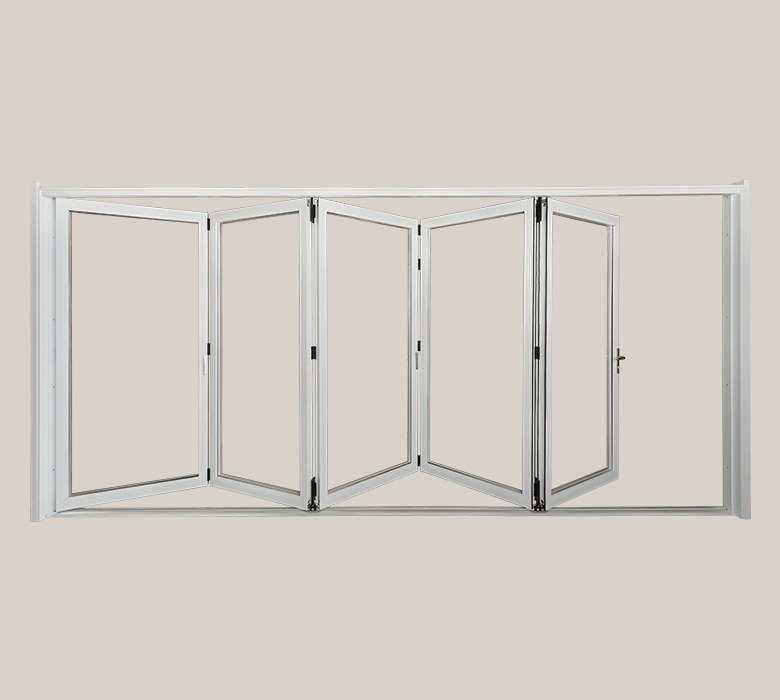
 WinDoor
Luxury aluminum impact windows and doors with industry-leading panel sizes and corner configurations.
9 impact models Manufacturing since 2001
Explore WinDoor
Estate series, ES Prestige
WinDoor
WinDoor
Luxury aluminum impact windows and doors with industry-leading panel sizes and corner configurations.
9 impact models Manufacturing since 2001
Explore WinDoor
Estate series, ES Prestige
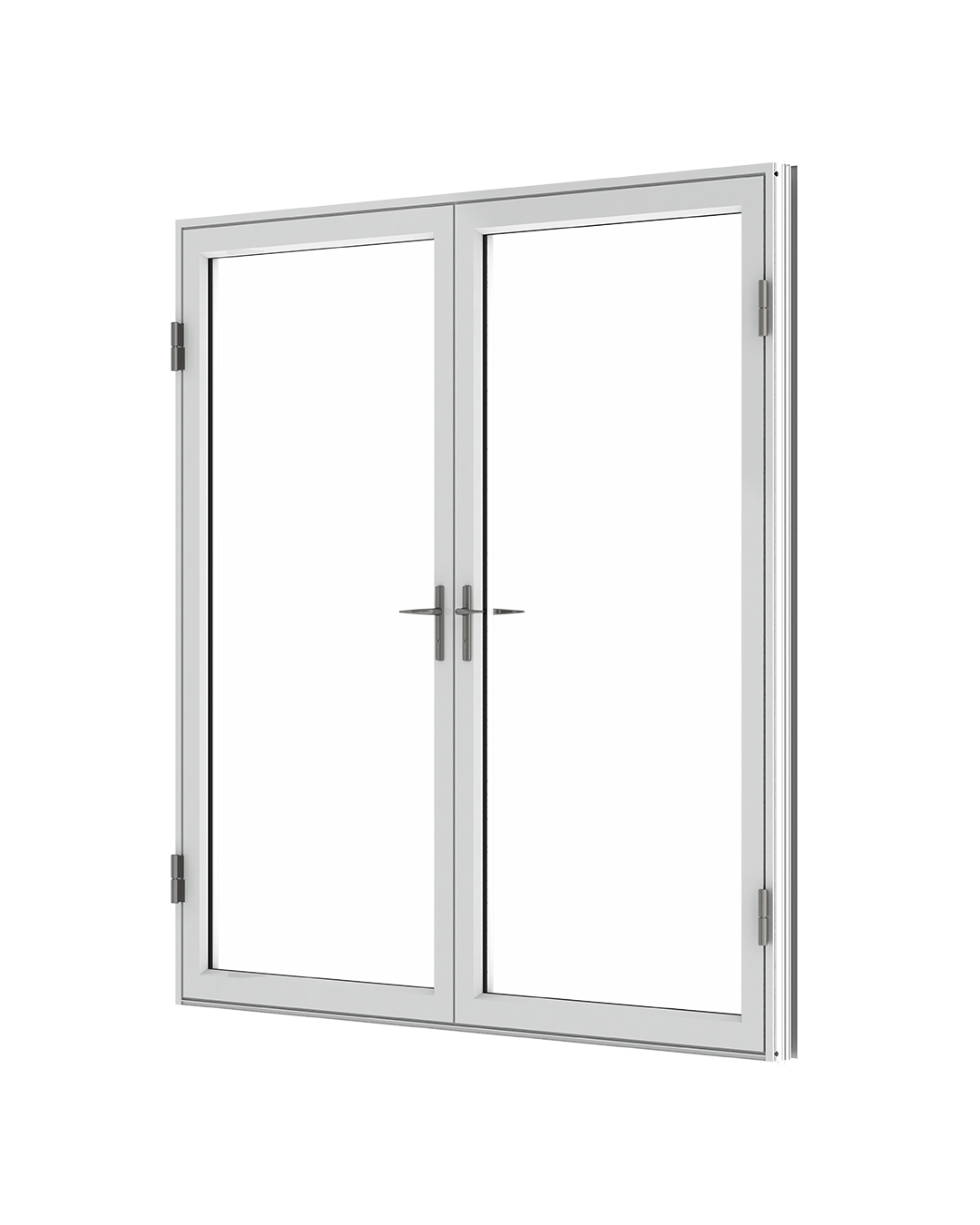 ES Windows
Prestige Series
Premium architectural aluminum impact and thermally broken line, anchored by the Glass Magazine 2024 award-winning Pivot Door and the industry-leading ES-FX3050 folding door.
HVHZ-approved across the series 18 models in the series
Explore the Prestige Series
line, and comparable high-performance product lines are the right fit for Islamorada's luxury market. These are not cases where budget products can be value-engineered into the project.
ES Windows
Prestige Series
Premium architectural aluminum impact and thermally broken line, anchored by the Glass Magazine 2024 award-winning Pivot Door and the industry-leading ES-FX3050 folding door.
HVHZ-approved across the series 18 models in the series
Explore the Prestige Series
line, and comparable high-performance product lines are the right fit for Islamorada's luxury market. These are not cases where budget products can be value-engineered into the project. - Exposure D on both sides. Islamorada sits between the Atlantic Ocean and Florida Bay, with extreme Exposure D on both the ocean and bay faces. There is no "sheltered side" of the home.
Marathon (Mile Markers 47-60)
Design wind speed: 175-185 mph
Marathon represents the Keys' middle market. Homes here range from modest pre-code construction to newer post-code residences, and the market is more price-sensitive than Islamorada or Key West.
Post-Irma rebuilding has driven significant impact window adoption in Marathon. Many homeowners who experienced Irma firsthand have proactively upgraded to impact-rated products, and the community has a high awareness of the value of hurricane protection.
For Marathon's price-sensitive market, a broader range of products is appropriate. Manufacturers like ECO
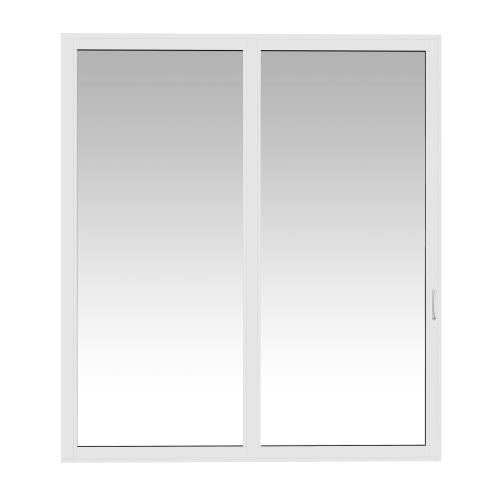
 ECO
ECO Window Systems
Miami-made impact windows and doors with vertical glass integration and Miami-Dade NOA coverage.
Miami-Dade NOA / HVHZ approved 41 models across 10 product lines
Explore ECO
and EAS
ECO
ECO Window Systems
Miami-made impact windows and doors with vertical glass integration and Miami-Dade NOA coverage.
Miami-Dade NOA / HVHZ approved 41 models across 10 product lines
Explore ECO
and EAS
 EAS
Eastern Architectural Systems
Fort Myers manufacturer of vinyl and aluminum impact windows and doors, makers of the Bertha line.
18 models across 6 product lines
Explore EAS
offer Florida-approved impact products at lower price points that meet the code requirements for many Marathon applications. ES Windows' Elite line provides a strong middle ground—HVHZ-approved, with Kynar coatings and stainless hardware included standard at a competitive price point.
EAS
Eastern Architectural Systems
Fort Myers manufacturer of vinyl and aluminum impact windows and doors, makers of the Bertha line.
18 models across 6 product lines
Explore EAS
offer Florida-approved impact products at lower price points that meet the code requirements for many Marathon applications. ES Windows' Elite line provides a strong middle ground—HVHZ-approved, with Kynar coatings and stainless hardware included standard at a competitive price point.
Key Largo (Mile Markers 90-113)
Design wind speed: 170+ mph
Key Largo is the closest Key to the mainland, with the shortest evacuation time and the most accessible logistics for installers. The market is a mix of modest residential communities and luxury waterfront properties.
Key Largo's proximity to Miami-Dade County makes it a natural candidate for HVHZ-rated products. The design wind speeds approach Miami-Dade levels, many of the same product distribution channels serve both markets, and the price premium for NOA-certified products is minimal when you are already buying at the DP ratings Key Largo requires.
For Key Largo homeowners considering whether to specify FPA-only or HVHZ-rated products, the answer is straightforward: go with HVHZ-rated if budget allows. You get more rigorous testing, wider product availability from the Miami-Dade distribution network, and potentially better resale positioning.
Big Pine Key and the Lower Keys
Design wind speed: 175-185 mph
Big Pine Key and the surrounding Lower Keys present a unique risk profile that even impact windows cannot fully address: extreme storm surge vulnerability.
Many properties in the Lower Keys sit just 3-5 feet above sea level. FEMA VE flood zones are prevalent, and Hurricane Irma demonstrated what happens when storm surge inundates an entire community at that elevation; surge flooded neighborhoods that had never flooded before.
Impact windows protect against wind-borne debris, maintain the building envelope against wind pressure, and keep wind-driven rain out of the structure. But impact windows do not protect against storm surge. When a 6-10 foot wall of water pushes through a community at 3-5 feet of elevation, the water enters at or above window height regardless of the glazing type.
This does not mean impact windows are unnecessary in the Lower Keys; they absolutely are. Wind protection is still critical, and many storms produce wind damage without catastrophic surge. But Lower Keys homeowners need to understand that hurricane protection is a multi-layered strategy: impact windows and doors for wind and debris, elevated construction for flood, proper flood insurance for financial protection, and an evacuation plan for the worst-case scenarios.
Additional considerations for Big Pine Key: the National Key Deer Refuge imposes environmental restrictions on construction that can affect project scope and permitting timelines. Check with Monroe County Building Department early in the planning process.
Product Recommendations for the Keys
Based on the conditions described above, here is how we approach product selection for Keys installations:
What to Specify
| Feature | Mainland Standard | Keys Requirement |
|---|---|---|
| Frame material | Vinyl or aluminum | Marine-grade aluminum (vinyl not recommended) |
| Coating | Standard powder coat | Kynar/PVDF or heavy anodize (15-25 micrometer) |
| Hardware | Zinc or chrome plated | Stainless steel (mandatory) |
| Weatherstripping | EPDM rubber | Silicone bulb seals (preferred) |
| Sealants | Standard silicone | Marine-rated sealants |
| DP rating | DP 50-65 typical | DP 65-90+ depending on location and opening size |
| Testing standard | FPA with ASTM E1886/E1996 | FPA minimum; HVHZ NOA recommended |
Recommended Product Lines
- ES Windows Elite: HVHZ-approved, DP +80/-80, Kynar/Dynar coatings and stainless steel hardware included standard. Strong value proposition for most Keys residential applications.
- ES Windows Prestige: Higher DP ratings for luxury and large-opening applications. Includes the ES-8000T Jumbo Fixed Window (7' x 15') for Islamorada-style waterfront walls.
- PGT WinGuard
 PGT
WinGuard Aluminum Series
PGT's flagship aluminum impact platform since 1998, with one of the deepest Miami-Dade NOA libraries in the industry. Single hung through sliding doors on one HVHZ-certified frame system.
HVHZ-approved across the series 11 models in the series
Explore the WinGuard Aluminum Series
: Established product line with broad size and configuration range. Stainless hardware available as upcharge.
PGT
WinGuard Aluminum Series
PGT's flagship aluminum impact platform since 1998, with one of the deepest Miami-Dade NOA libraries in the industry. Single hung through sliding doors on one HVHZ-certified frame system.
HVHZ-approved across the series 11 models in the series
Explore the WinGuard Aluminum Series
: Established product line with broad size and configuration range. Stainless hardware available as upcharge. - WinDoor Estate: Premium product line for high-end Islamorada and Key West luxury applications.
- ECO/EAS: Budget-friendly options that meet FPA requirements for price-sensitive Marathon and residential applications where DP requirements allow.
For in-depth manufacturer comparisons, see our reviews of ES Windows and PGT.
Impact Windows vs. Shutters in the Keys
On the mainland, the impact windows vs. shutters debate comes down to convenience, aesthetics, and budget. In the Keys, the answer is far more one-sided.
Impact windows are strongly preferred over shutters for Keys homes for one overriding reason: deployment.
Shutters only work if someone is present to deploy them before the storm arrives. In the Keys:
- Mandatory evacuation orders are issued earlier and more aggressively than on the mainland because of the US-1 bottleneck
- Evacuation can take 12-24+ hours, and re-entry after an evacuation order is typically prohibited until authorities clear the roads
- Seasonal residents and rental property owners may not be in the Keys when a storm threatens
- Even full-time residents who evacuate cannot return to deploy shutters once they leave
Impact windows are always deployed. They require no action, no deployment time, and no one to be present. For a community where evacuation is both mandatory and logistically brutal, this is the decisive advantage.
The exception: some historic Key West properties may require shutters for HARC compliance where impact windows cannot match the required historic window profile. In those cases, Bahama shutters or colonial shutters that remain permanently mounted may satisfy both HARC and hurricane protection requirements.
Cost Expectations
Keys installations cost 25-50% more than comparable mainland projects. This premium is driven by multiple factors:
- Higher DP products. Products rated for 170-190 mph in Exposure D cost more than products rated for 140-160 mph in Exposure B. The engineering, materials, and testing required for higher DP ratings are reflected in the price.
- Marine-grade materials. Kynar coatings, stainless hardware, silicone weatherstripping, and marine-rated sealants all add cost over standard specifications.
- Transportation. Everything trucks down US-1. There is no alternative route, and some properties are accessible only by boat. Freight costs for heavy glass and aluminum products are significantly higher than mainland delivery.
- Limited contractor availability. The Keys have a small pool of licensed contractors, and demand consistently exceeds supply. This drives labor costs up.
- Keys cost of living. Labor costs in the Keys are inflated by the extreme cost of living. Housing, food, and fuel costs for work crews all exceed mainland rates.
Typical Price Ranges (Installed)
| Project Type | Price Range |
|---|---|
| Standard residential (10-15 openings) | $25,000 - $60,000+ |
| Luxury waterfront with large openings | $50,000 - $120,000+ |
| Historic Key West (custom profiles) | Varies significantly; custom fabrication required |
These are fully installed prices including materials, labor, permitting, and disposal. For a detailed breakdown of per-window pricing factors, see our Impact Windows Cost Guide.
For large sliding glass door projects and impact door installations, see our Impact Doors Cost Guide.
Insurance Savings in Monroe County
Monroe County homeowners pay among the highest property insurance premiums in Florida. Many mainland insurers do not write policies in the Keys at all, and Citizens Property Insurance, the state's insurer of last resort, is often the only option available.
In this environment, wind mitigation credits become critically important. A wind mitigation inspection documenting impact-rated glazing on all openings can generate premium reductions of $2,000 to $5,000+ per year, depending on the policy and the scope of mitigation features documented.
Over a 10-year period, $3,000/year in insurance savings represents $30,000 in offset against the cost of an impact window installation. For many Keys homeowners, the insurance math alone justifies the investment.
Additionally, most Keys properties require flood insurance (NFIP or private) due to their FEMA flood zone designations. While impact windows do not directly reduce flood insurance premiums, they are part of a comprehensive risk reduction strategy that strengthens the overall insurability of the property.
For a full breakdown of insurance savings, see Impact Windows and Insurance Savings in Florida.
Grants and Financing
The My Safe Florida Home program offers grants up to $10,000 for hurricane hardening improvements, including impact windows and doors. Eligibility, availability, and funding cycles vary; check Florida Division of Emergency Management for current program status.
PACE financing provides $0-down options with income-verified approval, repaid through property tax assessments. This can make a Keys impact window project accessible even when the upfront cost is substantial.
Beyond PACE, we also offer financing through our lending partner for homeowners who prefer predictable, fixed monthly payments.
Frequently Asked Questions
Are impact windows required in the Florida Keys?
Yes, for new construction. The entire Keys (Monroe County) falls within the Wind-Borne Debris Region under the Florida Building Code 8th Edition, which means all glazed openings on new construction must have impact-resistant glazing or approved protective coverings. For existing homes, the 25% rule applies: if you replace more than 25% of your total glazed area, the replacement products must meet current impact requirements. See Are Impact Windows Required in Florida? for details.
Do I need Miami-Dade NOA products in Monroe County?
No, Monroe County is not in the HVHZ. Products need a Florida Product Approval (FPA) with ASTM E1886/E1996 impact testing, not a Miami-Dade NOA. However, we recommend HVHZ-rated (NOA-certified) products for Keys installations when budget allows because the testing standard is significantly more rigorous, and the price premium is modest relative to the overall project cost.
Can I use vinyl impact windows in the Keys?
We generally do not recommend vinyl frames for extreme coastal Keys applications. Vinyl softens in high heat, lacks the structural rigidity required for very high DP ratings at 170-190 mph in Exposure D, and the highest-rated products on the market are aluminum-framed. For Keys homes set back from the water in Key Largo or other less exposed locations, vinyl may be acceptable for certain openings, but aluminum with marine-grade coatings is the safer specification for the majority of Keys installations. See Vinyl vs. Aluminum Impact Windows for a full comparison.
How long do impact windows last in the Keys salt environment?
With proper marine-grade specifications (Kynar/PVDF coatings, stainless steel hardware, silicone weatherstripping, and marine-rated sealants), impact windows should last 20-25+ years in the Keys. Without those specifications, degradation can begin within 3-5 years. The frame itself will likely outlast the seals and hardware, so periodic maintenance and seal replacement extend the effective lifespan.
What makes impact window installation more expensive in the Keys?
Five factors combine to produce the 25-50% premium over mainland pricing: higher DP-rated products required for 170-190 mph wind speeds in Exposure D, marine-grade material specifications (coatings, hardware, sealants), transportation costs for trucking everything down US-1, limited local contractor availability, and the general Keys cost-of-living premium that inflates labor rates. Some properties that are accessible only by boat add an additional logistics surcharge.
Do I need impact windows on all sides of my Keys home?
In the Wind-Borne Debris Region, all glazed openings must be protected—not just the windward side. Hurricanes produce wind-borne debris from all directions as the storm passes, and the building code does not distinguish between ocean-facing and bay-facing openings. Partial protection leaves the building envelope vulnerable to breach from unprotected openings.
How do I get impact windows approved for a historic Key West home?
Historic district properties require HARC (Historic Architecture Review Commission) approval before any exterior modification, including window replacement. The process involves submitting product specifications, profile drawings, and sometimes physical samples demonstrating that the impact windows match the historic window proportions, sightlines, and muntin patterns. Work with an installer experienced in HARC applications and a manufacturer that offers narrow-profile or wood-clad options suitable for historic structures. Expect custom fabrication, longer lead times, and higher costs.
What happens during a hurricane if I only have shutters and I've already evacuated?
If you have evacuated (as Monroe County's mandatory evacuation orders require), you cannot return to deploy shutters. Your openings will be unprotected. This is the fundamental weakness of shutter-based protection in the Keys: it depends on someone being present to deploy it. Impact windows eliminate this risk entirely because they are always in place. For an in-depth comparison, see Impact Windows vs. Hurricane Shutters.
Next Steps
If you own a home in the Florida Keys and you are considering impact windows or doors, here is what we recommend:
-
Determine your design wind speed and exposure category. Your specific location within the Keys determines the wind speed and exposure classification that your products must meet. Monroe County Building Department can provide site-specific requirements, or we can determine them during a site evaluation.
-
Check your FEMA flood zone. Visit FEMA's Flood Map Service Center to identify your flood zone and base flood elevation. This information affects product selection and installation methods.
-
If you're in Key West's historic district, contact HARC early. The historic review process adds lead time to the project. Starting HARC consultation before product selection avoids costly respecification later.
-
Get a wind mitigation inspection. If you already have some impact protection, a wind mitigation inspection documents what you have and identifies what additional improvements would qualify for insurance credits. This helps prioritize your investment.
-
Request a free estimate. We install Florida Keys impact windows from Key Largo to Key West. Our site evaluations include wind speed verification, exposure category determination, product recommendations tailored to your specific island and property, and a detailed project quote with marine-grade specifications.
Monroe County Building Department: monroecounty-fl.gov/168/Building-Department
National Hurricane Center: nhc.noaa.gov
Florida Division of Emergency Management: floridadisaster.org