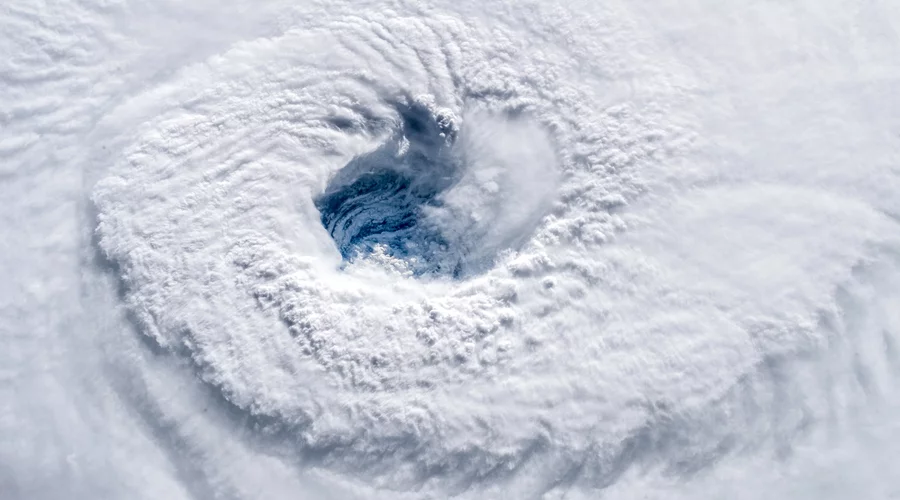

What people who just moved here get wrong, and what natives actually worry about.
Your first hurricane season in Florida sounds louder than it actually is. The cable news graphics, the neighbor who lived through Andrew, the big-box hurricane aisle that appears in May, all of it adds up to a level of alarm that does not match how most Floridians live in June through November.
Here is the calmer truth. Most natives prep less than the internet suggests but prep the right things. The Atlantic averages 14 named storms and 7 hurricanes a year, with the U.S. coastline taking roughly three hurricanes every two years and one major hurricane in that window. The 2026 Colorado State University forecast calls for 13 storms, 6 hurricanes, and 2 majors. This is your first-season primer: the supplies and habits that matter, the ones that do not, and the cultural shift from "panic before every storm" to "this is just June through November."
Where in Florida are you?
Before any list of supplies, the question Florida natives ask first is "where do you live?" A condo in downtown Miami, an inland house in Coral Springs, a coastal home in Naples, and a Panhandle house in Pensacola are all preparing for very different storms. Four variables matter most.
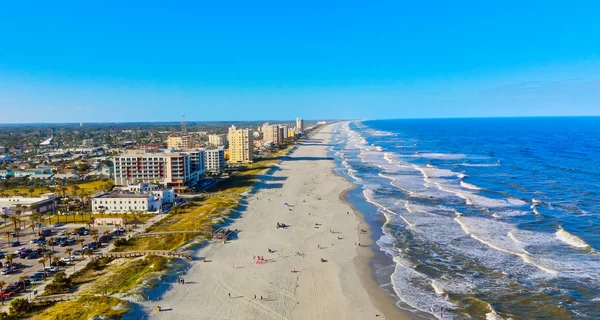
Coastal versus inland. If you can walk to salt water, storm surge is your dominant risk. The National Weather Service is direct: storm surge is "historically the leading cause of hurricane related deaths in the United States," followed by inland flooding. Old Florida wisdom compresses this to "hide from the wind, run from the water."
Your evacuation zone. Every coastal Florida county has a tiered evacuation map, usually labeled A through E. Zone A leaves first and almost always. Zone E rarely leaves. You can look up your address on your county emergency management page in five minutes. In Miami-Dade County the zones are tied to surge modeling for specific hurricane categories. Broward County maintains AlertBroward, a free service that texts you when your zone is ordered to evacuate.
Construction era. Concrete-block homes built after 2002, when the Florida Building Code was strengthened in response to Hurricane Andrew, perform meaningfully better than older wood-framed homes. A 1965 ranch and a 2018 build face different prep lists.
Power-line type. Buried utilities come back faster than overhead lines tangled in trees. A street with overhead lines in a heavily wooded subdivision can sit dark for two weeks while a buried-utility neighborhood three blocks over comes back in three days.
The Florida Division of Emergency Management maintains a "Know Your Zone, Know Your Home" page that walks you through these questions for any Florida address.
The official Hurricane Preparedness Week framework
National Hurricane Preparedness Week is May 3 through May 9 in 2026, which means we are in the middle of it as you read this. The National Weather Service organizes the week around seven daily themes, and they are a useful scaffold even if you ignore the calendar.
| Day | Theme | What it actually means for a newcomer |
|---|---|---|
| Sunday | Know Your Risk | Look up your evacuation zone and surge risk |
| Monday | Prepare Before Season | Stock supplies and check insurance |
| Tuesday | Understand Forecasts | Learn what watches and warnings mean |
| Wednesday | Get Moving When a Storm Threatens | Have a go-bag and an evacuation route |
| Thursday | Stay Protected During the Storm | Know your safe room and shelter rules |
| Friday | Use Caution After | Generators, flooded roads, debris, scams |
| Saturday | Take Action Today | Do the small things now, not in August |
The full version lives at the National Hurricane Center preparedness page and at the NWS hurricane safety hub. Both are free, both are written in plain English, and both are more useful than ninety percent of the hurricane content on commercial sites.
The five hazards the NWS wants every Florida resident to know by name are storm surge, inland flooding, destructive winds, tornadoes, and dangerous coastal waves. Storm surge and inland flooding cause the most deaths. Wind causes the most insurance claims. Tornadoes are the wildcard, often spawning hours away from where the storm makes landfall.
What seasoned Floridians actually stock
Walk into a Florida household in late May and you will see a fairly consistent list, regardless of how dramatic the homeowner sounds about storms. The actual supplies are unglamorous and mostly cheap. The flashy items often go unused.
Water, more than you think. One gallon per person per day for at least seven days, plus extra for pets. Most veterans skip walls of bottled water and use refilled gallon jugs, collapsible 5-gallon camping jugs, and the bathtub. Two days before a storm, freeze a half dozen 1-liter bottles. Frozen bottles keep the fridge cold longer if power dies and become drinking water as they melt.
Food that does not need cooking, plus a way to cook. Canned beans, peanut butter, tortillas, rice, dry pasta, jerky, snack food. A manual can opener, the kind people forget exists when they only own electric ones. A propane camp stove or a gas grill with a full spare tank. Do not stock the freezer with meat in June. If power dies for 10 days you lose all of it, and the smell is a separate disaster.
A battery-powered fan. The cheapest thing on the list and the one that comes up most in stories about surviving outages. A $30 battery fan on D-cells next to your bed turns a sweat-soaked sleepless night into something tolerable.
A 5-gallon bucket and contractor trash bags. Florida's sewer lift stations run on electricity. When the grid goes down, the sewer often goes down with it, and your toilet stops working even if you pour water into the bowl. The 5-gallon bucket with a snap-on toilet lid and bag liners is the answer every Florida veteran reaches by surprise, after the first time it happens. More in the grid-down water and sanitation guide.
Cash in small bills. ATMs and card readers go down with the power. Waffle House goes cash-only. Two hundred and fifty dollars in $5 and $10 bills is a reasonable target.
A battery or hand-crank radio. Public radio keeps broadcasting. Your phone will be unreliable for hours at a stretch.
Flashlights, headlamps, spare batteries. Two per person, plus extras. Candles cause house fires every year.
Mosquito repellent and baby wipes. When the windows are open and you have not showered in four days, both items become essential.
Important documents in zip-lock bags. Passport, insurance policies, deed, vehicle title, kids' birth certificates, photos you cannot replace. Stack them in a portable bin you can grab in a hurry.
A full tank of gas, two days before the storm. The day a watch is issued, gas station lines run forty-five minutes. Three days before, they are normal. Refill prescriptions early too; insurance will often allow early refills when a storm is approaching.
A generator. Over the past few years, many smaller, quieter generators have come to market in the sub-$1,000 price range. You'll have to learn how to use one, but keeping the internet, TV, phones, and fridge going gives a huge quality of life boost and holds you over until the power comes back.
What seasoned Floridians skip: cases of bottled water beyond what they need, MREs, expensive emergency food kits, and "bug-out bags" sold to suburban homeowners. The stuff that matters is dull.
The two weeks you should actually plan for
The most important calibration for a newcomer is power-outage duration. National news talks about hurricanes as "a couple of days" of disruption. The Florida reality is longer.
| Storm | Year | Outage range cited by Floridians |
|---|---|---|
| Andrew | 1992 | Up to 6 weeks in parts of Miami |
| Charley/Frances | 2004 | About 1 month inland |
| Wilma | 2005 | 10+ days across South Florida |
| Irma | 2017 | About 2 weeks in many areas |
| Ian | 2022 | Multi-week outages on the southwest coast |
| Helene + Milton | 2024 | 1 to 2 weeks in affected counties |
The honest number to plan for is at least 7 days, with mental preparation for two weeks. A night without power in 90-degree humidity, no AC, no fridge, no shower, mosquitoes through an open window, is a different experience than a brief outage in a temperate climate. The phrase Florida natives use: "It's never the storm, it's the aftermath." The lived experience of two weeks without power in Florida is its own post.
If you are buying one bigger-ticket item, a portable inverter generator in the 2,500 to 3,500 watt range runs a window AC unit, a fridge, and a few lights. The catches are fuel storage and the real risk of carbon monoxide poisoning if you run it indoors or in an attached garage. Learn how to operate it before you need it.
Forecasts, watches, and warnings
The vocabulary trips up almost every newcomer. Three terms do most of the work.
Watch. Conditions are possible within 48 hours. Time to finish supplies and decide whether to leave.
Warning. Conditions are expected within 36 hours. If you are evacuating, leave now.
Storm Surge Watch / Warning. Often issued separately from wind alerts. Storm surge is the deadliest hazard in a hurricane and is measured in feet above ground level. A 10-foot surge is a wall of water 10 feet high moving inland.
Build a forecast routine that does not rely on cable news. Bookmark the National Hurricane Center home page and the Ready.gov hurricane page. The NHC issues advisories every six hours, with intermediate updates when storms shift, and the language is plain and calm.
Long-tenured Floridians almost universally recommend following Denis Phillips, a Tampa-based meteorologist who covers the whole state in a matter-of-fact register without dramatic graphics. He is the name newcomers hear most often.
One note on rapid intensification. Hurricane Milton in 2024 jumped 95 mph in 24 hours over the Gulf, the most extreme rapid intensification ever recorded there, and coastal RI events have tripled between 1980 and 2020. The gap between "tropical storm" and "major hurricane" can close in a single day, which is one reason Florida homeowners increasingly favor passive protection like impact windows over last-minute plywood.
Evacuate or stay?
There is no universal rule. The decision depends on your evacuation zone, the storm's track and intensity, your home's construction, your pets and kids, and your tolerance for being stranded after the wind stops. The cultural shorthand among Florida natives is "if it isn't a Cat 3 it isn't worth waking up for." That is not a recommendation; it describes how a long-tenured inland homeowner thinks. A coastal Zone A resident with two small children uses very different math.
Three rules of thumb hold up across most situations.
Hide from the wind, run from the water. A solid concrete-block home well inland with hardened openings can shelter through Cat 2 or Cat 3 wind. No structure handles a 10-foot storm surge. If your evacuation zone is ordered to leave, leave.
Leave 12 to 24 hours before the official order. Florida evacuation traffic during the official window is bumper to bumper for 6 hours on routes that normally take 90 minutes. Going early is the difference between arriving rested and arriving exhausted.
Plan for being stranded after, not just during. Even if your home survives, debris, flooded roads, and downed power lines can keep you in place for 3 days or more. The full decision tree lives in evacuate or shelter in place. Pet owners often need to make the call earlier; shelters and pet-friendly hotels fill up fast.
Insurance is three separate products
Most newcomers think they have hurricane insurance because they have a homeowners policy. Not entirely. Florida homeowners coverage typically has three parts you need to understand separately.
Standard homeowners policy. Covers most non-storm damage and some wind damage outside named storms.
Hurricane (named storm) deductible. Usually 2 to 5 percent of your dwelling coverage, separate from your standard deductible. On a $400,000 dwelling, a 2 percent hurricane deductible is $8,000 out of pocket before coverage kicks in. This catches almost everyone the first time.
Flood insurance. Sold separately, usually through the National Flood Insurance Program administered by FEMA. Standard homeowners policies do not cover flood damage. About 25 percent of NFIP claims come from outside high-risk flood zones.
We unpack all three layers, plus wind mitigation credits, in what hurricane insurance actually covers. The short version: pull out your declarations page in May, read it, and call your agent before June 1.
Hardening over time, not all at once
Most Florida homeowners harden their houses incrementally over four or five seasons. The "fortress" build, with concrete-block walls, hurricane-rated roof, impact-rated openings, whole-home generator, and FEMA flood insurance, is rarely assembled in a single year.
If you just bought your first Florida home, do not try to do everything at once. The typical order looks roughly like this.
- Insurance review and document organization. Cheap, done in a weekend.
- Supplies, generator, and outage logistics. Modest cost. Pays back the first time the grid blinks.
- Roof inspection and repair. The single most consequential structural upgrade.
- Hardened openings (impact-rated windows and doors, or quality shutters). Major investment, best combined storm, insurance, and noise-reduction return.
- Generator and electrical hardening, including transfer switches.
- Landscaping and yard discipline. Tree trimming, no trampolines, secured outdoor furniture.
Florida's state grant program offsets some of these costs, with grants up to $10,000 for hardened openings and roof improvements. Eligibility, timing, and current funding are covered in the My Safe Florida Home program guide. The hub article on hurricane prep for Florida homeowners sets the broader context.
The point is not to buy everything in your first season. It is to know what your five-year plan looks like, so you stop seeing each storm as a panic event and start seeing it as a draw on infrastructure you have been steadily building.
The cultural shift
The thing newcomers struggle with most is not the supply list. It is the mismatch between how the rest of the country imagines a hurricane and how Floridians actually live with them.
Native Floridians are oddly relaxed about storms. They make jokes, throw hurricane parties, and say things like "Did you die?" as a way of calibrating what is worth panicking over. The saying that gets repeated to newcomers: "When the natives panic, then it's time to panic."
This is not bravado. It is a practical adaptation to living in a place where June through November contains a probabilistic background hum of tropical activity. If you treated every named system as a five-alarm event you would burn out by August. The locals' relaxed posture is a form of competence. They prepped in May, they know what they will do in each scenario, and most weeks of most seasons nothing requires action.
Two early-season habits help newcomers join this calmer register.
Sign up for your county alert system in May. AlertBroward, MiamiDadeAlerts, AlertPalmBeach, and the Collier County alert system are all free and push texts when your zone is ordered to evacuate. Most newcomers learn the system exists in late August, which is too late.
Build a forecast routine, not a forecast obsession. Five minutes in the morning during active systems, then move on with your day. Constant tracker-watching does not change what the storm will do.
One parallel for global transplants: if you are coming from Japan, the Philippines, Taiwan, or any typhoon-prone region, your prep instincts are mostly correct. Typhoons and hurricanes are the same meteorological phenomenon under different names. The main calibration is moving from apartment-style prep to homeowner-style prep, which mostly means longer outages and a yard that needs disciplining before each storm.
The first season is the hardest. The second season, you will know your zone, your supplies will be partially in place, and you will have an opinion about which forecaster you trust. By season three, you will be the calm one explaining all of this to someone who just moved here.
Next Steps
- Look up your evacuation zone today on your county emergency management site. In Broward County, sign up for AlertBroward. In Miami-Dade, sign up for MiamiDadeAlerts. The whole process takes about 10 minutes.
- Pull out your homeowners insurance declarations page. Find your hurricane (named storm) deductible and check whether you have flood insurance. Call your agent before June 1 with questions. See what hurricane insurance actually covers for the layers.
- Stock supplies in May, not in August. Water, non-perishable food, battery fan, flashlights, radio, cash in small bills, full tank of gas, and prescriptions refilled. Plan for at least 7 days.
- Bookmark the National Hurricane Center and floridadisaster.org. Follow Denis Phillips for state-wide coverage. Skip cable news.
- Read the hurricane prep hub and the lateral spokes on power outages and grid-down logistics to build your mental model.
- When you are ready to harden your home, look into the My Safe Florida Home program for grants of up to $10,000, then request a free estimate for the work.