

The Good News: They're Low-Maintenance by Design
Impact windows are engineered to survive a 9-lb 2x4 at 50 fps and 9,000 cycles of hurricane-force pressure. They don't need much from you. There's no annual recoating, no mechanical servicing, no seasonal deployment. Compared to hurricane shutters (which need biannual track lubrication, hinge inspection, and deployment/retraction labor for every storm), impact windows are dramatically less work.
But "low-maintenance" isn't "zero-maintenance." The components that keep water out during hurricanes and keep your windows operating smoothly are consumable parts that degrade over time in Florida's UV, heat, humidity, and salt-air environment. FIU Wall of Wind research confirmed that water intrusion through impact windows during hurricanes occurs primarily through degraded seals and obstructed drainage, not through the glass itself.
A few simple habits, totaling about 30 minutes per year for a typical home, protect your investment and ensure your windows perform when the next hurricane hits.
Cleaning the Glass
What to Use
- Mild dish soap and water. This is all you need for routine cleaning. A few drops of dish soap in a bucket of warm water, applied with a soft sponge or microfiber cloth, removes dust, pollen, salt film, and most grime.
- Microfiber cloths or soft sponges. These won't scratch laminated glass.
- A squeegee for streak-free finishing on large panes.
- Glass cleaner (ammonia-free) for spot cleaning. Spray directly on the cloth, not on the glass, to avoid overspray on frames and seals.
What NOT to Use
- Ammonia-based cleaners (like original Windex). Ammonia can damage Low-E coatings and tinted films applied to impact glass. If your windows have Low-E or a tint, use ammonia-free glass cleaner only.
- Razor blades or scrapers. These can scratch the outer glass surface and, more importantly, can nick or damage the laminated interlayer at the glass edges. On standard glass, a razor can remove paint or sticker residue. On impact glass, it can create a micro-defect that worsens over time.
- Abrasive cleaners, steel wool, or scouring pads. These scratch the glass surface, creating cloudy areas that affect clarity and can weaken the outer glass lite over time.
- Pressure washers directly on the glass. High-pressure water can force past weatherstripping seals and enter the frame cavity. Use a garden hose at normal pressure, not a pressure washer nozzle, for rinsing.
- Acetone or harsh solvents. These can damage vinyl frames, powder-coated aluminum finishes, and weatherstripping rubber.
Cleaning Frequency
- Exterior glass: Every 2-3 months, or after heavy storms/salt spray events. Coastal homes (within 3 miles of the ocean) benefit from monthly exterior cleaning to remove salt film.
- Interior glass: As needed. Interior surfaces accumulate less grime than exterior.
- After a hurricane or tropical storm: Clean all windows within a week to remove salt, debris residue, and any organic matter that could stain or corrode frame finishes.
Cleaning and Maintaining Frames
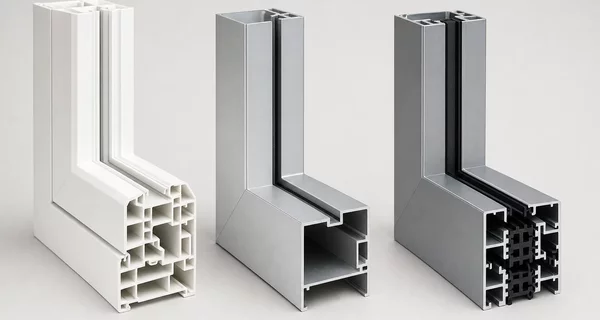
Aluminum Frames
Aluminum is the dominant frame material in the Florida impact window market (~48% share). It's durable but not immune to Florida's environment.
- Routine cleaning: Wipe with a soft cloth dampened with mild soap and water. Rinse thoroughly to remove soap residue (soap left on aluminum can cause spotting).
- Salt-air environments: Rinse exterior aluminum frames with fresh water quarterly if you're within 3 miles of the ocean. Salt crystals accumulate in frame joints, screw holes, and track corners, accelerating corrosion even on powder-coated or anodized surfaces.
- Finish inspection: Look for chalking (a white, powdery surface) or chipping in the powder coat or anodizing. Small chips can be touched up with manufacturer-matched paint. Large areas of finish degradation expose bare aluminum to salt air and should be addressed professionally.
- Do NOT use: Abrasive cleaners, steel wool, or acidic/alkaline solutions on aluminum. These damage the protective finish.
Vinyl Frames
Vinyl frames are inherently corrosion-proof and require the least maintenance of any frame material.
- Routine cleaning: Warm water and mild detergent. A soft brush can remove stubborn dirt from textured vinyl surfaces.
- Stain removal: For mold or mildew stains on white vinyl, a solution of 1 part white vinegar to 3 parts water works well. For persistent stains, a non-abrasive vinyl cleaner (available at home improvement stores) is safe.
- Do NOT use: Chlorine bleach (can cause yellowing over time), acetone or strong solvents (can damage the vinyl surface), or dark-colored paints (vinyl absorbs heat differently when painted, potentially causing warping).
Track and Hardware Maintenance
Tracks
The track system (the channel the window sash or sliding panel rides in) is where most operational problems develop.
- Vacuum tracks every 3-6 months to remove dirt, sand, insect debris, and salt crystals. A vacuum with a crevice attachment works well. Do this before lubricating.
- Lubricate with silicone spray. Apply a light coat of silicone-based lubricant to the track surface after vacuuming. Do NOT use WD-40. WD-40 is a solvent, not a lubricant. It displaces water temporarily but then attracts dust and salt, creating a gritty paste that accelerates track wear.
- Check track drainage. Water should flow freely through the track toward the weep holes. If water pools in the track, the drainage path is obstructed.
Weep Holes
Weep holes are small openings at the bottom of the window or door track that allow water to drain to the exterior. They are critical for hurricane water management.
- Clear weep holes at least once a year (before hurricane season). Use a thin wire, pipe cleaner, or compressed air to remove salt crystals, insect nests, dirt, and paint that accumulate over time.
- Test drainage: Pour a small amount of water into the bottom track. Watch the weep holes. Water should flow to the exterior within a few seconds. If it doesn't, the holes are obstructed.
- Why it matters: During a hurricane, water enters the track system from wind-driven rain. Blocked weep holes mean water accumulates in the track and overflows the sill riser into your home. Clear weep holes are the difference between "a little water in the track" and "water on my floor."
Locks, Handles, and Operators
- Test every lock annually by locking and unlocking each window. The lock should engage smoothly with firm compression against the frame. If a lock doesn't fully engage or feels loose, the hardware may need adjustment or replacement.
- Lubricate lock mechanisms with a dry graphite lubricant or light machine oil (not silicone spray, which can gum up lock mechanisms). Apply sparingly.
- Casement and awning operators: Test the crank mechanism for smooth operation. If the crank binds or the window doesn't close tightly, the operator gear may need replacement (a serviceable part, not a window replacement).
- Sliding window and SGD rollers: If the panel becomes difficult to slide or makes grinding sounds, the rollers may need adjustment or replacement. Most impact SGDs use heavy-duty tandem rollers designed for the heavier laminated glass panels.
Weatherstripping: The Most Important Maintenance Item
Weatherstripping is the compressible seal between the operable window sash and the frame. It's the primary barrier against air and water infiltration.
Why It Matters for Hurricanes
Hurricane Irma (2017) demonstrated that impact windows can leak water through fatigued weatherstripping during sustained hurricane winds. Irma's 16-hour wind duration stressed seals beyond their tested limits. Windows with fresh, resilient weatherstripping performed significantly better than those with aged, hardened seals.
When to Replace
- Every 7-10 years proactively, before visible deterioration. Performance degrades gradually; by the time weatherstripping is visibly cracked or flattened, it's been underperforming for years.
- Sooner if: Your windows face direct south or west sun exposure (accelerated UV degradation), you're within 1 mile of the ocean (salt accelerates rubber degradation), or you notice drafts around closed windows.
How to Check
Press a finger firmly against the weatherstripping on each operable window. It should compress under pressure and spring back immediately when released. If it stays compressed (doesn't spring back), feels hard or brittle, or shows visible cracking, it's time to replace.
Material Choice
- EPDM rubber: Best for Florida. Resists UV, ozone, heat, and salt. Maintains elasticity longer than alternatives.
- Silicone: Excellent durability but more expensive. Used on premium products.
- PVC-based: Less expensive but hardens faster in Florida's heat and UV. Replacement cycle may be 5-7 years rather than 7-10.
Weatherstripping replacement is a serviceable repair, not a window replacement. Your installer or a qualified window technician can replace weatherstripping without removing the window from the wall.
Exterior Sealant (Caulk)
The sealant bead between the window frame and the wall opening (stucco, CBS, wood) is a secondary water barrier. When it fails, water bypasses the window entirely and enters through the wall cavity.
- Inspect annually. Walk the exterior of your home and look at the caulk around every window and door frame. Look for cracking, peeling, separation from the frame or wall, or gaps.
- Re-caulk every 5-7 years or whenever you see visible deterioration. Use a quality exterior-grade polyurethane or silicone sealant.
- After any hurricane: Inspect caulk immediately, even if no damage is visible. Wind pressure can separate caulk from the frame, creating invisible pathways that won't become apparent until the next rain.
Coastal-Specific Care (Within 3 Miles of the Ocean)
Homes in salt-air environments need more frequent attention:
| Maintenance Item | Standard Frequency | Coastal Frequency |
|---|---|---|
| Exterior glass cleaning | Every 2-3 months | Monthly |
| Exterior frame rinse (fresh water) | Not required | Quarterly |
| Track vacuuming and lubrication | Every 6 months | Every 3 months |
| Weep hole clearing | Annually | Every 6 months |
| Weatherstripping check | Annually | Every 6 months |
| Hardware lubrication | Annually | Every 6 months |
| Exterior caulk inspection | Annually | Every 6 months |
| Frame finish inspection | Annually | Every 6 months |
The single most effective coastal maintenance habit is the quarterly fresh-water rinse. Salt crystals are invisible but corrosive. Rinsing with a garden hose dissolves and flushes salt before it can pit aluminum or degrade hardware finishes.
Annual Maintenance Checklist
Print this and run through it every May before hurricane season:
- Weatherstripping: Press-test on every operable window. Replace if it doesn't spring back firmly.
- Weep holes: Clear each weep hole with a wire or compressed air. Test with water.
- Tracks: Vacuum all tracks. Lubricate with silicone spray.
- Locks: Test every lock for full engagement. Lubricate with graphite or light oil.
- Operators: Test casement and awning cranks for smooth operation.
- Exterior caulk: Walk the exterior and inspect every frame perimeter. Re-caulk any cracks or gaps.
- Glass inspection: Look for chips, cracks, delamination (milky/cloudy areas between the glass lites), or seal failure (fogging between IGU panes).
- Frame finish: Check for chalking, chipping, or corrosion on aluminum frames.
- Coastal rinse (if within 3 miles of ocean): Rinse all exterior frames with fresh water.
Total time: about 30 minutes for a 15-window home. This is the most effective thing you can do to ensure your windows perform during the next hurricane and to maximize their 25-30 year lifespan.
When to Call a Professional
Some issues require professional attention:
- Foggy or cloudy appearance between glass lites: This indicates seal failure in an IGU (insulated glass unit). Moisture has entered the airspace between the panes. The IGU can be replaced without replacing the frame.
- Visible cracks in the glass: Any crack in impact glass compromises the laminate's integrity. The glass should be replaced promptly.
- Difficulty opening or closing: If a window that previously operated smoothly now binds, drags, or won't lock, the track, rollers, or frame may need adjustment. On sliding glass doors, roller replacement is a common repair.
- Water leaking around frames during normal rain (not hurricanes): This usually indicates failed exterior caulk or a sill-pan issue, not a window defect. A qualified installer can diagnose and repair.
- Delamination: If the PVB interlayer is visibly separating from the glass (appears as bubbling or milky areas at the glass edges), the laminated glass panel should be evaluated for replacement. This is rare but can occur in extreme UV exposure after 20+ years.
Next Steps
- Print the annual checklist above and run through it before hurricane season.
- If your weatherstripping is more than 7 years old, schedule replacement before the next storm.
- If you notice fogging, cracks, or operational problems, contact us for a professional assessment.
- For new impact window projects, see our cost guide and manufacturer comparison.
- For the detailed water intrusion guide (what happens during a hurricane and how maintenance affects performance), see our wind-driven rain article.